
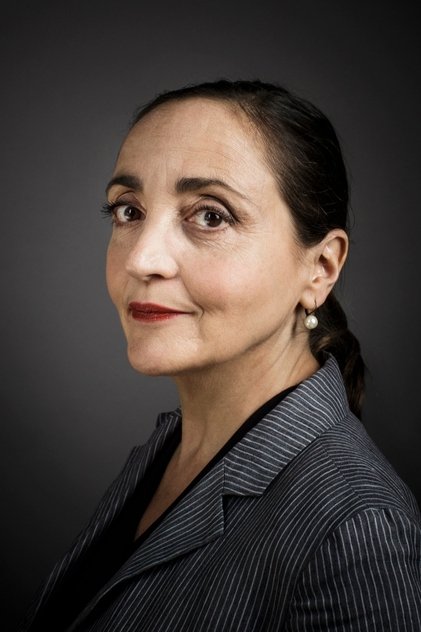
Dominique Blanc
Acting
Biography
From Wikipedia, the free encyclopedia Dominique Blanc (born 25 April 1956) is a French actress. She was trained at the French Drama school, Cours Florent. In 1980, at the suggestion of Pierre Romans in whose class she was, Patrice Chéreau went to see her and engaged her for a performance of Henrik Ibsen's Peer Gynt. She remains one of Chéreau's preferred actresses. One of the most critically acclaimed French actresses, Blanc has won four César Awards. One for Best Actress in 2000 for Stand-by (fr) and three for Best Actress in a Supporting Role: in 1990 for May Fools (Milou en mai), in 1992 for Indochine and in 1998 for Those Who Love Me Can Take the Train (Ceux qui m'aiment prendront le train) and has been nominated four more times. On 6 September 2008, she won the Volpi Cup for Best Actress at the 65th Venice Film Festival.
Born: April 25, 1956
Place of Birth: Lyon, Rhône, France
Known For

Alexandra David-Néel: J'irai au pays des neiges
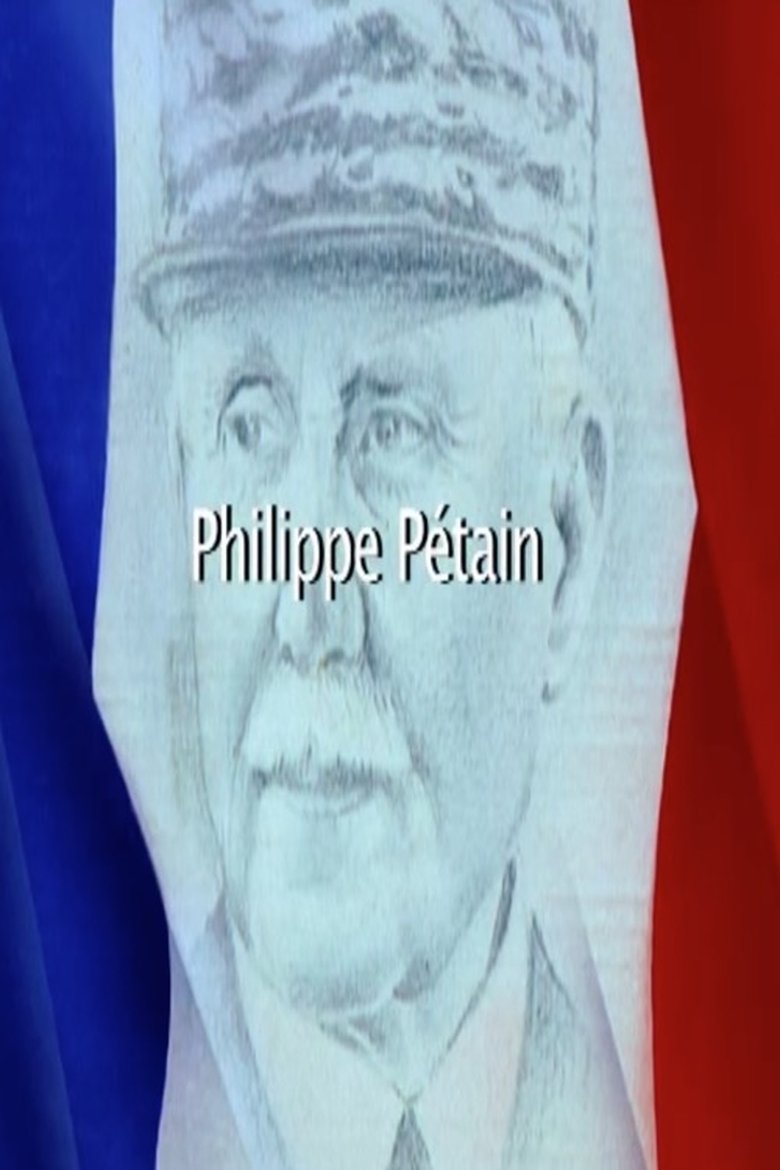
Philippe Pétain
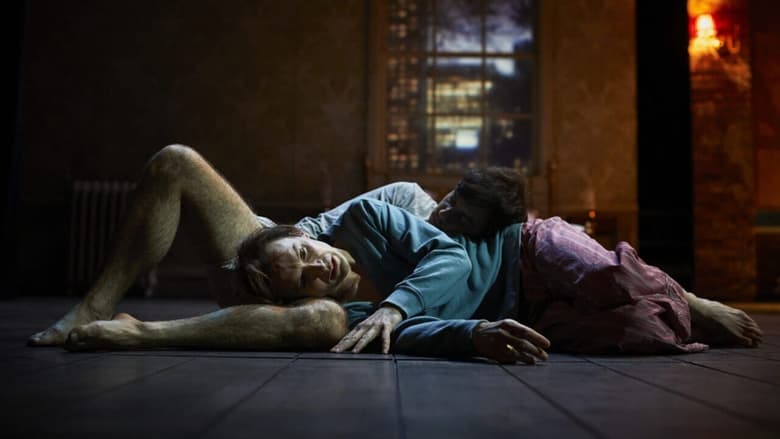
Angels in America
New York, 1985. Against the backdrop of AIDS - divine punishment inflicted on gays according to puritan America -, angels, who epilogue on the emptiness of the American dream, cross paths with the ghost of the spy Ethel Rosenberg, separating lovers and destitute patients. Prior, suffering from the AIDS virus, loves Louis who is about to leave him. Roy Cohn, man of power, Jewish and homosexual lawyer, anti-Semite and homophobe, lives in denial of his HIV status. Harper takes refuge in drugs to soften her married life with Joe, whose uncertain sexuality clashes with well-established religious beliefs. Following the cancellation of "Angels in America"performances due to the health crisis of 2020, the project became a TV movie: "Angels - Salle Escande" is shot in the privacy of rehearsals.
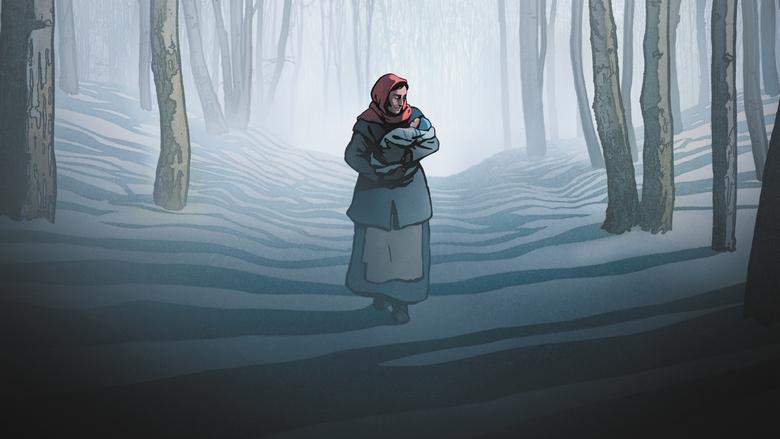
The Most Precious of Cargoes
Once upon a time, a poor woodcutter and his wife lived in a great forest. Cold, hunger, poverty, and a war raging all around them meant their lives were very hard. One day, the woodcutter's wife rescues a baby. A baby girl thrown from one of the many trains that constantly pass through the forest. This baby, this "most precious of cargoes", will transform the lives of the poor woodcutter's wife and her husband, as well as those whose paths the child will cross—including the man who threw her from the train. And some will try to protect her, whatever the cost. Their story will reveal the worst and the best in the hearts of men.

Patients
After a serious sport accident in a swimming pool, Ben, now an incomplete quadriplegic, arrives in a rehabilitation center. He meets with other handicapped persons (tetraplegics, paraplegics, traumatized crania), all victims of accidents, as well as a handicapped since his early childhood. They go through impotence, despair and resignation, with their daily struggle to learn how to move a finger or to hold a fork. Some of them slowly find a little mobility while others receive the verdict of the handicap for life. Despite everything, hope and friendship help them endure their difficulties.
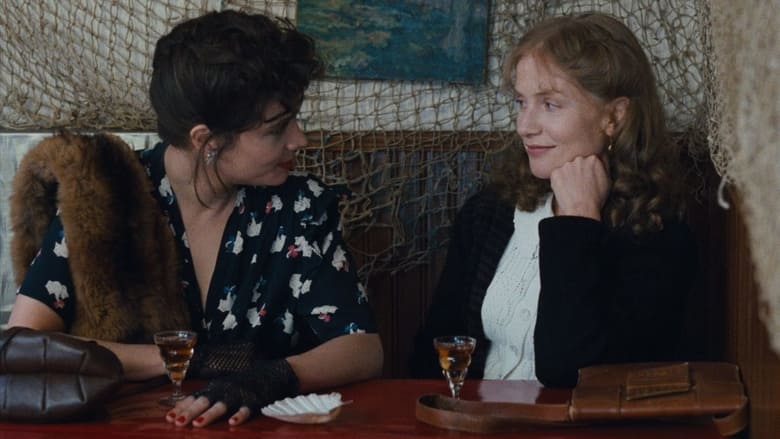
Story of Women
France, World War II. In order to somehow make ends meet, the mother of two children, Marie Latour, does underground abortions and rents a room to a familiar prostitute. She doesn't pay any attention to her husband, who returned from the war because of his injury, and lives her own life. Abortions gradually begin to bring a good income, and boredom can be easily dispelled by starting up with a young lover.
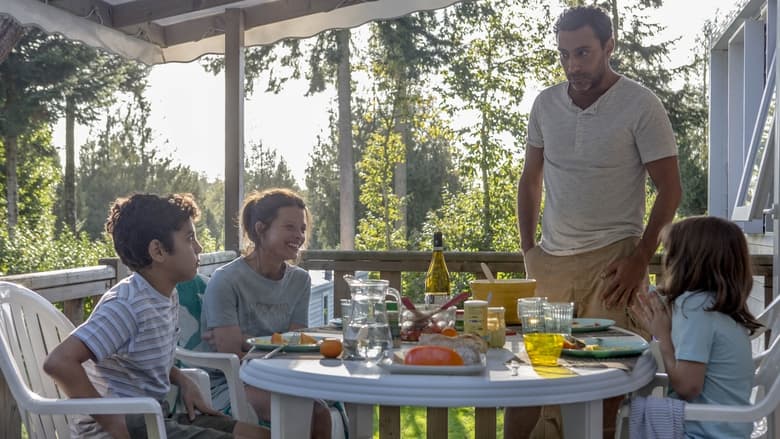
The Family
Anna happily lives with her husband, their two boys, and Simon, 6 years-old, who was placed with her by the Social Care services when he was only 18 months. When Simon’s father decides that he is ready to take his son back with him, the family’s balance is at stake. Anna is torn apart: how could she possibly let go a of child who has always called her ‘Mom’?
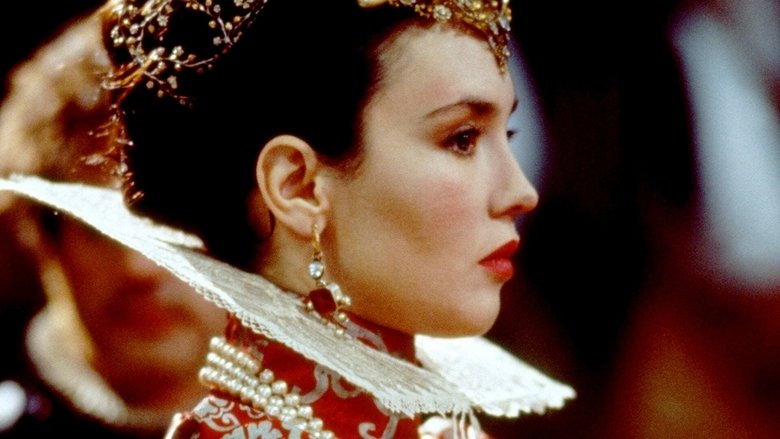
Queen Margot
Paris, Kingdom of France, August 18, 1572. To avoid the outbreak of a religious war, the Catholic princess Marguerite de Valois, sister of the feeble King Charles IX, marries the Huguenot King Henry III of Navarre.
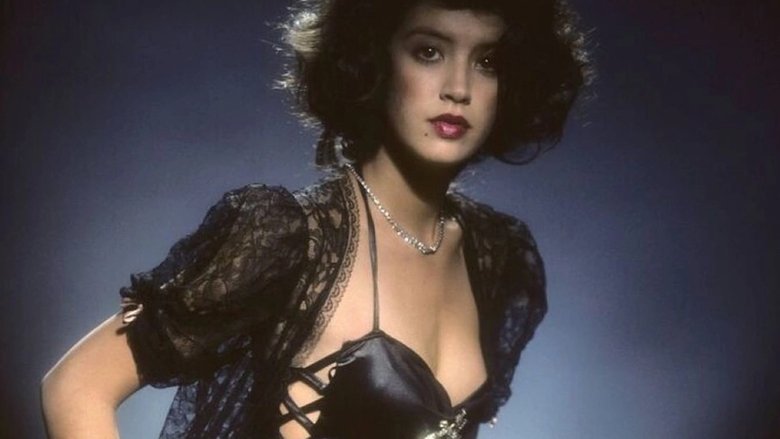
Lace
A young actress gathers three former school friends to find out which one is her natural mother, who gave her up for adoption as a newborn.

Patrice Chéreau - France's Theatre Genius
Perhaps the most important director of his generation, Patrice Chéreau left an indelible mark on theatre, film and opera. This documentary traces the French artist’s life and work ten years after his death.
Filmography
as Françoise « Fanfan » Béghin
as Wife (voice)
as Louise Dumontet
as Dr. Elizabeth Moreau
as Judge
as Dorine, suivante
as Dominique
as Marguerite Duras
as La Marquise
as Docteur Challes
as Lucie Moret
as Madame Gagnebin
as Nadja
as Armance
as (voice)
as Alexandra David-Néel
as Fanny
as Madame Verdurin
as Jeanne (voice)
as Narrator
as Celeste Scriwaneck
as Gilberte Bérégovoy
as Anne-Marie Meier
as Fabienne
as Anna
as Tania
as Alice
as Florence Duhaut
as Pierrette Guibert
as Clémence Durrieux
as Baroness Duverger
as Self (archive footage)
as Phèdre
as Agnès Manise
as Agnès Manise
as Edith
as Soeur Augustine
as Agnès
as Adele
as Françoise Barnier
as Jeanne
as Claire
as Olympe de Cardeauville
as Sylvie
as Hélène
as Geneviève
as Candida
as Catherine
as Rose
as Jeanne
as Françoise d'Aubigné, Marquise de Maintenon
as La mère
as Isabelle Rimbaud
as Henriette de Nevers
as Zana
as Yvette
as Isabelle Morigny
as Clo
as Claire
as Jacqueline Leroux
as Madame Vernet
as Jasmine
as Jeanne
as Georgette
as Self
as Louise
as Adele Natter
as Sylvia
as Teresa
as Première jeune fille / deuxième jeune fille des pâturages / troisième jeune fille arabe
as Madeleine