
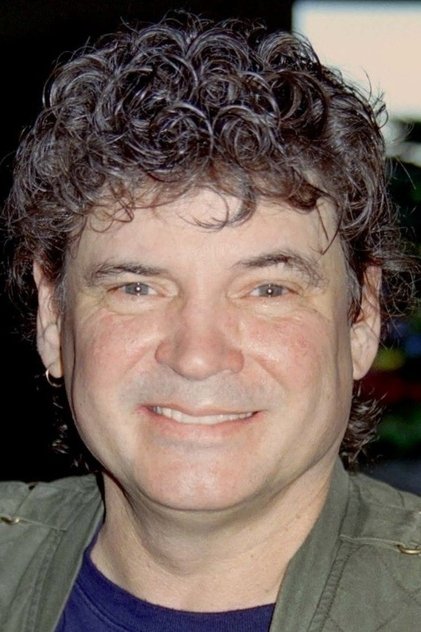
Don Everly
Acting
Biography
No biography available for Don Everly.
Born: February 1, 1937
Place of Birth: Brownie, Kentucky, USA
Known For

The Everly Brothers: Harmonies From Heaven
Documentary which celebrates, over the period covering the end of the 1950s and the beginning of the 60s, the phenomenon of the Everly Brothers, arguably the greatest harmony duo the world has witnessed, who directly influenced the greatest and most successful bands of the 60s and 70s - The Beatles, The Stones, The Beach Boys and Simon & Garfunkel to name but a few.

American Bandstand
American Bandstand was an American music-performance show that aired in various versions from 1952 to 1989 and was hosted from 1956 until its final season by Dick Clark, who also served as producer. The show featured teenagers dancing to Top 40 music introduced by Clark; at least one popular musical act—over the decades, running the gamut from Jerry Lee Lewis to Run DMC—would usually appear in person to lip-sync one of their latest singles. Freddy "Boom Boom" Cannon holds the record for most appearances at 110. The show's popularity helped Dick Clark become an American media mogul and inspired similar long-running music programs, such as Soul Train and Top of the Pops. Clark eventually assumed ownership of the program through his Dick Clark Productions company.
It's Only Rock 'n' Roll: Rock 'n' Roll at the BBC
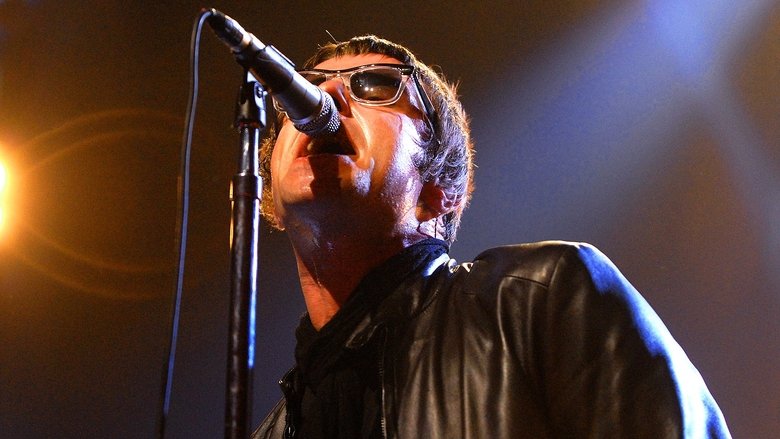
A celebration of rock 'n' roll in the shape of a compilation of classic artists and songs, featuring the likes of Jerry Lee Lewis, Dion and Dick Dale who all featured in the Rock 'n' Roll America series, alongside songs that celebrate rock 'n roll itself from artists such as Tom Petty (Anything That's Rock 'n' Roll), Joan Jett (I Love Rock 'n' Roll) and Oasis (Rock 'n' Roll Star).
The Midnight Special
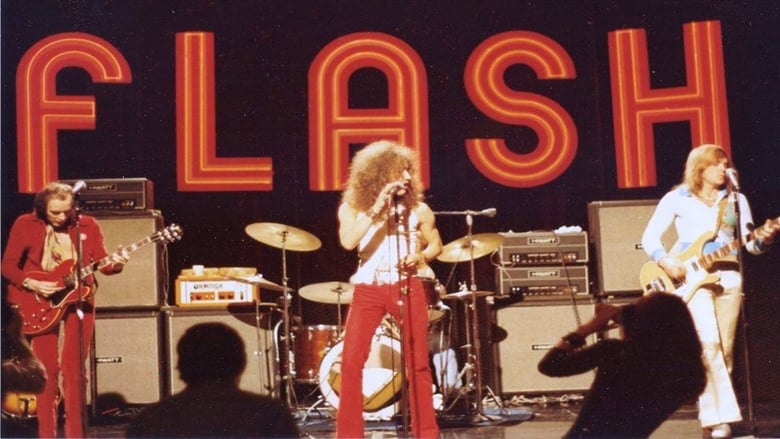
The Midnight Special is an American late-night musical variety series that aired on NBC during the 1970s and early 1980s, created and produced by Burt Sugarman. It premiered as a special on August 19, 1972, then began its run as a regular series on February 2, 1973; its last episode was on May 1, 1981. The ninety-minute program followed the Friday night edition of The Tonight Show Starring Johnny Carson. The show typically featured guest hosts, except for a period from July 1975 through March 1976 when singer Helen Reddy served as the regular host. Wolfman Jack served as the announcer and frequent guest host. The series also occasionally aired vintage footage of older acts. As the program neared the end of its run in the early 1980s, it began to frequently use lip-synched performances rather than live. The program also featured occasional comedic performances such as Richard Pryor and Andy Kaufman.
Classic Albums
A documentary series about pop and rock albums that are considered the best or most distinctive of a well-known band or musician or that exemplify a stage in the history of music.
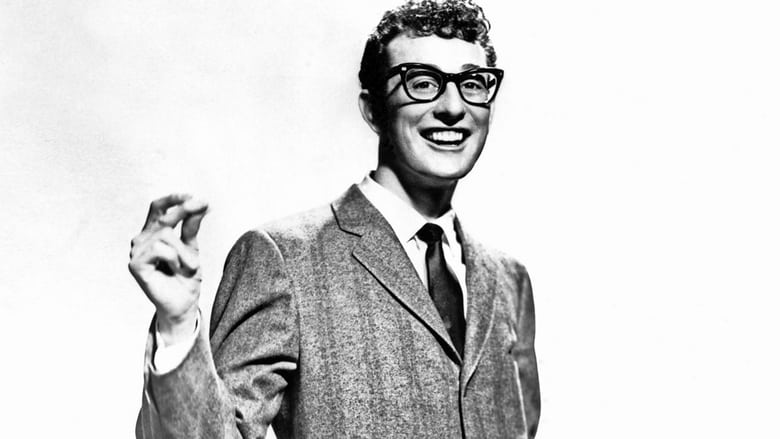
Buddy Holly: Rave On
Documentary following the life of rock 'n' roll legend Buddy Holly.
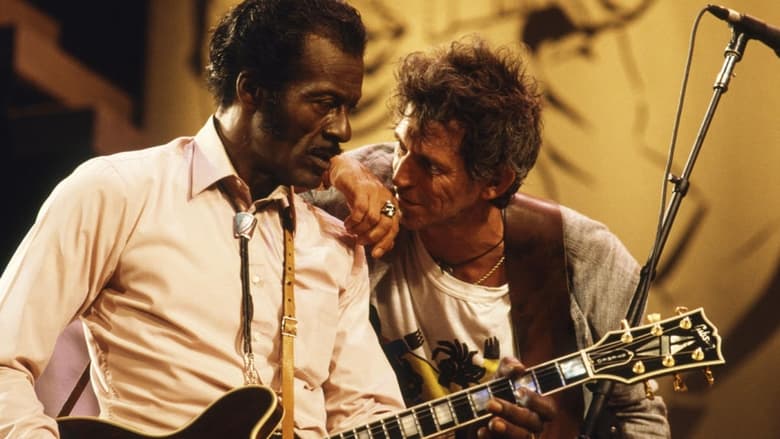
Chuck Berry: Hail! Hail! Rock 'n' Roll
St. Louis, 1986. For Chuck Berry's 60th, Keith Richards assembles a pickup band of Robert Cray, Joey Spampinato, Eric Clapton, himself and long-time Berry pianist, Johnnie Johnson. Joined on stage by Etta James, Linda Ronstadt and Julian Lennon, Berry performs his classic rock songs. His abilities as a composer, lyricist, singer, musician and entertainer are on display and, in behind-the-scenes interviews, are discussed by Bo Diddley, Little Richard, Jerry Lee Lewis, Bruce Springstein, the Everly Brothers, Roy Orbison and others. There's even a rarity for Berry—a rehearsal. Archival footage from the early 1950s and a duet with John Lennon round out this portrait of a master.
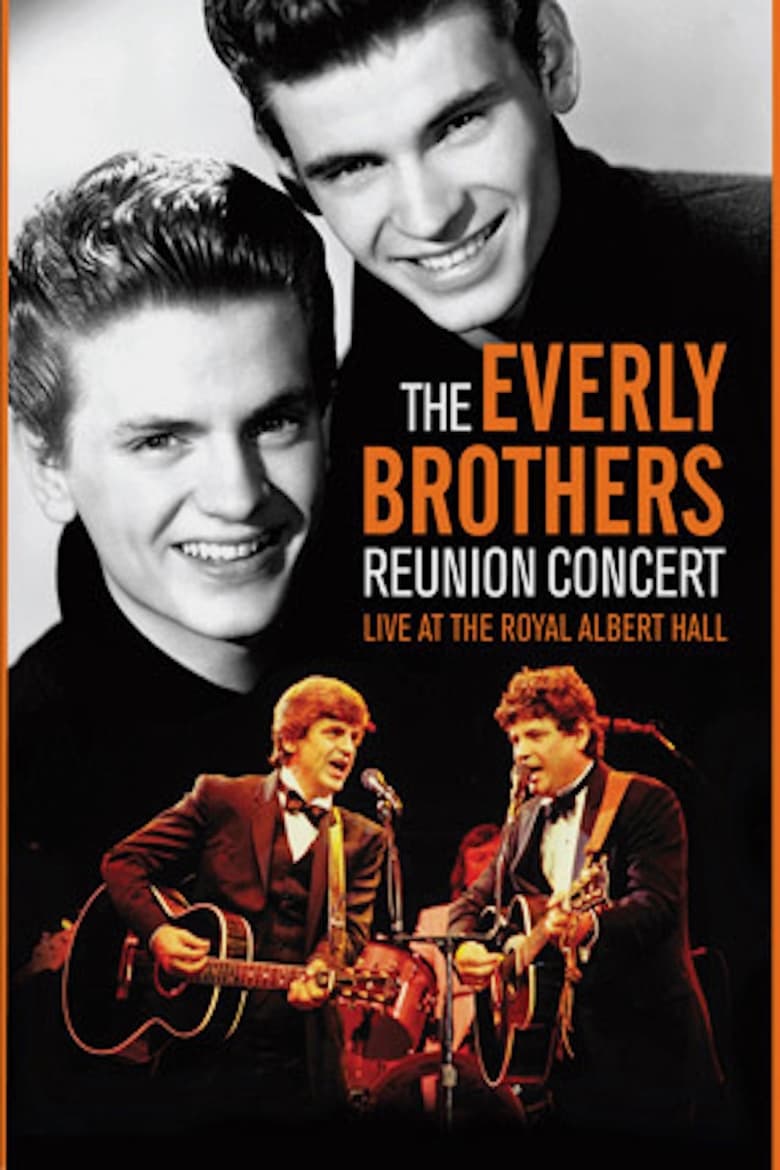
The Everly Brothers Reunion Concert
After years of separation, the two voices and acoustic guitars that laid the foundation for pop music were united again to harmonize in London's Royal Albert Hall as thousands of fans who flocked to the scene were joined by generations of musicians they inspired, from the Beatles to the Beach Boys. With an all-star band featuring keyboardist Pete Wingfield, guitartists Albert Lee and Martin Jenner and drummer Graham Jarvis, the Everly Brothers sing 20 of their greatest songs, proving originals are still the best. Songs: Claudette, Walk Right Back, Crying in the Rain, Cathy's Clown, Love Is Strange, When Will I Be Loved?, So Sad (To Watch Love Go Bad), Bird Dog, Be-Bop-a-Lula, Barbara Allen, A Long Time Gone, Step It Up and Go, Bye Bye Love, Wake Up Little Susie, Devoted to You, Love Hurts, ('Til) I Kissed You, All I Have to Do Is Dream, Lucille, Let It Be Me.
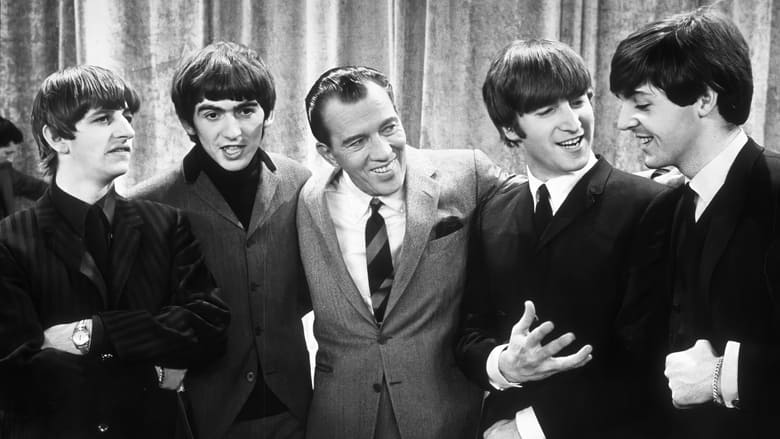
The Ed Sullivan Show
The Ed Sullivan Show is an American TV variety show that originally ran on CBS from Sunday June 20, 1948 to Sunday June 6, 1971, and was hosted by New York entertainment columnist Ed Sullivan. It was replaced in September 1971 by the CBS Sunday Night Movie, which ran only one season and was eventually replaced by other shows. In 2002, The Ed Sullivan Show was ranked #15 on TV Guide's 50 Greatest TV Shows of All Time.
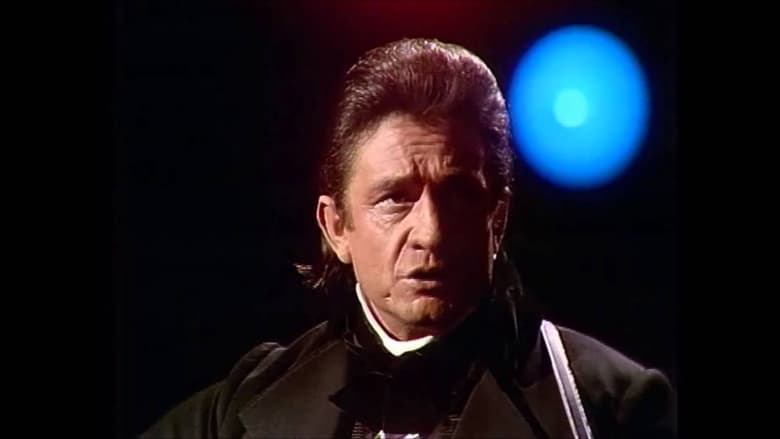
The Johnny Cash Show
The Johnny Cash Show was an American television music variety show hosted by Johnny Cash. The Screen Gems 58-episode series ran from June 7, 1969 to March 31, 1971 on ABC; it was taped at the Ryman Auditorium in Nashville, Tennessee. The show reached No. 17 in the Nielsen ratings in 1970. Cash opened each show, and its regulars included members of his touring troupe, June Carter Cash and the Carter Family, The Statler Brothers, Carl Perkins, and The Tennessee Three, with Australian-born musical director-arranger-conductor Bill Walker. The Statler Brothers performed brief comic interludes. It featured many folk-country musicians, such as Joni Mitchell, Bob Dylan, Linda Ronstadt, Kris Kristofferson, Mickey Newbury, Neil Young, Gordon Lightfoot, Merle Haggard, James Taylor and Tammy Wynette. It also featured other musicians such as jazz great Louis Armstrong, who died eight months after appearing on the show.
Filmography
as Self
as Self (archive footage)
as Self (archive footage)
as Self
as Self
as Self
as Self
as Self - Performer
as Self
as Self
as Self