
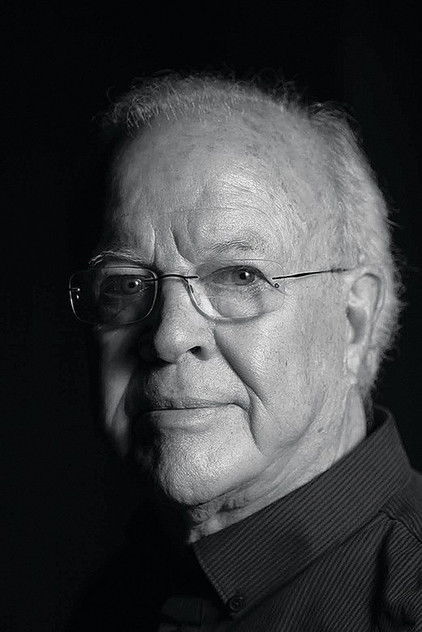
Douglas Trumbull
Visual Effects
Biography
From Wikipedia, the free encyclopedia. Douglas Huntley Trumbull (April 8, 1942, Los Angeles- 7th February 2022 ) is an American film director, special effects supervisor, and inventor. He contributed to, or was responsible for, the special photographic effects of 2001: A Space Odyssey, Close Encounters of the Third Kind, Star Trek: The Motion Picture and Blade Runner, and directed the movies Silent Running and Brainstorm. Description above from the Wikipedia article Douglas Trumbull licensed under CC-BY-SA, full list of contributors on Wikipedia.
Born: April 8, 1942
Place of Birth: Los Angeles, California, USA
Known For

Chesley Bonestell: A Brush with the Future
Long before satellites would journey to planets and deep-space telescopes would photograph distant galaxies, there was an artist whose dazzling visions of planets and stars would capture the imagination of all who beheld them. Before that, he was an architect working on projects like the Chrysler Building and the Golden Gate Bridge. He would later become a matte painter in Hollywood working on films like Citizen Kane and Destination Moon. Who was this remarkable man? His name was Chesley Bonestell (1888-1986). Chesley Bonestell’s mesmerizing depiction of “Saturn As Seen From Titan” became known as “the painting that launched a thousand careers.” Told by the many people who were influenced by Chesley Bonestell or knew him personally and punctuated with rare interview footage of the artist himself, the documentary compellingly chronicles the life of a quiet, artistic visionary, whose architecture and space art continue to inspire us to reach for the stars.
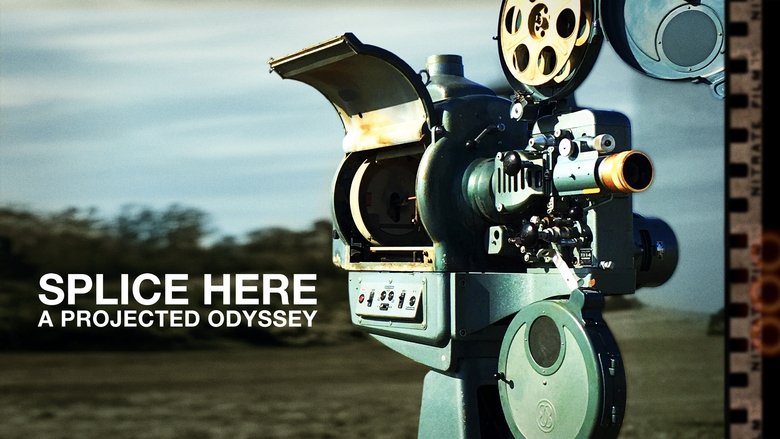
Splice Here: A Projected Odyssey
A 'cine-ramic' roller-coaster ride through the rise, fall and re-birth of projected film.

Dangerous Days: Making Blade Runner
The definitive 3½-hour documentary about the troubled creation and enduring legacy of the science fiction classic 'Blade Runner', culled from 80 interviews and hours of never-before-seen outtakes and lost footage.

Jodorowsky's Dune
In 1974, Chilean-French director Alejandro Jodorowsky embarked on the quixotic project of adapting Frank Herbert's influential novel Dune (1969) for the big screen. After investing two years, and millions of dollars, the gigantic project ended in failure; but the artists Jodorowsky brought together to carry it out continued to work together, and ended up laying the foundations for modern science fiction cinema.
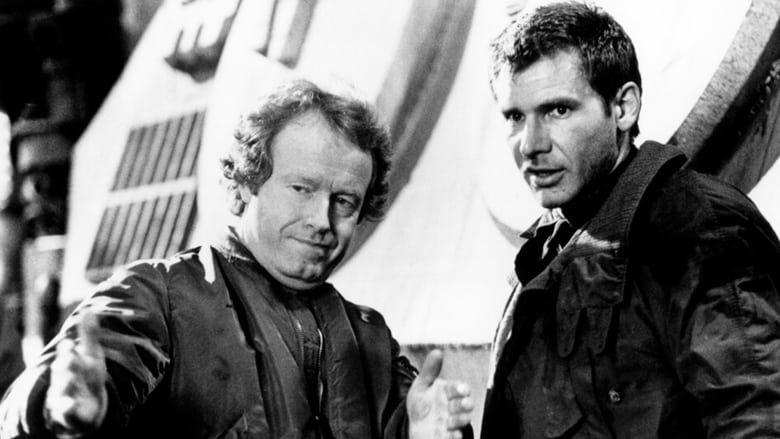
On the Edge of 'Blade Runner'
This is the rare UK Channel 4 documentary about Blade Runner, giving insights into it's history with interviews of Ridley Scott, the writers and nearly all the cast. Interviews with production staff, including Ridley, give details into the creative process and turmoil during preproduction. Stories from Paul M. Sammon and Fancher provide insight into Philip K. Dick and the origins of Do Androids Dream of Electric Sheep? Interweaved are cast interviews with the notable exceptions of Harrison Ford and Sean Young. Through these interviews we get a sense of how difficult and frustrating the film was to make as a result of an exacting director without allies and hot, wet, smoggy conditions; which added to the high pressure atmosphere everyone increasingly felt as the film went over budget. There is also a tour of some locations, most notably the Bradbury Building and the Warner Brothers backlot that was the LA 2019 streets, which look very different from Ridley's dark version.
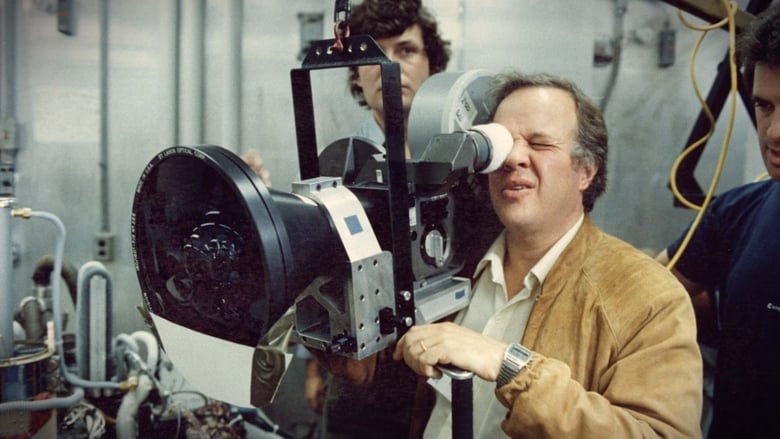
Trumbull Land
Everyone has seen a Trumbull sequence in Stanley Kubrick's "2001 A Space Odyssey", Ridley Scott's "Blade Runner" or Steven Spielberg's "Close Encounters of the Third Kind". Recognized and respected SFX maestro, he has also directed two full-length films which left their mark on sci-fi cinema: "Silent Running" and "Brainstorm". Today, at over 70, Trumbull-the-pioneer continues his quest for innovation and still dreams of a cinema which places spectators into the film. "Trumbull Land" is an immersive portrait of Douglas Trumbull in his studios and a diving headfirst in his cinema.
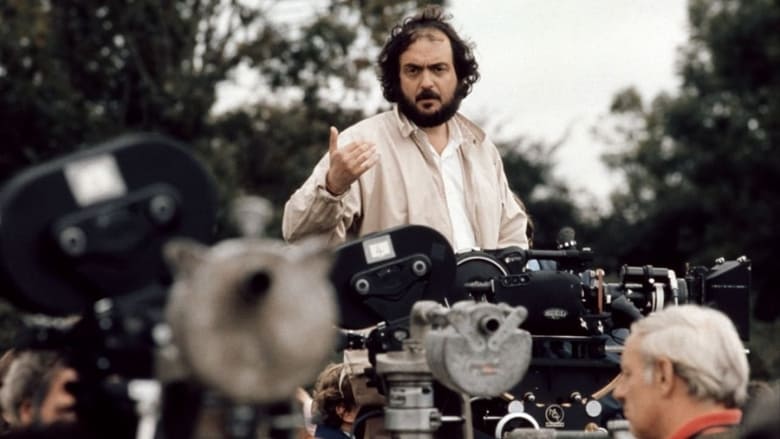
Stanley Kubrick: A Life in Pictures
With commentary from Hollywood stars, outtakes from his movies and footage from his youth, this documentary looks at Stanley Kubrick's life and films. Director Jan Harlan, Kubrick's brother-in-law and sometime collaborator, interviews heavyweights like Jack Nicholson, Woody Allen and Sydney Pollack, who explain the influence of Kubrick classics like "Dr. Strangelove" and "2001: A Space Odyssey," and how he absorbed visual clues from disposable culture such as television commercials.

The Alien Perspective
Discover the UFO phenomenon like never before, with insights from NASA, CNES, Oxford, compelling firsthand witnesses, and even the possible viewpoint of extraterrestrial visitors.
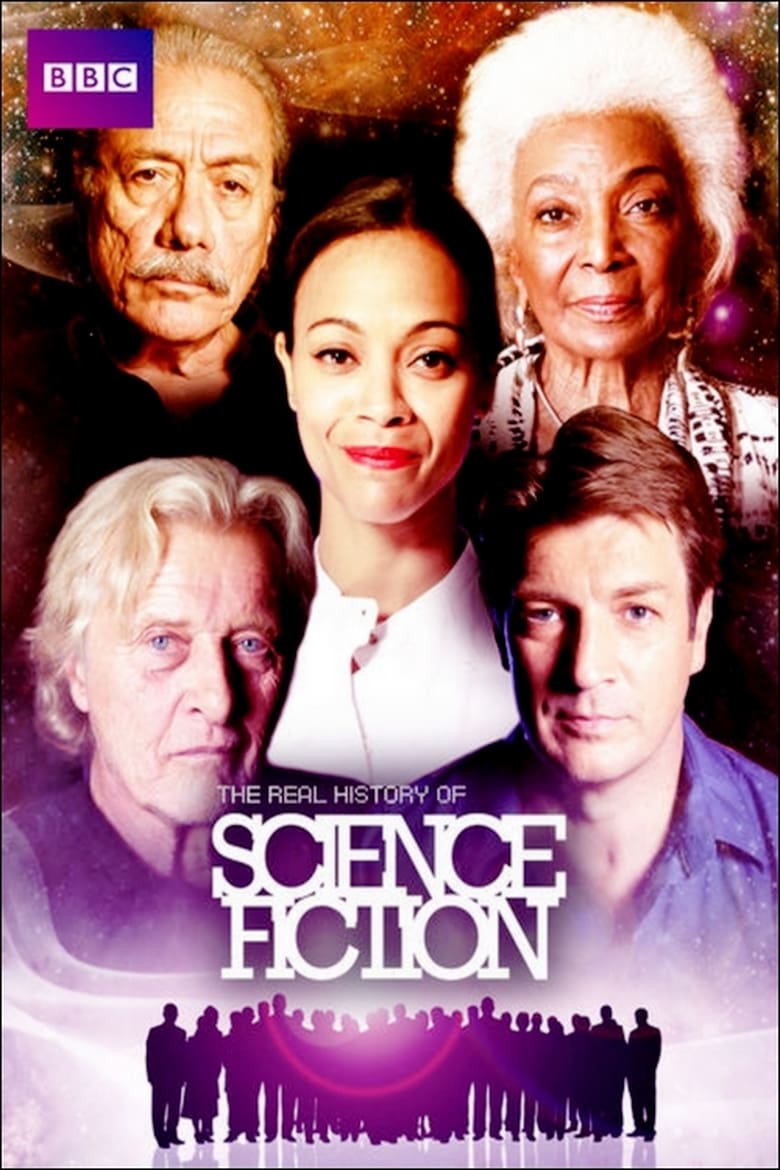
The Real History of Science Fiction
The series heads to the very frontiers of space and science to produce the definitive television history of science fiction, told through its impact on cinema, television and literature, with the help of filmmakers, writers, actors, and graphic artists. Each episode will explore one of the enduring themes of science fiction: time travel; the exploration of space; robots and artificial intelligence; and aliens.

The Blade Runner Phenomenon
Ridley Scott's cult film Blade Runner, based on a novel by Philip K. Dick and released in 1982, is one of the most influential science fiction films ever made. Its depiction of Los Angeles in the year 2019 is oppressively prophetic: climate catastrophe, increasing public surveillance, powerful monopolistic corporations, highly evolved artificial intelligence; a fantastic vision of the future world that has become a frightening reality.
Filmography
as Self - Interviewee
as Self - Visual Effects Supervisor (1982)
as Self
as Self - V/FX Artist (archive footage)
as Self (as Doug Trumbull)
as Self
as Self