
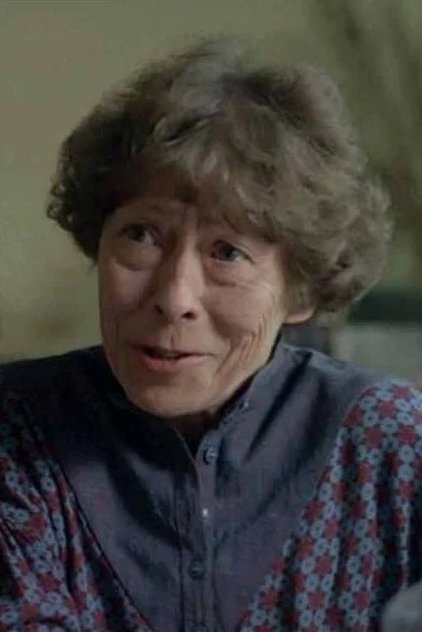
Elżbieta Kilarska
Acting
Biography
No biography available for Elżbieta Kilarska.
Born: October 8, 1931
Place of Birth: Warsaw, Poland
Known For
Dekalog
Dekalog (pronounced [dɛˈkalɔk]) is a 1989 Polish drama television miniseries directed by Krzysztof Kieślowski and co-written by Kieślowski with Krzysztof Piesiewicz, with music by Zbigniew Preisner. It consists of ten one-hour films, inspired by the decalogue of the Ten Commandments for thematic inspiration and an overarching structure, grapple deftly with complex moral and existential questions concerning life, death, love, hate, truth, and the passage of time. Each installment explores characters facing one or several moral or ethical dilemmas as they reside in an austere housing project in 1980s Poland, whose lives become subtly intertwined as they face emotional dilemmas that are at once deeply personal and universally human.

Decalogue IV
A father and daughter, Michał and Anka, have a unique intimacy, which the college-aged Anka is beginning to feel conflicted about. When she finds an unopened letter from her deceased mother, it seems to justify her attraction to Michał, who may not in fact be her father.
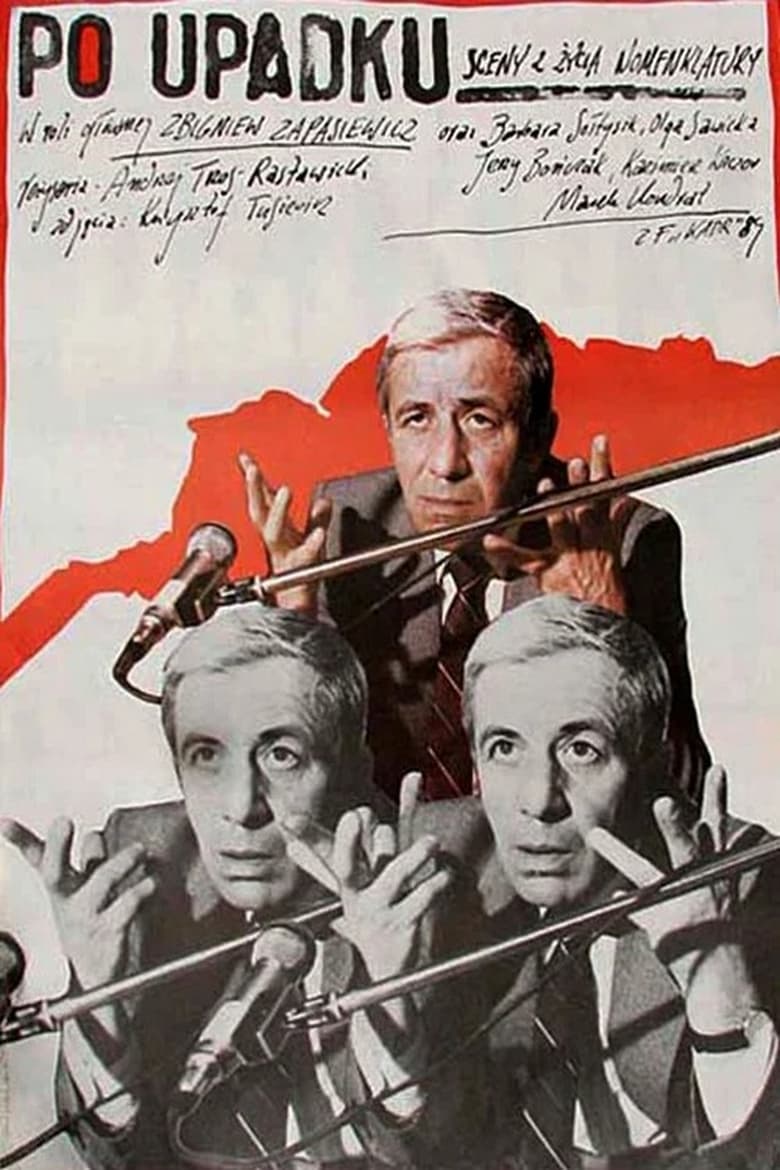
Po upadku
A story of high-ranking party members from the 1970s embroiled in political deception.
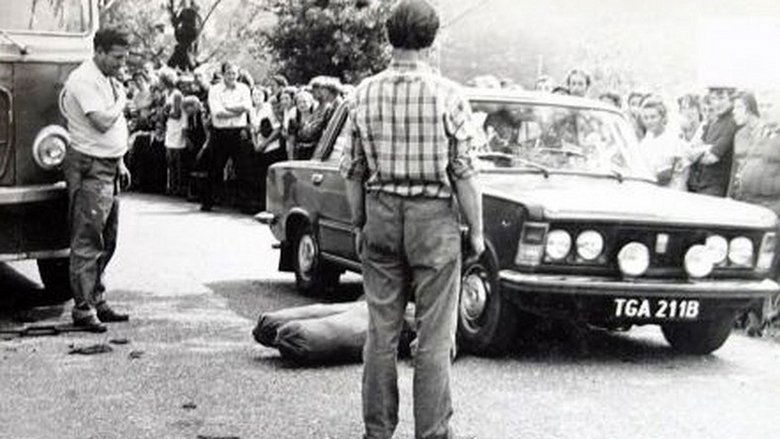
Zmowa
Christmas Eve night of 1976. In a village in the newly formed Tarnobrzeg province, a local bus hits a young married couple and a twelve-year-old boy. In the presence of numerous witnesses, the victims are beaten to death with a wheel wrench. In the aftermath of this crime, all the villagers are united by a conspiracy of silence. The dramatic scenario is freely based on the authentic case of the shocking 1976 Polanieck case.

Ekipa
Ekipa is a Polish political drama TV series created and directed by Agnieszka Holland, aired from 13 September 2007 until 6 December 2007 on Polsat. Ekipa is the second Polish political fiction series after the 1980s miniseries The Career of Nicodemus Dyzma.
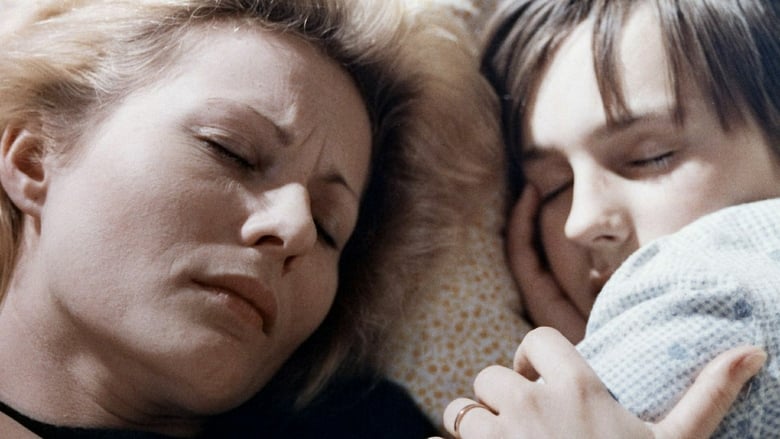
No End
1982, Poland. A translator loses her husband and becomes a victim of her own sorrow. She looks to sex, to her son, to law, and to hypnotism when she has nothing else in this time of martial law when Solidarity was banned.

Glina
A tough, stubborn and devoid of illusions cop in a story of love, hatred, death and human emotions, so strong that they push people to crime.

Squadron
A young Russian aristocrat, Baron Fyodor Jeremin, volunteers to serve with a Dragon squadron to impress the girl who rejected his love. Just at this time the 1863 insurrection explodes in Poland. He enlists to serve in the army being sent to suppress the revolt. He believes that now it's enough to defeat the Poles, become an officer and hero, get a bunch of medals, and then return and lay all of this at the feet of her beloved. However, the "little Polish war" looks completely different to the way that young Jeremin imagined it to be. In course of time, he learns to be on the wrong side. But there is no escape - he must kill or he will be killed. What's more, he falls in love with a beautiful Polish girl...

Strawberry Wine
This is not a love story though it is full of love. It is not a comedy though the characters often say funny things. It is not a detective story even though the hero is trying to solve a murder. It is not a nature drama though it shows the splendid colours and customs of the countryside. It is not a musical though Lubica expresses her longing in a passionate dance. Nor is it a film about ghosts though a ghost does ask the hero for a favour. A few draughts of Strawberry Wine are enough to take us into a magical world in the true centre of Europe, where love, crime and penitence are just as much a part of life as the changing of the seasons, the migration of birds or the flowing of a mountain stream.

Boża podszewka. Część druga
Filmography
as Older woman
as zakładniczka skinów
as Niemka w opuszczonym mieszkaniu
as Wasiak's Neighbor
as baba
as pisarka na budowie
as Jarek's Mother
as Jarek's Mother
as Blacharzowa
as Antek's Mother