
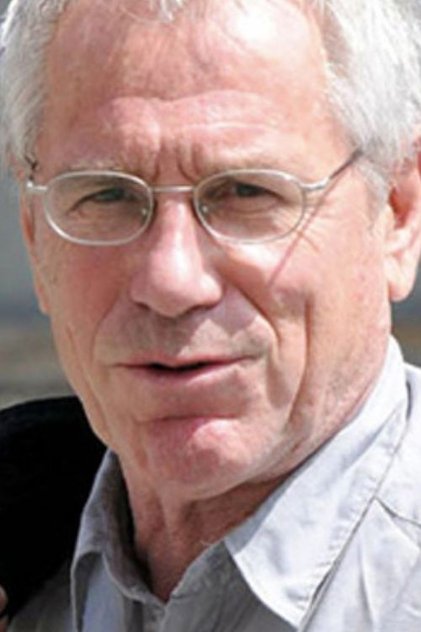
Želimir Žilnik
Directing
Biography
Želimir Žilnik is a Serbian film director and one of the major figures of the Yugoslav Black Wave. He is noted for his socially engaging style and criticism of censorship that was commonplace during the Yugoslav communist era. Subsequently, following the abolition of communist one-party system, he was an outspoken critic of Slobodan Milošević-led regime in Serbia.
Born: September 8, 1942
Place of Birth: Nis, Serbia, Yugoslavia
Known For

Alpe-Adria Underground!
Between 2013 and 2023, Slovenian Cinematheque preserved and digitized 179 short films created on a tiny stretch of land between the Alps and the Adriatic Sea in the period of socialism (1945-1991), but mostly outside the prevailing state production. Today, we belatedly recognize these films as experimental and as an important, innovative part of the Slovenian film heritage, visible again for the first time after decades. The production of Alpe-Adria Underground! has radically accelerated efforts to preserve, digitize and restore this segment of Slovenian cinema.
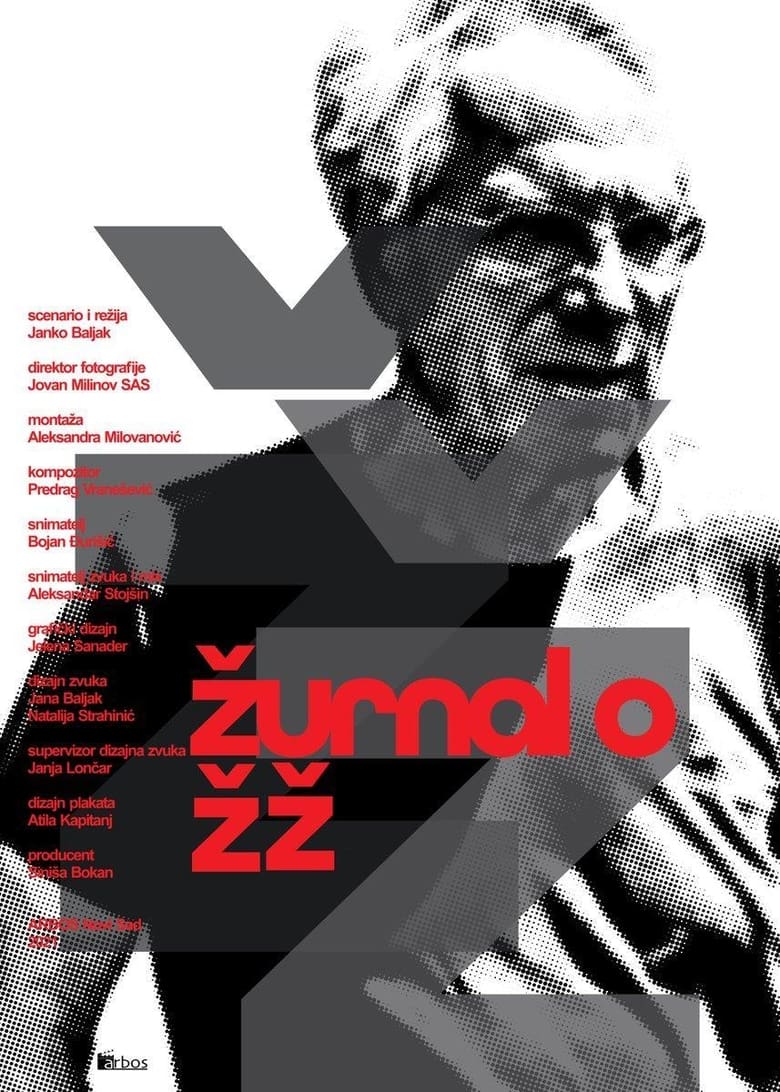
ŽŽŽ: Journal About Želimir Žilnik
Road movie documentary through half a century of filmography by Želimir Žilnik. But also a journey through the history of Yugoslavia, a country that no longer exists. With the specific style of docudrama that he built over the years, Zilnik managed to stay engaged and brave, but above all free, by making low-budget films for decades. We follow the efforts of his team to finish the film "Freedom or Comics", which was seized by censorship 50 years ago, and which was recently accidentally found. The story of an uninterrupted struggle for disenfranchised social and minority groups who are constantly the main heroes of Žilnik's films.

Censored without Censorship
Through the conversation with Yugoslav film authors and excerpts from their films, this documentary film tells a story of a film phenomenon and censorship, and its focus is, in fact, a painful epoch of Yugoslav film called “a Black Wave”, which was the most important and artistically strongest period of Yugoslav film industry, created in the sixties and buried in the early seventies by means of ideological and political decisions. The film tells a great “thriller” story of the ideological madness which characterised the totalitarian psychology having left multiple consequences felt up to our very days. It stresses similarities between totalitarian regimes defending their taboos on the example of the persecution of the most important Yugoslav film authors. Those film authors have, however, made world careers and inspired many later authors. The film is the beginning of a debt pay-off to the most significant Yugoslav film authors.

Warm Film
Two young actors are exploring the topic of representation of LGBTI people through the history of Yugoslav cinema and social circumstances that have resulted in different treatment of these characters.

Taiwan Canasta
A frustrated and unemployed architect experiences flashbacks of his youth and 1968 protests while the life passes by. Unable to adapt and to accept the reality, he’s constantly getting into conflicts with the people around him.
Black Film
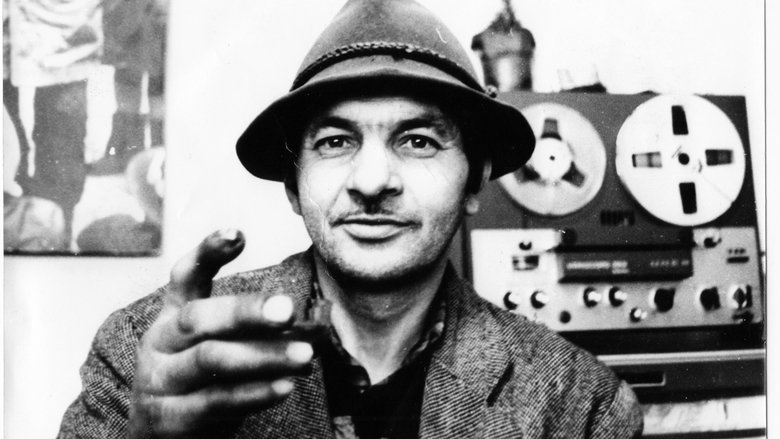
Director invites six homeless men to his flat for a few days (surprising his wife). He asks officials and people on the street if someone can help them, this being SFRJ, a state officially without those left on their own.

Ideal 68
On June 3, 1968, student protests began in the Socialist Federal Republic of Yugoslavia, the first major conflict with the then communist establishment. In Belgrade, Sarajevo, Zagreb and Ljubljana, students demanded more socialism, the fight against corruption and a better state.
As One
Two young men from Eastern Europe take a pilgrimage to Santiago, Spain. Upon arrival at one of the most northwestern points of Europe, the south-easterners find themselves foreign both to the identity of their surroundings, as well as to their own. Without realizing it, they embark on a pilgrim-esque exploration of their own identities and the religiously-spiritual and nationally-sexual differences between them.
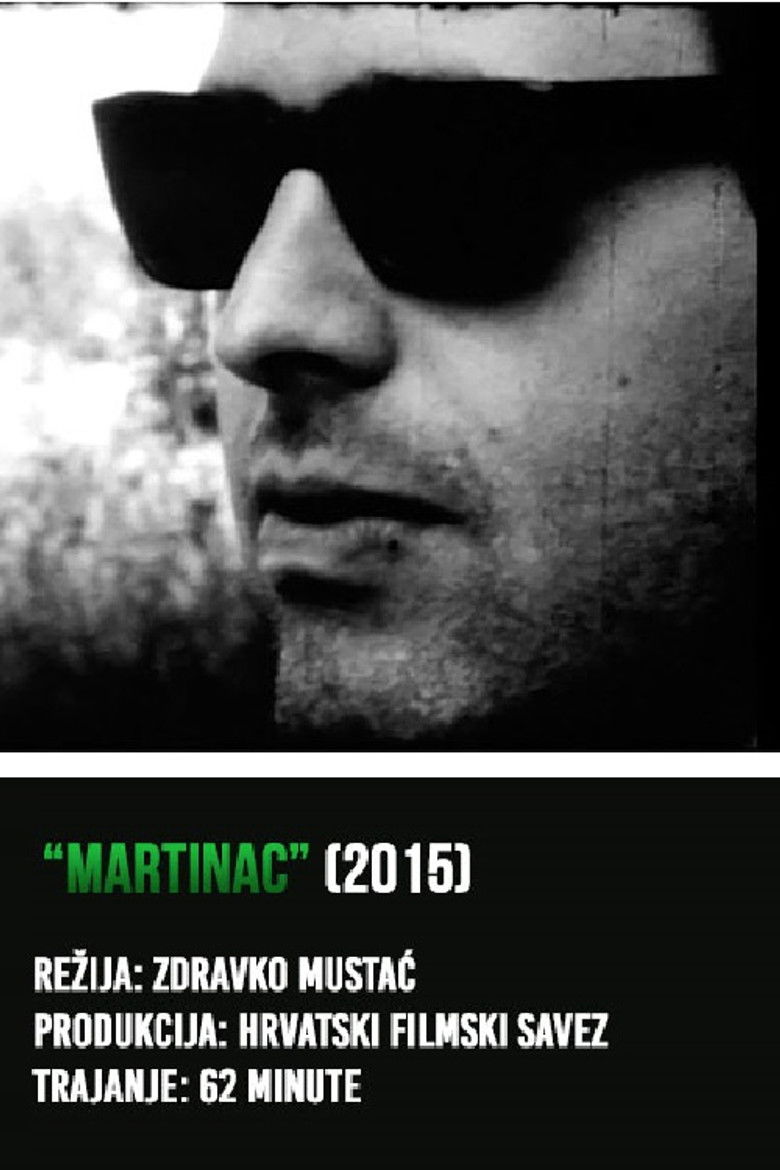
Martinac
Documentary about the life and work of Ivan Martinac (1938-2005), avant-garde & experimentalist filmmaker from Split, Croatia.

Pirika on Film
Pirika travels to Berlin to visit her daughter Dobrila and her grandchildren, whom she's never seen. Dobrila, a lesbian, avoids her mother, however, because she doesn't want to tell her the full truth about her children. Everything is resolved at a German film retrospective, where Pirika plays the role of her life. A docudrama about the autumn of life of one of the leading protagonists of Zilnik's film Early Works.
Filmography
as Himself
as Himself
as Želimir Žilnik
as Himself
as Himself
as Himself
as Himself
as Himself
as Građevinski inspektor 2
as Himself