

Ellen Winther Lembourn
Acting
Biography
Ellen Winther Lembourn (née Sørensen; 11 August 1933, Århus – 13 August 2011) was a Danish opera singer, best known internationally for her participation in the 1962 Eurovision Song Contest.
Born: August 11, 1933
Place of Birth: Århus, Denmark
Known For
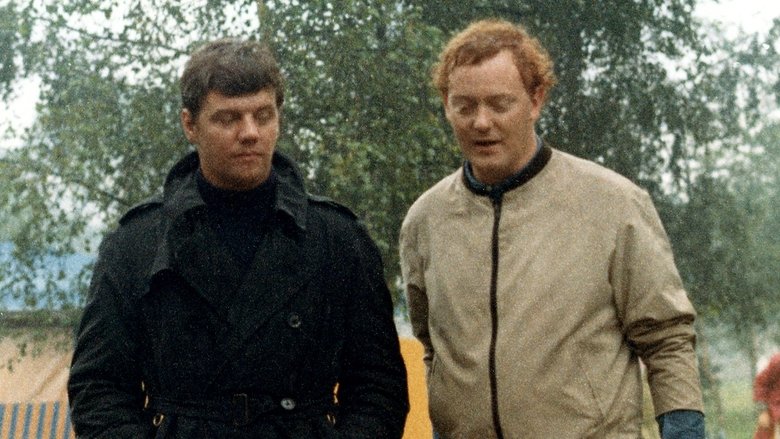
I den grønne skov
"Modern vaudeville," where the entire story takes place at Dyrehavsbakken. In an impressionistic style, it tells the story of the waiter Mowitz, who ponders whether he loves the singer Myrna and what true love really is. He ponders too long; Myrna instead becomes engaged to the pianist Bertram, who can get her into the Circus Revue. Mowitz also takes too long to discover the singer Lillian's interest, so his friend Max snatches her up instead, while Mowitz can continue his search for the one and only.
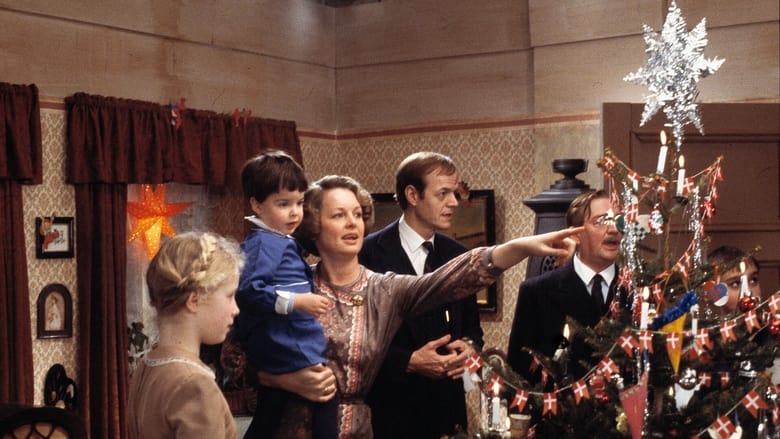
Matador
Matador is a Danish TV series produced and shown between 1978 and 1982. It is set in the fictional Danish town of Korsbæk between 1929 and 1947. It follows the lives of a range of characters from across the social spectrum, focusing specifically on the rivalry between the families of two businessmen: The banker Hans Christian Varnæs, an established local worthy, and social climber Mads Skjern, who arrives in town as the series opens. The name Matador was taken from the localised edition of the boardgame Monopoly, also the series' tentative English title. In addition, in contemporary Danish a "matador" is often used to describe a business tycoon, in the series referring to the character of Mads Skjern and his craftiness as a self-made entrepreneur. Directed by famed Danish film maker Erik Balling, Matador was the idea of author Lise Nørgaard who wrote the bulk of the episodes alongside Karen Smith, Jens Louis Petersen and Paul Hammerich. The series is one of the most well-known and popular examples of Danish television and represents the peak of longtime development of Danish TV drama by the public service channel Danmarks Radio. The series has become part of the modern self-understanding of Danes, partly because of its successful mix of melodrama and a distinct warm Danish humour in the depiction of characters, which were portrayed by a wide range of the most popular Danish actors at the time; but also not least because of its accurate portrayal of a turbulent Denmark from around the start of the Great Depression and through Nazi Germany's occupation of Denmark in World War II.
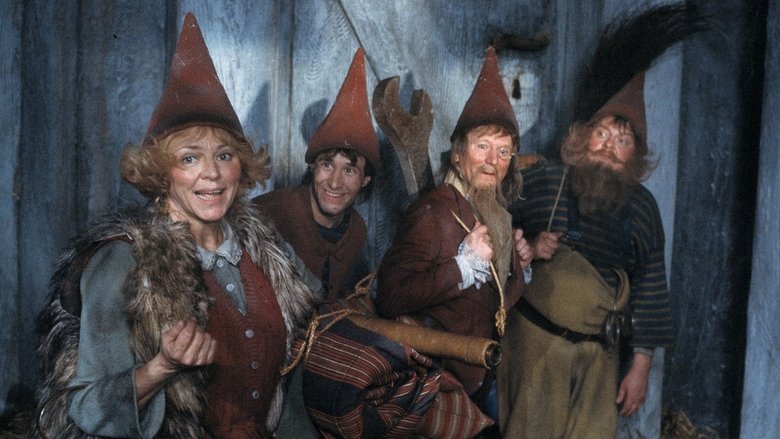
Jul på slottet

In the Middle of the Night
Benny and Arnold are homeless and along with others living on Nørrebro in Copenhagen. The police is set to clear the building they squat in, but on the night of the forced eviction, local acid head Spacy jumps from the sixth floor.
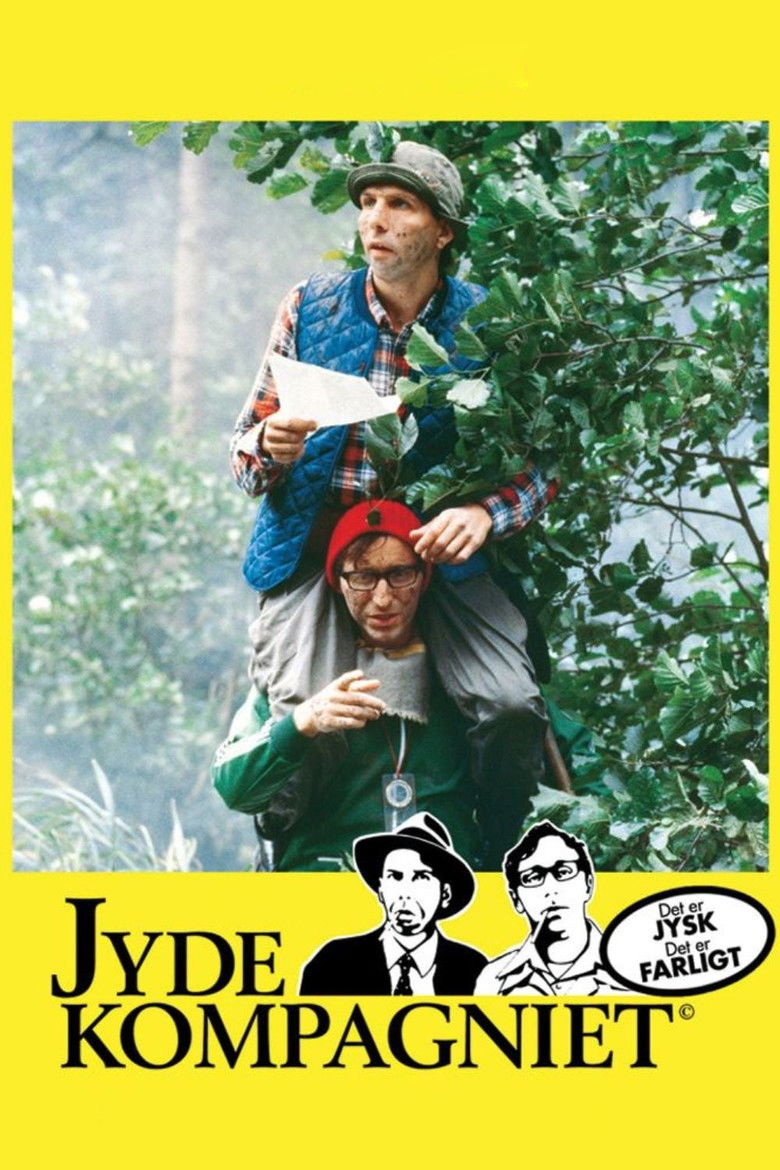
The Jut-Nuts I
Jacob and Finn establish their own private detective agency at a car-wrecking dump, then set out to ensnare clients. Once they have one, they proceed to make a hopeless mess out of everything for everybody. They remain, of course, blissfully unaware of their own ineptitude.
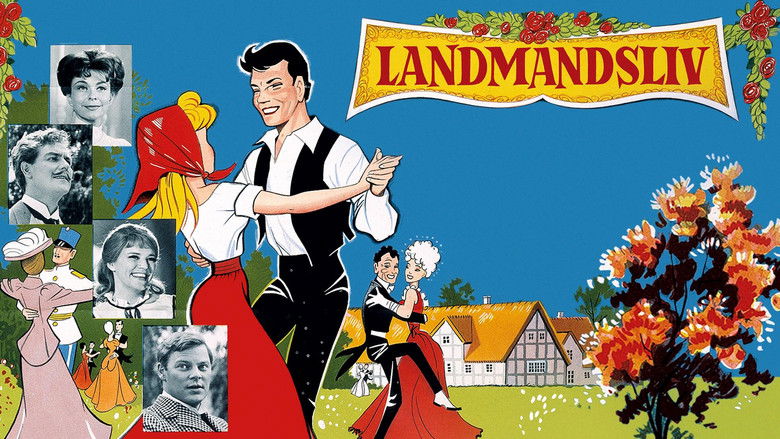
Landmandsliv
The landowner couple Von Rambow are experiencing significant financial difficulties and are therefore forced to leave their residence and their happy life in Copenhagen. Instead, they must settle for the more down-to-earth life of farmers. The young maiden Marie Møller is deeply in love with Von Rambow's cousin Count Frantz, but he prefers the estate inspector's beautiful Louise. The unfortunate Triddelfitz, on the other hand, is madly in love with Marie Møller, which leads to many complications before all the pieces of the puzzle of love fall into place.
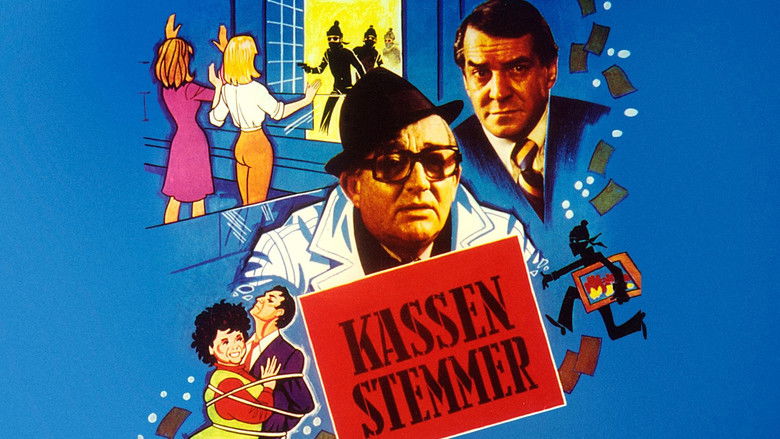
Kassen stemmer
Three young men discover a scam that three somewhat older gentlemen from Aarhus' upper class have set up to avoid bankruptcy. The gentlemen directors have both accounts and safe deposit boxes at the bank branch where one of the young men works, so it seems only natural to give the swindlers a taste of their own medicine, so to speak. The situation is further complicated when a journalist gets wind of the double heist and wants his share of the pie.
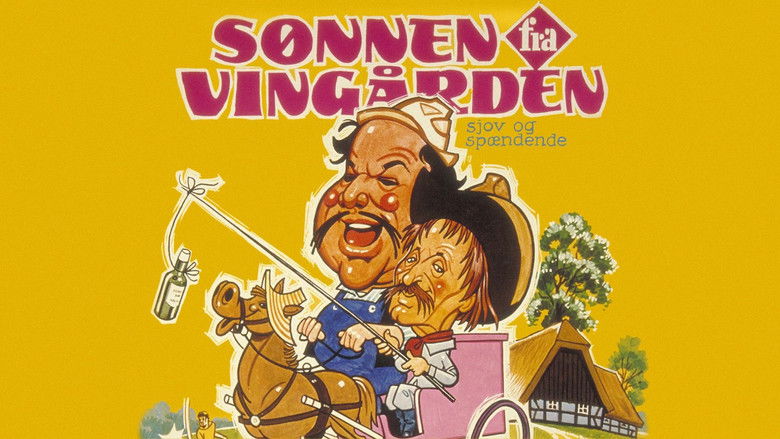
The Son from Vingaarden
The vineyard is facing demolition. It has been 30 years since Uncle Olsen died, and after 30 years, the farm must be sold if no one in the Martin family wants to buy it. When a Danish-American arrives in the small town, Jacobsen sends Nicoline to investigate the stranger's room. Erik Hein, born Martin, tries to buy the vineyard but is prevented from doing so. Instead, he buys Sophienberg. Many years ago, Erik's father signed a confession of embezzlement against the vineyard. Erik believes in his father's innocence and gets help from some of the town's righteous residents to prove his father's innocence.
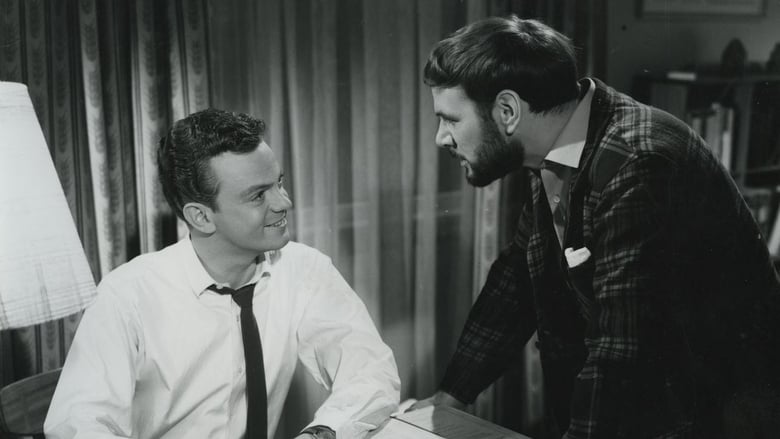
De sjove aar
Outside the large hotel, there is a lot of activity. It is teeming with foreigners, buses arrive and depart, and indoors the air is filled with foreign languages. But if you look more closely, you will discover that the doorman, hotel porter, waitresses, and waiters are not "real" hotel staff at all, but just students who take on extra jobs in the summer to earn money for their studies and who live in the "hotel" themselves in the winter, which is actually a student dormitory called "Egmont."
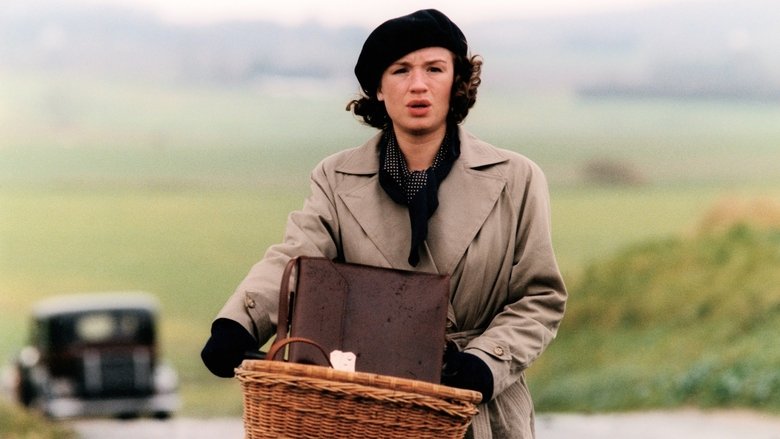
Just a Girl
PUK SCHARBAU plays Lise Nørgaard in the epic film adaptation of her fascinating life story. In a chronicle of both love and war, masterfully directed by Peter Schroeder, we follow the woman who would later give us 'Matador', from her early childhood to her controversial career as a journalist with a Denmark of yesterday, and a Europe in flames as convincing backdrop.
Filmography
as Fru Bang-Bendix
as Trisse
as Gerda
as Minna Varnæs
as Self
as Dame #2
as Grethe Martin
as Sangerinde
as Louise Havermann
as Else