

Elsa Dreisig
Acting
Biography
No biography available for Elsa Dreisig.
Born: January 1, 1991
Place of Birth: Paris,France
Known For
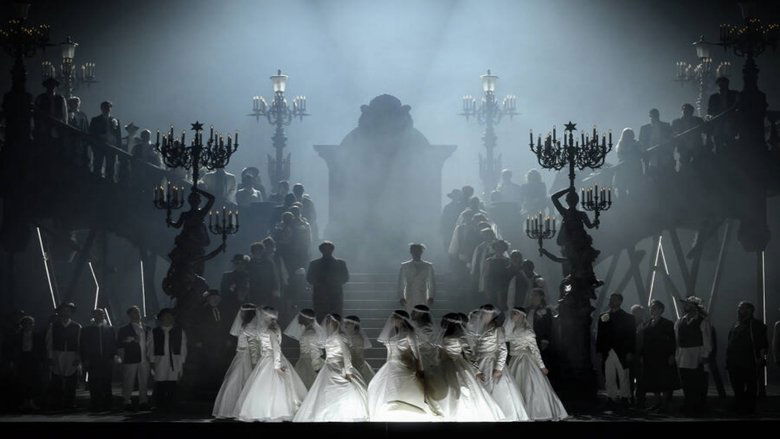
Roméo et Juliette (Opéra Bastille)

Don Giovanni - Palais Garnier - from June 8 to July 13, 2019
What is this flame that compels Don Giovanni to seduce, subjugate and conquer women one after the other, with the fervour and cold indifference of a predator securing his prey; to pursue through his conquests some obscure and ever‑elusive objective? For his second collaboration with Da Ponte, Mozart was to brand the history of opera with a hot iron and forever haunt European culture. In this Libertine Punished, Kierkegaard invites us to hear “the whisperings of temptation, the whirlwind of seduction, the silence of the moment”. The Mozart-Da Ponte cycle continues with a Don Giovanni entrusted to director Ivo Van Hove. In the wake of Boris Godunov, the director, accustomed to examining the political meaning of works, presents his second production for the Paris Opera.

Manon - Staatsoper Hamburg
A nunnery or love? Love or money? Money or death? – On her way to the monastery, the young Manon is wooed by men. When Chevalier Des Grieux turns up, they fall in love and decide to escape. They live in Paris, money is scarce, family honour injured. And so Manon agrees to have Des Grieux abducted at his father's command, and begins a new life with a rich man. While she lives in the lap of luxury, in his pain Des Grieux decides to take holy orders. Manon learns of this and is able to change his mind. Again they live together: their love is enormous, money is scarce, and luxury and the casino beckon. Accused of cheating at cards, they are arrested; Des Grieux is released, but Manon is sentenced to a women's prison. Money is supposed to save her, but already she is too weak ... Recording of the premiere on January 24, 2021 from the State Opera Hamburg.
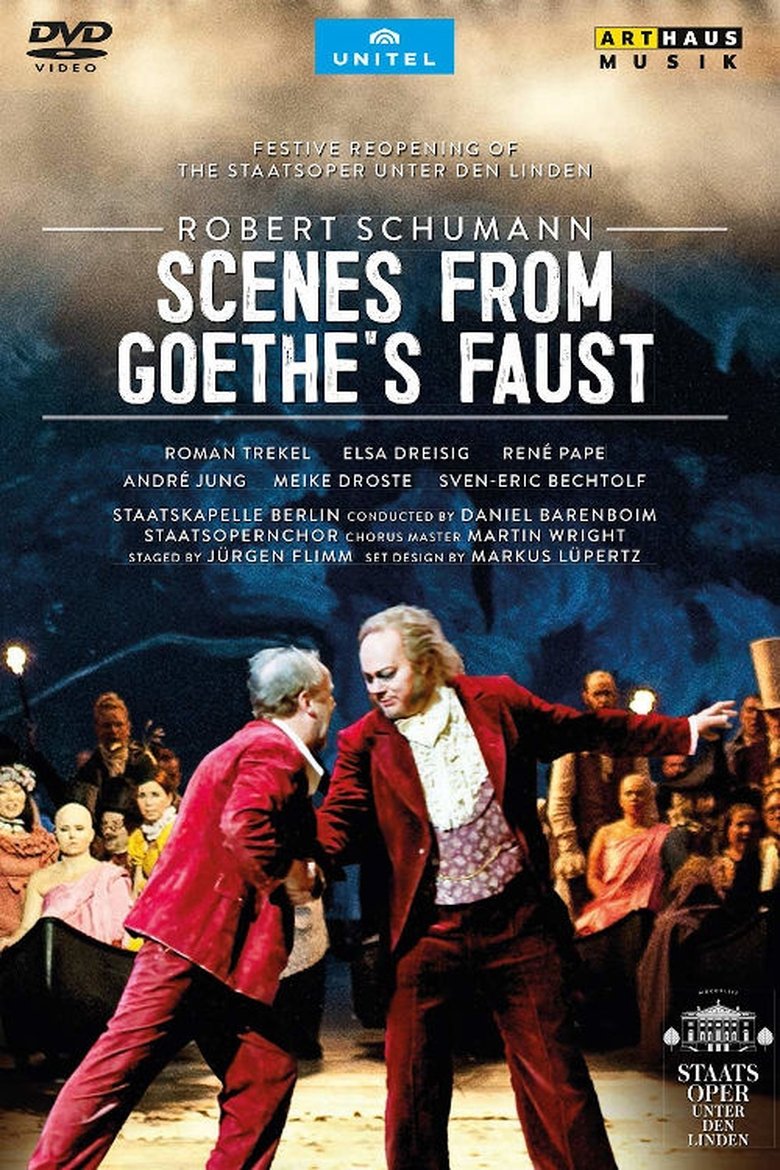
Schumann - Scenes from Goethe's Faust
The Berlin State Opera is back at its place of origin: Unter den Linden! After extensive renovations, it was reopened with Schumann's scenes from Goethe's Faust under the direction of Daniel Barenboim. Staged by Jürgen Flimm and with the stage design by the renowned German artist Markus Lüpertz

Carmen (Festival d'Aix-en-Provence)
Boldly rewriting the opera’s dialogue to accommodate his concept, Mr. Tcherniakov presents “Carmen” as a large-scale role-play, a novel bit of psychotherapy for a numb modern man.
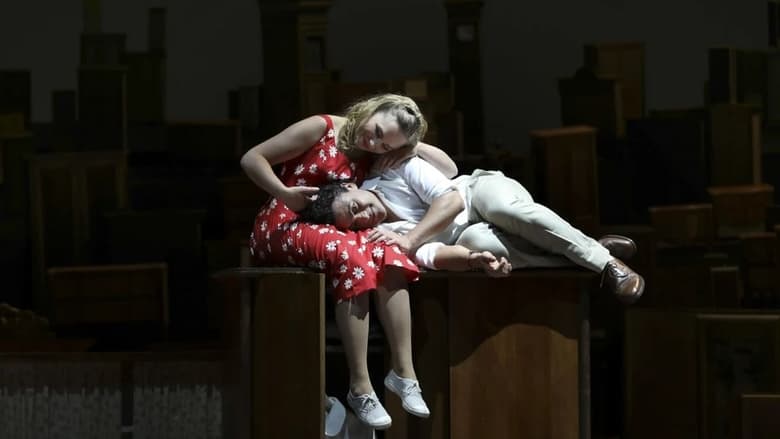
Puccini: Gianni Schicchi
Weary of tragic subjects, for the final part of Il Trittico Puccini composed a grand confidence trick orchestrated by a falsifier willing to do anything to gain wealth. Including bringing back the dead!
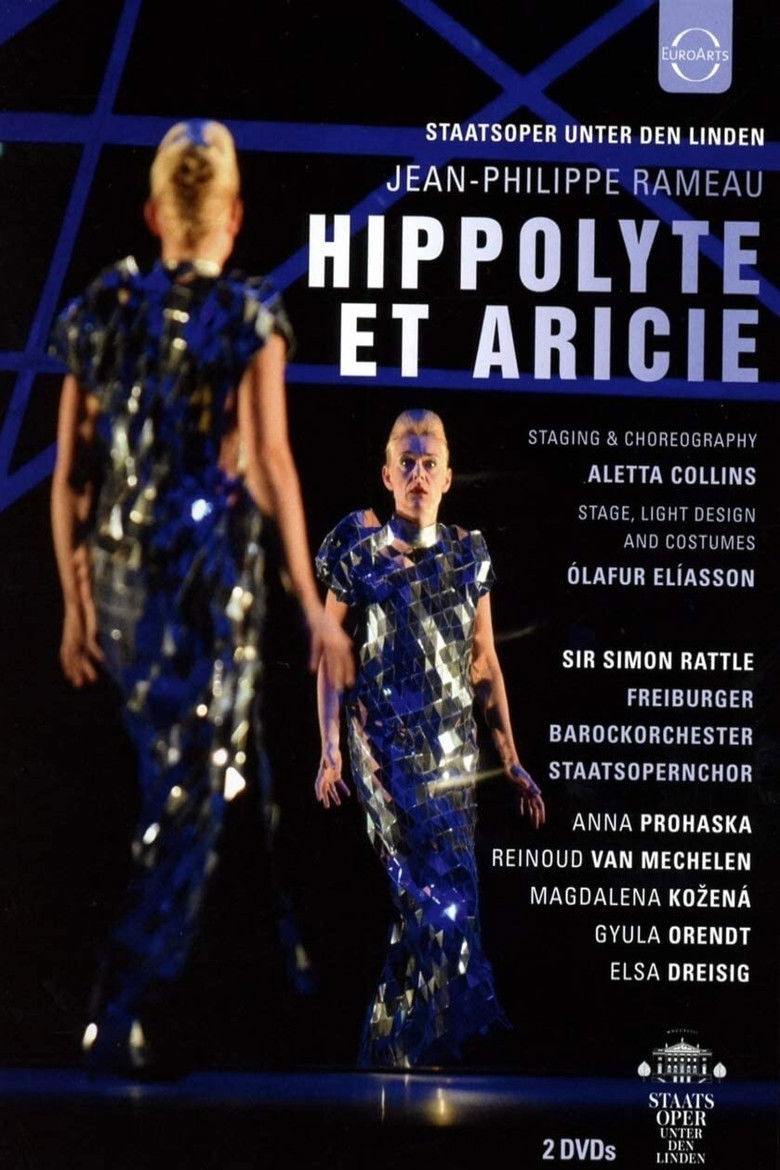
Hippolyte et Aricie
Staatsoper Berlin’s new production of Rameau’s tragédie lyrique, directed by Alletta Collins; featuring costumes, sets and lighting designed by Ólafur Eliasson; and musical direction by Simon Rattle, who makes his debut with the Freiburg Baroque Orchestra.
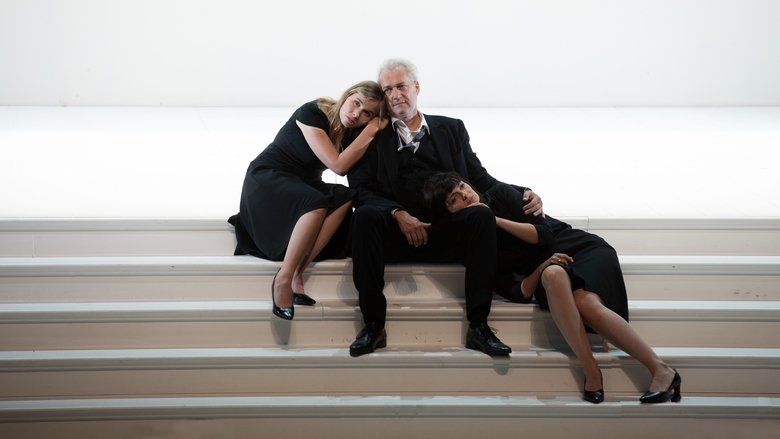
Così fan tutte - Salzburger Festspiele 2020
As Christof Loy put it: Così fan tutte invites us to embrace the complexity of life and face the future with heads held high. In his staging of the version he abridged with Joana Mallwitz for the Salzburg Festival 2020 the focus is wholly on the figures and the subtle choreography of their emotional states — in a space that like a magnifying glass exposes the intricate mechanisms between the characters. In this way the production leads the protagonists and the audience to experience the ‘serene calm’ that can perhaps indeed cure our own ‘distempers’.
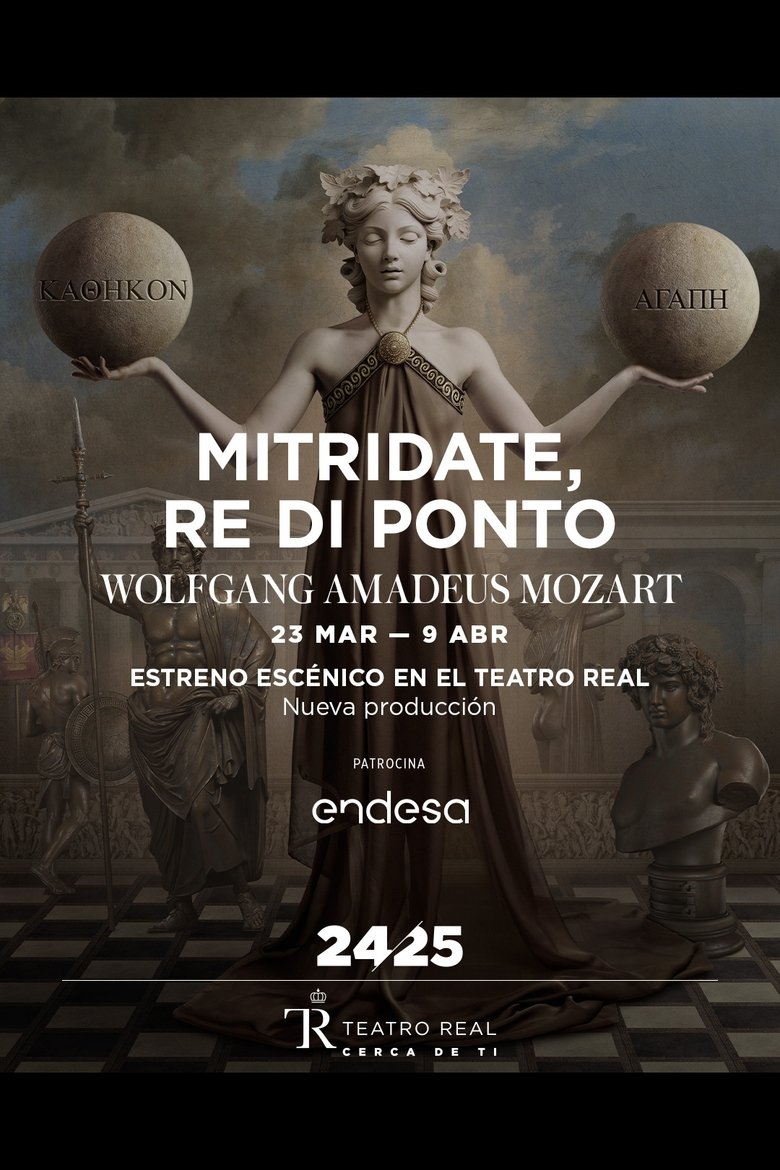
Mitridate, re di Ponto
King Mitridate has left his empire in the care of his sons Sifare and Farnace while he is away at war. Deceived by a rumour of his father's death, Farnace declares his love to the King's betrothed, Aspasia. She seeks the protection of Sifare. Mitridate returns with Ismene as a bride for Farnace. When he hears of Farnace’s guilt, he determines to kill him. Will the ensuing intrigue of rivalry - in love and in politics - wind its way to a happy end?
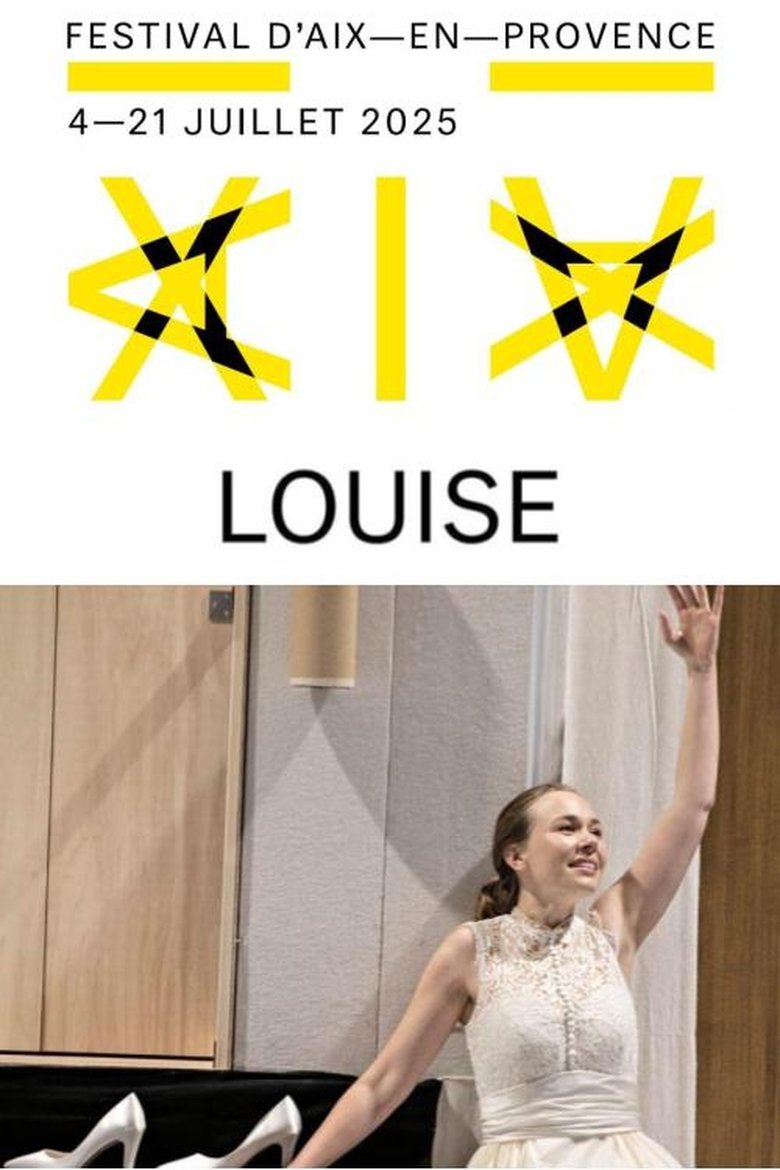
Louise
A huge success when it premiered at the Opéra-Comique in 1900, Gustave Charpentier’s (1860-1956) “musical novel in four acts and five scenes” was panned by the critics, who considered its depiction of female desire and its heroine’s rebellion against her family to be scandalous. In this new reading, Christof Loy (Salomé) – famous for his meticulous productions, precise direction and refined aesthetic – has detected beneath the innovative theme of female emancipation an unspoken aspect of Charpentier’s libretto: the toxic family relationship in which Louise finds herself trapped, and the hold that her possessive – even abusive – father exerts over her with the complicity of her mother. Keen to tell the story without judging the characters, the director draws the audience into Louise’s subconscious, highlighting the darker side of a society that, far from emancipating its daughters, only offers them cheap romance as a deflection from the frustrations of their limited prospects.
Filmography
as Louise
as Sifare
as Juliette
as Manon Lescaut
as Fiordiligi
as Lauretta
as Gretchen
as Micaela
as Self