
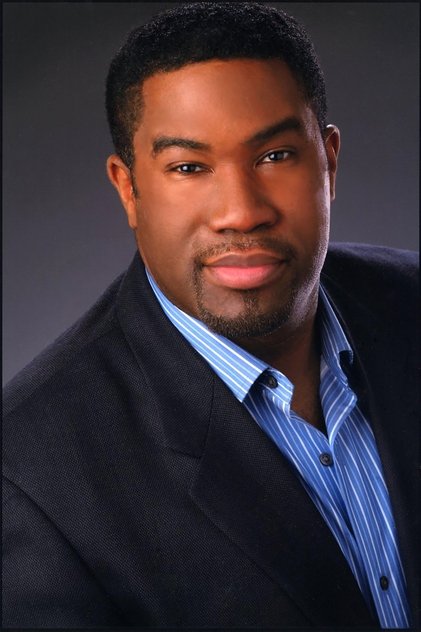
Eric Owens
Acting
Biography
No biography available for Eric Owens.
Born: July 11, 1970
Place of Birth: Philadelphia, Pennsylvania, USA
Known For

I Capuleti e i Montecchi
Bellini's radiant retelling of Shakespeare's Romeo and Juliet is a beacon in the bel canto tradition. San Francisco Opera's co-production features two of the greatest voices in bel canto together for the first time: mezzo Joyce DiDonato and soprano Nicole Cabell. Their compelling duet is one of the finest marriages between two voices in many, many years. The production, directed by Vincent Broussard and featuring costumes by Christian Lecroix, is captured in brilliant HD.
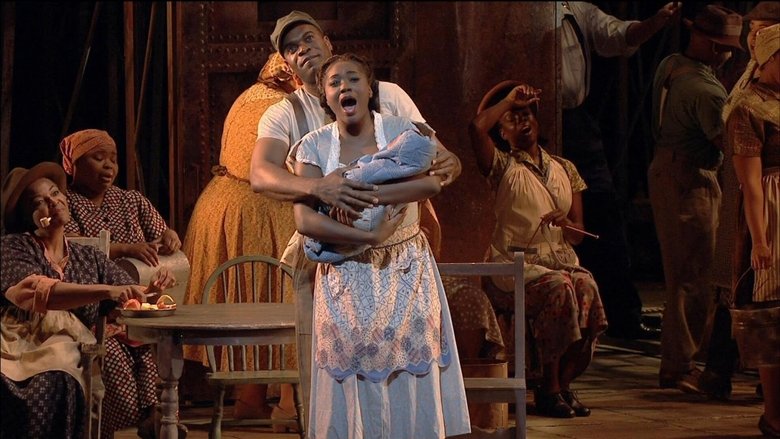
The Gershwins' Porgy and Bess
In the early 1900s, the fictional Catfish Row section of Charleston, South Carolina serves as home to a black fishing community. Crippled beggar Porgy, who travels about in a goat-drawn cart, loves the drug-addicted Bess, who lives with stevedore Crown, the local bully.
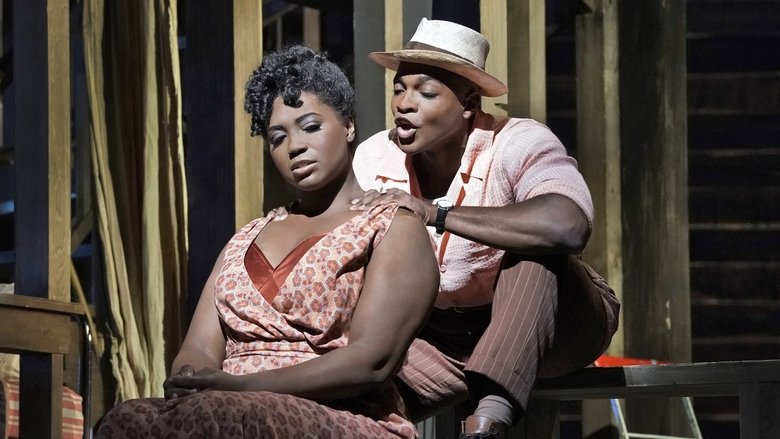
The Metropolitan Opera: Porgy and Bess
The Gershwins’ modern American masterpiece has its first Met performances in almost three decades, starring bass-baritone Eric Owens and soprano Angel Blue in the title roles. Director James Robinson’s stylish production transports audiences to Catfish Row, a setting vibrant with the music, dancing, emotion, and heartbreak of its inhabitants.

The Metropolitan Opera: Champion
Six-time Grammy Award–winning composer Terence Blanchard brings his first opera to the Met after his Fire Shut Up in My Bones triumphantly premiered with the company to universal acclaim in 2021. Bass-baritone Ryan Speedo Green is the young boxer Emile Griffith, who rises from obscurity to become a world champion, and bass-baritone Eric Owens portrays Griffith’s older self, haunted by the ghosts of his past. Soprano Latonia Moore is Emelda Griffith, the boxer’s estranged mother, and mezzo-soprano Stephanie Blythe is the bar owner Kathy Hagan. Yannick Nézet-Séguin takes the podium for Blanchard’s second Met premiere, also reuniting the director-and-choreographer team of James Robinson and Camille A. Brown.
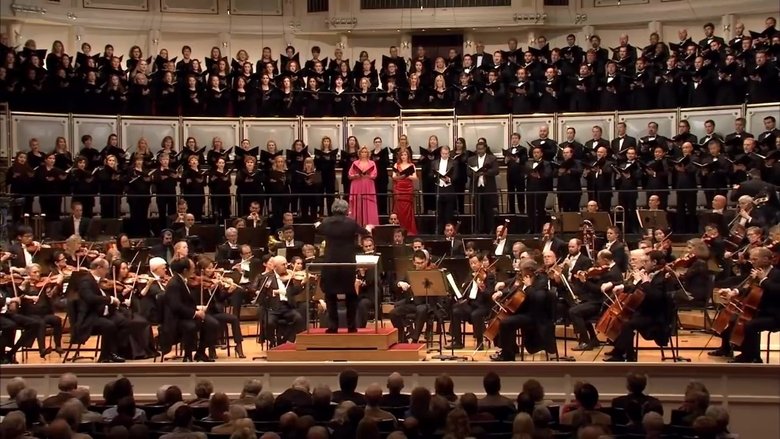
Beethoven: Symphony 9 by Riccardo Muti
Experience what Zell Music Director Riccardo Muti calls “the work of a divine architect” in this special encore presentation of Beethoven’s Ninth Symphony. Recorded live September 18, 2014, at Orchestra Hall during one of the opening programs of the Chicago Symphony Orchestra’s 2014/15 season, this performance features Muti leading the Orchestra and Chorus and distinguished soloists in one of history’s most powerful and inspiring artistic works. A masterpiece whose staggering influence can be seen across classical music, it concludes with the famous Ode to Joy, which calls for understanding, peace and universal goodwill. The Chicago Symphony Orchestra is grateful to an anonymous donor for generously underwriting the recording of this concert in 2014.
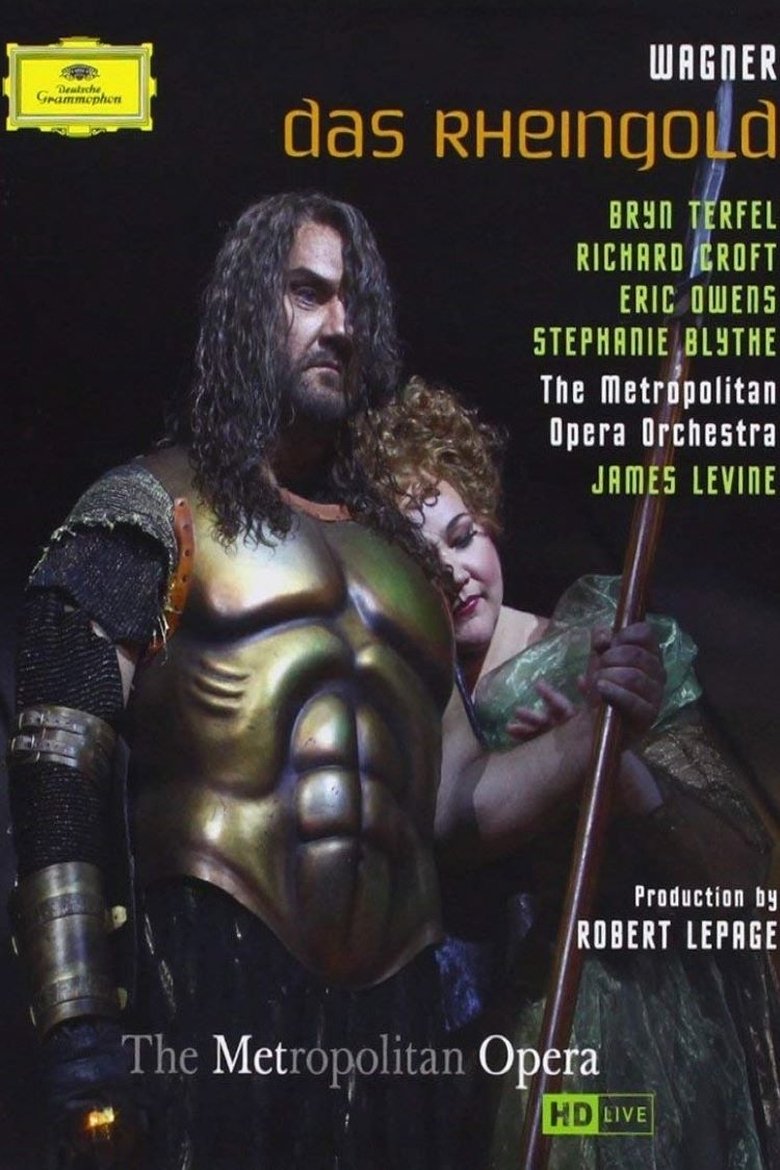
Wagner: Das Rheingold
In the depths of the Rhine, the three Rhinemaidens guard the Rhinegold, a treasure of immeasurable value. The Nibelung dwarf Alberich is dazzled by the sight of it. The girls explain that whoever wins the gold and forges it into a ring will gain power over the world, but must first renounce love. Frustrated by his unsuccessful attempts to catch one of the girls, Alberich curses love and steals the gold. Wotan, lord of the gods, is reproached by his wife Fricka: he has promised to give Freia, goddess of youth, to the giants Fasolt and Fafner in return for their building a fortress for the gods. When the giants demand their reward, Loge, the god of fire, suggests an alternative payment: the ring Alberich has forged from the Rhinegold, and his other treasures. The giants agree, and Wotan and Loge leave for the Nibelungs’ underground home.
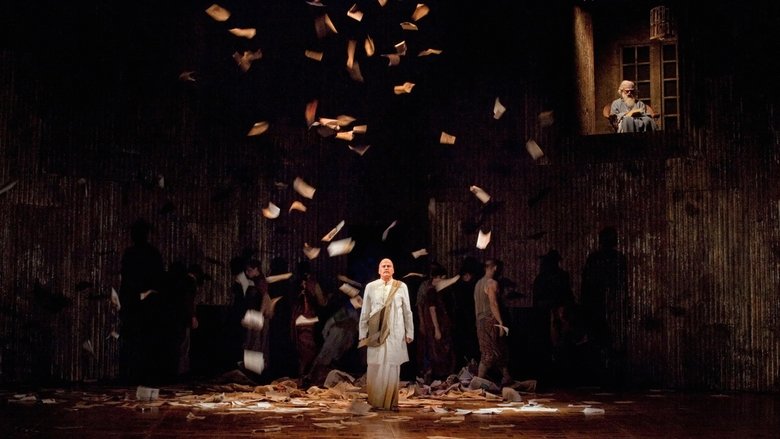
Philip Glass: Satyagraha
Following the success of his first foray into opera, Einstein on the Beach, revolutionary American composer and musician Philip Glass soon turned to another great figure of the 20th century for inspiration. Set to lines from the Hindu Bhagavad Gita, Satyagraha depicts scenes from the life of Gandhi as he developed his philosophy of non-violent resistance in South Africa between 1896 and 1913. The opera became the second installment of Glass’s Portrait Trilogy, focused on innovators from across history. Satyagraha arrived at the Met during the 2007–08 season, when director Phelim McDermott made his debut with a production that employed everyday materials like newspaper and corrugated tin to create towering puppets and striking tableaus. In 2011, his staging returned, this time recorded live in HD. In this performance, tenor Richard Croft gives a moving performance as Gandhi, leading a remarkable ensemble cast conducted by Dante Anzolini.
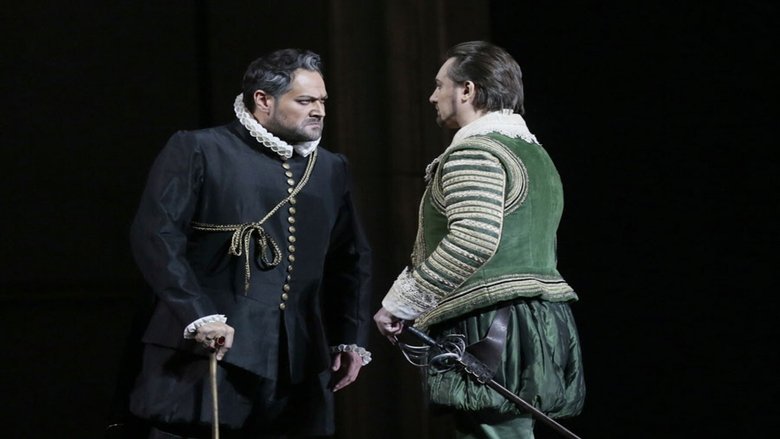
The Metropolitan Opera: Don Carlos
For the first time in company history, the Met presents the original five-act French version of Verdi’s epic opera of doomed love among royalty, set against the backdrop of the Spanish Inquisition. Patrick Furrer leads a world-beating cast of opera’s leading lights in this March 26 performance, including tenor Matthew Polenzani in the title role, soprano Sonya Yoncheva as Élisabeth de Valois, and mezzo-soprano Elīna Garanča as Eboli. Bass Günther Groissböck and bass-baritone John Relyea are Philippe II and the Grand Inquisitor, and baritone Étienne Dupuis rounds out the all-star principal cast as Rodrigue. Verdi’s masterpiece receives a monumental new staging by David McVicar that marks his 11th Met production, placing him among the most prolific and popular directors in recent Met memory. This live cinema transmission is part of the Met’s award-winning Live in HD series, bringing opera to movie theaters across the globe.
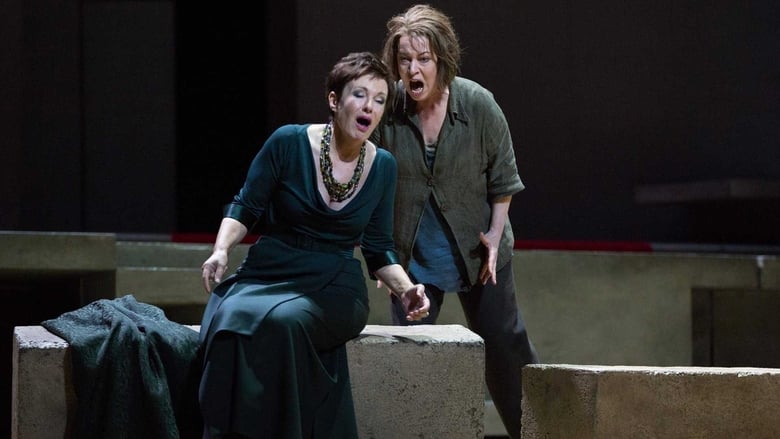
Strauss: Elektra
The great singing actress Nina Stemme gives a heart-wrenching performance in the title role of Strauss’s blazing one-act drama, adapted from the ancient Greek myth. Patrice Chéreau’s acclaimed production—the last staging he worked on before his death in 2013—also stars Waltraud Meier as Klytämnestra, Elektra’s nightmare-haunted mother, Adrianne Pieczonka as Chrysothemis, her sister, and Eric Owens as Orest, their brother, whose return home brings their family story to a terrifying climax. Esa-Pekka Salonen conducts the monumental and highly influential score.
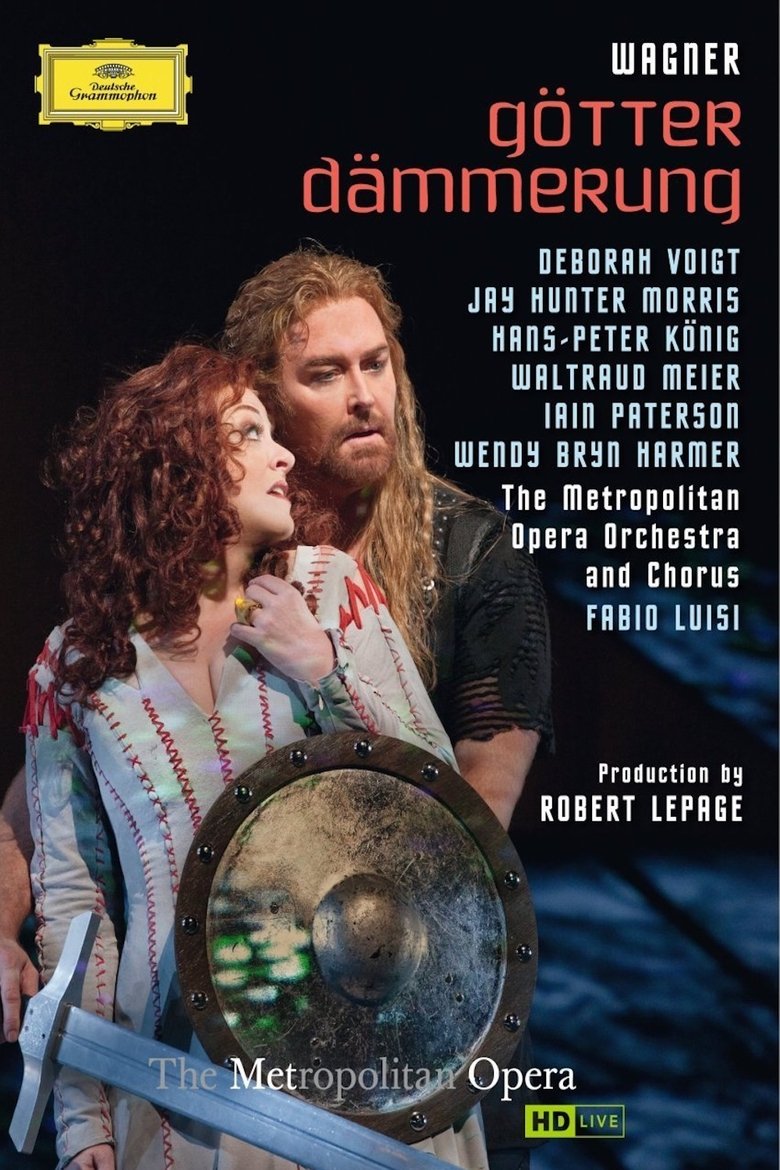
Wagner: Götterdämmerung
Ring Cycle, pt 4. Siegfried is drugged and tricked into kidnapping his wife, since she has the Ring now. More double-crossings, Siegfried ends up dead. Brunnhilde has had enough of this, tosses the Ring into the river and torches the place.
Filmography
as Emile Griffith
as Philippe II
as Self - Host
as Voice of Neptune / Self - Host
as Vodník (A Gnome)
as Self - Host
as Jaufré Rudel
as Orestes
as Self - Host
as Self - Bass-Baritone
as Capellio
as Self - Host
as Alberich
as Self - Host
as Alberich
as Alberich
as Porgy
as General Leslie Groves
as Gen. Leslie Groves