
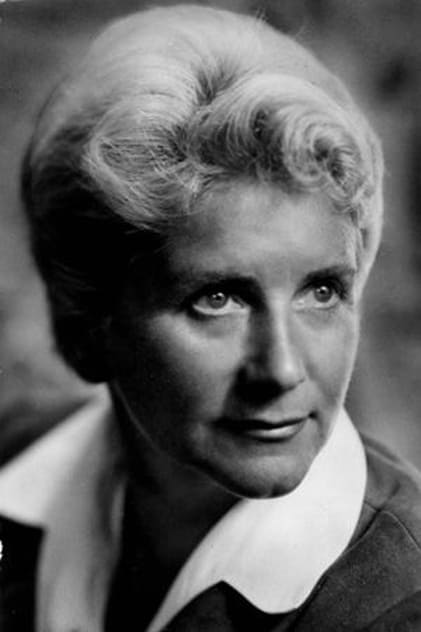
Erika Dunkelmann
Acting
Biography
No biography available for Erika Dunkelmann.
Born: November 16, 1913
Place of Birth: Rostock, Germany
Known For
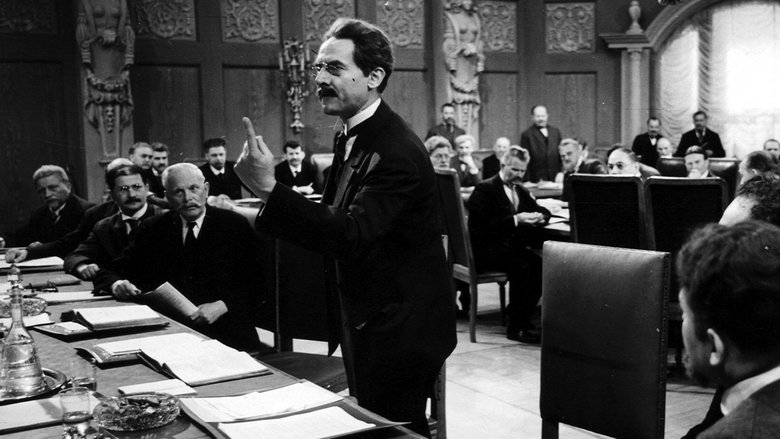
As Long as There’s Life in Me
This is part one of a two-part biopic about Karl Liebknecht. In 1914, Germany is arming itself for war. Karl Liebknecht, left-wing revolutionary Social Democrat, workers’ leader and a virulent antimilitarist, is one among 110 SPD members of Parliament who vote against approving war loans. From then on, he is considered un-German and a traitor to the fatherland, and his own party’s leadership turns against him. Despite threats, Liebknecht speaks up against the war and writes the manifesto “The Main Enemy Is at Home.” Even when he is arrested and charged with treason, he does not surrender.

Ernst Thälmann – Leader of the Working Class
This film is the second of a two-part historical and biographical portrait of the communist politician and anti-fascist Ernst Thälmann. Autumn, 1918: Somewhere on Germany’s western front, Ernst Thälmann, age twenty-four, is calling on his fellow soldiers to put down their guns and join him in the communist struggle at home. When Hamburg’s Police Commissioner blocks a much-needed food shipment to the workers of Petrograd, Ernst battles to see it allowed through. Until his murder on August 18, 1944, Ernst remained true to his political convictions in the face of many setbacks.
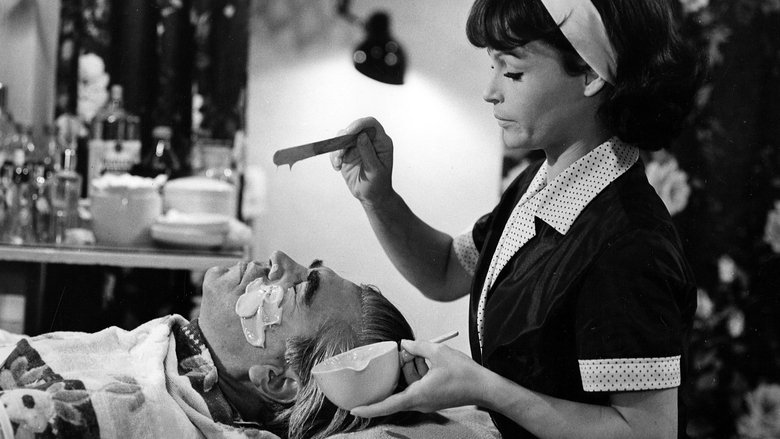
A Lord of Alexander Square
Ewald Honig can't break his bad habit. Hardly has he crossed over into the GDR when the strapping, well-built man in his late fifties once again starts courting ladies with fraudulent intentions. His daughter Ina, burdened with the same genes, specializes in married men in their prime. Two criminologists are on the Honigs' trail, but they soon have enough to handle just dealing with each other. Meanwhile, Honig and his daughter have left their wayward path of their own accord.
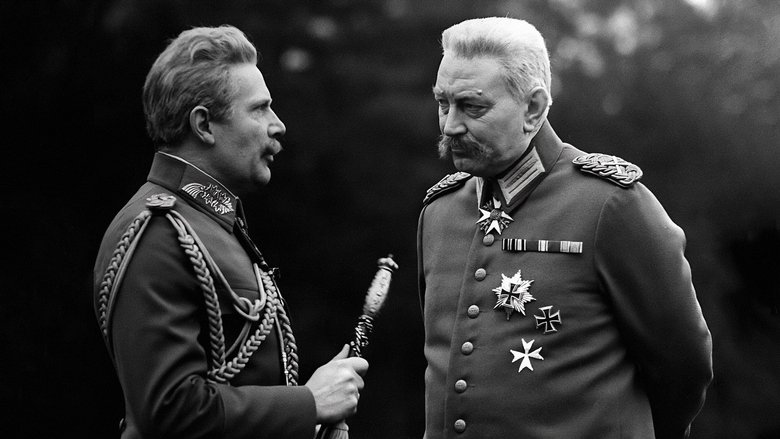
Despite It All!
October 1918: Karl Liebknecht is released from prison and Berlin workers celebrate his release. Although WWI is almost over, the German Kaiserreich in vain sends its last reserves to the slaughter. The working class is in a rebellious mood; the uprising of Kiel’s sailors against war and militarism sets off a call for revolution led by Liebknecht. On November 9, Liebknecht declares the Free Socialist Republic of Germany. But pro-Kaiser military and right wing Social Democrats oppose him.

Berlin - Ecke Schönhauser...
The corner Schönhauser Allee in East Berlin is the main meeting-point for a group of adolescents. Dieter is a construction worker who falls in love with Angela. She, in turn, spends time with the clique whenever her mother is occupied with her new lover. "Kohle" stays away from home to avoid his dad's alcohol problem, and Karl-Heinz is on his way to becoming a small-time criminal. Due to their interest in western music and culture they are regarded as no-goods and rowdies. Things get interesting when an incident forces Dieter and "Kohle" to escape to West Germany. Written by c.winter
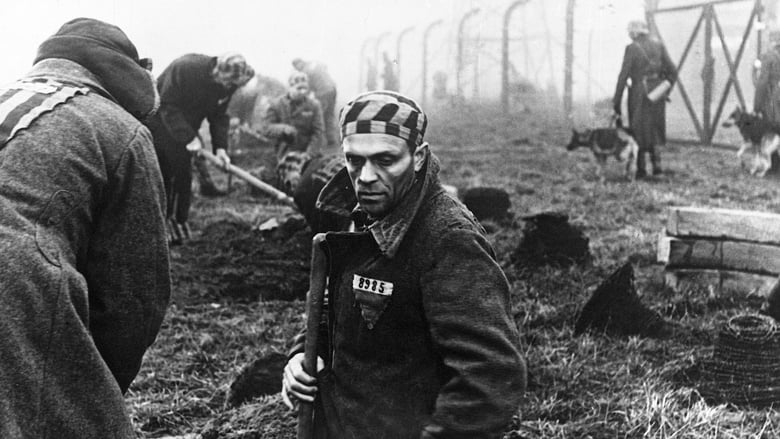
Men and Beasts
The plot is based on the dramatic fate of the Red Army commander Aleksei Ivanovich Pavlov. Having been captured in January 1942 and being among the displaced persons, he didn't immediately decide to return to the USSR. Having rolled around the foreign country for 17 years, Aleksei nevertheless returned to his homeland. He goes to his brother in the south of the country to Sevastopol. Aleksei accidentally meets the doctor Anna Andreyevna, who was saved from death in besieged Leningrad. She travels by car from Moscow and also to the south, with her daughter Tanya; she suggests he join them. Aleksei tells about his life on the road.

A Berlin Romance
Mid-1950s Berlin, before the building of the Wall. Uschi, a salesgirl and aspiring fashion model from the East, is attracted to Hans, from the West. But she also loves the bright shop windows in his part of the city. The flashiness of this new world soon evaporates, however, when Hans loses his job.

Old Boat and Young Love
The stubborn old skipper Heinrich Borchert refuses to recognize the progress of the new era. Sailing for the DSU is out of the question for him. He is a private ship owner - and will remain so! In order to pay off the mortgage on his barge "Marie", he takes more cargo on board than is reasonable and risks a dangerous draught in the shallow waters of the Havel. Neither his friend Hermann Vollbeck, also an old bargeman but sailing for the DSU, nor the protests of his son Karl can dissuade him. After all, Borchert is only doing all this for Karl, who is supposed to take over the boat one day and have a better life. He, on the other hand, has other ideas about life. Instead of just being a slave to the ship or having to deal with debts, he wants to have time for more enjoyable things alongside his work.
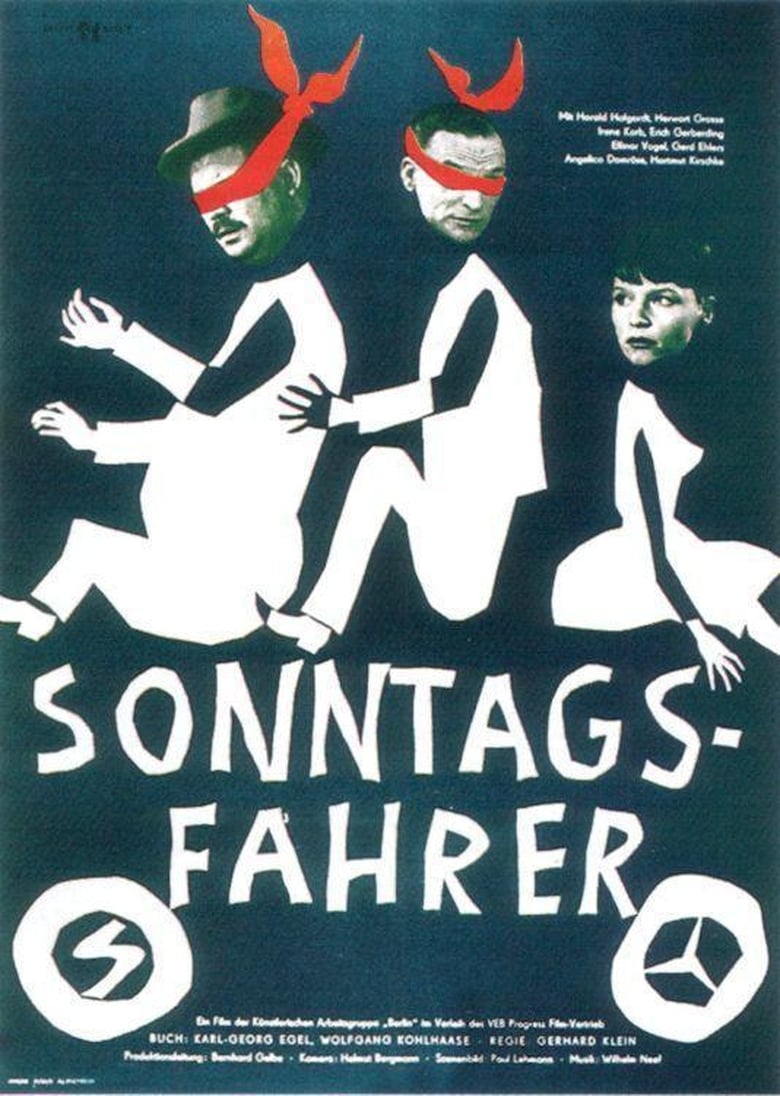
Sunday Drivers
On August 12, 1961, eight people in three cars set off for Berlin from Leipzig. They want to go to the West. The initiator is the philistine Spiessack, who drives the others, who have embarked on the adventure with mixed feelings. It becomes a journey with numerous incidents and panic, which causes the different characters to clash. When they finally arrive in Berlin the next day, they are not allowed to cross the border. The only option is to return. At home, Spiessack is met by a policeman in his living room - with the slogan "We'll be back" written on the wall.

Ernst Thälmann – Son of the Working Class
This film is the first of a two-part historical and biographical portrait of the communist politician and anti-fascist Ernst Thälmann. In early November 1918, Ernst Thälmann is an unwilling soldier serving on the western front. As the revolutionary movement at home is threatened by the betrayal of the Social Democrats and fissures in the working class, Thälmann calls on his fellow soldiers to put down their weapons and unite with the workers in the communist struggle at home. Thälmann’s qualms about which side he is fighting on continue, but when the local police attempt to prevent a shipment of provisions and supplies from reaching the people in Petrograd, he intervenes and the ship is unloaded. With this moment of clarity, Thälmann continues to follow his political convictions and joins the workers at the Hamburg uprising in October 1923.
Filmography
as Else Gluth
as Oma Kalen
as Frau Soebenbrodt
as Frau Schlosser
as Klara Baumann
as Ärztin
as Milda Schreiner
as Wirtin
as Frau Pohl
as frau Haslinger (uncredited)
as Frau Brödel
as Erika Adler
as Marion Lehmann
as Kohles Mutter
as Marie Borchert
as Hansels Mutter
as Marthe
as Uschis Mutter
as Hanna - Gerda's colleague
as Oberschwester
as Marta, seine Frau
as Käthe Manthey
as Stine Drews
as Bertha Köhlermann
as Martha Vierbreiter