
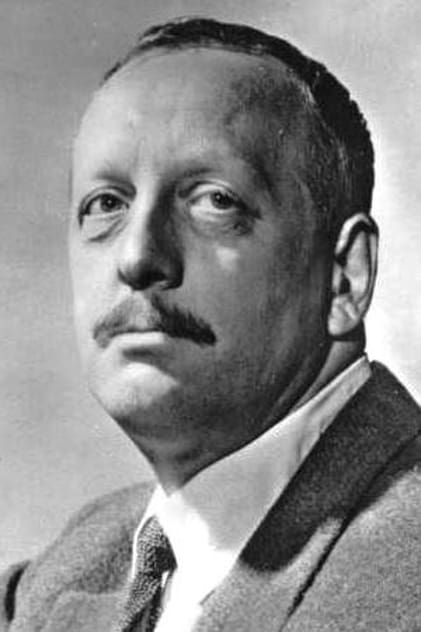
Erwin Geschonneck
Acting
Biography
From Wikipedia, the free encyclopedia. Erwin Geschonneck (December 27, 1906 – March 12, 2008) was a German actor. His biggest success occurred in the German Democratic Republic, where he was considered one of the most famous actors of the time. Description above from the Wikipedia article Erwin Geschonneck, licensed under CC-BY-SA, full list of contributors on Wikipedia.
Born: December 27, 1906
Place of Birth: Bartoszyce, Poland
Known For
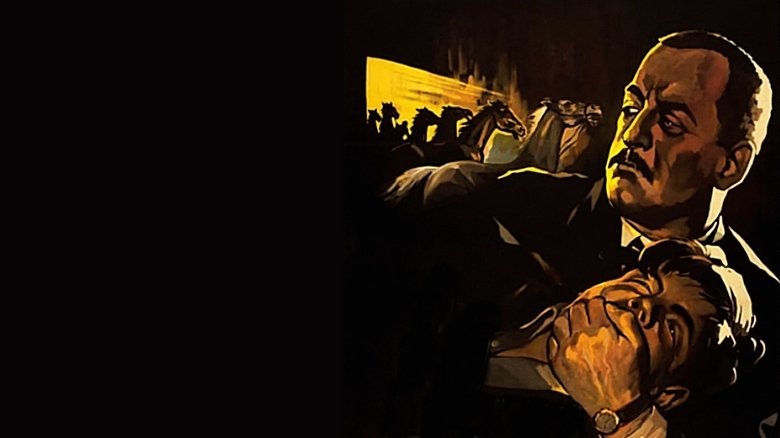
Alarm at the Circus
Two boys from West Berlin, Klaus and Max, live in poverty. They dream of a career in boxing and save every penny in order to buy boxing gloves for training. Nevertheless, they cannot seem to save enough and so they let themselves be hired by the bartender Klott for a twisted scheme. However, Klaus overhears one of Klott's conversations and learns that Klott intends for the boys to steal horses from the East Berlin Barlay Circus, where Klaus recently made some good friends. Indignant, he sets out to stop the robbery—and an adventurous action story results.
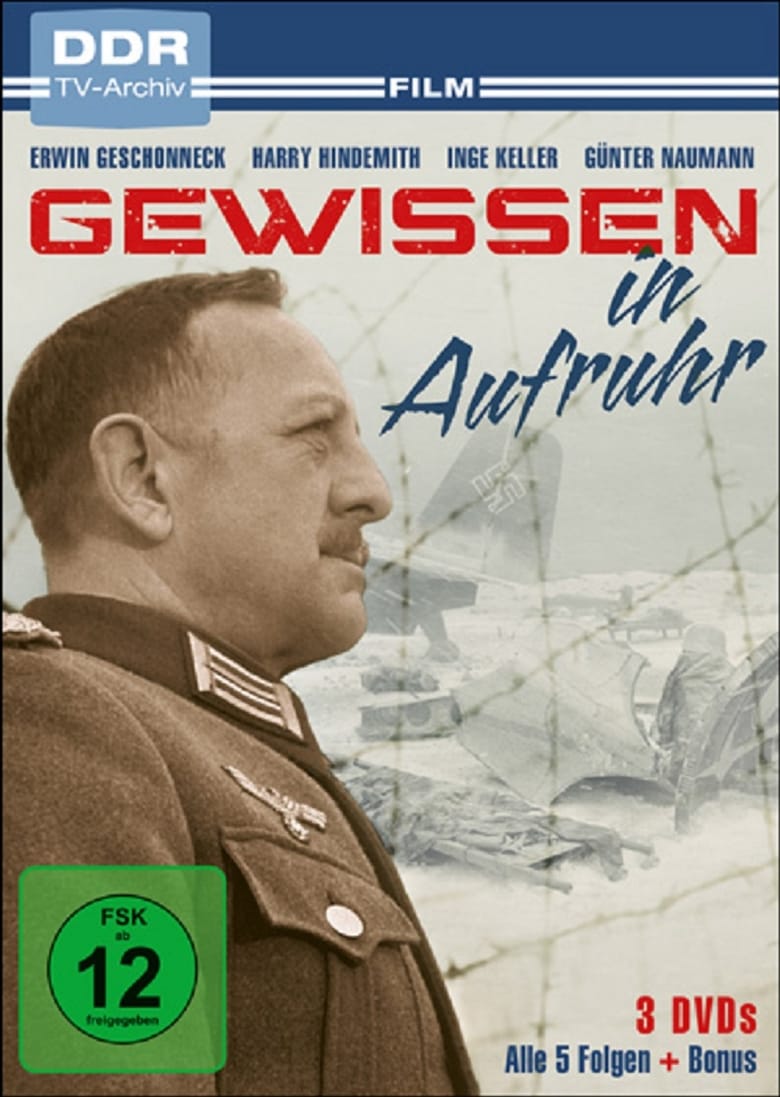
Gewissen in Aufruhr
As a German soldier in the 6th Army, Colonel Joachim Ebershagen is trapped in the Stalingrad cauldron. His experiences cause him to begin to doubt the meaning of the war. He is flown out as a wounded soldier on one of the last planes. Back home, he becomes commander of Greifswald. Towards the end of the war, he surrendered the city to the Soviet army without a fight on April 30, 1945. The death sentence pronounced by a court martial is not carried out.
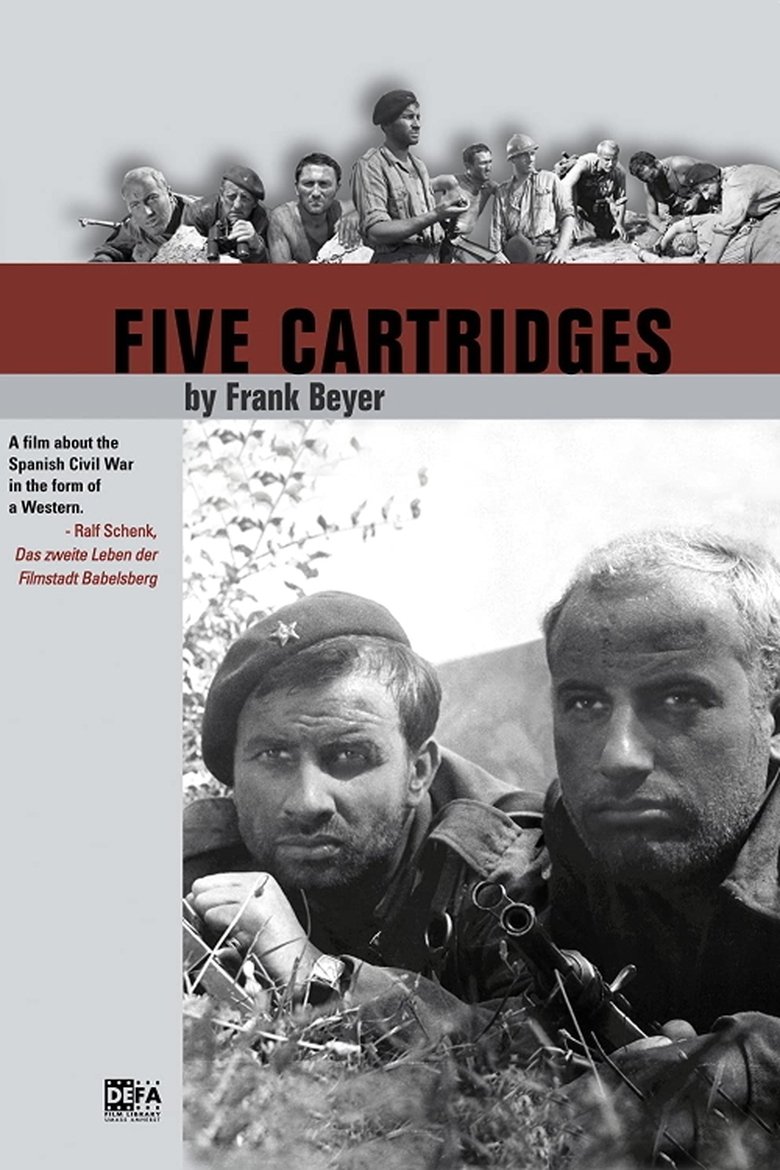
Five Cartridges
It is the year 1936 and the Spanish Civil War is raging. When the German commander of an international brigade is badly wounded he gives his five comrades a message which he divides up and secretes into in five cartridges. All five shells must reach the battalion in order for the message to be relayed. But Frenchman Pierre can’t bear the heat of the Sierra. When he leaves their hide-out to drink from a well he is hit by an enemy bullet.

The Axe of Wandsbek
Hamburg, Germany 1934: An executioner is needed. Teetjen makes the biggest mistake of his life. Because his butcher shop is facing bankruptcy, he agrees to execute a group of political prisoners for the Nazis. Once this becomes known, Teetjen’s life falls apart.
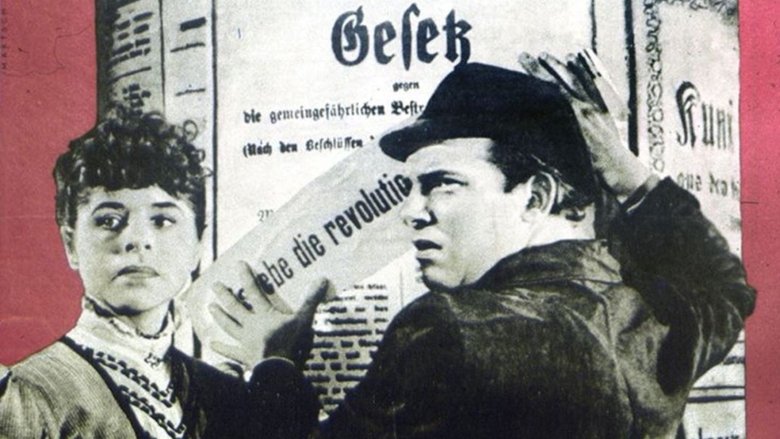
Die Unbesiegbaren
The film "Die Unbesiegbaren" covers an episode in German history, in which the Bismarck government tried to mitigate the rise of the social-democrat movement.
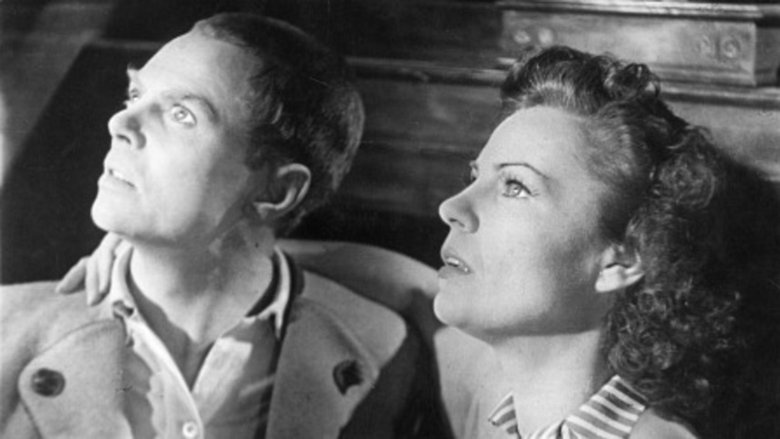
Love '47
A young man and woman meet on a bridge, both about to commit suicide by jumping into the river, and recount to each other their experiences.

Jacob the Liar
A Jewish ghetto in the east of Europe, 1944. By coincidence, Jakob Heym eavesdrops on a German radio broadcast announcing the Soviet Army is making slow by steady progress towards central Europe. In order to keep his companion in misfortune, Mischa, from risking his life for a few potatoes, he tells him what he heard and announces that he is in possession of a radio - in the ghetto a crime punishable by death. It doesn't take long for word of Jakob's secret to spread - suddenly, there is new hope and something to live for - and so Jakob finds himself in the uncomforting position of having to come up with more and more stories.
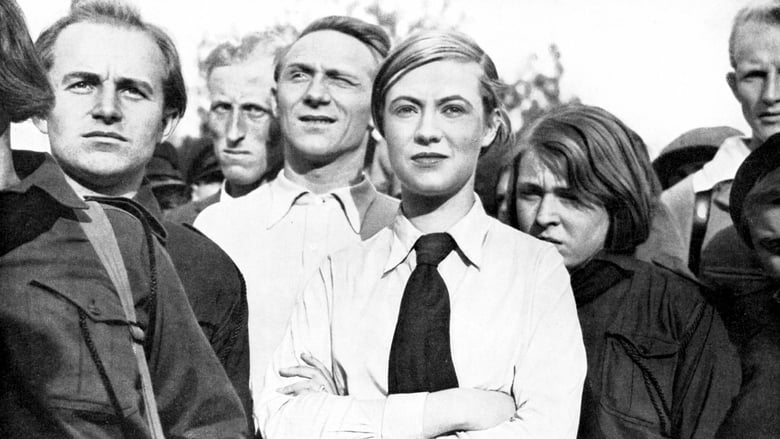
Kuhle Wampe or Who Owns the World?
Kuhle Wampe takes place in early-1930s Berlin. The film begins with a montage of newspaper headlines describing steadily-rising unemployment figures. This is followed by scenes of a young man looking for work in the city and the family discussing the unpaid back rent. The young man, brother of the protagonist Anni, removes his wristwatch and throws himself from a window out of despair. Shortly thereafter his family is evicted from their apartment. Now homeless, the family moves into a garden colony of sorts with the name “Kuhle Wampe.”
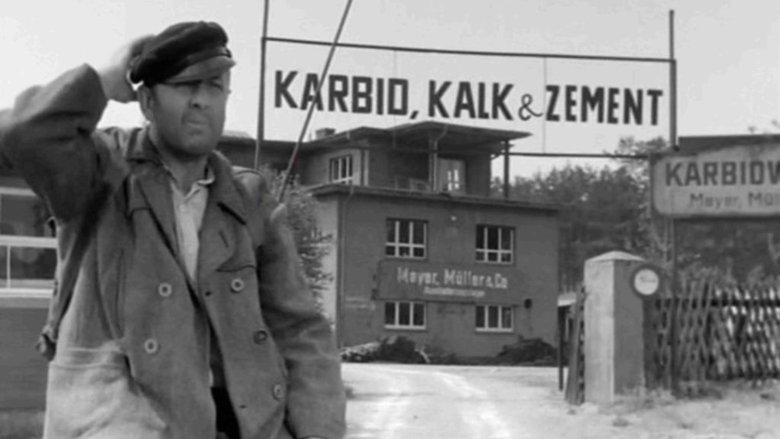
Carbide and Sorrel
After the second World War, Dresden has a lot of reconstructing to do. To get the cigarette factory he once worked for running again, Kalle has to travel to Wittenberg - the only place where carbide can be found. Once there, Kalle find himself in the unfortunate situation of having to hitchhike his way back to Dresden, transporting seven heavy barrels of carbide. However, his inventiveness and optimistic attitude help transform the grueling task into an adventurous, entertaining, and funny journey.

The Captain from Cologne
Albert Hauptmann is an out of work waiter in Cologne who is often confused with a former Captain of the Nazi Army. Albert uses this to his advantage and becomes the Director of the Montan Corporation, and a member of the West German Parliament. Herr Karjanke, the real Captain, learns of Albert’s ruse, and wants to claim his "rightful" position in Parliament. But Karjanke cannot come forward until his politicking "Doppelganger" succeeds in passing an amnesty law for war criminals. When Albert is finally brought before a judge on charges of fraud, he learns that this own amnesty law does not apply to him.
Filmography
as Self
as Self
as Erich Zarling
as Genosse Lörke
as Opa Schmahl
as Erwin Gregorek
as Oskar Schrader
as Meschka
as Otto Gratzick / Hermann Gschwinder
as Johann
as Paul Wositschka
as Ernst / Walter Wagemühl
as Prof. Bunzberger
as Richard Matuschke
as Großvater
as Vater Grubske
as Knut Brümmer
as Luden Dassow
as Colonel von Bülow
as Bruno Nakonz
as Bering
as Achilles
as James Luis Türkheimer
as Bienes Vater
as Kowalski
as Fährmann Kluge
as Jupp König
as Professor Harms
as Herr Clasen
as Otto Quangel
as Otto Brosowski Senior
as Willi Lenz
as Ewald Hornig
as Paul Krautmann
as Roter Schuster
as Prof. Marschner
as Kalle
as Krämer
as Walter Lörke
as Oberst Ebershagen
as Kommissar Witting
as Bartuscheck
as Arthur Wedel
as Laue, Kapitän eines Fischkutters
as Johan Jönsson
as Machmud
as estate inspector Bröker
as Hans Karjanke
as 'Bras d’Acier'
as Klott
as Wilhelm Liebknecht
as Dr. Sten Horn
as Albert Teetjen
as Holländer-Michel
as Kriminalbeamter
as Motes
as Oskar, Fahrer
as Wilke
as Schmitt
as Arbeitersportler