
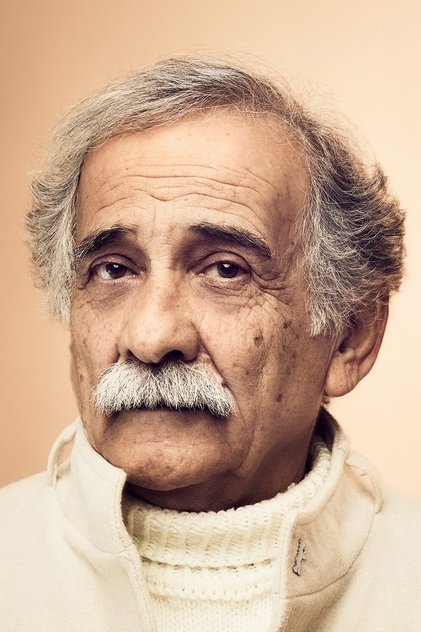
Esmaeel Mehrabi
Acting
Biography
No biography available for Esmaeel Mehrabi.
Place of Birth: Tehran, Iran
Known For
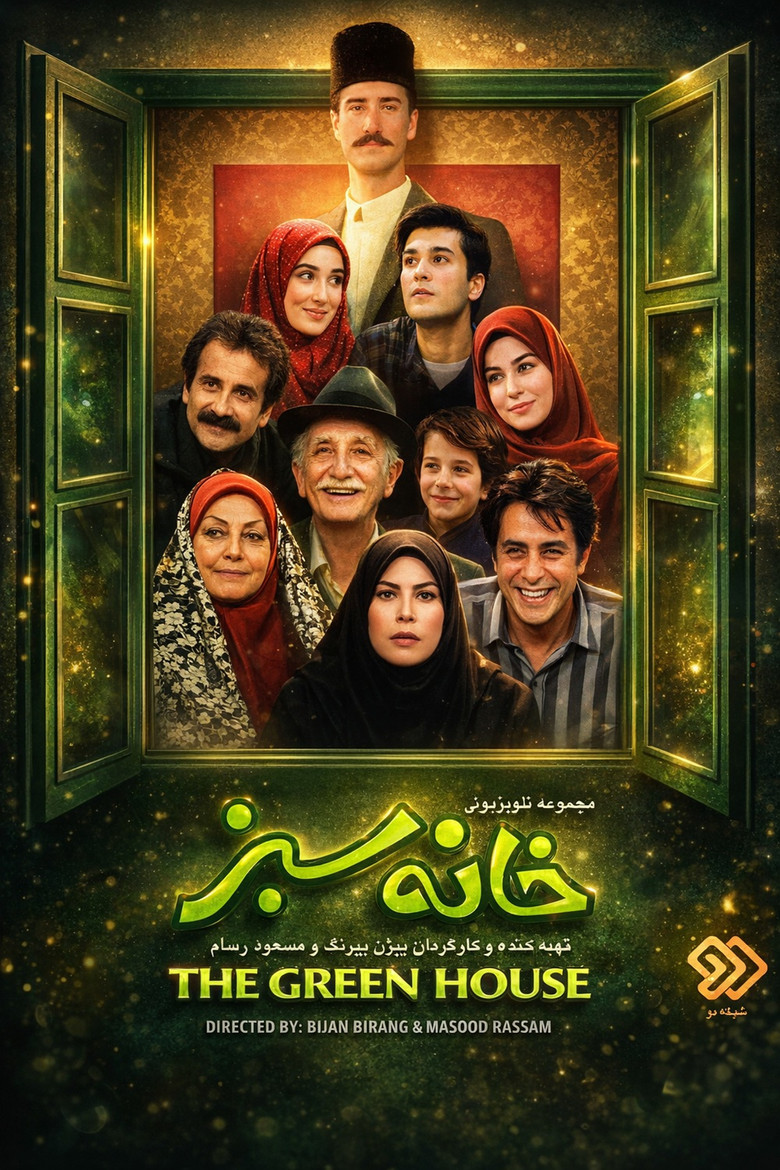
Green House
Everything is better in green.

My Favourite Cake
Mahin lives alone in Tehran since her husband’s death and her daughter’s departure for Europe, until an afternoon tea with friends leads her to break her solitary routine and revitalize her love life.
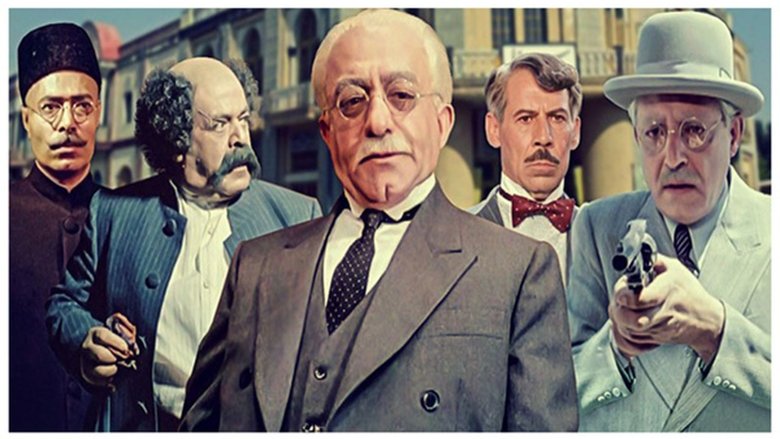
Hezar Dastan
Hezar-Dastan was an Iranian epic historical drama television series from 1987, developed and directed by Ali Hatami. Hezar Dastan is considered one of the most important and most influential works of art in the history of Islamic Republic of Iran Broadcasting. The production of the show took almost 8 years, starting in 1979 and ending in 1987, during which Hatami established a large set to represent Tehran in both Qajar dynasty and World War II, retroactively creating Iran's first movie studio and backlot (named Ghazali Cinema Town). The show tells the story of Reza Khoshnevis (also known as Reza Tofangchi), and his life and entanglement with corruption in government, and trying to correct it using not conventional means. The story is split into two section and it features Iran during the turbulent times of the latter days of Qajar Dynasty and during the events of World War II and Anglo-Soviet invasion of Iran.
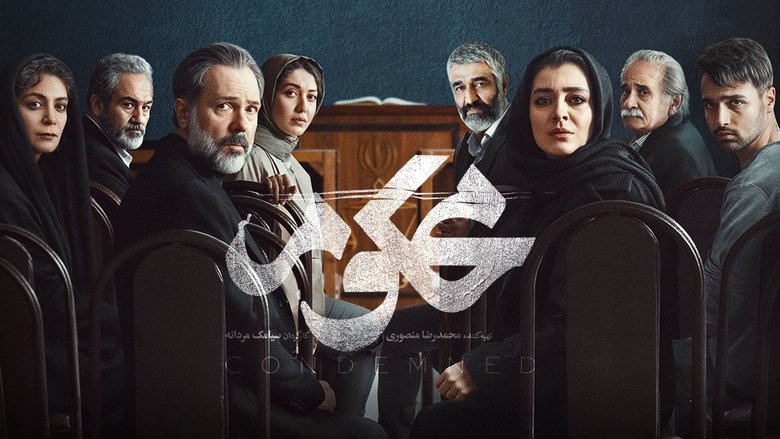
Convicted
Convicted, Mahkum Nasrin, a prosecutor who has lost her husband, is trying to start a new life. However, her son’s opposition and unforeseen events leave her torn between maternal love and professional duty.
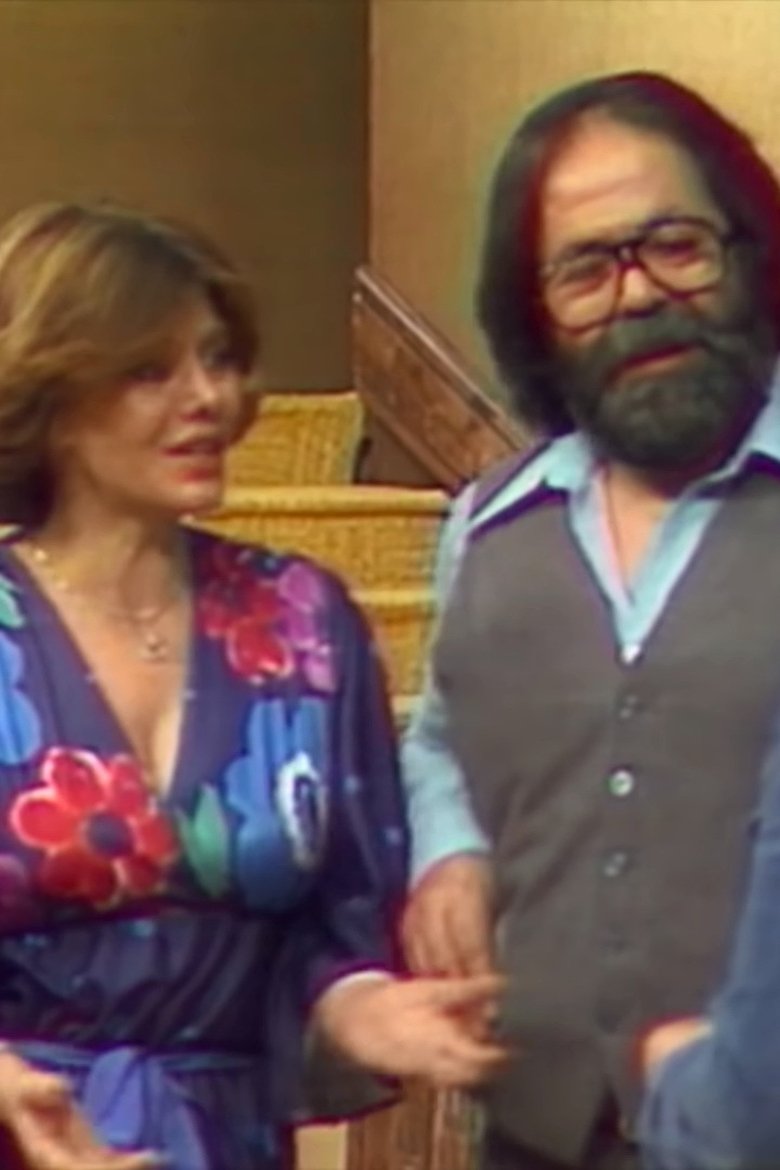
Azizam Tavalodet Mobarak
A television theater written and directed by Mohammad Ali Keshavarz

Gharibeh
A pharmaceutical elite named Amir Ali, on the verge of remarriage, suddenly feels that his first wife, who drowned in the river three years ago, is alive. Amir Ali encounters nested stories in search of this secret.
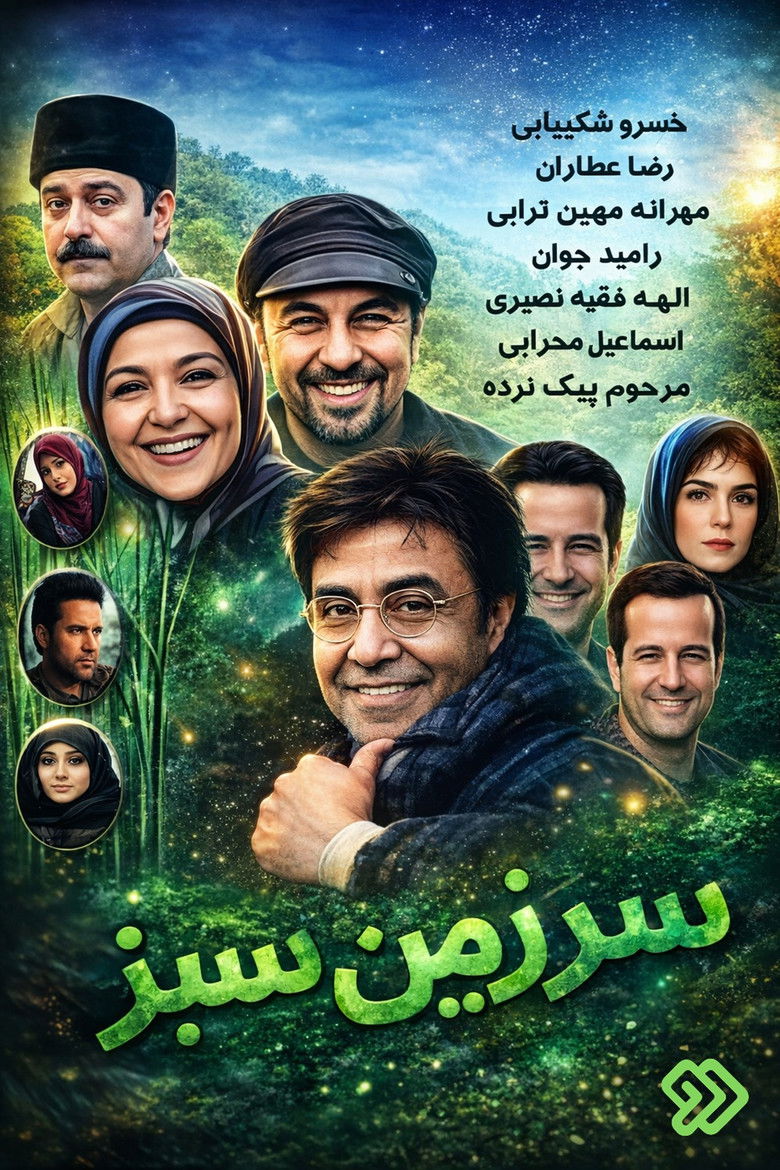
Sarzamine Sabz
Reza and Farid, who have lost their wives Atefeh and Leyli, find themselves displaced when the Green House is destroyed, and in this displacement they visit different parts of Iran. They become familiar with the stories of the Azeris, the Southerners, and the Baluchis, and ultimately realize that even if the Green House is destroyed, the Green Land still stands.