
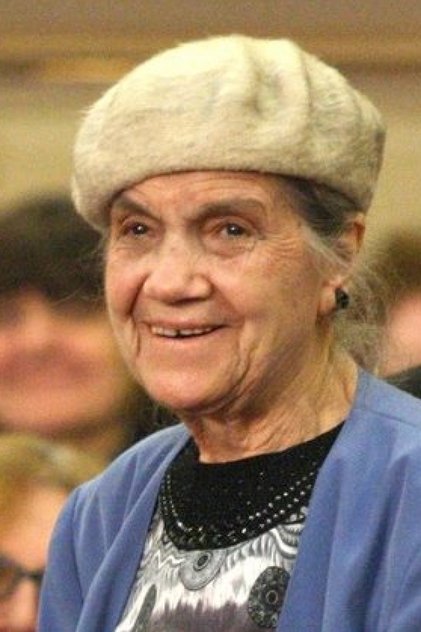
Eugenia Bosânceanu
Acting
Biography
No biography available for Eugenia Bosânceanu.
Born: February 8, 1925
Place of Birth: Radauti-Prut, Romania
Known For

For Motherland
In 1877 during the Russo-Turkish war the Kingdom of Romania joins the war on Russia's side and declares its independence from the Ottoman Empire.
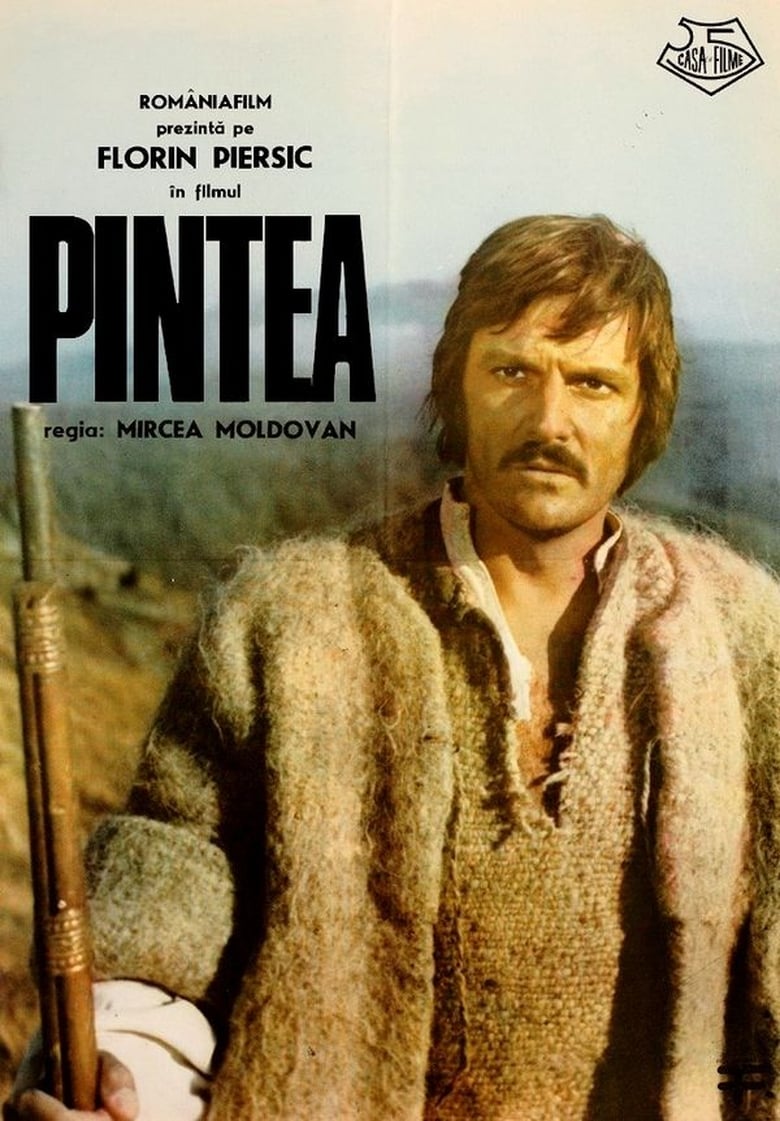
Pintea
The movie is set in 18th century Maramureș region of Romania. The Romanian officer Grigore Pintea return to his village and finds out that his parents were killed, and other villagers were tortured because they protested against the unfair treatment of Bartolok Graff. He deserts the Austrian army and he becomes an outlaw. He is joined by many peasants and so his band manages to occupy 2 fortresses.
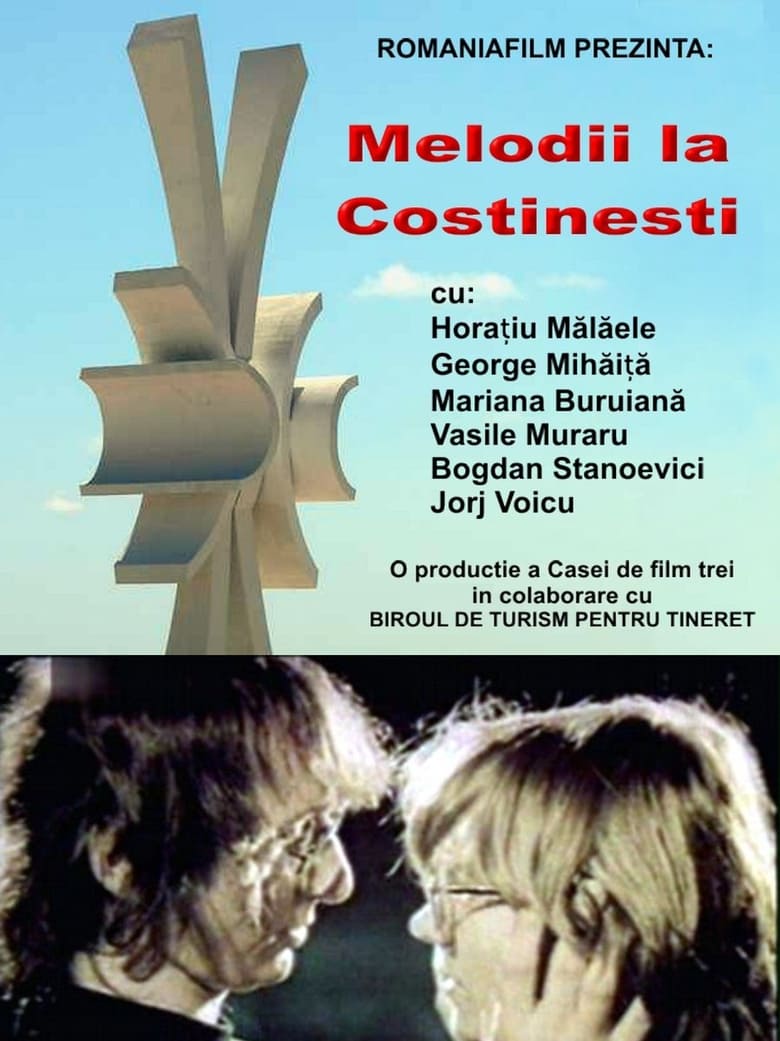
Melodii la Costinesti
The film describes the journeys through which the members of a light music band pass in their attempt to be selected for the Costinesti Labor Festival.
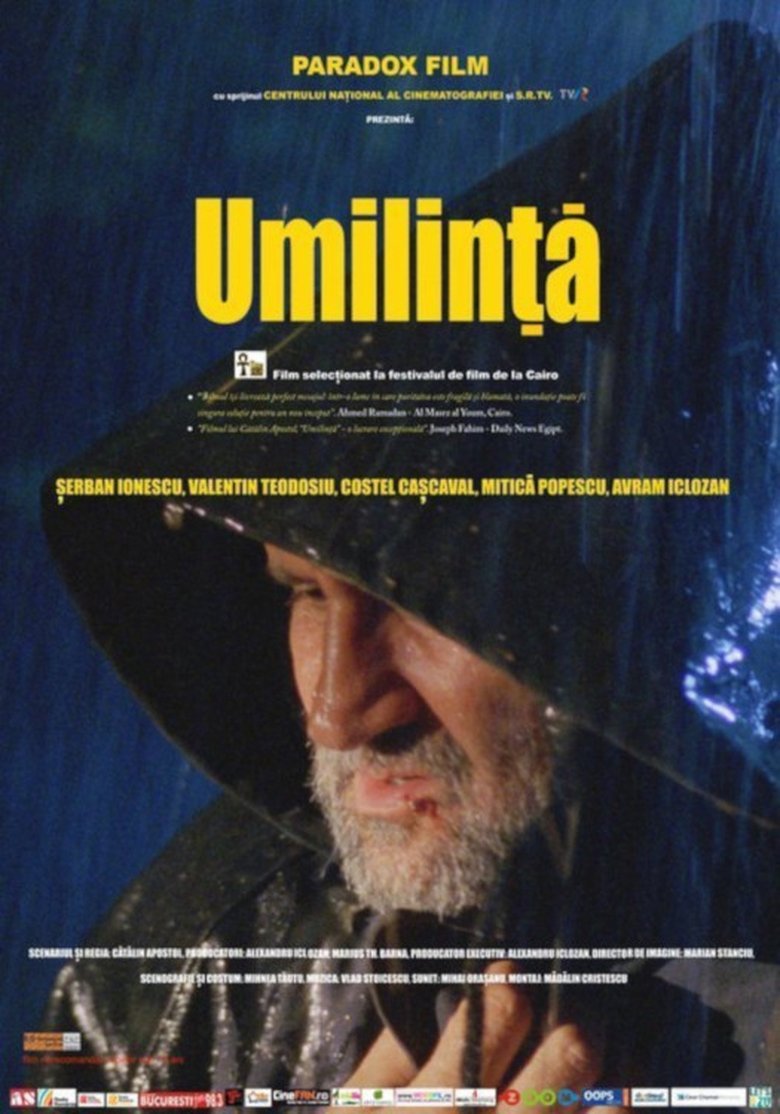
Humility
In a forgotten village with lazy people and corrupt leadership, Pacoste must suffer for a mistake made in his past. His only friend is a young boy who finds in him a father figure.

Raliul
Young Thasica Pribeag follows her passion for cars and rallies, despite all the obstacles she faces.

4 Months, 3 Weeks and 2 Days
Two college roommates have 24 hours to make the ultimate choice as they finalize arrangements for a black market abortion.
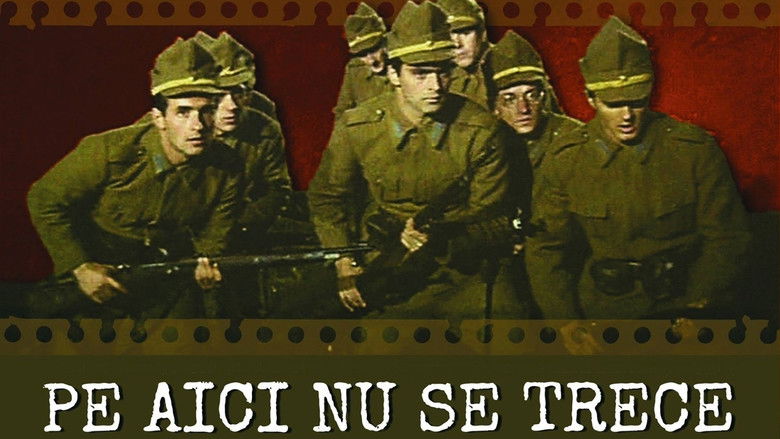
No Trespassing
The film follows the stories of a handful of characters: Andrei (Radescu), who finds himself in conflict with his peers; Colonel Maxineanu (Stanculescu), the school commander; and Adrian (Mavrodineanu), a young villager who is inspired by the bravery of the cadets. The Hungarians arrive and launch a series of attacks against the Romanians. The Axis are pushed back again and again, despite superior numbers and weaponry. At the end of the film, they launch one last attack, which seems to momentarily begin breaking through. Just at that moment, reinforcements from the Soviet and Romanian armies arrive, pushing the Hungarians back.
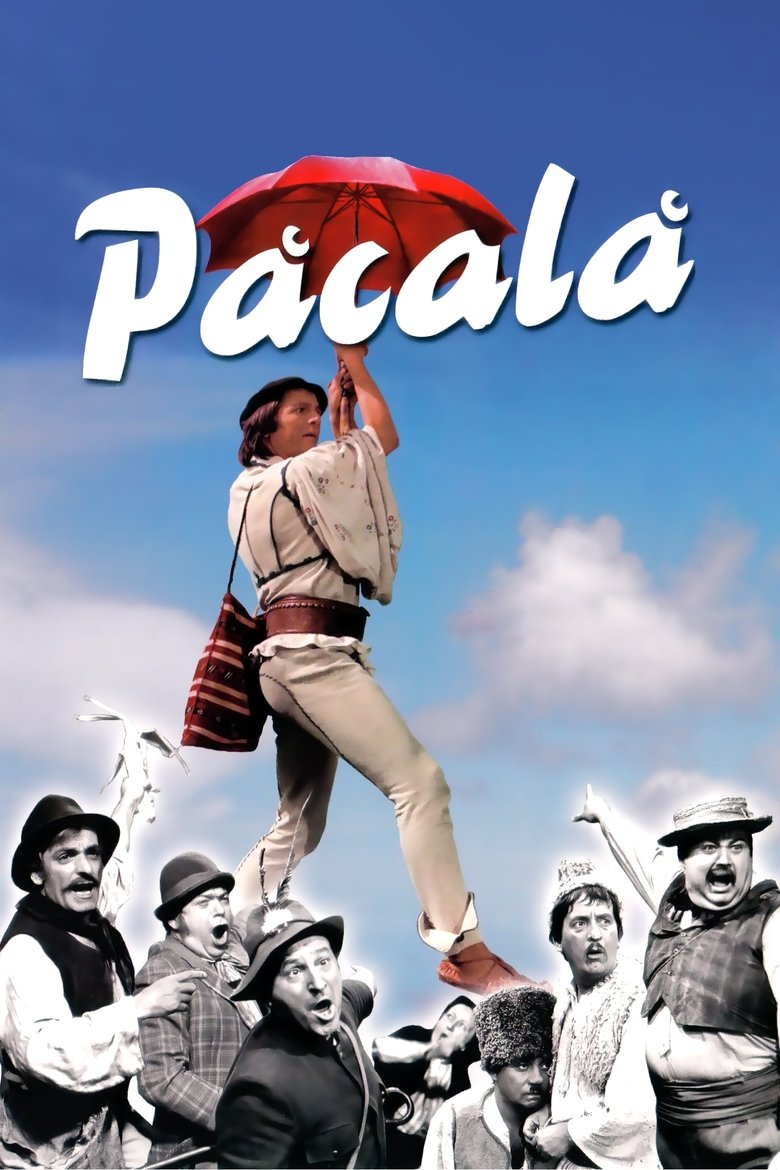
Păcală
Pacala is an important hero in Romanian popular tradition. He is always making fun of everything wrong with the human behaviour such as stupidity, greed or vanity. His attitude and actions always bring damages to the mean, evil and materialistic people. So beside the jokes, the movie has this philosophical layer, undoubtedly because Pacala's independent way of being, free spirit and his love for the nature creates a way of seeing life, bringing joy. Filmed in a very beautiful part of Romania in 1974, the movie had an important success at that time and it is considered one of the most loved movies in Romania ever. Like the hero, found in many stories and jokes, the movie forwards the spirit of true freedom and pure link with the nature, forgetting about times and governments.
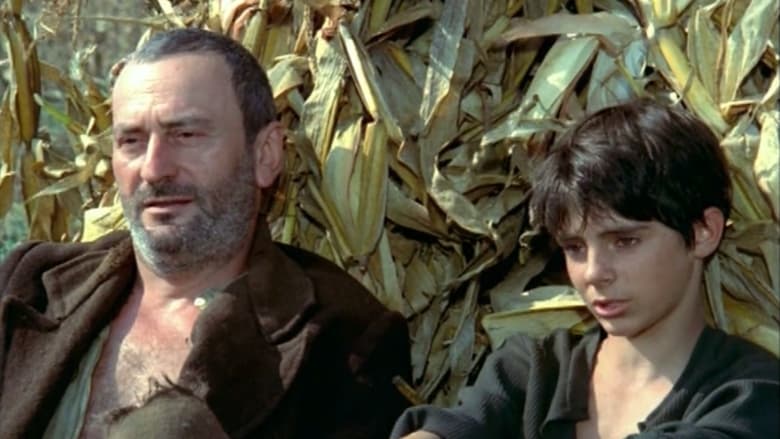
Then I Sentenced Them All to Death
A young boy is adopted by a priest and his wife during the Nazi occupation of Romania during the Second World War. He befriends the village idiot, who's despised by everyone else. When a German is killed in the last days of the war, the village is threatened with total destruction unless the murderer is handed over. The villagers decide to hand over the idiot.
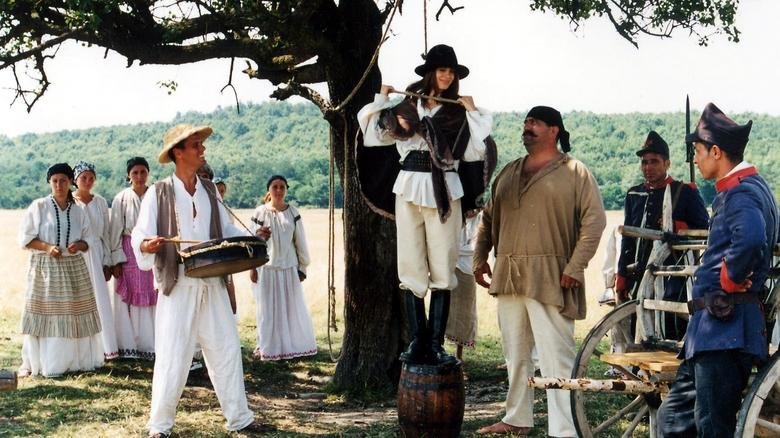
Păcală se întoarce
Păcală, a young man without too many expectations from life, is tired of wandering around the world and driven by the longing for his parental home he decides to return to his homeland, from somewhere "outside" - a timeless space located outside the borders of Romania.
Filmography
as Mother
as Vecina in varsta
as Old Lady 2
as Second Housewife
as Mr. Bebe's mother
as Caretaker
as Mère Ilyana
as Tiță's Grandmother
as Lisandrina
as Paraschiva
as Muzet's Grandmother
as Elena Doamna
as Petrescu's mother
as soția lui Dumitru Pavel
as Frau von Simmons
as Paraschiva
as M-me Bunu
as The Mother
as Domnica
as mama lui Radu
as Mara