
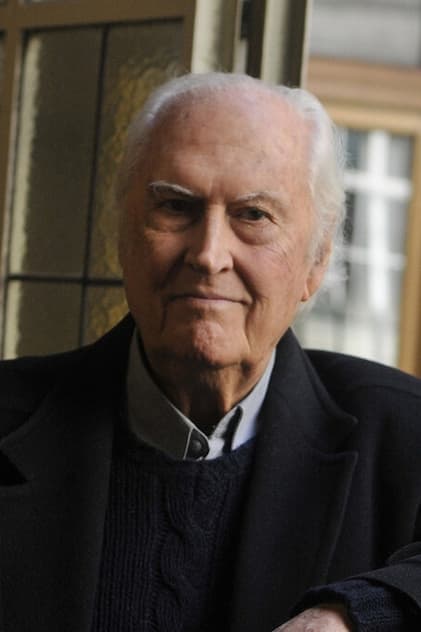
Fernando E. Solanas
Directing
Biography
Fernando Ezequiel 'Pino' Solanas was an Argentine film director, screenwriter and politician. His films include La hora de los hornos (The Hour of the Furnaces) (1968), Tangos: el exilio de Gardel (1985), Sur (1988), El viaje (1992), La nube (1998) and Memoria del saqueo (2004), among many others. He was National Senator representing the Autonomous City of Buenos Aires for six years, from 2013 to 2019. In 2019, following the end of his term as senator, he was appointed as Argentina's ambassador to UNESCO; he served in the position until his death in Neuilly-sur-Seine, France, on 6 November 2020. From Wikipedia, the free encyclopedia
Born: February 16, 1936
Place of Birth: Olivos, Buenos Aires, Argentina
Known For
Chronicles of an Exile
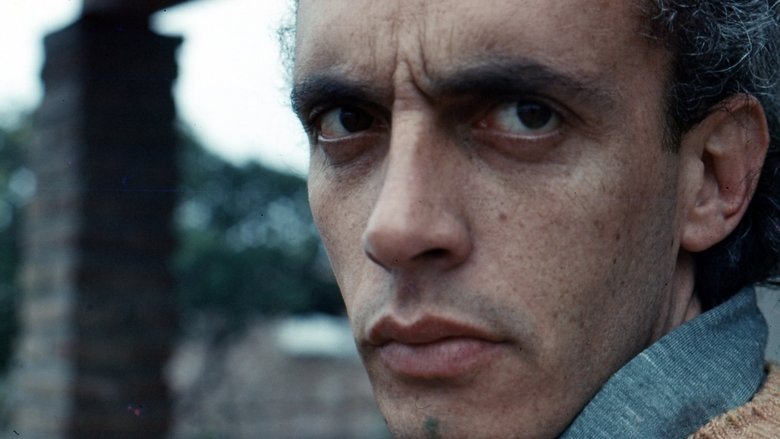
Director Octavio Getino is exiled in Lima. Through letters, archive footage and the protagonist’s voice, the feel tells of the director’s vast life experience in an in-depth study where the biographical outline is offered as a footnote to recent Argentine history.
Social Genocide
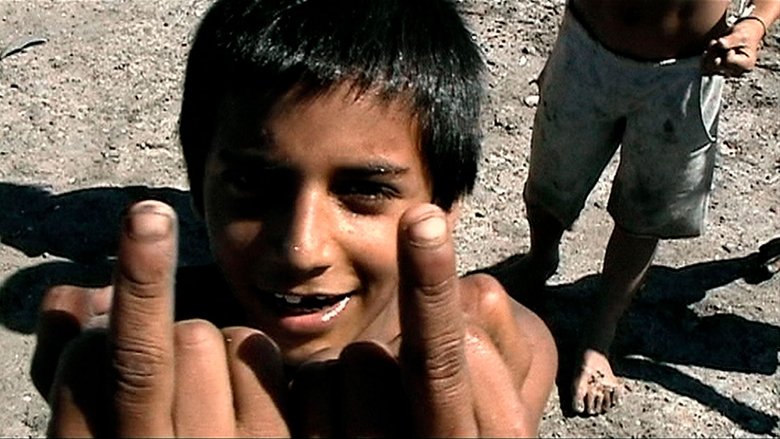
After the fall of the military dictatorship in 1983, successive democratic governments launched a series of reforms purporting to turn Argentina into the world's most liberal and prosperous economy. Less than twenty years later, the Argentinians have lost literally everything: major national companies have been sold well below value to foreign corporations; the proceeds of privatizations have been diverted into the pockets of corrupt officials; revised labour laws have taken away all rights from employees; in a country that is traditionally an important exporter of foodstuffs, malnutrition is widespread; millions of people are unemployed and sinking into poverty; and their savings have disappeared in a final banking collapse. The film highlights numerous political, financial, social and judicial aspects that mark out Argentina's road to ruin.
The Hour of the Furnaces
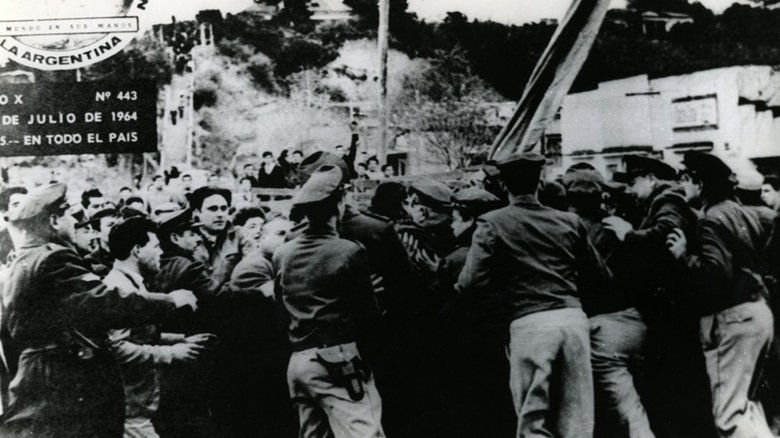
An impassioned three-part documentary of the liberation struggle waged throughout Latin America, using Argentina as a historical example of the imperialist exploitation of the continent. Part I: Neo-Colonialism and Violence is a historical, geographic, and economic analysis of Argentina. Part II: An Act For Liberation examines the ten-year reign of Juan Perón (1945-55) and the activities of the Peronist movement after his fall from power. Part III: Violence and Liberation studies the role of violence in the national liberation process and constitutes a call for action.

What Do You Know About Me
Until the 1970s, Italian cinema dominated the international scene, even competing with Hollywood. Then, in just a few years, came its rapid decline, the flight of our greatest producers, a crisis among the best writer-directors, the collapse of production. But what are the true causes and circumstances of this decline? In an attempt to provide an answer to this question, Di Me Cosa Ne Sai strives to depict this great cultural change. Begun as a loving examination of Italian cinema, the film transformed into a docu-drama that alternates between interviews with the great names of the past and fragments of cultural and political life of the last 30 years. It is a travel diary that shows Italy from north to south, through movie theatres; television-addicted kids; Berlusconi and Fellini; shopping centers; TV news editors; stories of impassioned film exhibitors and directors who fight for their films; and interviews with itinerant projectionists and great European directors.
The Next Station
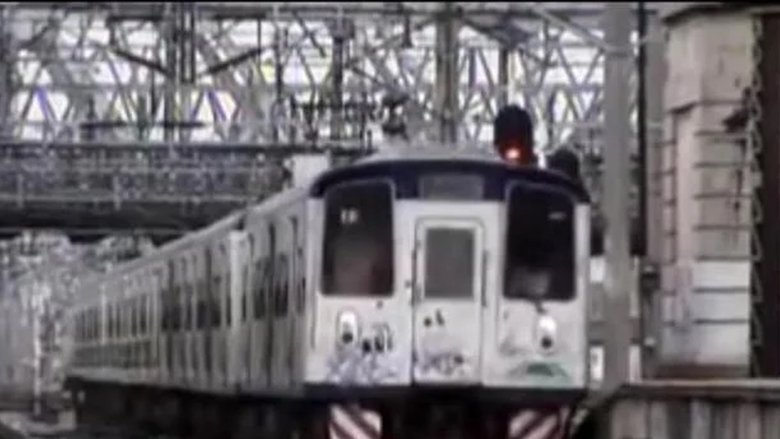
The history of the Argentine railways, from 1857 until the crisis of the current transport system. The closing of branches of the railway lines turned towns whose main source of work was the train into ghost towns. The privatization of the lines caused the dismissal of tens of thousands of workers as well as the deterioration of public service, causing in turn the increase of motor transport and the multiplication of automobile accidents.

The Inconclusive Independence
Documentary about the independence and history of Latin America.

Dar la cara
Three boys from very different backgrounds who have just finished their military service must face the complex social reality of Argentina.
Debtocracy
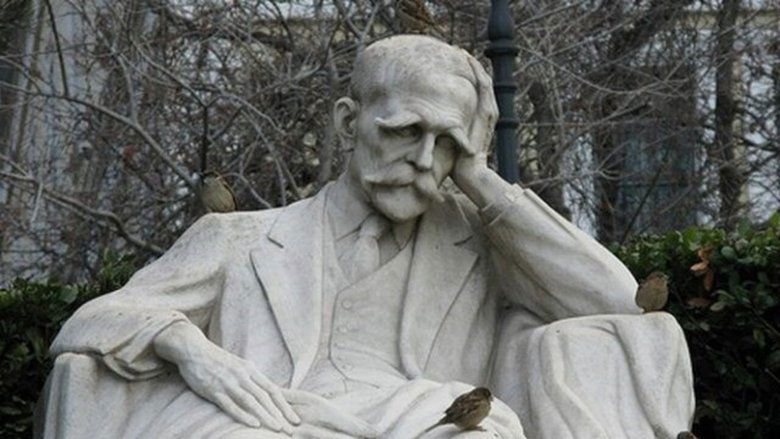
Debtocracy seeks the causes of the Greek debt crisis and proposes solutions sidelined by the government and the dominant media. It follows countries like Ecuador that created debt Audit Commissions and tracks this process in Greece.
The Cloud
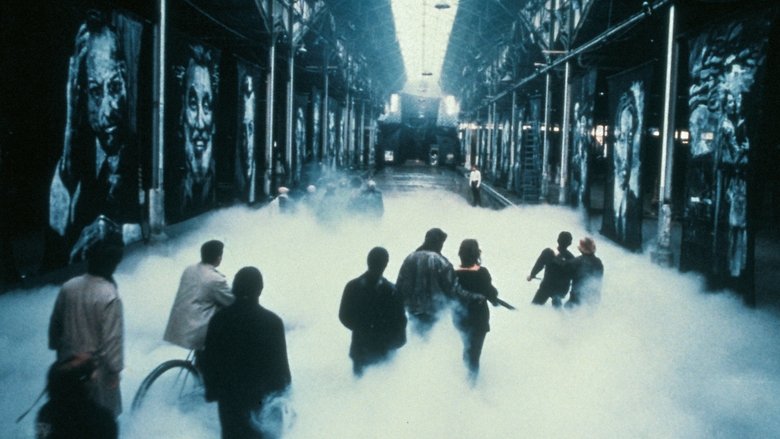
A black cloud brings 1600 days of rain to Buenos Aires, while traffic and pedestrians move backwards. Aging actor Max (Eduardo Pavlovsky) runs the Mirror Theater in a former fish market, but lack of funding means a possible demolition. Max is attracted to Brazilian dancer Fulo (Angela Correa), who worries about her daughter back home. Amid political corruption and police brutality, Max's elderly colleague Enrique leads a protest for unpaid old-age pensions. The pensioners succeed in their demands, only to learn from a government official that no money is available to pay them.
Latinoamérica, territorio en disputa
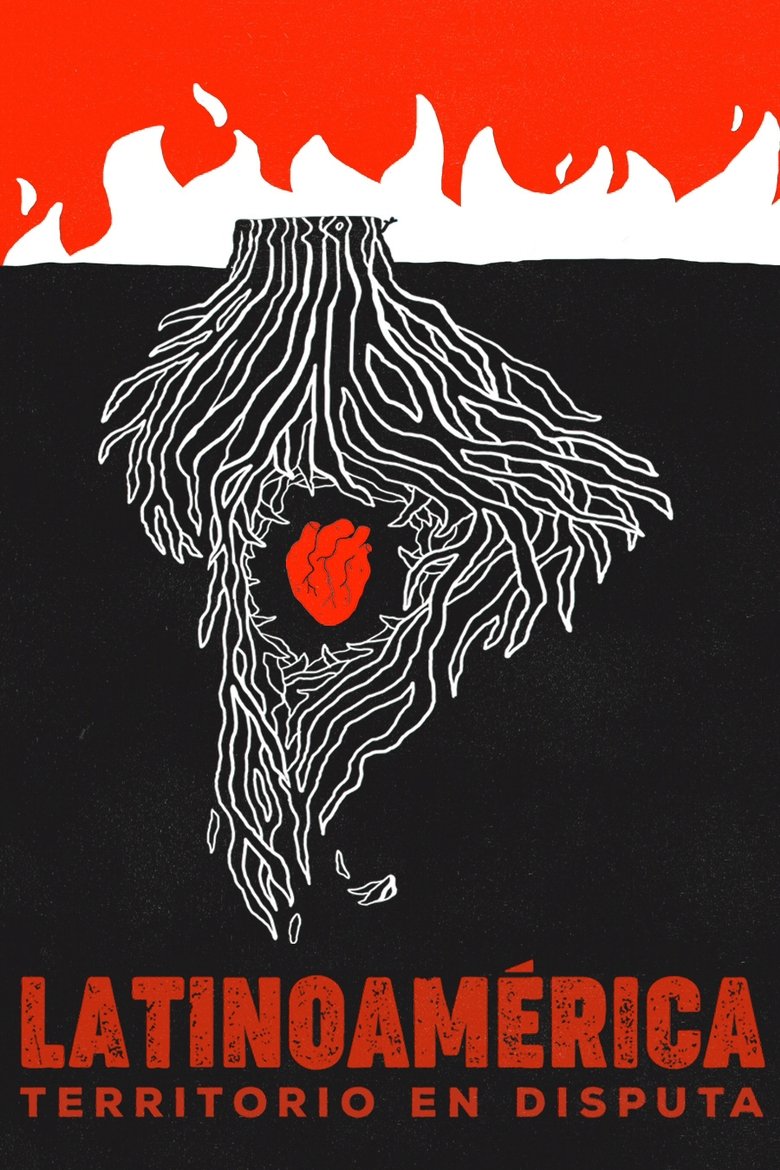
Documantary film on the dispute for the hegemony of the Latin American continent between conservative forces and popular movements.
Filmography
as Entrevistado
as Self - Narrator
as Self (archive footage)
as (voz)
as Self - Argentine Cinematographic Referent
as Self - Filmmaker and Congressman. Argentina
as Self
as Él mismo
as Narrator (voice)
as Narrator
as Cameo-estudiante 1 (no acreditado)