
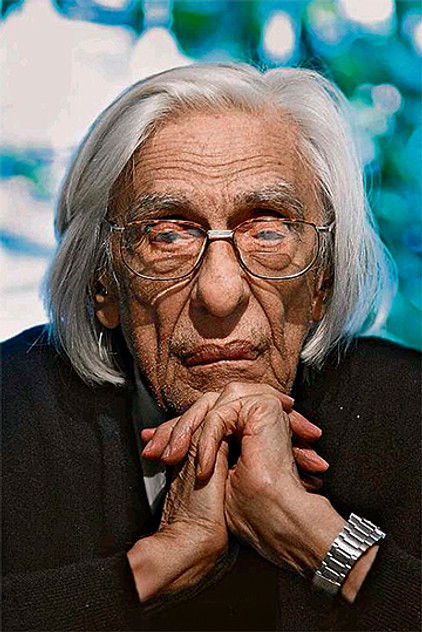
Ferreira Gullar
Acting
Biography
Ferreira Gullar, pseudonym of José Ribamar Ferreira (São Luís, September 10, 1930 – Rio de Janeiro, December 4, 2016), was a Brazilian writer, poet, art critic, biographer, translator, memoirist and essayist and one of the founders of neoconcretism. He was the candidate for chair 37 of the Brazilian Academy of Letters, in the vacancy left by Ivan Junqueira, of which he took office on December 5, 2014.
Born: September 10, 1930
Place of Birth: São Luís, Maranhão, Brazil
Known For
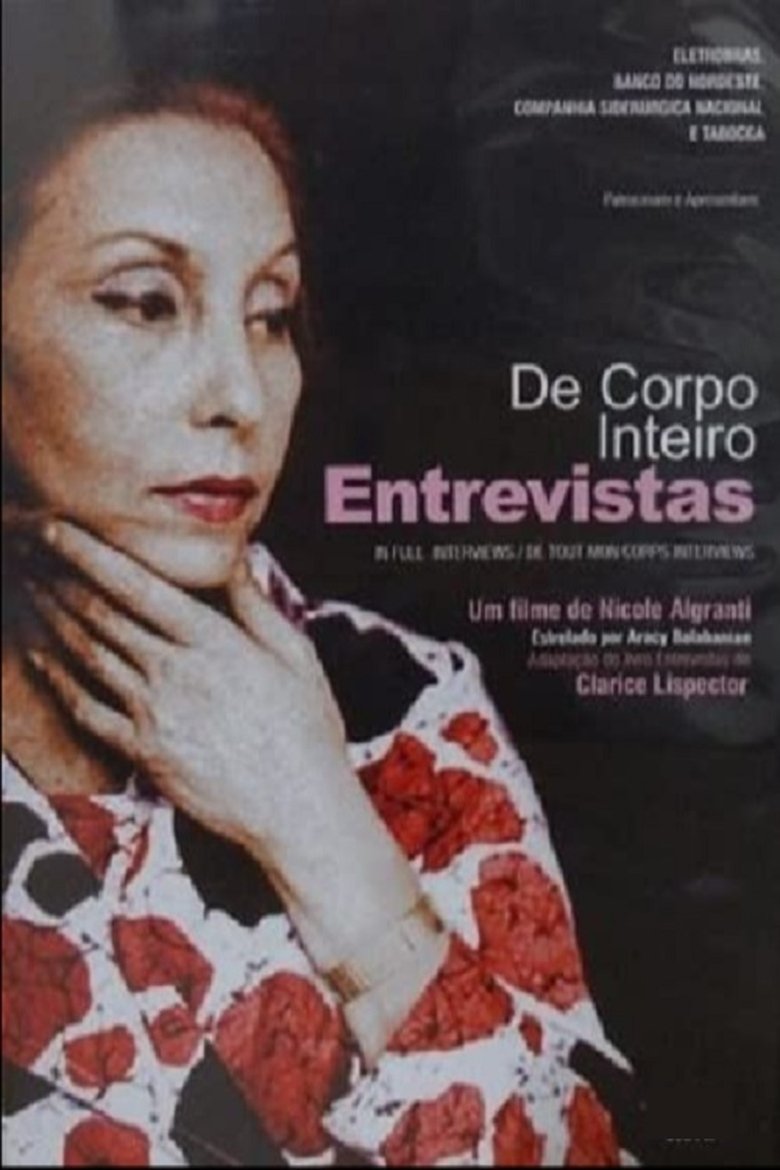
The Inventor of Dreams
Mixed with fiction and documentary, the film relives the interviews conducted by the writer Clarice Lispector published in the magazines "Manchete" and "Fatos and Fotos" in the 1970s.
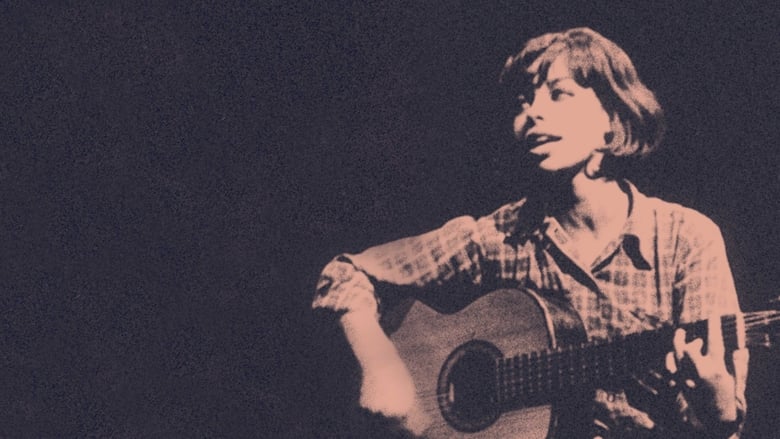
O Canto Livre de Nara Leão
Nara Leão revolutionized Brazilian music, broke prejudices, confronted the military dictatorship, opened paths for women. All this without changing the tone of her voice.
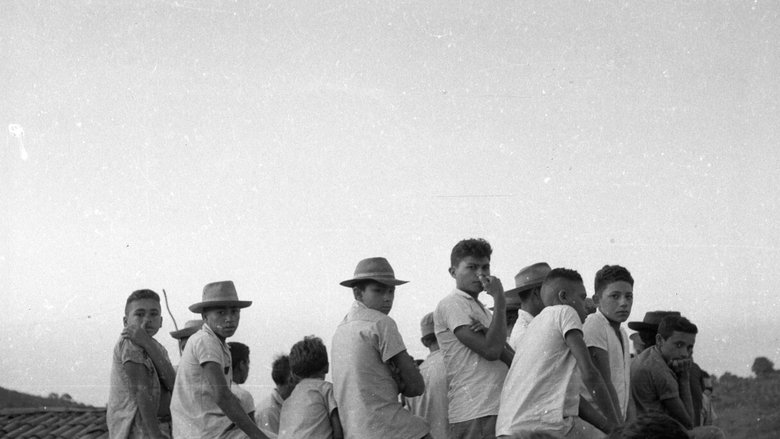
Absolute Majority
The documentary depicts the everyday of illiterate rural workers in Northeast Brazil, living under extreme misery. Although incapable of writing, they are aware of their condition and qualified to proposing solutions they hope for to their problems.

Twenty Years Later
Eduardo Coutinho was filming a movie with the same name in the Northeast of Brazil, in 1964, when there came the military coup. He had to interrupt the project, and came back to it in 1981, looking for the same places and people, showing what had ocurred since then, and trying to gather a family whose patriarch, a political leader fighting for rights of country people, had been murdered.
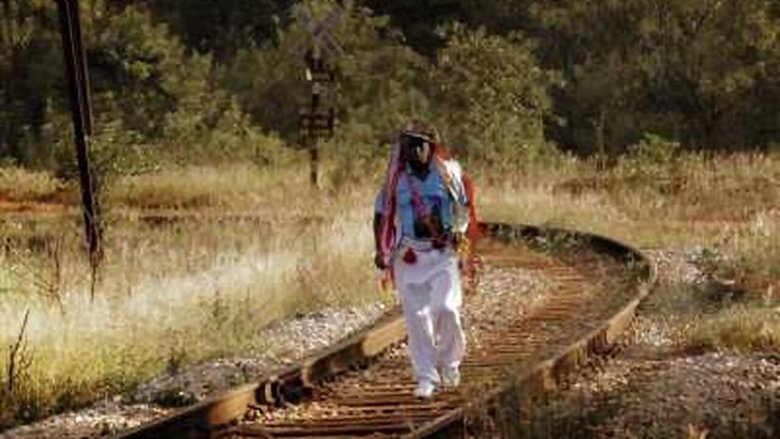
Estrada de Sonhos
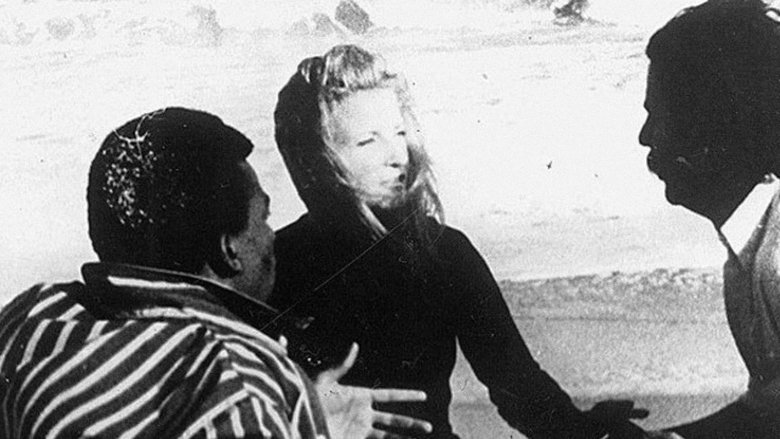
Câncer
This film shows people with constant psychological and social conflicts: the violence among outlaws, conflicts between man and woman, police and society.

Plano B
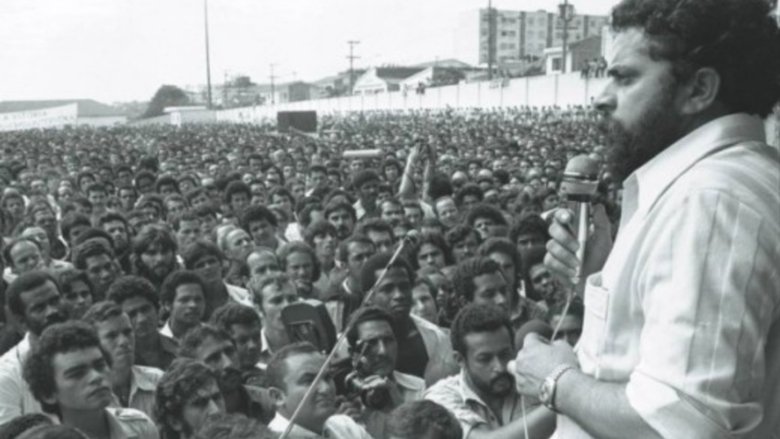
ABC of a Strike
ABC of a Strike captures the 1979 metal workers strikes outside of São Paulo. The footage sat untouched until after the death of highly-regarded director Leon Hirszman in 1987, by which time the material had a new relevance. The gripping film captures the negotiations between the labor unions and the factory bosses and shows the birth of the region’s Worker’s Party, as well as the emergence of its charismatic leader, Luiz Inácio Lula da Silva. Rising from extreme poverty, Lula gained national prominence as a union activist during the late 70s and early 80s. After being jailed during his time as a union leader, he eventually becomes Brazil’s president from 2003 to 2010.

Brasilia, Contradictions of a New City
In 1967, de Andrade was invited by the Italian company Olivetti to produce a documentary on the new Brazilian capital city of Brasília. Constructed during the latter half of the 1950s and founded in 1960, the city was part of an effort to populate Brazil’s vast interior region and was to be the embodiment of democratic urban planning, free from the class divisions and inequalities that characterize so many metropolises. Unsurprisingly, Brasília, Contradições de uma Cidade Nova (Brasília, Contradictions of a New City, 1968) revealed Brasília to be utopic only for the wealthy, replicating the same social problems present in every Brazilian city. (Senses of Cinema)
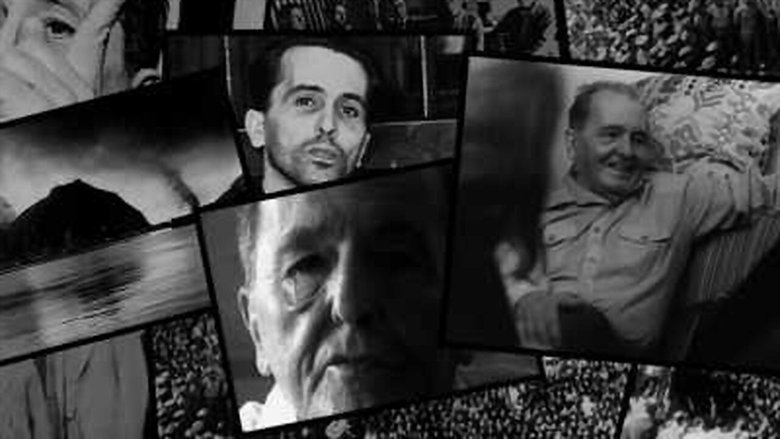
The Comrade: The Life of Luiz Carlos Prestes
Chronicles the life of military lieutenant, later communist militant and Brazilian politician Luiz Carlos Prestes.
Filmography
as Self (voice)
as Self
as Self (archive footage)
as Self
as himself
as Self
as Self
as Self
as Self
as Self
as Self (archive footage)
as Self (voice)
as Self
as Narrator (voice)
as Narrator
as Narrator
as Narrador
as Narrator (voice)
as Narrator
as Narrador
as Self
as Narrator
as narrador
as Narrator (voice)
as Narrator (voice)
as Self
as Davi Martins
as Narrador
as Narrador
as Chefe da redação
as Narrator (voice)
as Narrador
as Narrator (voice)