
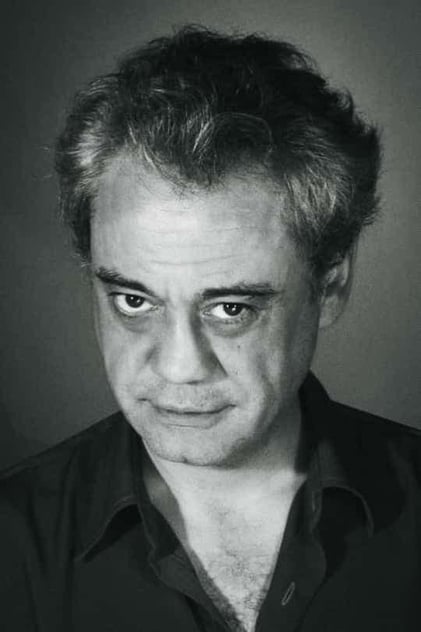
Félix Cubero
Acting
Biography
No biography available for Félix Cubero.
Born: June 18, 1961
Place of Birth: La Rioja, Spain
Known For

La que se avecina
La que se avecina is a Spanish television comedy created by Alberto Caballero, Laura Caballero and Daniel Deorador. The TV-series focusing around the inhabitants of Mirador de Montepinar, a fictional building located on the outskirts of a big city. Both its storylines and cast are heavily based on Aquí no hay quien viva, which ended when Telecinco bought Miramón Mendi, the series production company. The episodes debuted on the Telecinco network, and were later rerun by the same network as well as cable/satellite channels FactoríaDeFicción and Paramount Comedy. The series debuted in 22 April 2007 and became popular thanks to its funny characters, witty script, use of catchphrases and capacity to integrate and poke fun at contemporary issues; the program presents a caustic satire of many of the 'types' found in Spanish society. The name of the show involves wordplay, as "vecina" is the Spanish word for neighbour.

Vientos de agua
Vientos de agua is a 2006 cult Argentine- Spanish mini TV series created by Juan José Campanella. The drama traces a Spaniard's emigration to Argentina in the 1930s, and, years later, his son's return to modern-day Spain. It aired in Spain in January 2006, on Telecinco for only one series of 13 episodes. While a hit in Argentina, because of lower ratings in Spain it was taken out of the prime-time slot to 1.00 in morning, and was eventually cancelled due to downloading of series from the internet. Despite a campaign of support to continue into a second series it only produced 13 episodes. Despite this the series was a hit in DVD sellings.
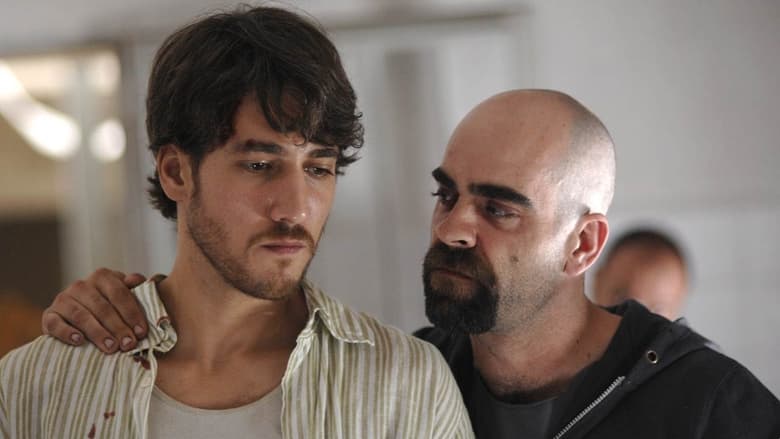
Cell 211
The story of two men on different sides of a prison riot -- the inmate leading the rebellion and the young guard trapped in the revolt, who poses as a prisoner in a desperate attempt to survive the ordeal.

Biutiful
This is a story of a man in free fall. On the road to redemption, darkness lights his way. Connected with the afterlife, Uxbal is a tragic hero and father of two who's sensing the danger of death. He struggles with a tainted reality and a fate that works against him in order to forgive, for love, and forever.

Cuéntame cómo pasó
Recounts the experiences of a middle-class family, the Alcántaras, during the last years of the rule of Francisco Franco and the beginning of the Spanish Transition to democracy.
Cuéntame cómo pasó
Recounts the experiences of a middle-class family, the Alcántaras, during the last years of the rule of Francisco Franco and the beginning of the Spanish Transition to democracy.
Cuéntame cómo pasó
Recounts the experiences of a middle-class family, the Alcántaras, during the last years of the rule of Francisco Franco and the beginning of the Spanish Transition to democracy.

The Suicide Club
What should you do if you are young, handsome but your life is terribly boring? Of course to die! Who can help you? Of course, two your best friends. But what if assisted suicide becomes an original way to earn? When a business plan comes to mind to the three adventurers they are no longer up to the death!
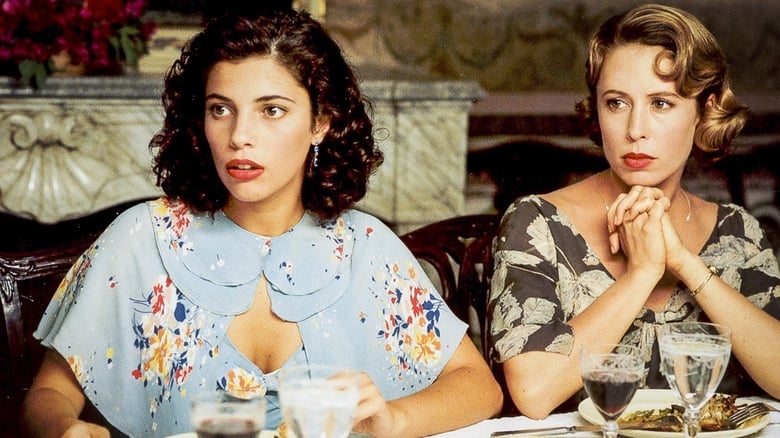
Belle Époque
In 1931, a young soldier deserts from the army and falls into a country farm, where he is welcomed by the owner due to his political ideas. Manolo has four daughters, Fernando likes all of them and they like him, so he has to decide which one to love.
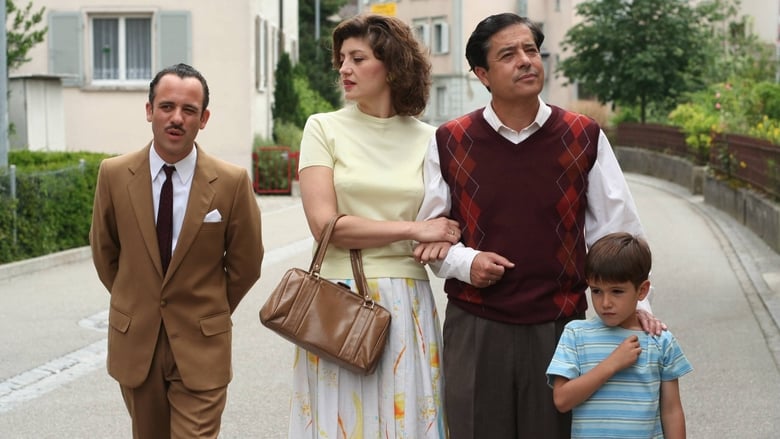
Crossing Borders
In 1960, Martín and Marcos are forced by their difficult personal circumstances to travel to Switzerland in search of work, leaving their families in the Madrid of Franco's Spain. But they undertake more than a simple journey; they begin the road to a new life.
Filmography
as Burócrata
as Germán
as Operario cementerio
as Director
as Instructor Adopciones
as Trabajador 2
as Jesús
as Policía
as Sacerdote
as Capataz
as Gasolinero
as Carbajales
as Terapeuta
as Head #2
as Padre Fátima
as Soltero
as Medico Iglesia
as Repartidor de propaganda
as Palomo