
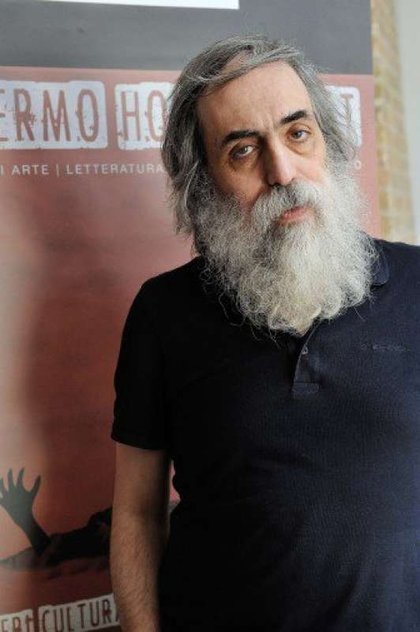
Franco Maresco
Directing
Biography
No biography available for Franco Maresco.
Born: May 5, 1958
Place of Birth: Palermo, Sicily, Italy
Known For
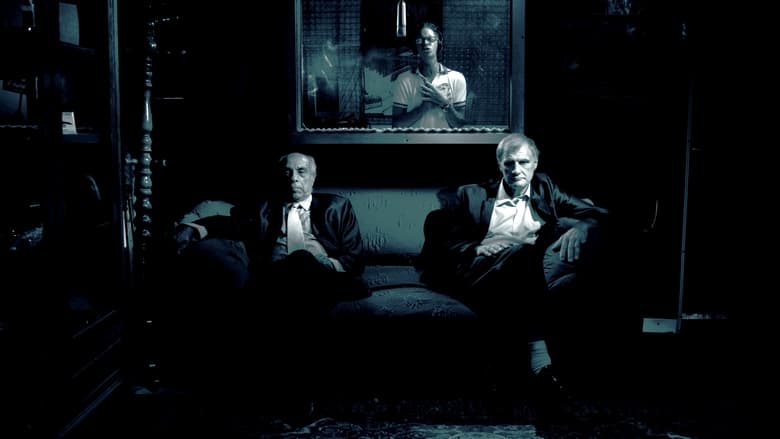
Mafia Is Not What It Used to Be
Palermo, Sicily, Italy, 2017. Twenty-five years after the murders of anti-mafia judges Giovanni Falcone, on May 23, 1992, and Paolo Borsellino, on July 19, 1992; and on the occasion of the tributes held in memory of both heroes, skeptical photographer Letizia Battaglia, chronicler of their titanic combat, criticizes the opportunism of shady characters who, like businessman Ciccio Mira, profit from the commemoration of both tragedies.

Bravo Bene!
Filming on Franco Maresco's film about Carmelo Bene is abruptly halted after yet another on-set accident. Producer Andrea Occhipinti pulls the plug, exasperated by the endless takes and repeated delays. Angered, the director simply disappears. Maresco's friend, Umberto Cantone, attempts to mend the rift by calling witnesses from all those involved in the project, in an investigation that offers an opportunity to retrace the personality and ideas of the most corrosive and apocalyptic auteur in Italian cinema.

The Uncle from Brooklyn
Set in apocalyptic Palermo peopled by ignorant, inbred, flatulent gluttons and deformed Mafiosi, a dark comedy which centers on a poor family of three-middle aged brothers who are coerced, by local Mafia honchos, into hiding a mysterious old man known as the Uncle from Brooklyn in their home.

La mia Battaglia - Franco Maresco incontra Letizia Battaglia
A short homage and portrait that Franco Maresco dedicates to his friend Letizia Battaglia, a world-famous photographer and symbol of the committed, indignant and anti-Mafia side of Palermo.
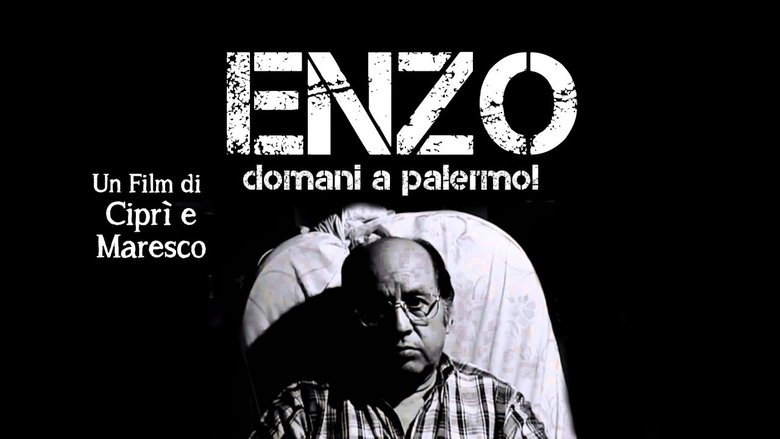
Enzo, domani a Palermo!
Ciprì and Maresco's delicious documentary portrays Sicilian super-agent Enzo Castagna, a man with some 20,000 extras on his books, who has worked with the likes of Loren, Pasolini, Rosi, Coppola and Cimino (indeed, virtually anyone who's ever chosen to film in Palermo). It's typically weird, witty and wonderful, partly due to its subject, a self-styled 'little big man' who consents to be described as 'almighty' and 'the greatest contributor to Italian cinema in the last 35 years'. The local favourite has also done time for bribery, but refuses to comment on Cosa Nostra. The film is as astonishing as its subject. Shot in luscious b/w, it's driven forward by an offscreen interrogator who alternates between ludicrously hyperbolic flattery and forthright questions about corruption and crime. It also serves as a study of the way ethics get abandoned in the unending pursuit of fame, wealth and self-esteem.
Venice 70: Future Reloaded
Made for the Venice Film Festival's 70th anniversary, seventy filmmakers made a short film between 60 and 90 seconds long on their interpretation of the future of cinema.
Détour De Seta
By tracing the places of Vittorio De Seta films and looking for people who had contact with him, as the Cozzo Disi sulfur miners, Ganzirri swordfish fishermens and shepherds who attended in drama Banditi a Orgosolo, the documentary focuses on great change started in local cultures of the Southern Italy from 1945. The film includes an interview with De Seta, conversations with the film directors Luciano Tovoli, Franco Maresco, Gianfranco Pannone, writers Vincenzo Consolo, Goffredo Fofi, Eugenio Turri and the critic Marco Gazzano. Set in Calabria, Sardinia and Sicily, the film was shot in 35mm film and digital, contains stock footage and images taken by De Seta.
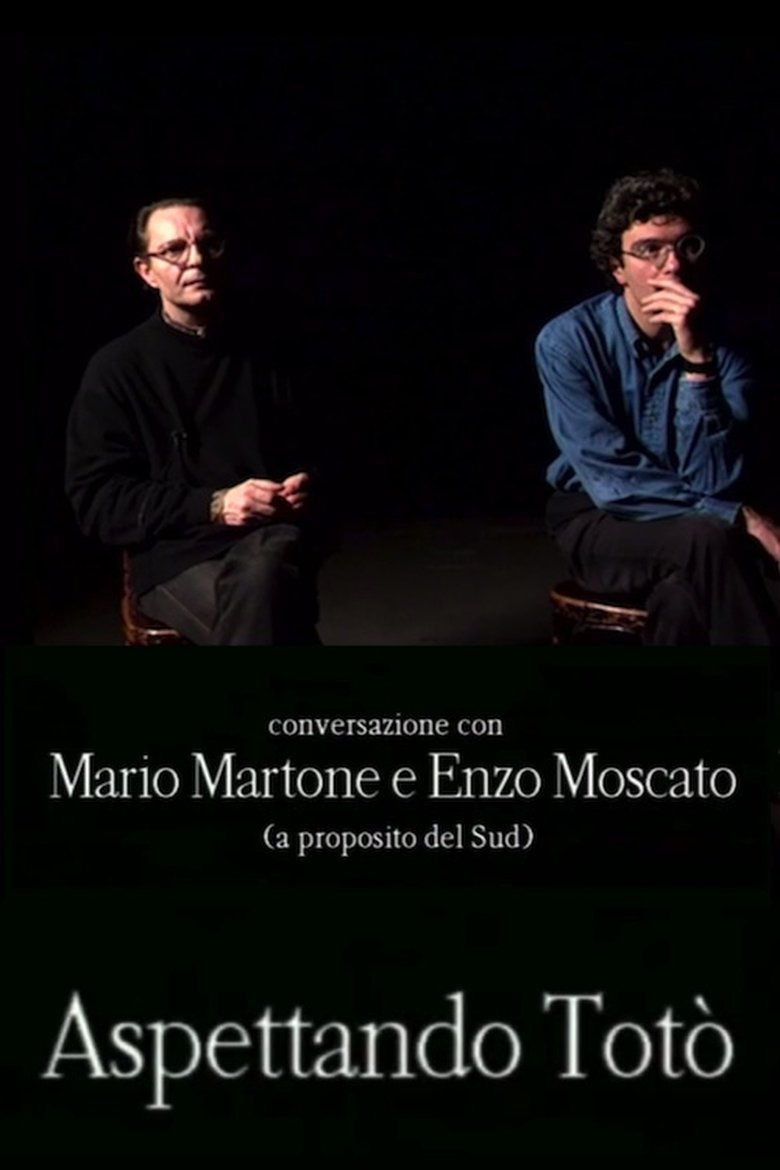
Aspettando Totò
Totò e la censura
Sul Cagliostro perduto
Filmography
as Self
as Self
as Self - Filmmaker / Narrator (voice)
as Sé stesso
as Sé stesso
as Sé stesso
as Self (voice) - interviewer
as (voice)
as Self
as Self (voice) (uncredited)
as Self
as Himself