
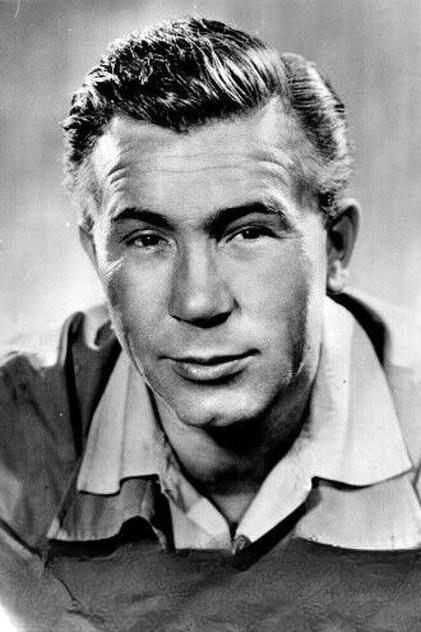
Franz Muxeneder
Acting
Biography
Franz Muxeneder (October 19, 1920 – January 3, 1988) was a German character and folk actor of Austrian origin, best known for his warm, comedic screen presence. After early careers as a mechanic, ski instructor, and civil servant, he turned to acting in the 1940s and trained in Salzburg, making his stage debut at the Salzburg State Theatre and later appearing regularly at the Salzburg Festival. From the 1950s onward, Muxeneder became a familiar face in German-language cinema, often portraying simple-minded or good-natured supporting characters in popular Heimat films, comedies, and later sex comedies. His extensive filmography includes classics such as Drei Männer im Schnee, Die Trapp-Familie, and Der brave Soldat Schwejk. He was also active in television and radio, remaining a beloved figure of popular entertainment until shortly before his death in 1988.
Born: October 19, 1920
Place of Birth: Salzburg, Austria
Known For
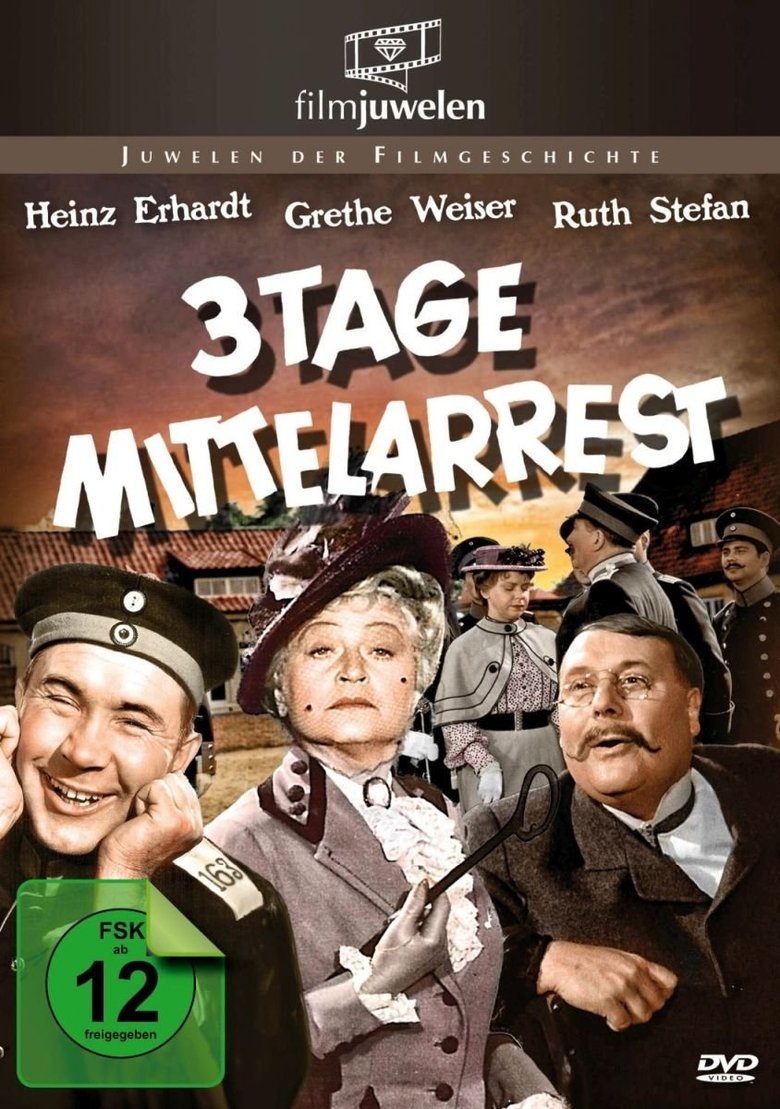
Drei Tage Mittelarrest

Berliner Weiße mit Schuß
Berliner Weiße mit Schuß is a German television series.

Dem Täter auf der Spur
Dem Täter auf der Spur is a German television series.
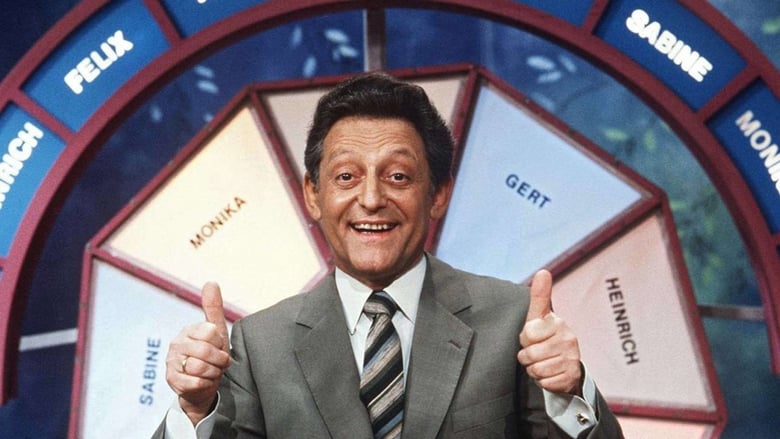
Dalli Dalli
Dalli Dalli
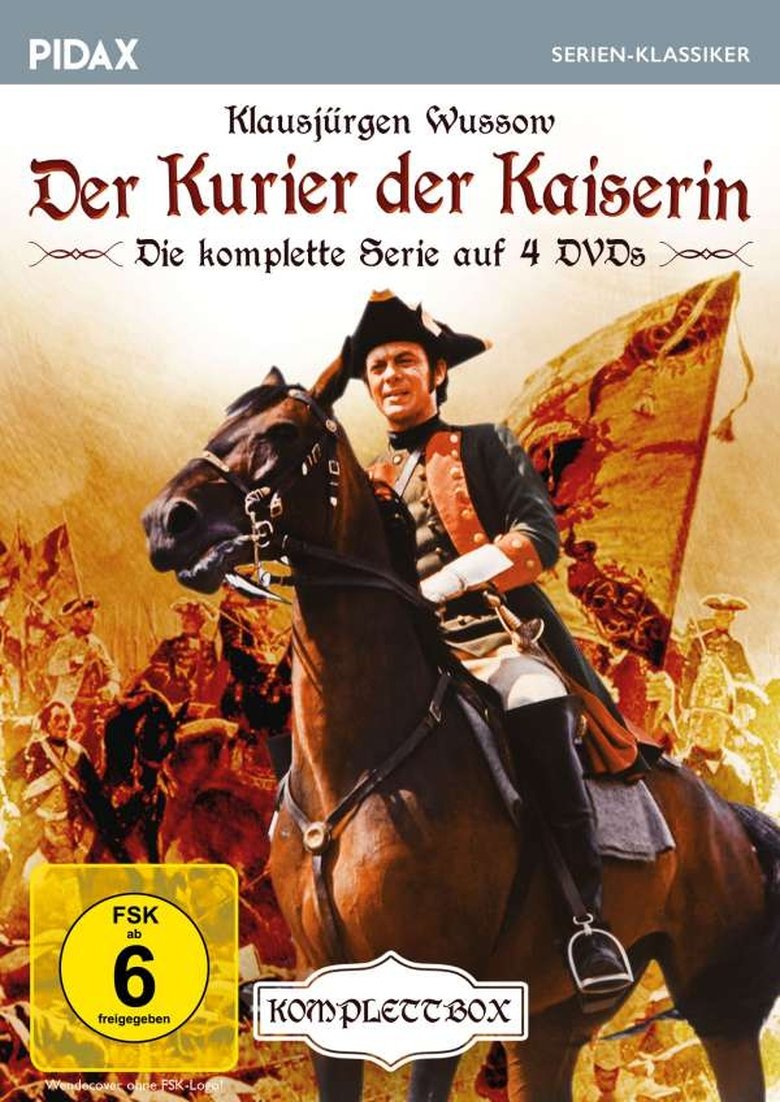
Der Kurier der Kaiserin
Der Kurier der Kaiserin is a German Television series.
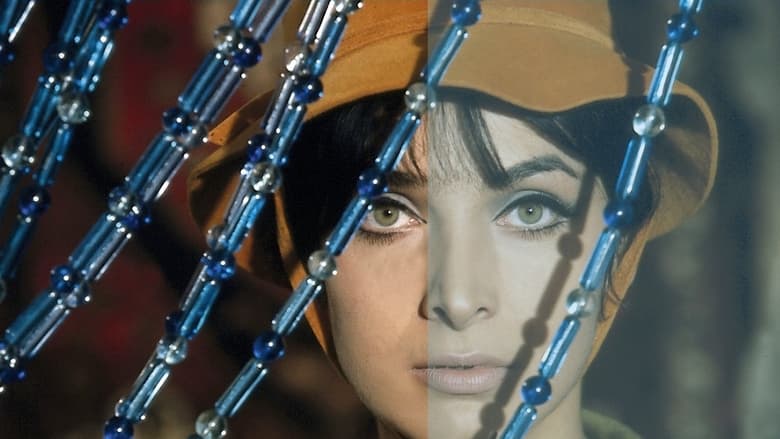
Das Kriminalmuseum
Das Kriminalmuseum was a German television series. It ran from 1963 to 1970 on ZDF and was one of its first programs. Each episode began with a tracking shot through an unspecified crime museum, stopping at one of the displays, whose story was then told. Each episode was between 60 and 75 minutes long and featured different actors as the criminal commissioner. The best known was Erik Ode, who in 1969 moved to Der Kommissar, appearing in 97 episodes. The theme music of the series was written by German composer Martin Böttcher, who also composed the complete scores for five episodes.
Das Kriminalmuseum
Das Kriminalmuseum was a German television series. It ran from 1963 to 1970 on ZDF and was one of its first programs. Each episode began with a tracking shot through an unspecified crime museum, stopping at one of the displays, whose story was then told. Each episode was between 60 and 75 minutes long and featured different actors as the criminal commissioner. The best known was Erik Ode, who in 1969 moved to Der Kommissar, appearing in 97 episodes. The theme music of the series was written by German composer Martin Böttcher, who also composed the complete scores for five episodes.
Das Kriminalmuseum
Das Kriminalmuseum was a German television series. It ran from 1963 to 1970 on ZDF and was one of its first programs. Each episode began with a tracking shot through an unspecified crime museum, stopping at one of the displays, whose story was then told. Each episode was between 60 and 75 minutes long and featured different actors as the criminal commissioner. The best known was Erik Ode, who in 1969 moved to Der Kommissar, appearing in 97 episodes. The theme music of the series was written by German composer Martin Böttcher, who also composed the complete scores for five episodes.
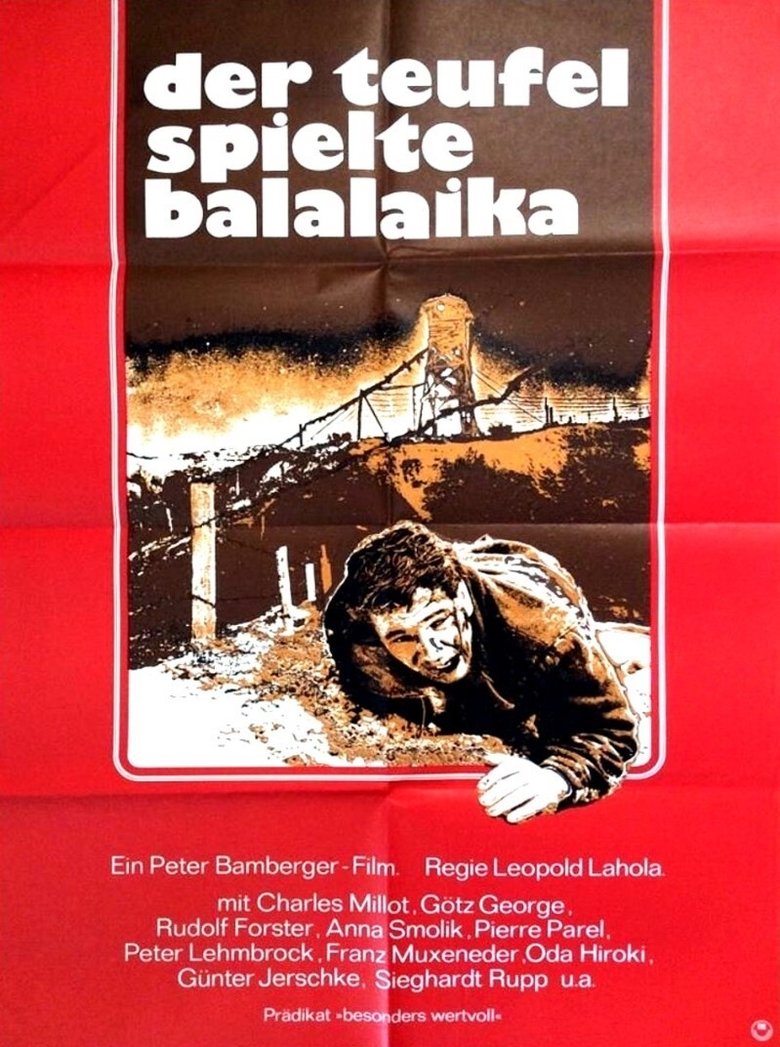
Until Hell Is Frozen
A drama that chronicles the heroic endeavors of POWs trapped within a Russian prison camp in 1950 and their attempts to escape.
Filmography
as Frosch
as Sepp Hintertupfinger
as Schmiedhofer
as Mr. Lechner
as Willy Werfel
as Hausmeister
as Alois Reisbichler
as Kummetat
as Huber-Bauer
as Sumpf
as Priest
as Horst-Clemens Bitterstein
as Alois Brummberger
as Schäfer Astloch
as Bürgermeister Alois Brummberger
as Farmer (archive footage)
as Alois Brummberger
as Pfarrer / Fred Greifmann
as Priester
as Gefreiter Navratil
as Karli
as Mayor Anton Gamsmüller
as Stationsvorsteher
as Sepp Hochkogler
as Wurzelsepp
as Innkeeper
as Kommissar
as Innkeeper
as Max
as Bürgermeister
as Veterinarian
as Andrei
as Möller
as Josef Klimbim
as Bauer
as Wurzelreiner
as Wachtmeister
as Self - Contestant
as Self
as Diener
as Alois
as Vitus Fux
as Pumpernickel
as Pumpernickel
as Wurzeneder
as Schlittschuhläufer
as Léon Bébert
as Mechanic
as Pumpernickel
as Sepp
as Stanko
as Wegscheidbauer
as Räuberhauptmann Grasl
as Aloysius Huber
as Bauer Groh
as Pepi Nindl
as Friedrichs
as Zyprian
as Quirin Vögeler
as Feldwebel Kotorek
as Krummblick
as Ladislaus
as Druckereibesitzer Plumm
as Charly
as Polizeiwachtmeister Stracke
as Das dumpe Seppele
as Siegfried „Sigi“ Reiber
as Ein Schatzgräber
as Josef
as Ludwig
as Deutscher Feldwebel
as Hintermoser
as Martin
as Honig, Bäcker
as Woditschka
as Herr Schnitzler
as Seppl
as Wokurka
as Jan
as Wokurka
as Xaver
as Pepp
as Franz Pillot
as Blas
as Blasi, Knecht bei Lechner
as Sepp Nisch
as Vogler
as Theo
as Gäbri, der Dorfnarr
as Sepp Kapfinger
as Karl Kleinholz
as Ayudante dueño garito
as Obergefreiter Hallgruber
as Jaroslav Huber
as Musketier Franz Nowalski
as Schnabl
as Graswander Toni
as Philipp
as Hupp
as Paco
as Beppo, der Narr
as Toni
as Hense
as Kuno
as Thomas Anrainer
as Holzarbeiter