
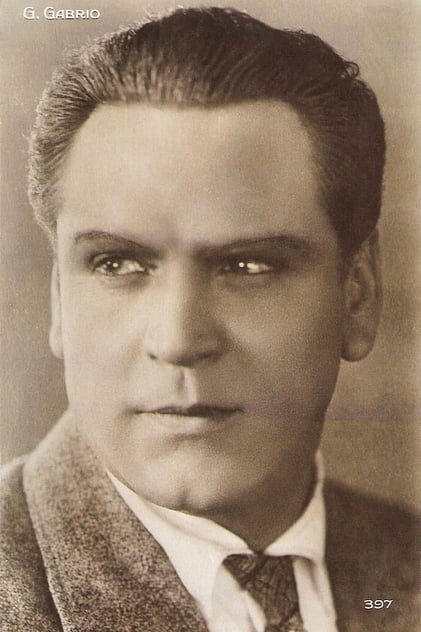
Gabriel Gabrio
Acting
Biography
From Wikipedia, the free encyclopedia. Gabriel Gabrio (13 January 1887 – 31 October 1946) was a French stage and film actor whose career began in cinema in the silent film era of the 1920s and spanned more than two decades. Gabrio is possibly best recalled for his roles as Jean Valjean in the 1925 Henri Fescourt-directed adaptation of Victor Hugo's Les Misérables, Cesare Borgia in the 1935 Abel Gance-directed biopic Lucrèce Borgia and as Carlos in the 1937 Julien Duvivier-directed gangster film Pépé le Moko, opposite Jean Gabin. Description above from the Wikipedia article Gabriel Gabrio, licensed under CC-BY-SA, full list of contributors on Wikipedia.
Born: January 13, 1887
Place of Birth: Reims, Marne, France
Known For
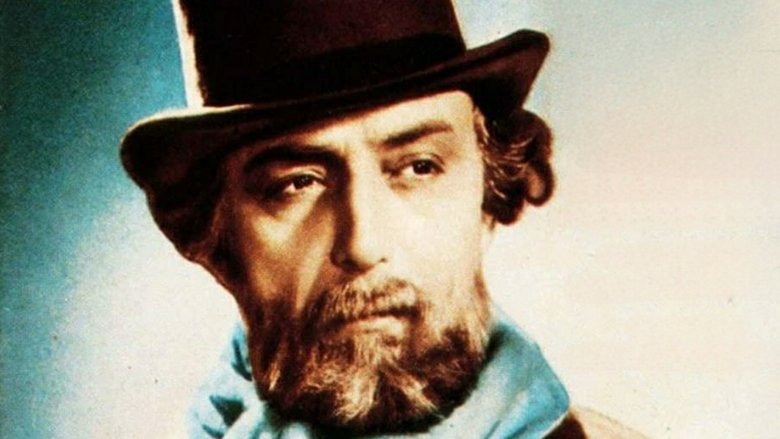
The Life of Giuseppe Verdi
The great Italian opera composer recalls his eventful life on his deathbed: his childhood in Busseto, his studies in Milan, his first opera "Oberto, conte di San Bonifacio", the death of his wife and his children killed by smallpox.
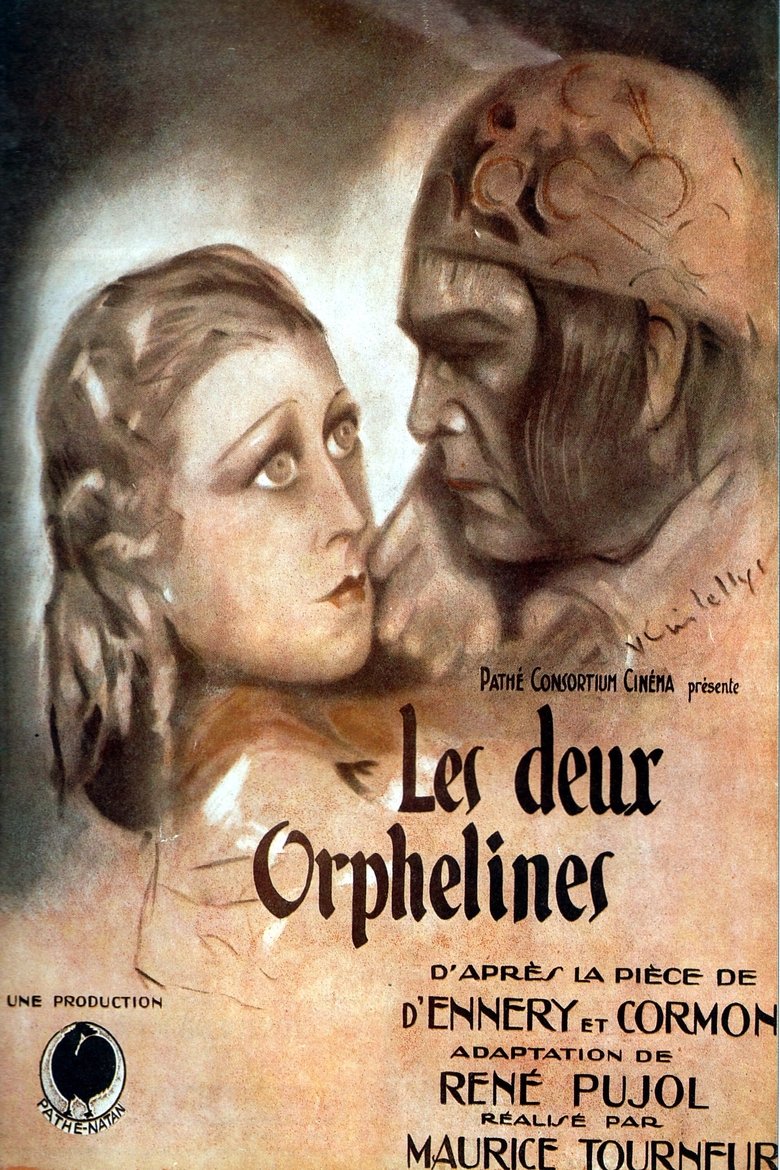
The Two Orphans
A more small scale version of the story Griffin used for his epic Orphans Of The Storm: a doctor tries to reunite two sisters who have become separated from each other during the whirlwind of the French Revolution.
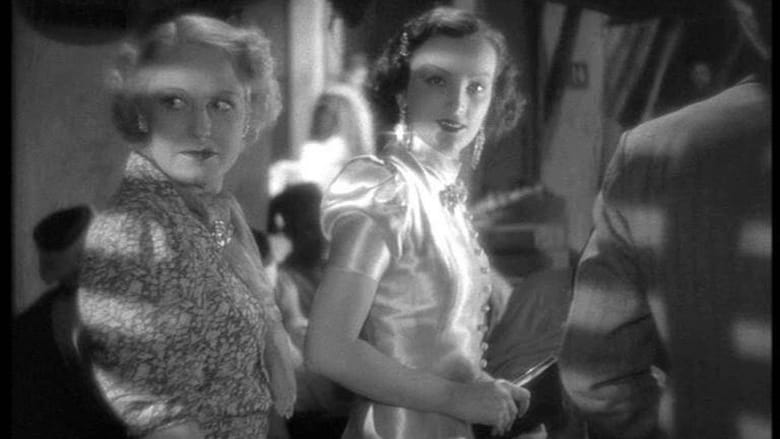
Pépé le Moko
Pépé le Moko, one of France's most wanted criminals, hides out in the Casbah section of Algiers. He knows police will be waiting for him if he tries to leave the city. When Pépé meets Gaby, a gorgeous woman from Paris who is lost in the Casbah, he falls for her.
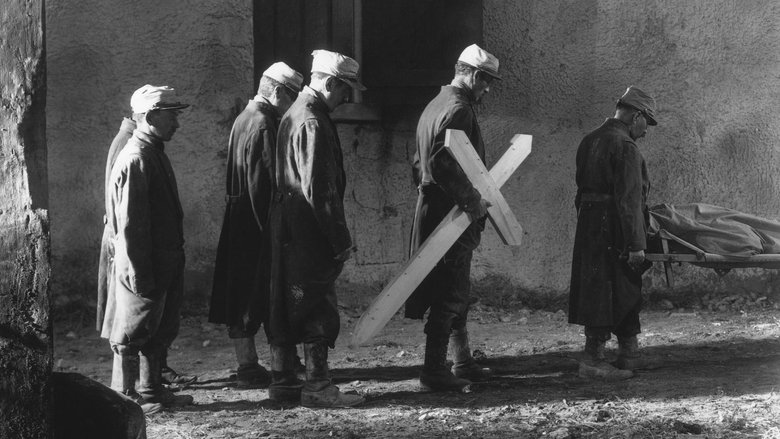
Wooden Crosses
The young and patriotic student Demachy joins the French army in 1914 to defend his country. But he and his comrades soon experience the terrifying, endless trench war in Champagne, where more and more wooden crosses have to be erected for this cannon fodder.
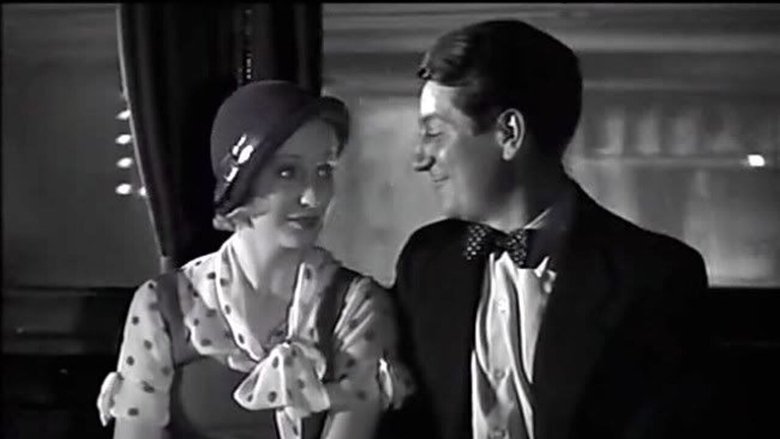
Happy Hearts
A silent film theater projectionist is kidnapped by a gangster group, so he can show them footage of a Dutch jewel dealer they want to steal from. The head gangster's sister helps foil their plan.
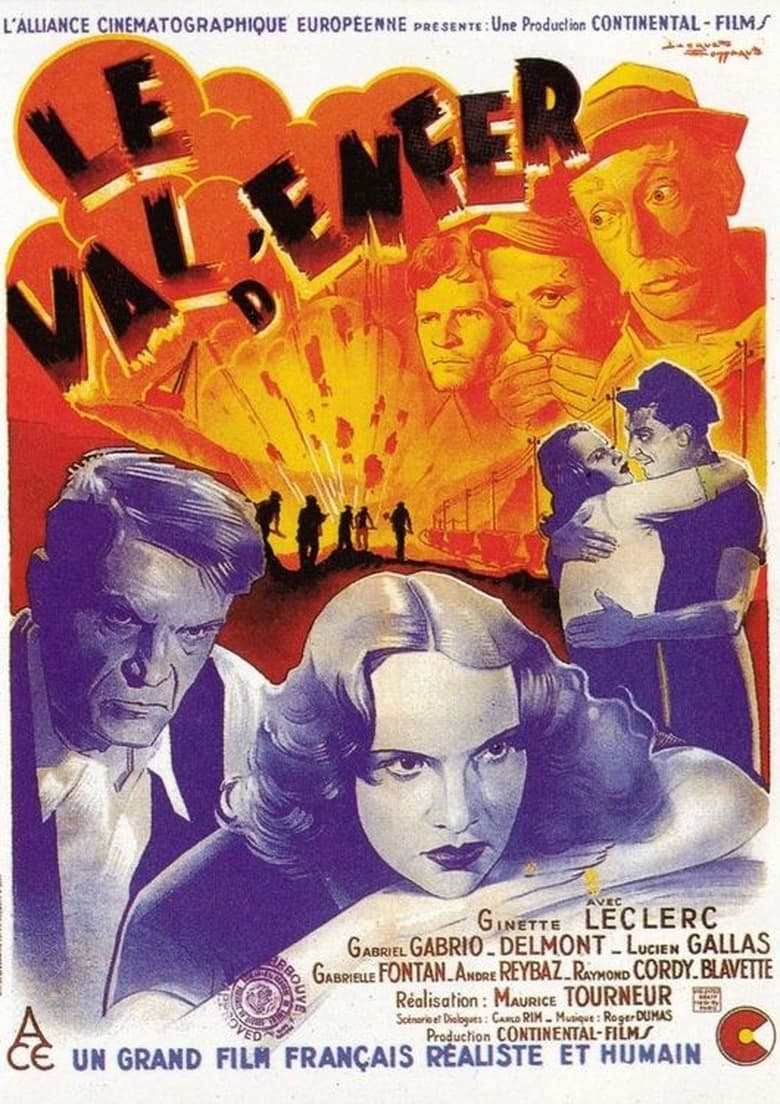
Valley of Hell
Noël Bienvenu, owner of a career, is a widower and lives with his parents. His son Bastien, whom he despises, was sentenced to six months in prison for theft. Noël goes to see a dying friend, Romieux, who asks him to take care of his daughter Marthe, who has settled in Paris (Batignolles district). Noël goes there and discovers that Marthe is destitute (her lover Gaston being an incarcerated mobster): he then offers her to come and live with him and soon, marries her.

The Joker
Georg Jacoby’s Jokeren is a light-hearted entertainment picture set during the carnival in Nice, a romantic comedy with a touch of melodrama. A young artist, fatally injured in a car accident, foolishly entrusts a batch of compromising love letters to Borwick, a crooked and unscrupulous lawyer, instructing him to destroy them. Instead, Borwick proceeds to blackmail the woman who sent the letters, Lady Cecilie Powder, married to the straight-arrow Sir Herbert Powder. Lady Cecilie gets help from her spunky younger sister Gill. In turn, she draws in Peter Carstairs, a debonair adventurer known to all as “the Joker” – the card that trumps all others. When the Joker repeatedly foils Borwick’s schemes, the crooked lawyer ups the ante, trying to incriminate his adversary Carstairs and expanding his demands to include marriage to Gill. But as the characters converge at yet another lavish carnival celebration party, it becomes clear that one card does indeed trump all the others: the Joker!

In the Name of the Law
The story is about a drug ring and the finally successful efforts of the Paris police to break it up. A young detective goes into a den in Paris' Chinatown, following a clue, and that is the last seen of him until his body is found floating in the Seine several days later. The only clue is a woman's glove. The dead man's friends on the force vow to avenge him, and receive information leading them to suspect one Sandra, a beautiful foreigner, played by the stunning Marcelle Chantal.
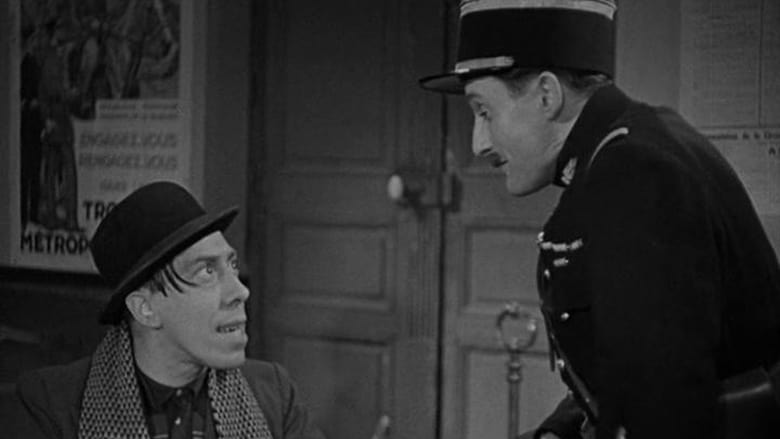
Harvest
In the 30s, a small village in the Provence is losing its inhabitants because young people prefer to go to the city to find easy jobs and escape from being farmers living in relative poverty. Only a few old people and the poacher Panturle remain. Panturle dreams of bringing the village back to life, finding a wife, founding a family and work as a farmer. One day, the village is visited by a traveling knife-grinder, Urbain Gedemus and a young woman, Arsule. Gedemus treats Arsule like a slave, but Arsule accept this because she has nowhere to go and -we guess- her 'work' with Gedemus is the last thing that saves her from being a prostitute. When she meets Panturle and knows about his dreams, she escapes from Gedemus and decides to stay with him. Together, they start a new life, made of hard farming work but mostly of happiness to have each other, fulfilling the earlier dreams of Panturle. Can anything break the happiness of their new life?
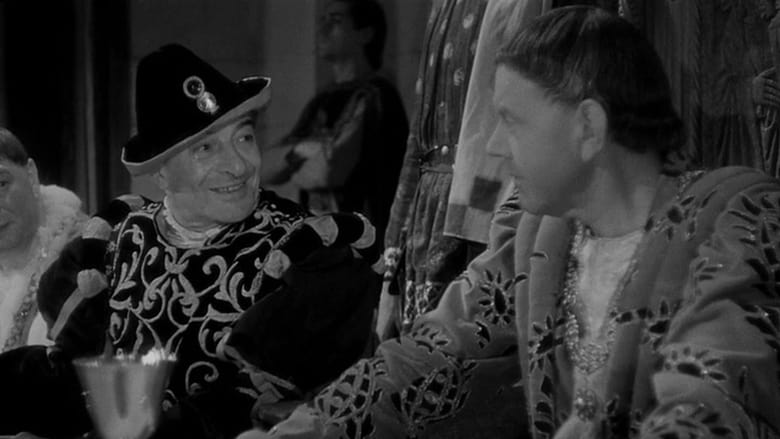
The Devil's Envoys
At the end of the 15th century, a man and a woman, posing as traveling minstrels, are sent by the Devil to a castle to seduce its inhabitants.
Filmography
as Noël Bienvenu
as The Executioner
as Charles
as Honoré De Balzac
as Panturle, le paysan d'Aubignane
as Vauquelin
as Carlos
as Nikita
as César Borgia
as Mounier
as Fiocle
as James Godfrey
as Jacques
as Olivier
as Gregory
as Amédée
as Sulphart
as Rabbas
as Philipp Bennett
as Fermin
as Sir Herbert Powder
as Debreole
as Germain Sabrier
as Jean Valjean