
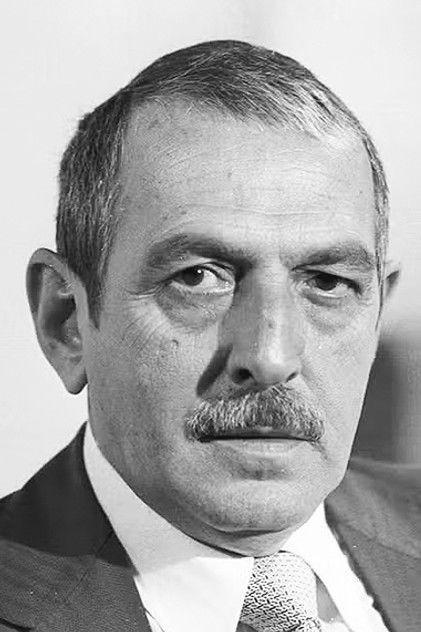
Germano Filho
Acting
Biography
Germano Pinho da Cruz Filho (Rio Grande, April 22, 1930 – Rio de Janeiro, April 26, 1995) was a Brazilian actor.
Born: April 22, 1930
Place of Birth: Rio Grande, Rio Grande do Sul, Brazil
Known For

Gabriela

Feijão Maravilha
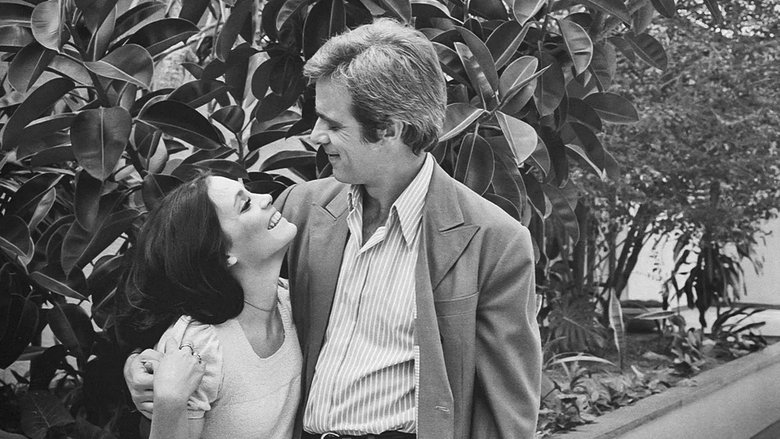
Selva de Pedra
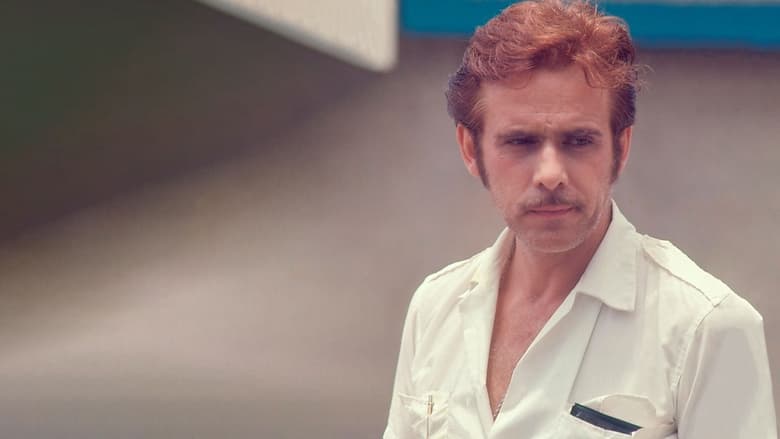
Pecado Capital
Carlão is a taxi driver who experiences a drama of conscience after fleeing bank robbers leave a suitcase with stolen money in his car: he doesn't know whether to hand it over to the police, running the risk of being accused of being an accomplice in the robbery, or whether to use the money to solve his problems.

Saramandaia
Saramandaia is a Brazilian telenovela originally written by Dias Gomes in 1976. It's considered remarkable because of the Magic Realism (used by the author to subtly criticize the Military Regime of the time) and had 160 chapters. The story centers on the name change that the city undergoes, promoted by the younger citizens and reviled by the older ones. It also focuses on the lives of the city's quirky residents.

Partido Alto
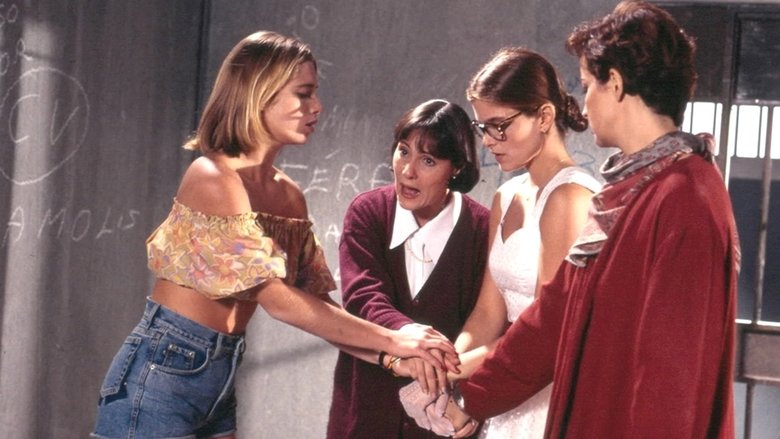
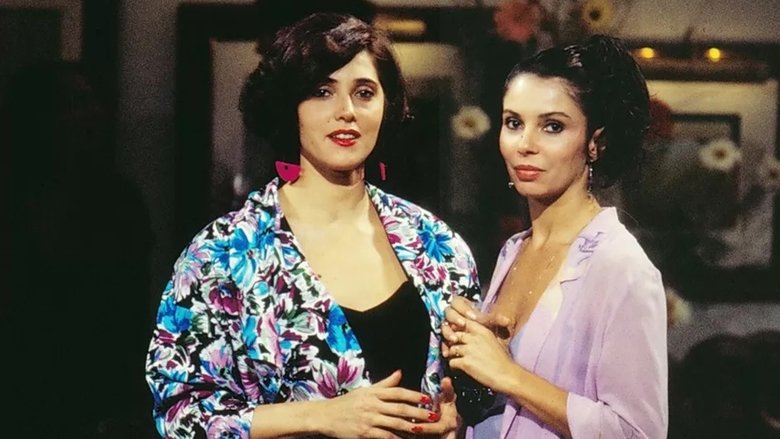
Quatro por Quatro
A traffic accident causes four women's destinies to intertwine. In the series, the four enter a pact of revenge against the men who hit them and caused them to suffer. Auxiliadora struggled to help her husband Alcebíades prosper, but when he leaves her for a younger woman, is thrown out of the house. The shy Tatiana was engaged to Fortunato, who failed to show up at their wedding. The Babalu hurricane caught mechanic Raí in bed with another woman. Abigail, a preppy psychologist who is struggling in a failing marriage, decides superficially to continue it but revolts against her husband, Gustavo, who humiliates her in public at a congress. Gustavo has custody of Ângela, a girl who longs to know her true father, Bruno. Her mother died in the childbirth, traumatizing him.
A Gata Comeu

Fogo Sobre Terra
The plot takes place in a fictional city called Vale do Café, where two powerful families, the Toledo and Fontes, are locked in an intense dispute for power and land ownership. Conflicts are marked by betrayals, forbidden loves and dark secrets. The soap opera addresses themes such as ambition, revenge, romance and conflicts between families, showing the fire that consumes the land and human relationships.
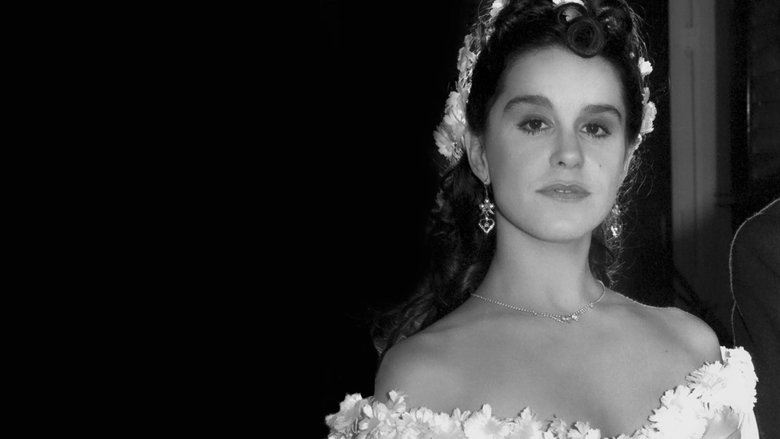
Sinhá Moça
Monarchists and Republicans confront themselves in Araruna, a small town in the interior of São Paulo, in 1886, two years before the promulgation of the Golden Law. Sinhá Moça's love story, daughter of Colonel Ferreira, Baron de Araruna, and a slave-boy, with the young Dr. Rodolfo, an active Republican abolitionist, faced with the difficulties of the campaign for the abolition of slaves. The two meet on the train, when Sinhá Moça, after completing her studies in the provincial capital, returns to Araruna. Like Rodolfo, she has abolitionist ideas and criticizes her father's attitudes, fighting for the defense of blacks. Sinhá Moça, together with Rodolfo and other abolitionists, invade the slave quarters at night and liberate the blacks, giving them to the abolitionist associations, which guide them towards freedom.
Filmography
as patrão de Fortunato
as Ataliba
as Jairo
as Pastor Mendes
as Manoel
as português dono da padaria
as Everaldo Batista
as Neco
as Vicente
as Jesus
as delegado
as Dr. Genaro Torres
as Aluísio
as Sombra (voice)
as Oscar
as Zé Vitorino
as Orestes Batista
as abade
as Seu Silva
as Quebra-Galho
as Arsênio
as Abud
as Natanice
as Coronel Eurípedes Pinto
as El Sordo