
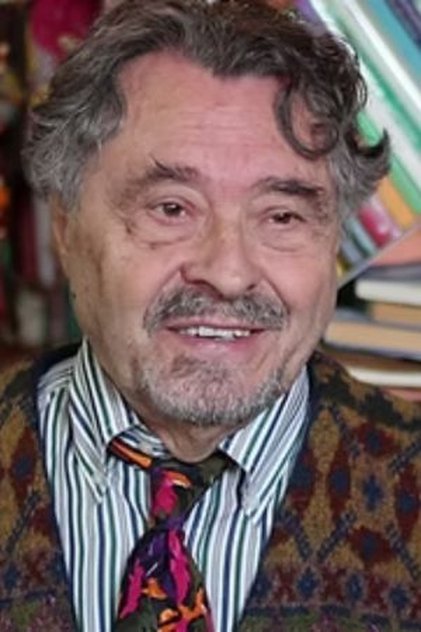
Giovanni Brusatori
Acting
Biography
No biography available for Giovanni Brusatori.
Born: July 4, 1946
Place of Birth: Milan, Italy
Known For
Bianco, rosso e Verdone
Three Italians travel to their hometown to vote for elections: Pasquale is a Southern immigrant living in Munich who's genuinely happy to come back to Italy, even if just for a few days, but the country he dreams of is far from reality; Furio travels to Rome with his family, but his niggling attitude threatens to push his wife Magda over the edge; young Mimmo is also going to Rome, but the trip is repeatedly interrupted by worries about his grandma's health.

The House with Laughing Windows
Stefano, a young restorer, is commissioned to save a controversial mural located in the church of a small, isolated village.
Povero Cristo
A provincial young man with aspirations of becoming a private investigator is approached by a stranger that promises 100 million lire if he provides evidence of the existence of Jesus Christ.

How Wonderful to Die Assassinated
How Sweet it is to Die Murdered (Quanto è bello lu murire acciso) is an Italian historical film written and directed by Ennio Lorenzini and released in 1975. The original title of the film is that of a popular song reworked by Roberto De Simone, who is considered the precursor of the Neapolitan folk revival of the 1970s. The film depicts the failed expedition organized by Carlo Pisacane in 1857 to provoke an uprising in the Kingdom of the Two Sicilies.
The Baron's Mazurka
A fig tree growing in the estates of Baron Anteo Pellacani has been worshipped since the Middle Ages, after a Saint was supposedly martyred there. The Baron, who was crippled in a fig tree-related accident and has since become a raging atheist, vows to tear it down—until he mistakes a beautiful prostitute momentarily lying on the tree for the Saint herself, falling in love with her. Her pimp, his relatives and the clergy try to take advantage of his newfound faith.
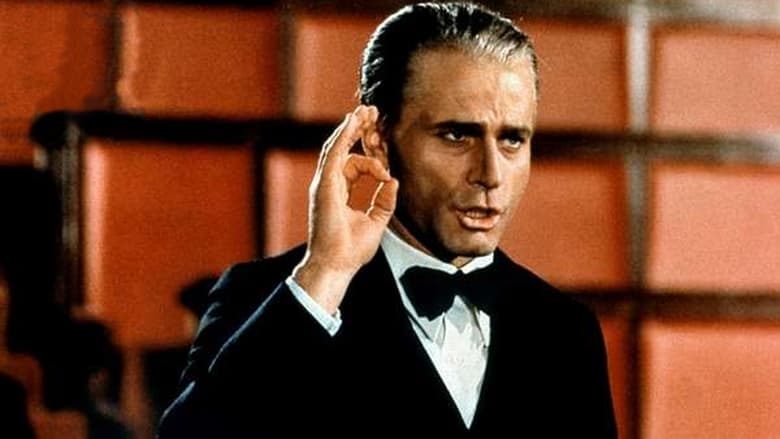
The Assassination of Matteotti
How the Italian Fascist Party managed to turn the physical elimination of a political enemy into a test of strength fundamental for the ascent into the totalitarian regime.
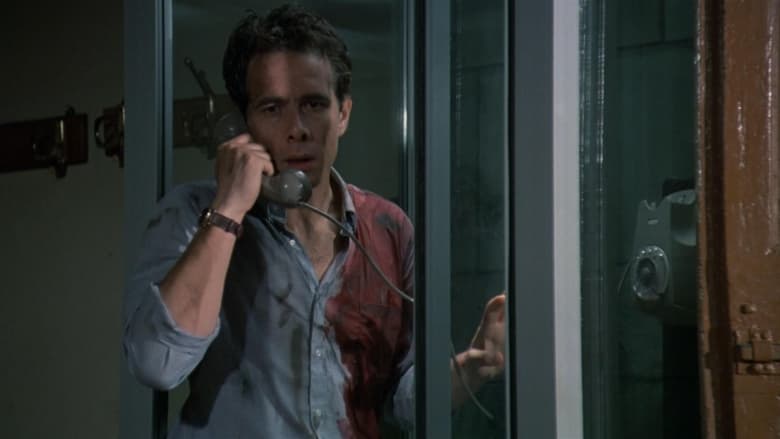
Revenge of the Dead
A young journalist buys a used typewriter and notices some text still legible on the ribbon; he reconstructs the story of a scientist who discovered that some types of terrain have the power to revive the dead.
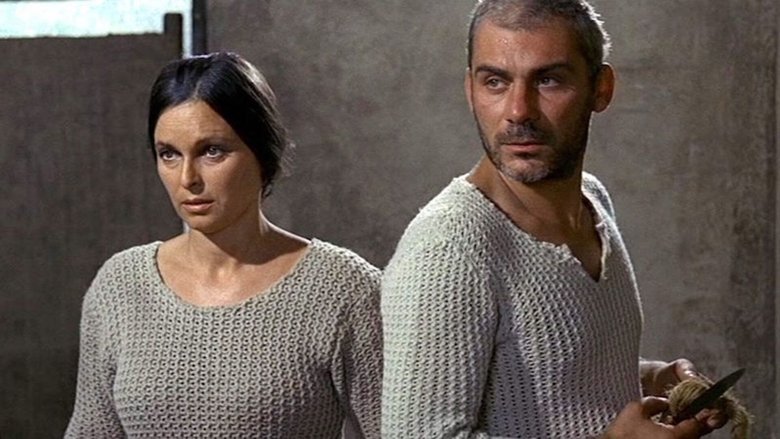
Under the Sign of Scorpio
An island has been decimated by a volcanic eruption and the few survivors escape to a nearby island. Led by Rutolo, they know that their new home is equally susceptible to such a catastrophe via its own volcano, but they are unable to convince the current inhabitants of Island #2 to flee with them to a mainland.
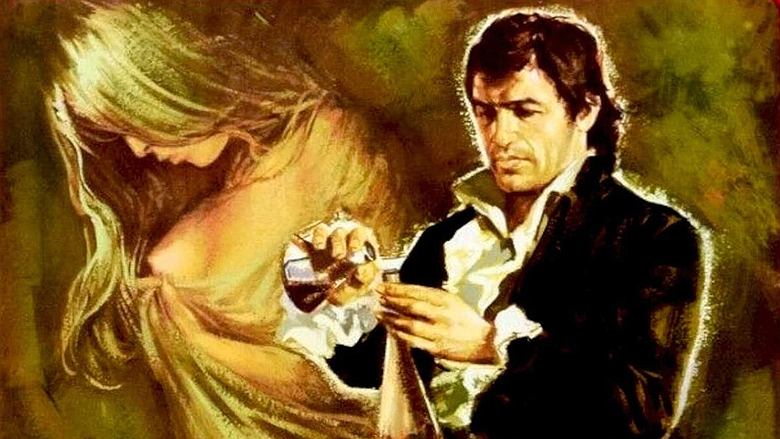
Cagliostro
After attending esoterical studies with a wise man, Cagliostro, a mysterious Italian count, received the gift of supernatural powers. He started to travel all over Europe to heal the poor. But he is also a member of a pre-revolutionary lodge the aim of which is to give freedom to the populations of Europe. This cannot be tolerated by the 18th century's establishment and bought the Pope and the regal house of France try to eliminate him. So Cagliostro is locked up in a castle, while his wife is killed. But when in 1795 the door of his cell is opened there is nothing inside but a sword...
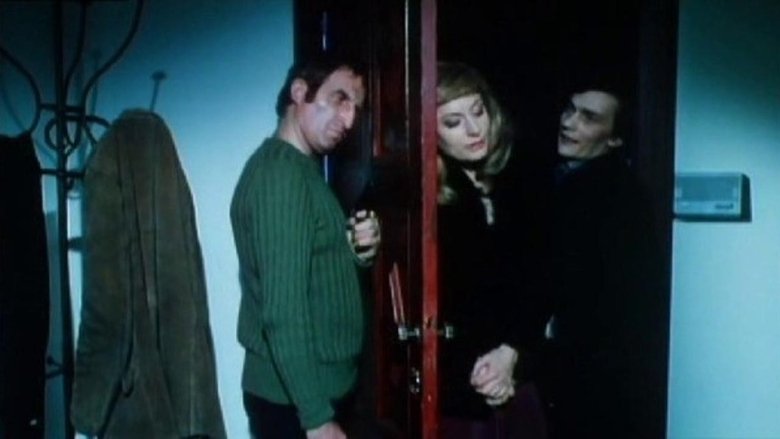
The Killers Are Our Guests
After a bungled diamond heist a trio of killers take refuge at the home of a country doctor and force him at gunpoint to attend to their mortally wounded colleague. They abuse the doctor and take sexual advantage of his wife. But everything is not as it seems.
Filmography
as Marcus
as Doctor
as Barman
as Man at Restaurant (uncredited)
as Gavetta / Giuda
as Congiurato
as Mario
as Uomo Vaticano
as Vicecommissario
as Emilio Lussu
as (uncredited)
as Barman