
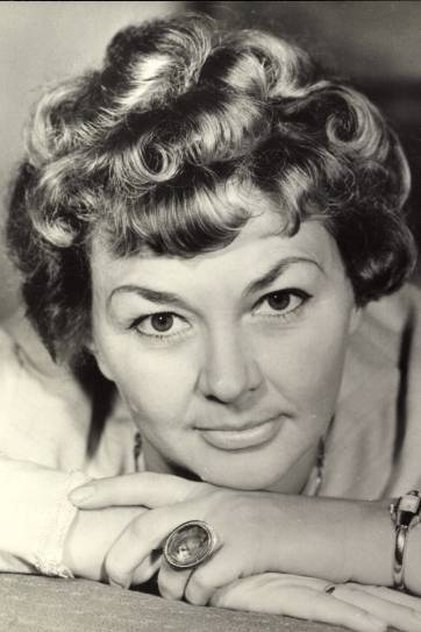
Gisela Bestehorn
Acting
Biography
No biography available for Gisela Bestehorn.
Born: May 24, 1926
Place of Birth: Sommersdorf, Germany
Known For
Polizeiruf 110
Polizeiruf 110 is a long-running German language detective television series. The first episode was broadcast 27 June 1971 in the German Democratic Republic, and after the dissolution of Fernsehen der DDR the series was picked up by ARD. It was originally created as a counterpart to the West German series Tatort, and quickly became a public favorite.
Polizeiruf 110
Polizeiruf 110 is a long-running German language detective television series. The first episode was broadcast 27 June 1971 in the German Democratic Republic, and after the dissolution of Fernsehen der DDR the series was picked up by ARD. It was originally created as a counterpart to the West German series Tatort, and quickly became a public favorite.
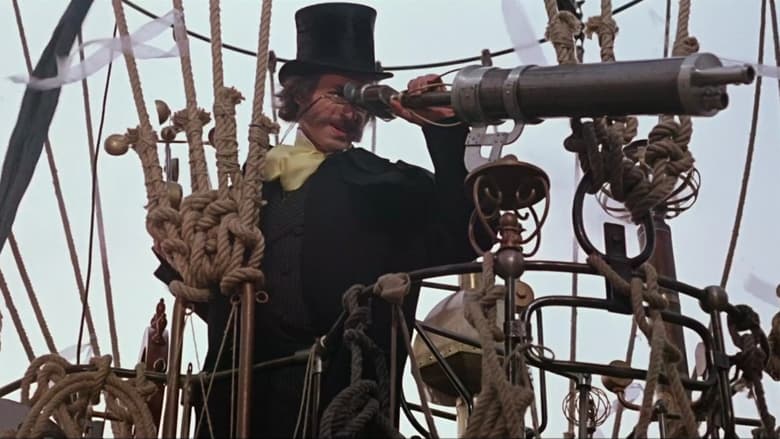
Orpheus in the Underworld
This musical comedy based on an opera by Jacques Offenbach incorporates a twist on the classic Greek myth: Orpheus, a music teacher at a girls’ school in the ancient Greek city of Thebes, actually does not miss his wife Eurydice that much – until the gods and Offenbach himself pressure him to retrieve her from Hades.

The Bicycle
Susanne is a young single mother who lives a somewhat "carefree" lifestyle. After quitting her job, she finds herself in trouble financially and attempts a minor insurance fraud to make ends meet. Despite its rare view of everyday socialism from a woman's perspective, East German officials were critical of this frank portrayal of a less-than-ideal socialist citizen and turned down all invitations for the film to be screened abroad.

Seine Hoheit – Genosse Prinz
Kasper Mai, an export merchant and comrade with a “clean” record, discovers he is the prince of Hohenlohe-Liebenstein. His royal grandmother designates him as the heir to her estate. A private trip to her reveals that she does not want a NATO airbase built on her land. The GDR and his grandmother thus find a common interest, and a clever lawyer from the East works against other family members looking to settle their debts with the estate money.
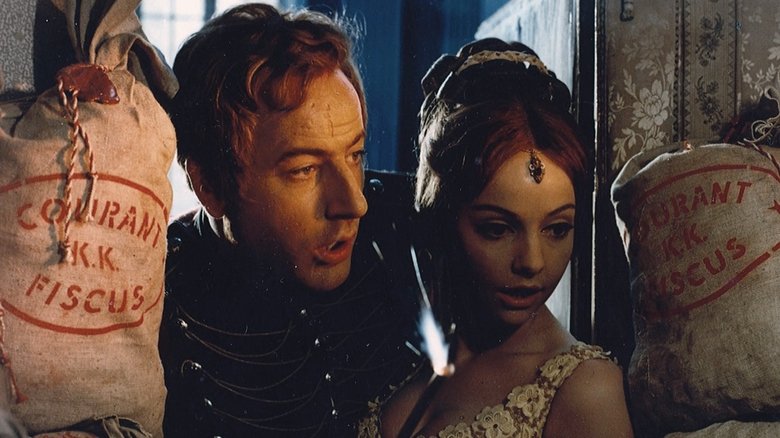
Hauptmann Florian von der Mühle
This story of the miller Florian, who gave all his money to the war against Napoleon, is loosely based on a true story. After the war, Florian's reimbursement is challenged, and he must also pay taxes on his destroyed mill. He resists the tax collectors and takes off to Vienna, where he intends to defend his rights. On the way, he rescues the Duchess of Guastalla from assault. She also wants to go to Vienna, as His Majesty Franz II is trying to contest an heir in her favor. With cunning, luck, and dagger, Florian fights his way through a slew of nobility and their secret police.

Aber Doktor
Dentist Dr. Franke's selfless willingness to help is much appreciated by neighbors and acquaintances in the GDR. There is only one exception: Biggi, the beautiful coach of the ice hockey team that Dr. Franke looks after. Biggi thinks Dr. Franke is a particularly clumsy little man. But there's also Nurse Agnes, who once again has to stick her nose into matters that don't really concern her, and thus helps things along...
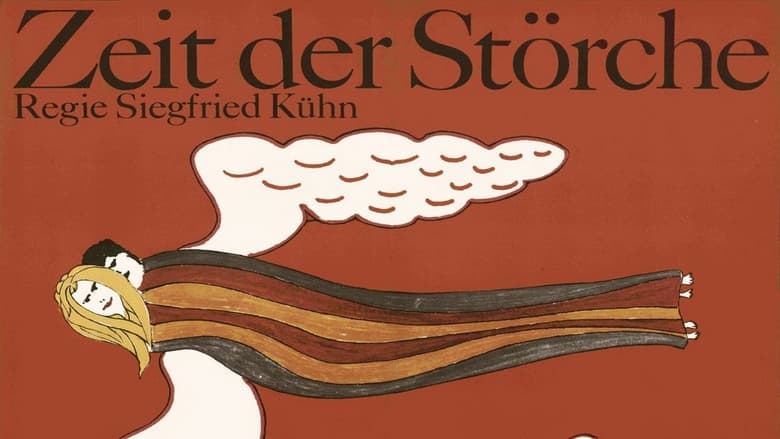
Zeit der Störche
Susanne and Christian get to know each other during a wonderful week in summer - and fall in love. This, however, leads to conflicts: up to now, Susanne has been living with Wolfgang, a biologist. This shared life was harmonious and based on mutual trust. Wolfgang is not only resolute and in full command of social situations; he has also always been the stabilizing force in the relationship. This is precisely why Susanne now feels drawn to the unsettled, unsteady and frivolous Christian, the complete opposite of the calm, well-balanced Wolfgang. And Christian, working as a shift boss on a natural gas derrick, has become more aware of his personal and social responsibilities as a result of loving Susanne.
Um Mitternacht beginnt hier das Leben
When Jacques Offenbach's melodies are heard, the delighted audience usually asks very little about the man who inspired the great composer with his texts and fable sketches, namely the librettist Ludovic Halévy, who stood in the master's shadow. He and his friend Meilhac came up with the story of 'Belle Helena', for example, at the very moment when the scandalous stories about the Empress Eugénie were being whispered in the Parisian salons. 'Pariser Leben', 'Die Großherzogin von Gerolstein', 'La Périchole', 'Die Banditen' and 'Orpheus in der Unterwelt' are just a few of the works in which the French present of the Second Empire - around 100 years ago - was mocked with Offenbach-Halévy-like irreverence on the stage of the cheerful musical theater. And that's where we want to go now, among the wax figures of the Second Empire, which of course all, almost all, let's say around midnight, come to life.

Rabenvater
Two years ago, cinema poster painter Jonathan had agreed in his divorce to leave the sole custody for his son David to David′s mother Ruth. But at the boy′s ninth birthday, Jonathan all of a sudden returns to their house. In the meantime, Ruth has found a new Partner, Franz, whom David has accepted as his surrogate father. Although everybody tries to solve the new situation with a lot of tolerance, Franz and Jonathan become rivals. But this rivalry comes to an end when David has an accident. Now, the boy is allowed to visit his father Jonathan on the weekend whenever he wants to. But before that, David goes on one last adventure: On a trip to a vacation camp, Jonathan "kidnaps" his son to spend several days hitchhiking alone with his son. Then, he gets him back to the vacation camp.
Filmography
as Jonathans Mutter
as Reisebüro-Chefin
as Patientin
as Venus
as Betriebsleiterin
as Krankenschwester
as Kaderinstrukteurin
as Frau Schneider
as Freifrau von Colloredo