
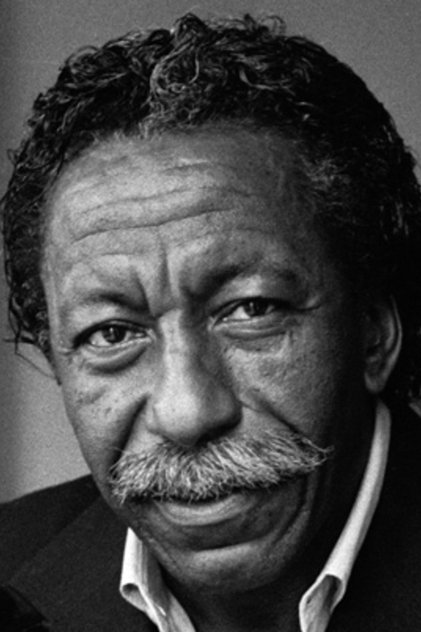
Gordon Parks
Directing
Biography
From Wikipedia, the free encyclopedia. Gordon Roger Alexander Buchanan Parks (November 30, 1912 – March 7, 2006) was a groundbreaking American photographer, musician, poet, novelist, journalist, activist and film director. He is best remembered for his photo essays for Life magazine and as the director of the 1971 film Shaft. Description above from the Wikipedia article Gordon Parks, licensed under CC-BY-SA, full list of contributors on Wikipedia
Born: November 30, 1912
Place of Birth: Fort Scott, Kansas, United States
Known For
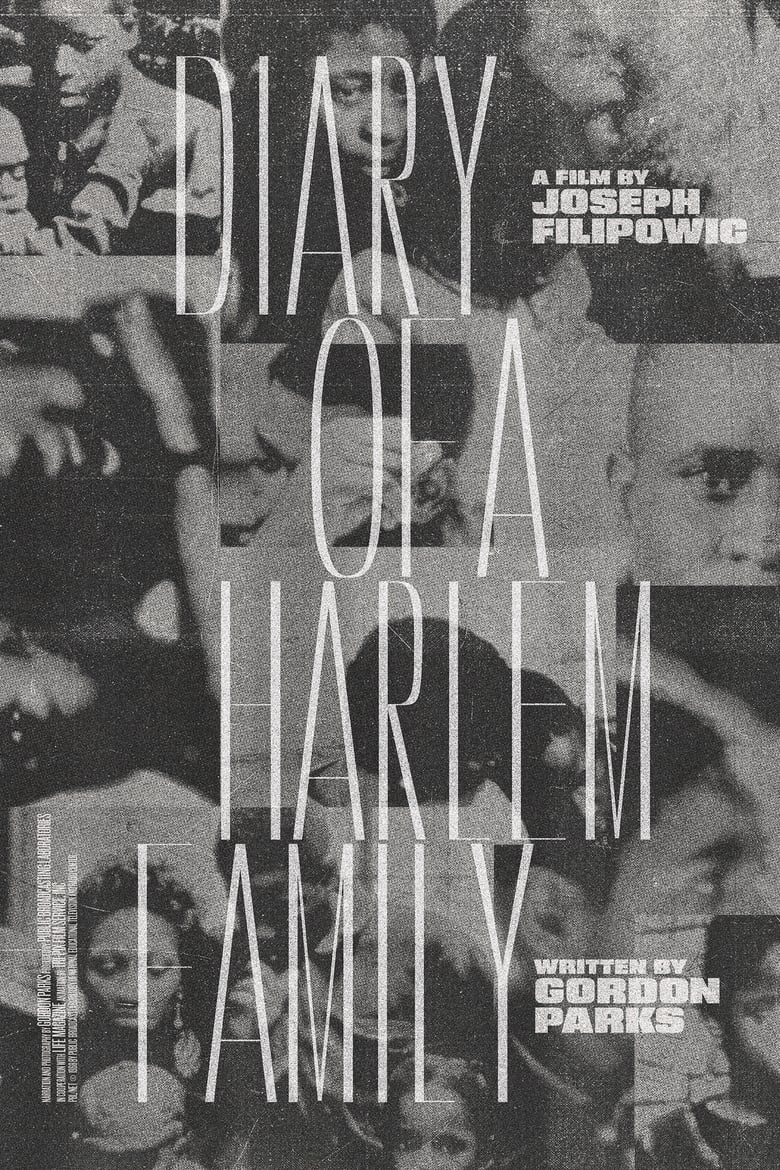
Diary of a Harlem Family
Presents Gordon Parks' photo-essay "A Harlem Family", framed by a filmed segment featuring Parks and the Fontanelle family and narrated by Parks.
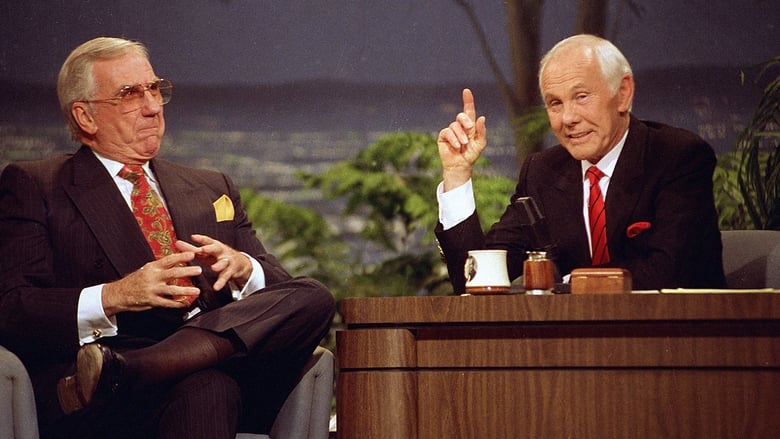
The Tonight Show Starring Johnny Carson
The Tonight Show Starring Johnny Carson is a talk show hosted by Johnny Carson under The Tonight Show franchise from 1962 to 1992. It originally aired during late-night. For its first ten years, Carson's Tonight Show was based in New York City with occasional trips to Burbank, California; in May 1972, the show moved permanently to Burbank, California. In 2002, The Tonight Show Starring Johnny Carson was ranked #12 on TV Guide's 50 Greatest TV Shows of All Time.

Soul in Cinema: Filming 'Shaft' on Location
A behind the scenes look at the filming of the movie Shaft (1971). The movie's director, Gordon Parks is seen directing a couple of fight scenes which he wants to get in as few takes as possible due to the set-up time and the danger involved in the stunt work. He is also seen speaking to the composer of the film score, 'Isaac Hayes', about the overlaying of the music over one of those fight scenes, and what he wants musically for another scene involving the lead character, John Shaft, moving through Times Square. The latter would eventually become the movie's iconic theme music. Being a frenetically paced action movie, he also works closely with the film's editor, Hugh A. Robertson.
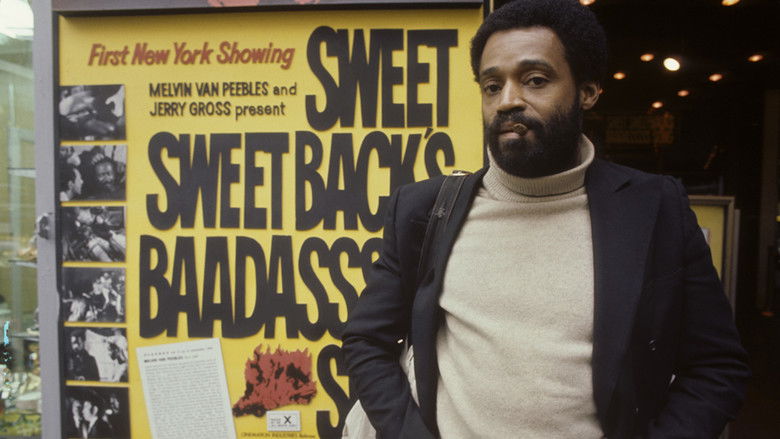
How to Eat Your Watermelon in White Company (and Enjoy It)
Melvin Van Peebles was one of the first black directors to challenge the white establishment in his films, which include "Watermelon Man" and "Sweet Sweetback's Baadasssss Song." In this documentary, the life of Van Peebles is discussed, including his work not only in film, but also as a novelist, actor, musician, stock trader and even Air Force pilot. Interview subjects include Gil Scott-Heron, Spike Lee and Melvin's son and fellow filmmaker, Mario Van Peebles.
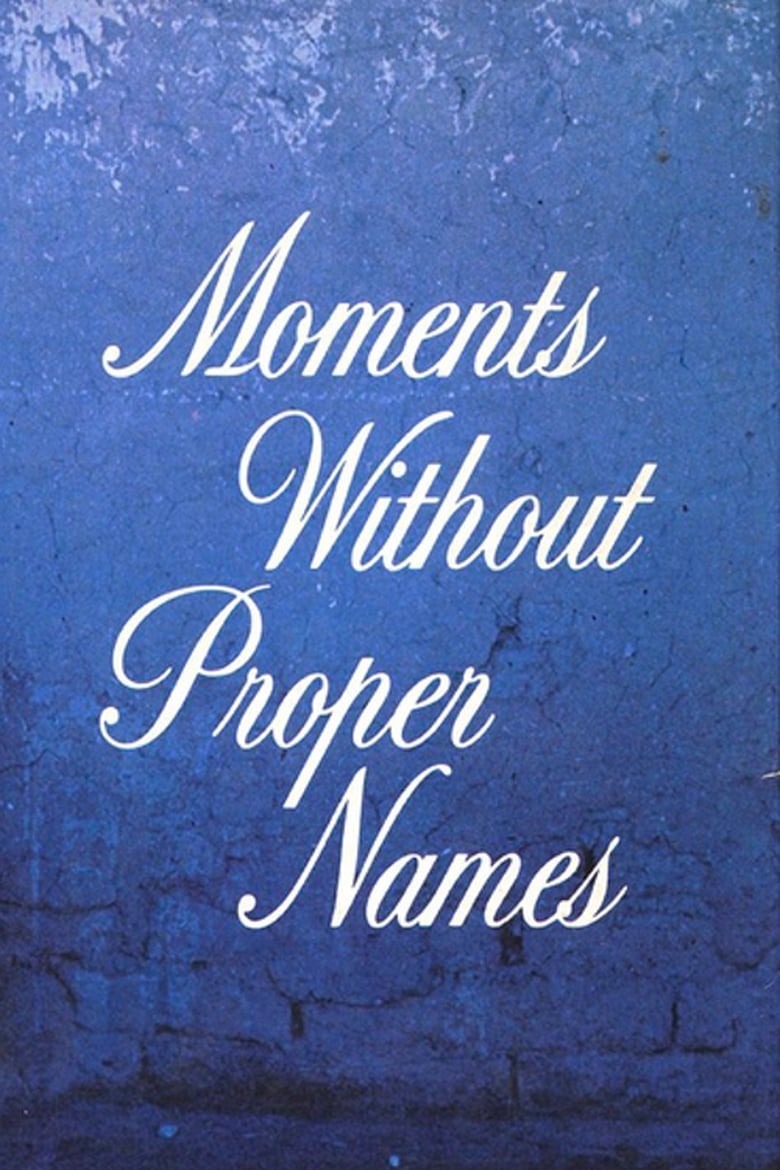
Moments without Proper Names
Parks makes himself the subject, tracing his development as a person and an artist through a non-narrative abstract self-portrait that combines his photographs with his poetry, musical compositions and scenes from his films. It also features footage of Parks, plus interpretations of his personal reminiscences performed by actors Avery Brooks, Roscoe Lee Browne, and Joe Seneca.
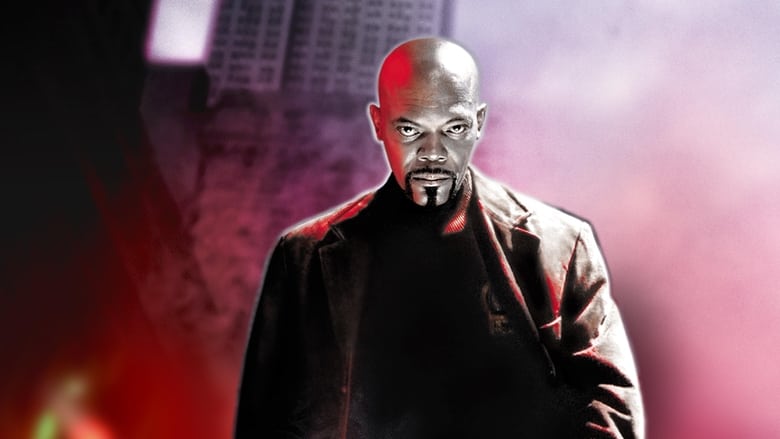
Shaft
New York police detective John Shaft arrests Walter Wade Jr. for a racially motivated slaying. But the only eyewitness disappears, and Wade jumps bail for Switzerland. Two years later Wade returns to face trial, confident his money and influence will get him acquitted -- especially since he's paid a drug kingpin to kill the witness.

Listen to a Stranger: An Interview with Gordon Parks
"Listen to a Stranger" spotlights esteemed writer, photographer, and filmmaker Gordon Parks, Sr., who discusses his life and career in the documentary. The film is an in-depth portrait of an iconic African-American artist and an early example of the work of Henry Hampton's groundbreaking production company, Blackside, Inc., which later created the seminal civil rights documentary series Eyes on the Prize.

Half Past Autumn: The Life and Works of Gordon Parks
An intimate look at the life and career of Gordon Parks a true Renaissance man who has excelled as a photographer, novelist, journalist, poet, musician and filmmaker.
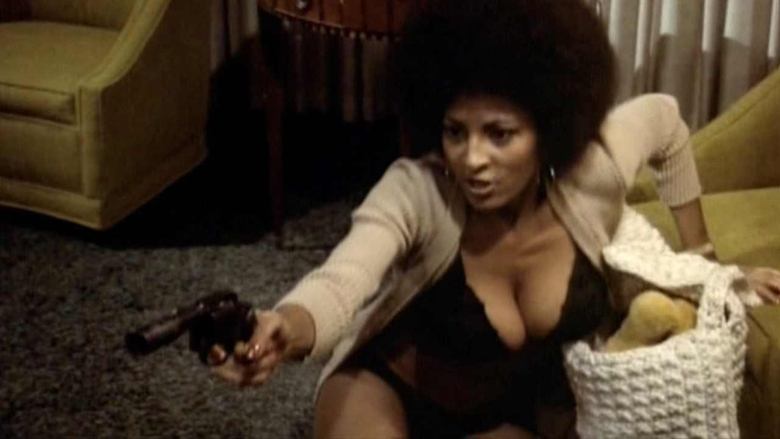
BaadAsssss Cinema
With archive film clips and interviews, this brief look at a frequently overlooked historical period of filmmaking acts as an introduction rather than a complete record. It features interviews with some of the genre's biggest stars, like Fred Williamson, Pam Grier, and Richard Roundtree. Director Melvin Van Peebles discusses the historical importance of his landmark film Sweet Sweetback's Baadasssss Song. For a contemporary perspective, the excitable Quentin Tarantino offers his spirited commentary and author/critic bell hooks provides some scholarly social analysis.

All Power to the People!
Using government documents, archive footage and direct interviews with activists and former FBI/CIA officers, All Power to the People documents the history of race relations and the Civil Rights Movement in the United States during the 1960s and 70s. Covering the history of slavery, civil-rights activists, political assassinations and exploring the methods used to divide and destroy key figures of movements by government forces, the film then contrasts into Reagan-Era events, privacy threats from new technologies and the failure of the “War on Drugs”, forming a comprehensive view of the goals, aspirations and ultimate demise of the Civil Rights Movement…
Filmography
as Self
as Self
as Lenox Lounge Patron
as Self
as Self
as Self
as Self
as Self
as Self - Narration (voice)