
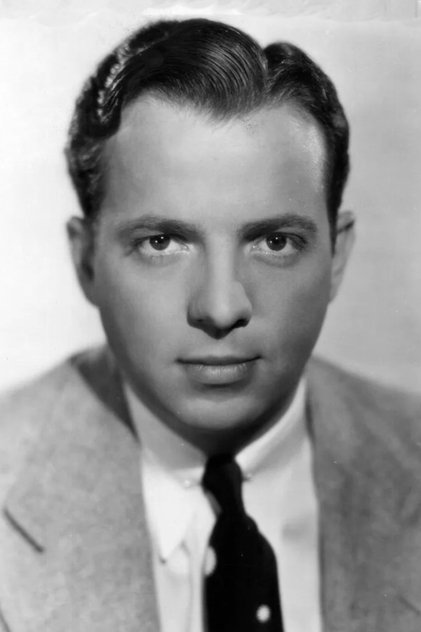
Gregory Gaye
Acting
Biography
Gregory Gaye was born on October 10, 1900 in St. Petersburg, Russian Empire as Gregory De Gay. He was an actor, known for Ninotchka (1939), Dodsworth (1936) and Tovarich (1937). He died on August 23, 1993 in Studio City, Los Angeles, California, USA.
Born: October 9, 1900
Place of Birth: Saint Petersburg, Russian Empire [now Russia]
Known For
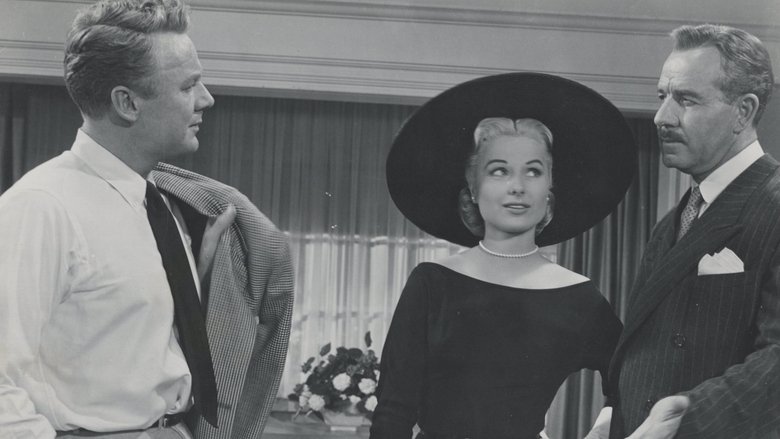
Kelly and Me
Failing vaudeville performer, Len, is taken under the wing of the German Shepherd wonder dog, Kelly, and a new act is born. Len hopes all his dreams are coming true when he finds himself in Hollywood ... but Kelly is the one in demand on the big screen.
Hallmark Hall of Fame
Hallmark Hall of Fame is an anthology program on American television, sponsored by Hallmark Cards, a Kansas City based greeting card company. The longest-running primetime series in the history of television, it has a historically long run, beginning during 1951 and continuing into 2013. From 1954 onward, all of its productions have been shown in color, although color television video productions were extremely rare in 1954. Many television movies have been shown on the program since its debut, though the program began with live telecasts of dramas and then changed to videotaped productions before finally changing to filmed ones. The series has received eighty Emmy Awards, twenty-four Christopher Awards, eleven Peabody Awards, nine Golden Globes, and four Humanitas Prizes. Once a common practice in American television, it is the last remaining television program such that the title includes the name of the sponsor. Unlike other long-running TV series still on the air, it differs in that it broadcasts only occasionally and not on a weekly broadcast programming schedule.
Hallmark Hall of Fame
Hallmark Hall of Fame is an anthology program on American television, sponsored by Hallmark Cards, a Kansas City based greeting card company. The longest-running primetime series in the history of television, it has a historically long run, beginning during 1951 and continuing into 2013. From 1954 onward, all of its productions have been shown in color, although color television video productions were extremely rare in 1954. Many television movies have been shown on the program since its debut, though the program began with live telecasts of dramas and then changed to videotaped productions before finally changing to filmed ones. The series has received eighty Emmy Awards, twenty-four Christopher Awards, eleven Peabody Awards, nine Golden Globes, and four Humanitas Prizes. Once a common practice in American television, it is the last remaining television program such that the title includes the name of the sponsor. Unlike other long-running TV series still on the air, it differs in that it broadcasts only occasionally and not on a weekly broadcast programming schedule.
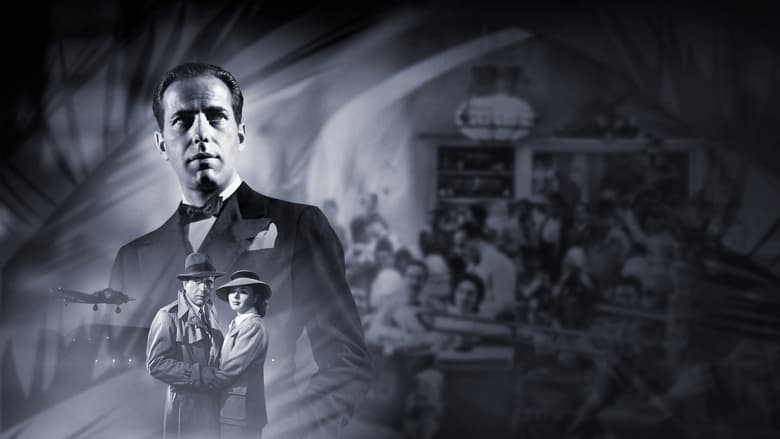
Casablanca
In Casablanca, Morocco in December 1941, a cynical American expatriate meets a former lover, with unforeseen complications.
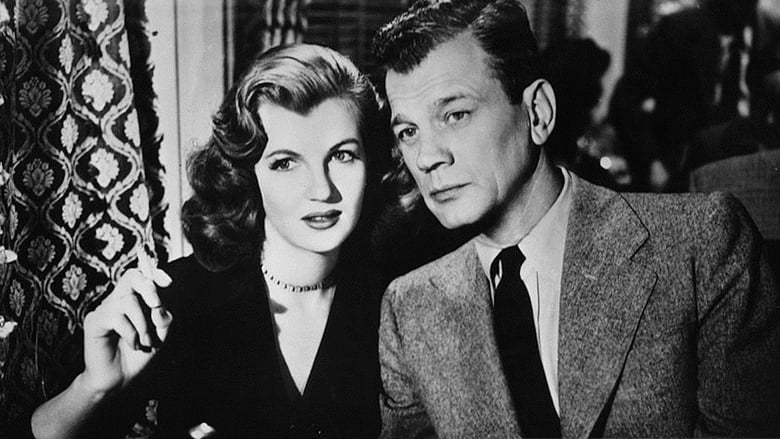
Peking Express
A group of refugees fleeing Chinese Communist rule via train are beset by a gang of terrifying outlaws.

Playhouse 90
Playhouse 90 is an American television anthology series that was telecast on CBS from 1956 to 1960 for a total of 133 episodes. It originated from CBS Television City in Los Angeles, California. Since live anthology drama series of the mid-1950s were usually hour-long shows, the title highlighted the network's intention to present something unusual, a weekly series of hour-and-a-half dramas rather than 60-minute plays. Playhouse 90 began as a pitch by Frank Stanton—the formidable, forward-thinking right-hand man to CBS chairman William S. Paley—during a brainstorming session for program ideas. The project was ultimately developed by Hubbell Robinson, a CBS vice president who received no screen credit on Playhouse 90 but is often described as its creator.
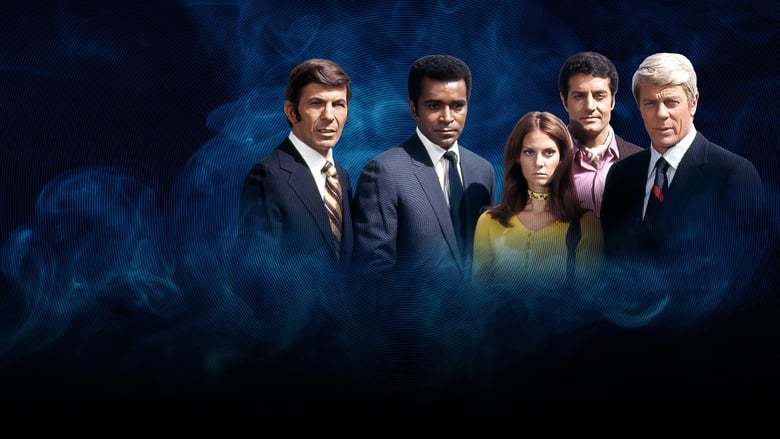
Mission: Impossible
Mission: Impossible is an American television series that was created and initially produced by Bruce Geller. It chronicles the missions of a team of secret government agents known as the Impossible Missions Force. In the first season, the team is led by Dan Briggs, played by Steven Hill; Jim Phelps, played by Peter Graves, takes charge for the remaining seasons. A hallmark of the series shows Briggs or Phelps receiving his instructions on a recording that then self-destructs, followed by the theme music composed by Lalo Schifrin. The series aired on the CBS network from September 1966 to March 1973, then returned to television for two seasons on ABC, from 1988 to 1990, retaining only Graves in the cast. It later inspired a popular series of theatrical motion pictures starring Tom Cruise, beginning in 1996.
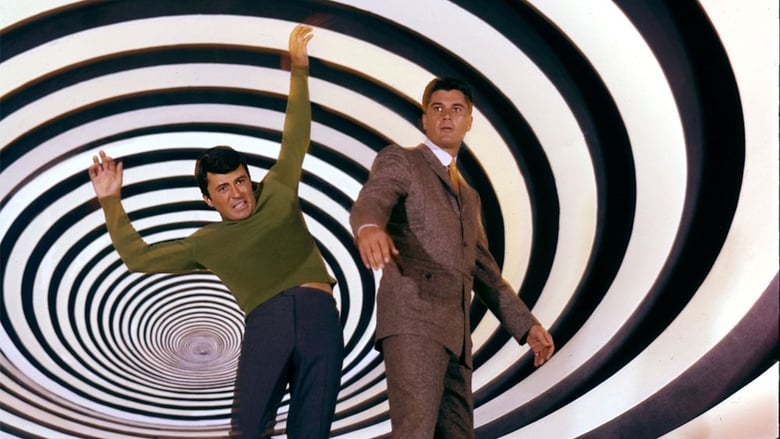
The Time Tunnel
The Time Tunnel is a 1966–1967 U.S. color science fiction TV series, written around a theme of time travel adventure. The show was creator-producer Irwin Allen's third science fiction television series, released by 20th Century Fox and broadcast on ABC. The show ran for one season of 30 episodes. Reruns are viewable on cable and by internet streaming. A pilot for a new series was produced in 2002, although it was not picked up.
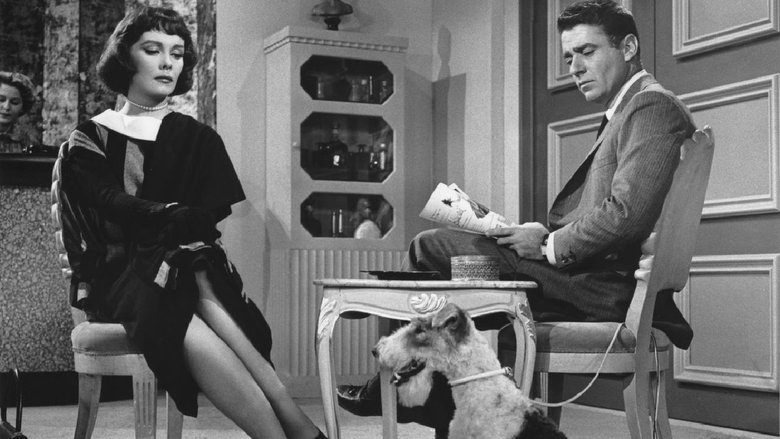
The Thin Man
Nick Charles was a private detective who married the wealthy Nora and decided to settle down and leave the good life. Unfortunately for the couple, Nick's past frequently caught up with him and got the couple involved in mystery after mystery. The series was based on the popular MGM series of movies of the 1930's starring William Powell and Myrna Loy. Peter Lawford and Phyllis Kirk starred as the televison versions of Nick and Nora which ran on NBC for two seasons from 1957-59.
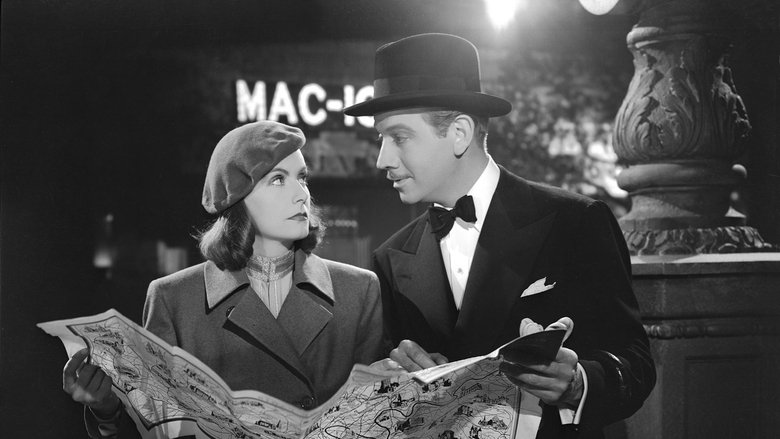
Ninotchka
A stern Russian woman sent to Paris on official business finds herself attracted to a man who represents everything she is supposed to detest.
Filmography
as Russian Premier
as Priest
as Josef
as Meeting Co-Ordinator (uncredited)
as The Soviet Ambassador
as Markov
as Minister
as Alexis
as Soviet Delegate (uncredited)
as Doriskin
as Ferenc Matyin
as Carl Schmidt
as Albert Moehns
as General
as Straka
as Russian Minister
as Field Marshal Erwin Rommel
as Paul Duval (uncredited)
as The President
as Freeman (Casino Owner) (uncredited)
as Frederich Hoffstetter
as Father Leon
as Vladimir Klinkoff (uncredited)
as Mota
as Van Zandt
as Dr. Franz Gruener
as Milo
as Gen. Montcalm
as Frederich Hoffstetter
as Philip
as The Ruler
as Dr. Wilhelm Steigg
as Zorn (as Gregory Gay)
as Leroux
as Cpl. Bonikoff
as Amir Khasid
as Headwaiter (uncredited)
as Harry (uncredited)
as The Ruler
as Carl Kroman
as Colonel Paul Shushaldin
as Jean Dufar
as Herr Sokolov
as The Soviet Ambassador
as Caliph Ali
as Sweitart (uncredited)
as Stanislaus
as Mota
as Captain Koretsky (as Gregory Gay)
as Headwaiter
as Chambord / Monk (as Gregory Gay)
as Maitre d'Hotel
as Jervis (as Gregory Gay)
as Mr. E. Charles
as Director
as Mr. Warren
as Perchon, German Banker
as Joe Sapphire (as Gregory Gay)
as Tissier
as Dr. Han (Uncredited)
as Young Russian (uncredited)
as Henry Butler aka Gregor (as Gregory Gay)
as Dr. Eric Budenny (as Gregory Gay)
as German Banker Refused by Rick (uncredited)
as Karl, Nazi Wiretapper
as Nazi Agent Feldon
as Headwaiter
as Von Mueller
as Sebastian
as Count Alexis Rakonin
as Vassilly - Slave in Ballet
as Fernando Manfredi
as Vitray
as Count Georges De Remi
as Prince Boris (archive footage) (uncredited)
as Vladimir Borokov - Russian Jockey
as Popoff
as Raoul
as Count Humbert
as Prince Leopold
as Count Frederic Brekenski
as Dr. Paul Azarny
as Prince Boris Gregoravitch
as Capt. Freymann
as Dmitri
as Paul Joseph DeVry (uncredited)
as Enrico Borelli
as Count Raul Du Rienne
as Baron Kurt Von Obersdorf
as Russian Writer (uncredited)
as Mr. Kolinoff
as Pierre Martel
as Pierre
as Mons. Prinz (uncredited)
as Dmitri Vologuine
as Baslikoff
as Count Prunier
as Prince Ordinsky (uncredited)
as (uncredited)