
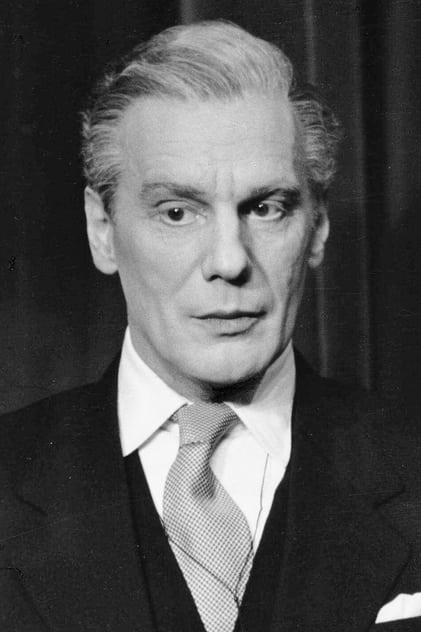
Gustaf Gründgens
Acting
Biography
Gustaf Gründgens (22 December 1899 – 7 October 1963), born Gustav Heinrich Arnold Gründgens, was one of Germany's most famous and influential actors of the 20th century, and artistic director of theatres in Berlin, Düsseldorf, and Hamburg. His career continued unimpeded through the years of the Nazi regime; the extent to which this can be considered as deliberate collaboration with the Nazis is hotly disputed. His best known roles were that of Mephistopheles in Goethe's Faust in 1956/57, and as "Der Schränker" (The Safecracker) who is the chief judge of the kangaroo court presiding over Peter Lorre in Fritz Lang's M.
Born: December 22, 1899
Place of Birth: Düsseldorf, Germany
Known For
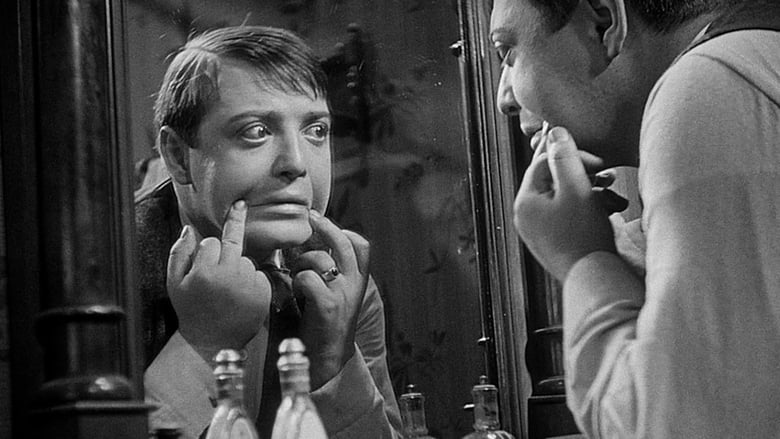
M
In this classic German thriller, Hans Beckert, a serial killer who preys on children, becomes the focus of a massive Berlin police manhunt. Beckert's heinous crimes are so repellant and disruptive to city life that he is even targeted by others in the seedy underworld network. With both cops and criminals in pursuit, the murderer soon realizes that people are on his trail, sending him into a tense, panicked attempt to escape justice.

Uncle Krüger
An anti-British propaganda film from Nazi Germany which depicts the life of the South African politician Paul Kruger and his eventual defeat by the British during the Boer War.
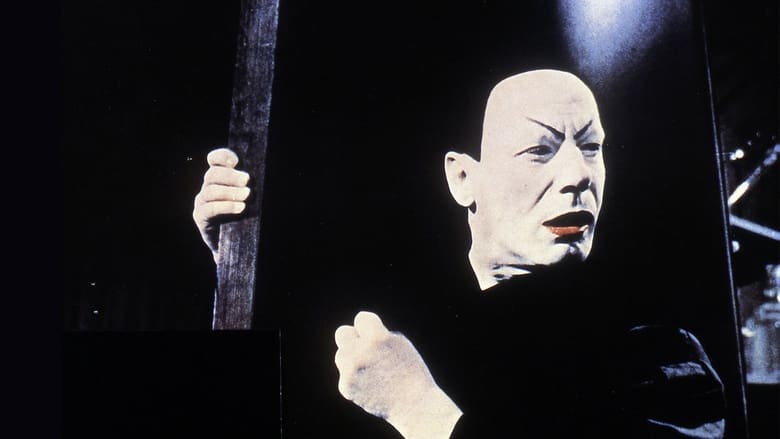
Faust
In 1957 Gustaf Gründgens staged a new production of Goethe's Faust in which he once again played Mephisto, a part he had played since 1932. The brilliant production was a huge success and ran for a couple of years. In 1959 Peter Gorski captured the performance on film in his directorial film debut. Basically it is a registration of the production, but Gorksi did manage to accentuate the details of the acting by using enough medium and close-up shots which give a view on the acting you normally would not able to see in a theater.
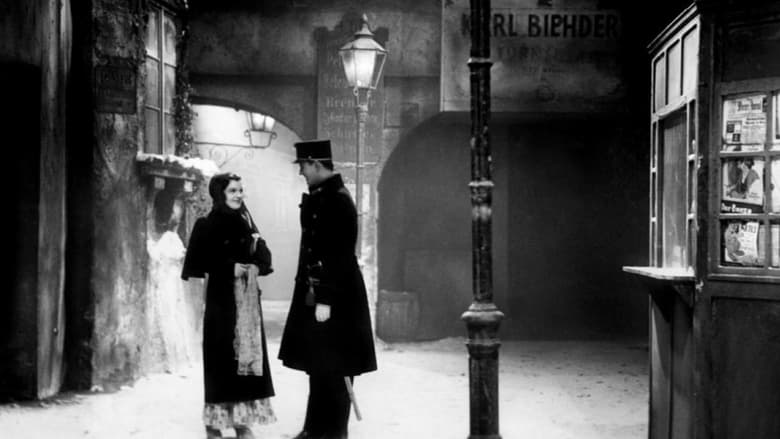
Liebelei
Vienna in the beginning of the twentieth century. Cavalry Lieutenant Fritz Lobheimer is about to end his affair with Baroness Eggerdorff when he meets the young Christine, the daughter of an opera violinist. Baron Eggerdorff however soon hears of his past misfortune...
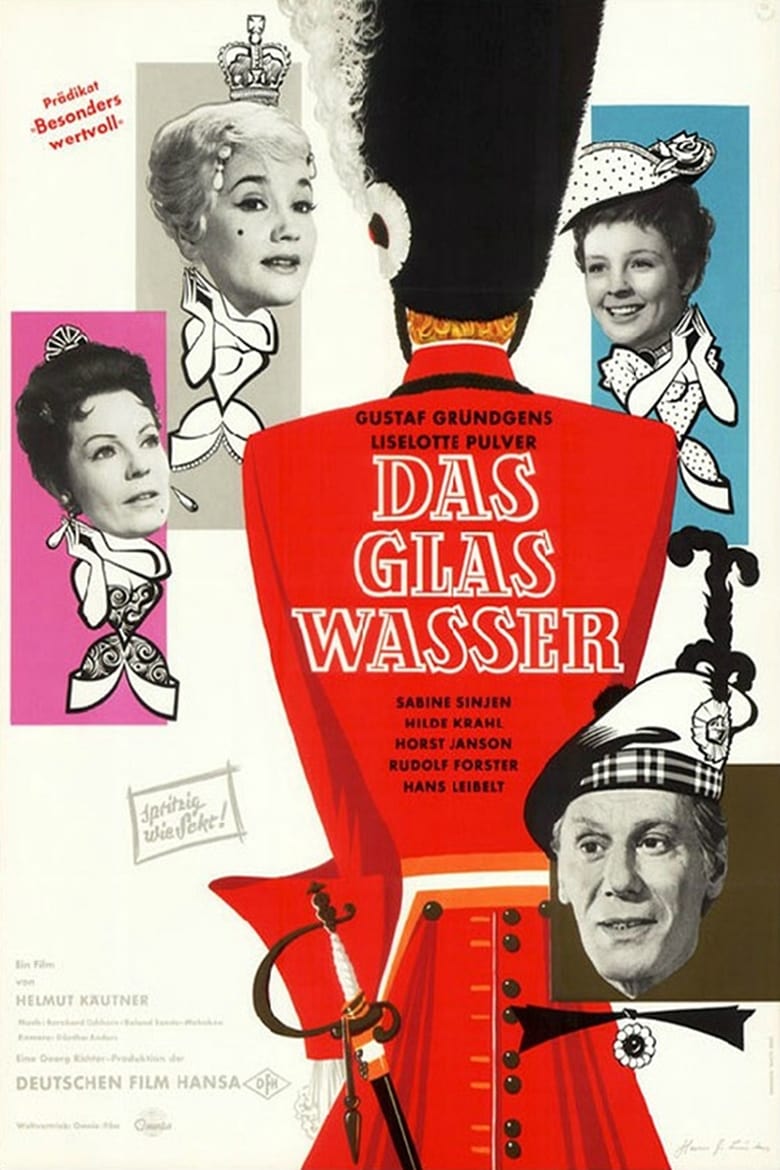
A Glass of Water
Intrigue and scheming at the court of Queen Anne of England between liberal Lord Bolingbroke and Lady Churchill, Duchess of Marlborough. German comedy after the play of Eugène Scribe.
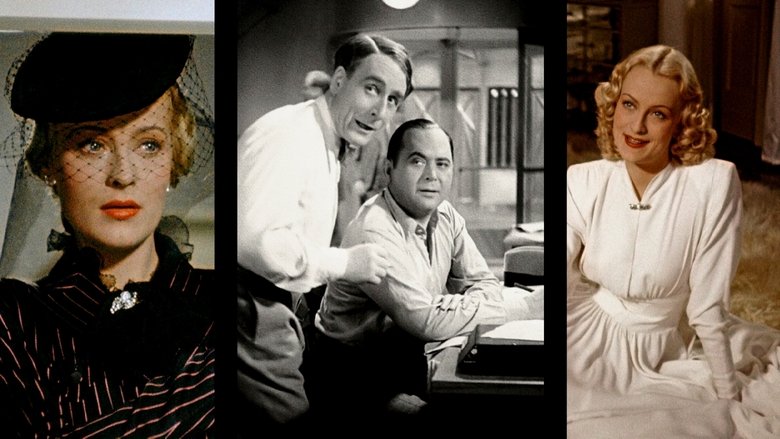
Hitler's Hollywood
Film journalist and critic Rüdiger Suchsland examines German cinema from 1933, when the Nazis came into power, until 1945, when the Third Reich collapsed. (A sequel to From Caligari to Hitler, 2015.)
Der Tunnel
The engineer MacAllan designs a tunnel, which will join America and Europe together on the seabed. A group of American billionaires are financing the gigantic project, but the construction of the tunnel is proving to be as tedious as it is dangerous. MacAllan's worst enemy is the speculator Woolf, who had embezzled the money for the construction and who is attempting to cover up his crime by carrying out acts of sabotage. Also filmed in 1933 in a French-language version, LE TUNNEL, and remade in 1935 in England as TRANSATLATIC TUNNEL.
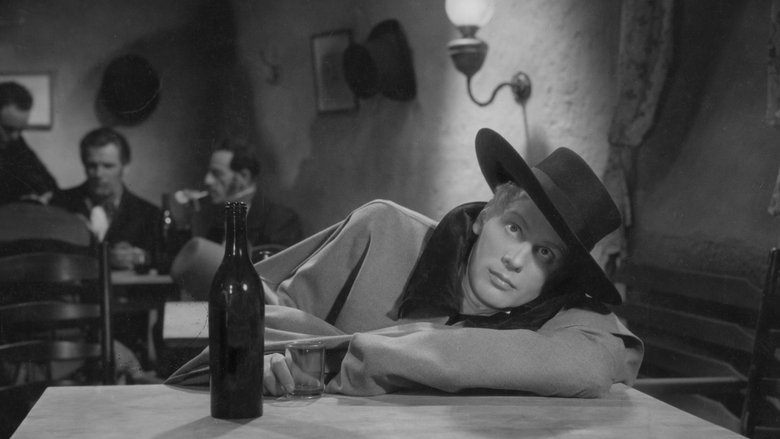
Tanz auf dem Vulkan
Paris, 1830: Jean-Gaspard Debureau performs on the stage and delights his audience with song, wit and charm. He is, however, very unpopular with King Charles X, who is the target of much of Debureau's scornful jests. That would be a somewhat tolerable situation if it weren't for the fact that Debureau has fallen for a countess, who happens to be the King's mistress.
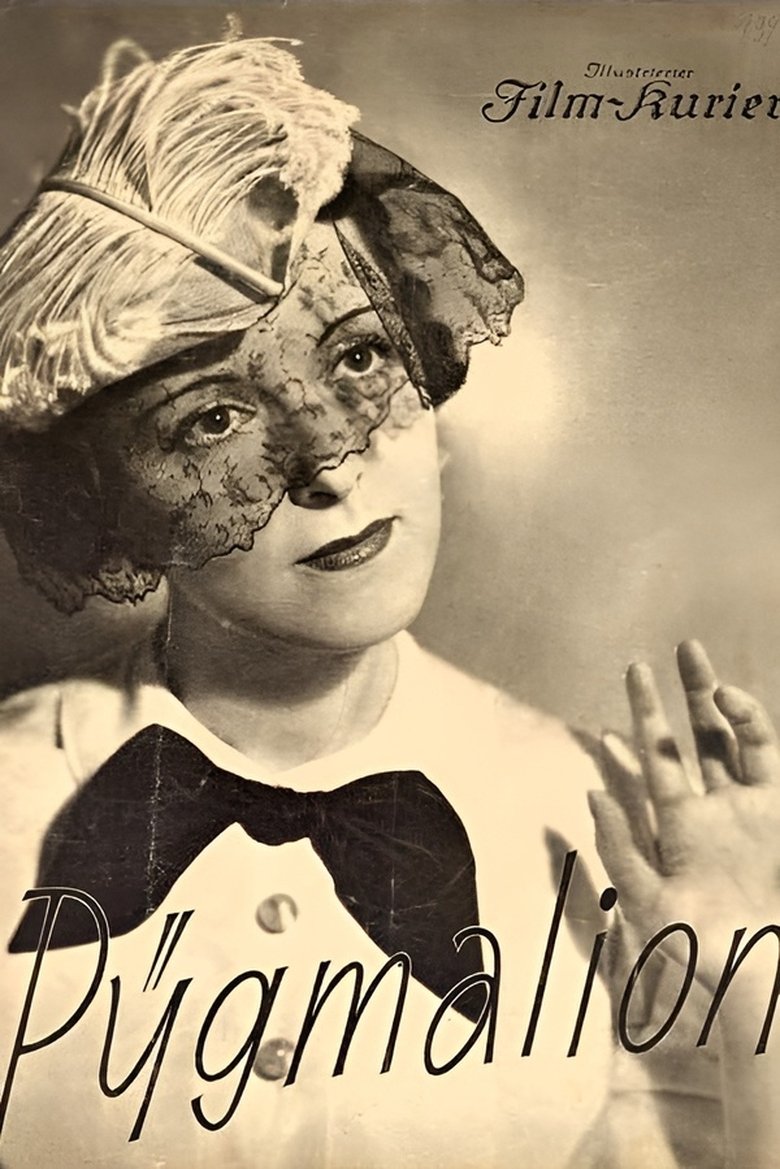
Pygmalion
When linguistics professor Henry Higgins boasts that he can pass off Cockney flower girl Eliza Doolittle as a princess with only six months' training, Colonel George Pickering takes him up on the bet. Eliza moves into Higgins's home and begins her rigorous training after the professor comes to a financial agreement with her dustman father, Alfred. But the plucky young woman is not the only one undergoing a transformation.

Eine Frau ohne Bedeutung
Sylvia, the daughter of the pastor Kelvil, is lectrice to Lady Patricia and gets to know the young Lord Harford. They love one another, but their class differences forbid marriage. There's a sharp argument with the father, who afterwards wants to send the young lord abroad. Then Sylvia is offered money to disappear, unaware that she's already pregnant. 18 years later: Sylvia raised her son on her own as best she could. He is now known as Lord Harford, who, besides having the title Lord Illingworth, also has inherited his father's total estate and has now returned from India. Unaware of their identities, the father and son get to know one another; get into a fight; and the young man challenges the father to a duel. In order to prevent that from happening, the mother must now tell each of them the truth about their identities. The film is based on the theatre piece of the same name by Oscar Wilde.
Filmography
as Various Roles (archive footage)
as Schränker (archive footage)
as Self (archive footage)
as Self
as Mephisto
as Sir Henry St. John
as Wilhelm Friedemann Bach
as Joseph Chamberlain
as Jean-Gaspard Debureau
as Jack Warren
as Lord George Illingworth
as Professor Higgins
as König Karl VII. von Frankreich
as Fouché
as Eugen Schliebach
as Count Metternich
as Dr. Frost, politischer Agent
as Woolf
as Mr. Woolf
as Alexander
as Baron v. Eggersdorff
as Baron von Eggersdorf
as Fahrlehrer
as Der 'Baron' Hochstapler
as Karl August Fürst von Hardenberg
as König Friedrich Wilhelm III
as Unbekannter
as Schränker
as Robespierre
as Otto van Lingen
as Staatsanwalt Dr.Wilke
as Jean