
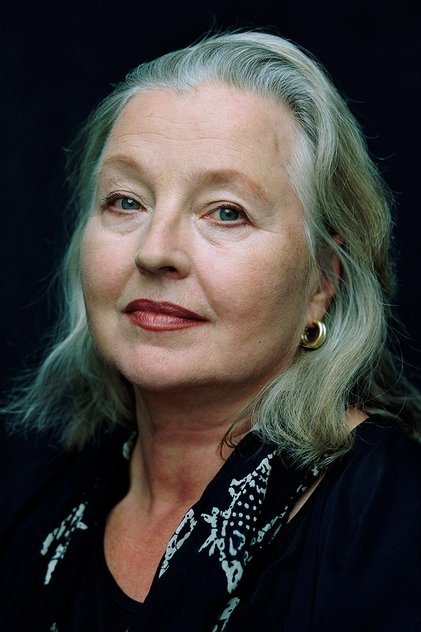
Hanna Schygulla
Acting
Biography
Hanna Schygulla (born 25 December 1943) is a German actress and chanson singer. She is generally considered the most prominent German actress of the New German Cinema. Over 12 years, Hanna Schygulla appeared in 23 Fassbinder movies (including his first feature film), the most-acclaimed being The Marriage of Maria Braun (1979) (for which she won the Silver Bear).
Born: December 25, 1943
Place of Birth: Chorzów, Polska
Known For

Bambi
The Bambi, often called the Bambi Award and stylised as BAMBI, is a German award presented annually by Hubert Burda Media to recognize excellence in international media and television to personalities in the media, arts, culture, sports, and other fields "with vision and creativity who affected and inspired the German public that year", both domestic and foreign. First held in 1948, it is the oldest media award in Germany. The trophy is named after Felix Salten's book Bambi, A Life in the Woods and its statuettes are in the shape of the novel's titular fawn character. They were originally made of porcelain until 1958, when the organizers switched to using gold, with the casting done by the art casting workshop of Ernst Strassacker in Süßen.

Po-lin. Shards of Memory
Unique archives show a world that no longer exists: pre-war Poland in which two cultures: Jewish and Polish, coexisted wall-in-wall; cottage in a cottage; town next to town. "Po-lin" - meaning "we will stop here" in Yiddish - does not deny the painful past. It only shows that there was something more next to them. Worth remembering and - perhaps - reconstruction.
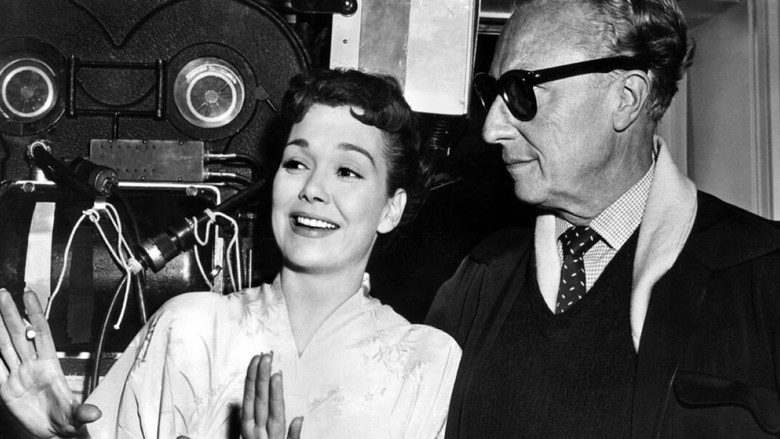
Douglas Sirk – Hope as in Despair
An investigative portrait of the master of cinematic melodrama, Douglas Sirk. His life was the ultimate melodrama, from which all his films were inspired. Through the testimonies of those closest to him and the unpublished accounts in his wife's diary, we get closer to this man surrounded by mystery.
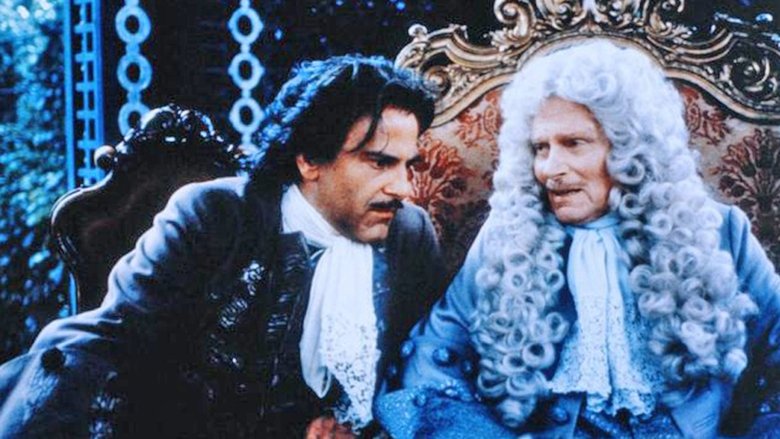
Peter the Great
Peter the Great is a 1986 NBC television mini-series starring Maximilian Schell as Russian emperor Peter the Great, and based on the biography by Robert K. Massie. It won three Primetime Emmy Awards, including the award for Outstanding Miniseries.
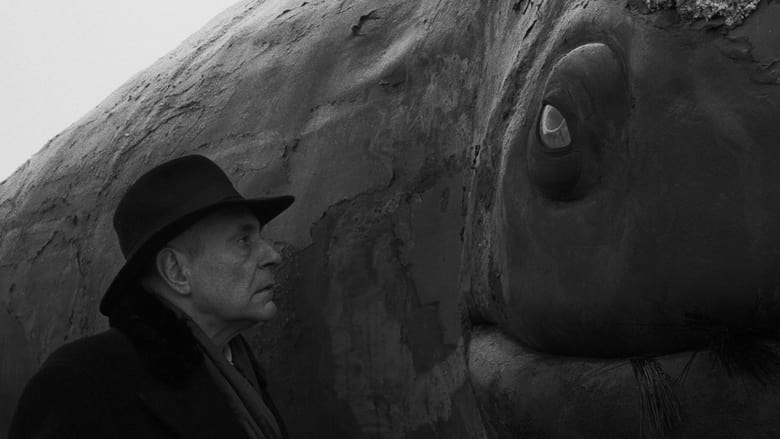
Werckmeister Harmonies
A naive young man witnesses an escalation of violence in his small hometown following the arrival of a mysterious circus attraction.

Poor Things
Brought back to life by an unorthodox scientist, a young woman runs off with a lawyer on a whirlwind adventure across the continents. Free from the prejudices of her times, she grows steadfast in her purpose to stand for equality and liberation.
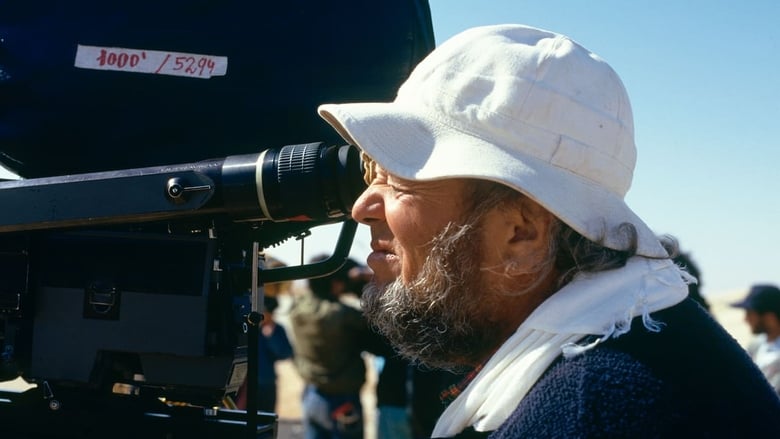
Marco Ferreri: Dangerous But Necessary
Marco Ferreri: Dangerous But Necessary is a trip through the auteur's singular cosmos - at once supernatural and earthbound. He dropped out of his studies to become a veterinarian, choosing instead to concern himself principally with the human animal, in our corporeal and yearning essence.
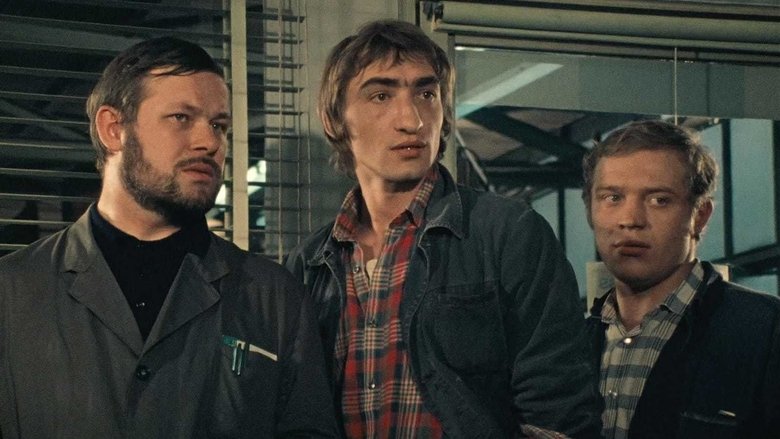
Eight Hours Don’t Make a Day
Eight Hours Don't Make a Day (German: Acht Stunden sind kein Tag) is a West German television drama miniseries written and directed by Rainer Werner Fassbinder. Commissioned by Westdeutscher Rundfunk, it broadcast in five episodes between 1972 and 1973. In Cologne, West Germany, young toolmaker Jochen's world is explored, including those around him: the woman he loves, his eccentric family, and his fellow workers, with whom he bands together to improve conditions on the factory floor.
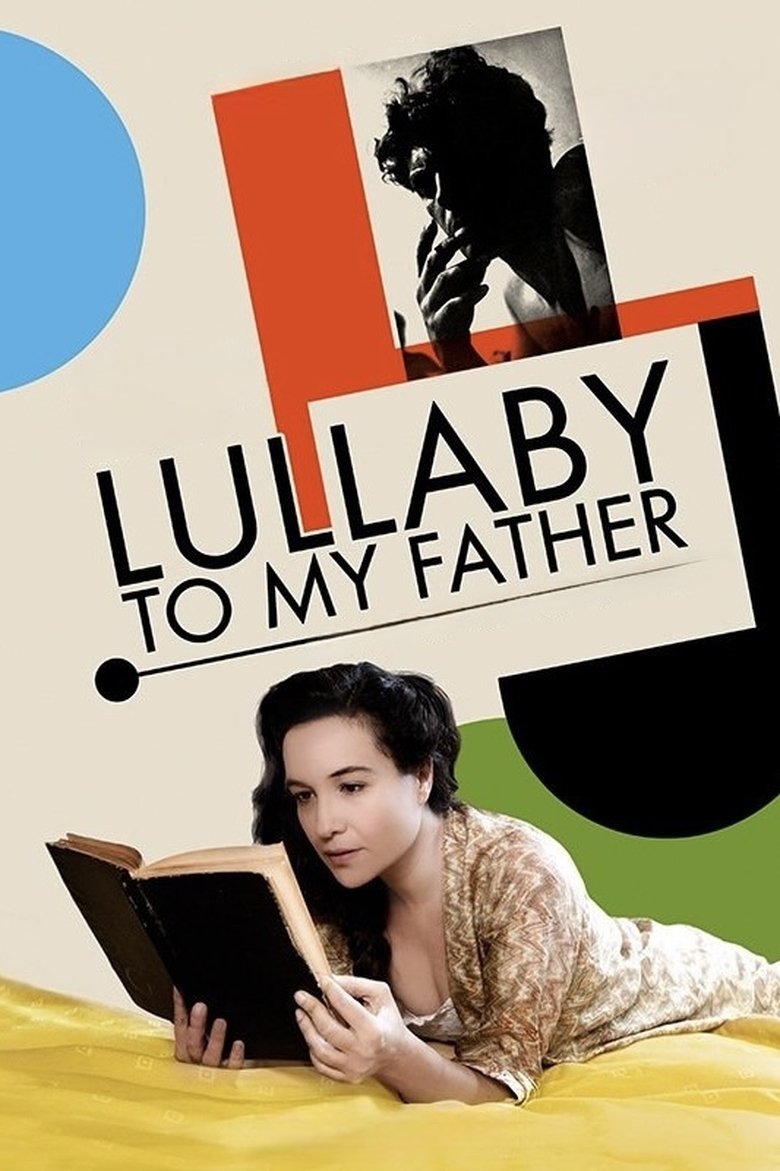
Lullaby to my Father
The film intertwines historical events and intimate memories. I observe how architecture represents the transformations of society and those who give form to this architecture. We follow the journey of Munio, my father, born in 1909 in Silesia, Poland, the son of a tenant farmer of a Prussian junker. At the age of 18, Munio goes to Berlin and Dessau to meet Walter Gropius, Kandinsky and Paul Klee at the Bauhaus. In 1933, the Bauhaus was closed by the Nazis, who accused Munio of treason against the German people. Munio was imprisoned, then deported to Basel. He left for Palestine. Upon his arrival in Haifa, he began a career as an architect and adapted European modernist principles to the Middle East.
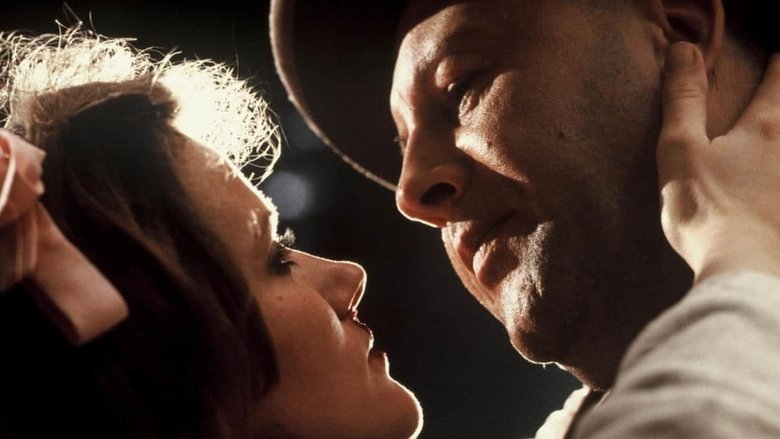
Berlin Alexanderplatz
In late 1920s Berlin, Franz Biberkopf is released from prison and vows to go straight. However, he soon finds himself embroiled in the city’s criminal underworld.
Filmography
as Valeska
as Magdalena (voice)
as Martha Von Kurtzroc
as Self
as Hilde Jary
as Rosemarie
as Kyona (alt)/Erzählerin (voice)
as Swiss Lady
as Self - Quote Reader (voice)
as Narrator
as Ludmila Blavitsky
as - Participation -
as Sister Myriam
as Lotte
as Danielle
as Self
as Eva
as Will's Mother
as Narrator (voice)
as Suzanne
as Moneylender's Wife
as Erika Mann (voice)
as A. van der Qualen
as Clara
as Narrator - German version (voice)
as Susanne Staub
as Martha "Mucky" Brenninger
as Marita Dennett
as Frau Marx
as Hanna
as Self
as Self
as Tünde Eszter
as Self
as Self
as Magda Goebbels
as Eloide
as Wanda
as self
as Ewa Loehwe
as Self
as Mr. Cinéma's Second Ex-wife
as Alma
as Léna
as Tania
as The Actress
as Michelle
as Tante Agathe
as L'Esprit de l'Exil
as Stephania
as Self
as Inga
as Self
as Fanny Hohenstein
as Mrs. Forbes
as Mici
as Casanova's Mother
as Jenny Lind
as Elaine
as Ingrid
as Catherine Skevronskaya
as Anna
as Suzanne
as Olga
as Eugenia
as Anna
as Hanna
as Countess Sophie de la Borde
as Self
as Ariane Nassar
as Narrator
as Willie
as Eva
as Frau Piesch
as Susanne Gast
as Maria Braun
as Self
as Society Woman
as Marie
as Self - Interviewee (uncredited)
as Regine Hackelberg
as Therese
as Self
as Effi Briest
as Ärztin
as Luisa Mauer
as Marion Andreas
as Karin Thimm
as Anna Epp, Hans's sister
as Lisa Benjamenta
as Hanna
as Hanna
as Mathilde Schreck
as Berta
as Hanna
as Catharina
as Johanna
as Joanna
as Hanna
as Self
as Lisaura
as Johanna
as Luise
as Marie
as Paula
as Self
as Self