
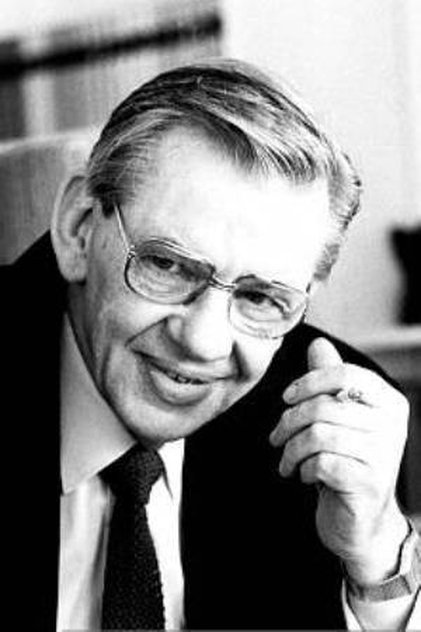
Hanns Anselm Perten
Acting
Biography
No biography available for Hanns Anselm Perten.
Born: August 12, 1917
Place of Birth: Bromberg, Posen, Germany [now Bydgoszcz, Kujawsko-Pomorskie, Poland]
Known For

Jetzt und in der Stunde meines Todes
Ella Conradi, a dedicated journalist from Germany, is in Jerusalem to report about the trial against the Nazi criminal Eichmann. Disgusted by the monstrosities that are revealed, she eventually returns to Germany. There, she wants to cover common cases and trials again. Her first assignment is a murder trial against a man called Ralf Jordan who constantly maintains his innocence. Conradi, who believes Jordan and wants to help him, starts to investigate the case - and thus opens up a political can of worms. The backgrounds of the case reach back to the Nazi period and involve officials of the Third Reich, who in the meantime have returned to their powerful positions.
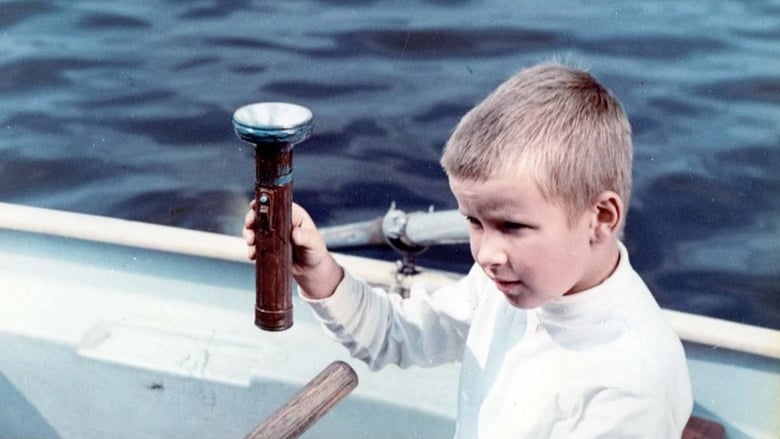
When You’re Grown Up, Dear Adam
Adam receives a flashlight with special powers: every liar it shines on flies into the air. Production was cancelled in 1965/66 due to the film's political content. Only in 1989/90 could the director reconstruct the film, where missing sounds and images are replaced with script inserts.
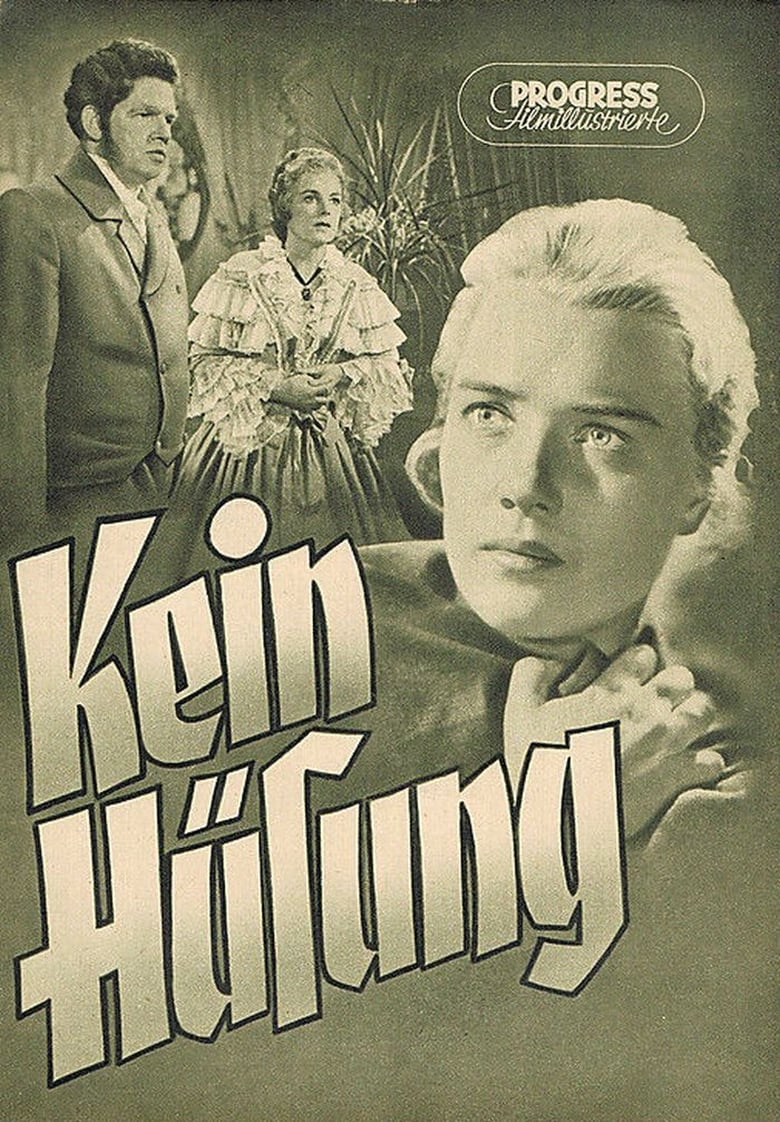
Kein Hüsung
Mecklenburg, 19th century. For generations, the Brand family of farmers has worked a piece of land as tenants of the baron, who owns almost all of the village's land. The baron himself comes from a family of farmers who became rich through corruption and were ennobled. He is the absolute potentate, no one dares to contradict him, he takes what he wants and stops at nothing in his excesses. At the same time, he is the center of petty bourgeois, bigoted social life. Johann, the stable boy, wants to marry Mariken Brand and asks the baron for a piece of land so that he can build a life of his own. But the lord is harsh, not only refusing him the land, but also increasing the rent. Johann rebels, trying to rouse the farmers in the village from their lethargy—in vain. Only when Mariken dies does the mood change. A peasant uprising breaks out, and Johann kills the baron.

Die Hochzeit von Länneken
The little island of Laenneken is a place where time seems to stands still. Traditional customs and age-old power relations are still in place and are unaffected by modern-day influences. Not even the foundation of a fishery cooperative has diminished the power of the two richest fishermen, Pröpping and Grabe. Both men have been bitter rivals for ages. Nevertheless, Grabe’s son Henning and Pröpping’s daughter Bärbel prepare to break with the traditions that restrict their lives, as they are had over heels in love with each other and want to marry.
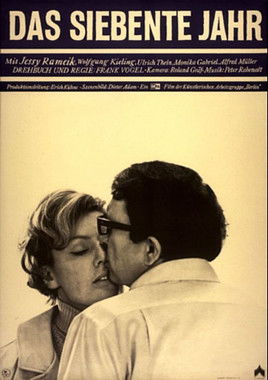
The Seventh Year
Dr. Barbara Heim, a heart surgeon, and Gunter Heim, a well-known actor, have been married for seven years. They have a six-year-old daughter. Both partners are totally taken up by their work which is physically and mentally demanding. So there is little time left for family life and the strained relations worsen and finally plunge Barbara into a crisis - shortly before their seventh wedding anniversary. At this very point a child dies in hospital, prompting Barbara to ask herself in desperation if - and for how long she can put up with the double burden of career and family. On top of this, she notices that Gunter is starting to compare her to other women.
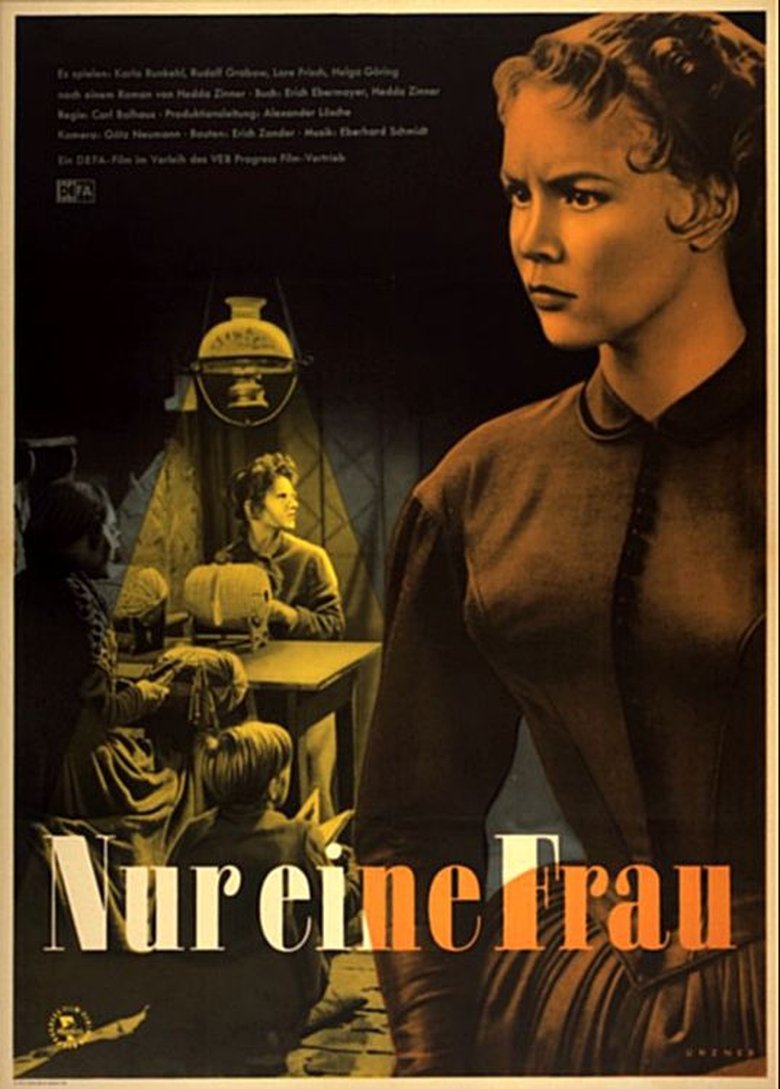
Only One Woman
The film tells the life story of Louise Otto Peters, who in the middle of the XIX century in Germany for the first time raised a voice of protest against the unfair treatment of women and their labor. She created the first "women's newspaper" in Germany. The daughter of a famous lawyer, Louise could have easily arranged her life by marrying the wealthy Baron Rodern. But she chose a different purpose in life - to fight for equal rights for women. Through her articles and public speeches, she won the authority and respect of ordinary people.
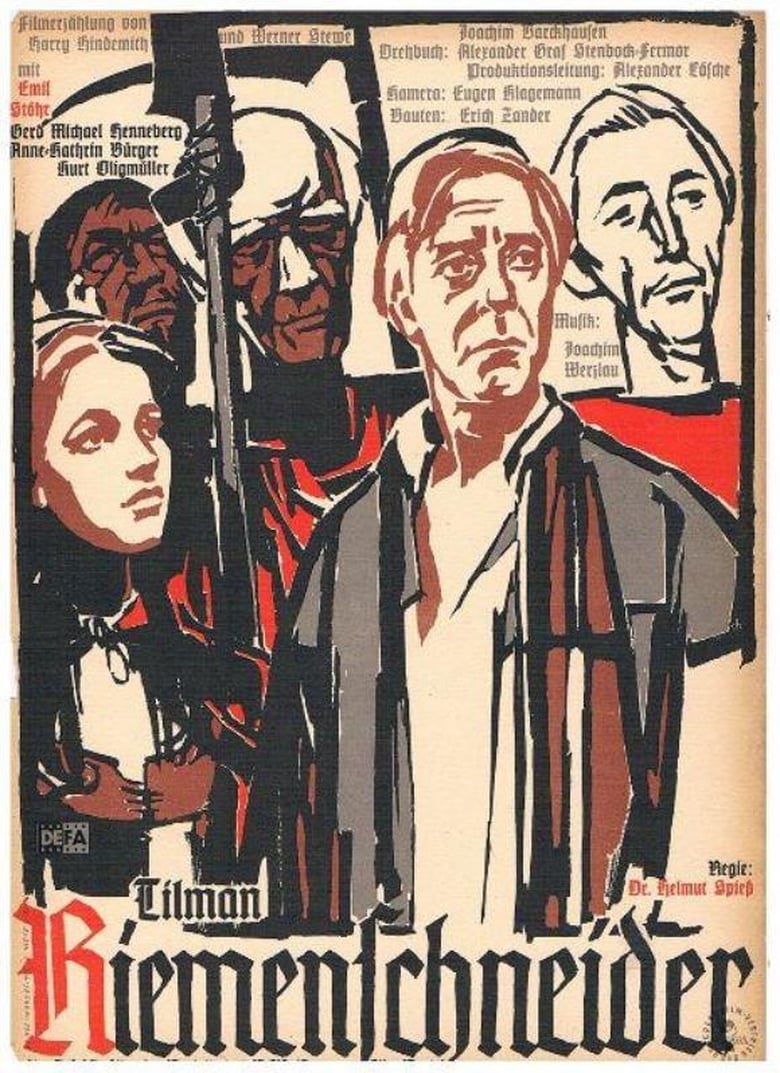
Tilman Riemenschneider
The important German wood sculptor Tilman Riemenschneider (born around 1460) is considered to be artistically and socially established. He was a councillor in Würzburg and held several offices. In his works and in the way he conducted his office, he showed himself to be connected to the common people, who revered him. But he also had a patron in the art-loving Prince-Bishop Konrad von Thüngen. But when the peasants' uprising spread to Würzburg in 1525, Riemenschneider stood up for the rights of the peasants and opposed the use of soldiers, Thüngen became his bitter opponent. Although he initially flees from the superior forces, he returns after the uprising has been suppressed and imprisons Riemenschneider. Weeks later, he is released from prison. His hands were broken, but not his steadfastness.

What Would Happen If...?
In the late 1950s, the collectivization of agriculture is in full swing in the East German village of Willshagen on the German-German border. Those in charge have to face many obstacles, especially from a large-scale farmer who is unwilling to join the co-op. All of a sudden, mysterious men in a fancy car appear in the village and show an interest in the rundown manor house. Gossip spreads quickly, and some villagers think there will be a re-parceling of properties and a land swap with West Germany. They assume everything will go back to how it used to be and even expect the count to return to his manor. In preparation, the situation in the village escalates at a fevered pitch.
Filmography
as Chefarzt
as Eisenreich
as Heinrich Pröpping
as Dr. Welk
as Großbauer Schäfer
as Dennhardt
as Baron