
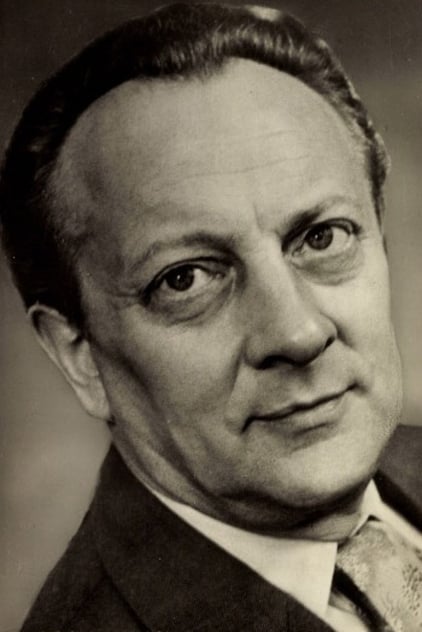
Hans Klering
Acting
Biography
No biography available for Hans Klering.
Born: November 8, 1906
Place of Birth: Berlin, Germany
Known For
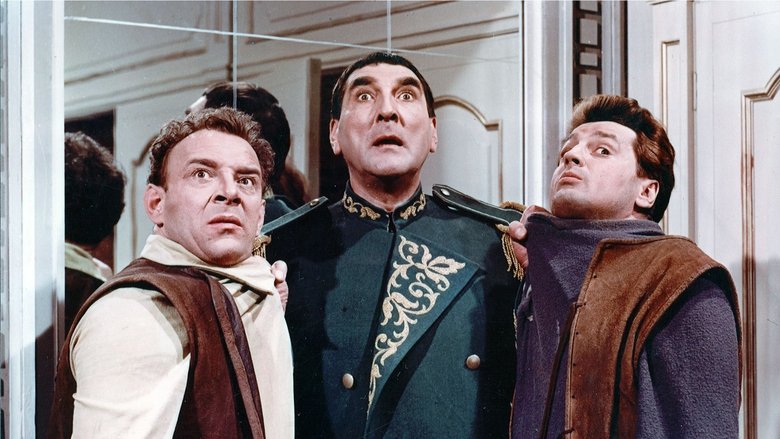
Das Kleid
Poor weavers Hans und Kumpan try to enter a town surrounded by a tall, impenetrable wall, where everyone is apparently very happy. When they finally make it inside, the tyrannical Emperor Max demands they make him new clothes that would "bring all creatures to their knees." Hans and Kumpan claim only intelligent people can see the robe, and in order to prove himself clever, the emperor haughtily displays himself before his subjects wearing his new invisible regalia.
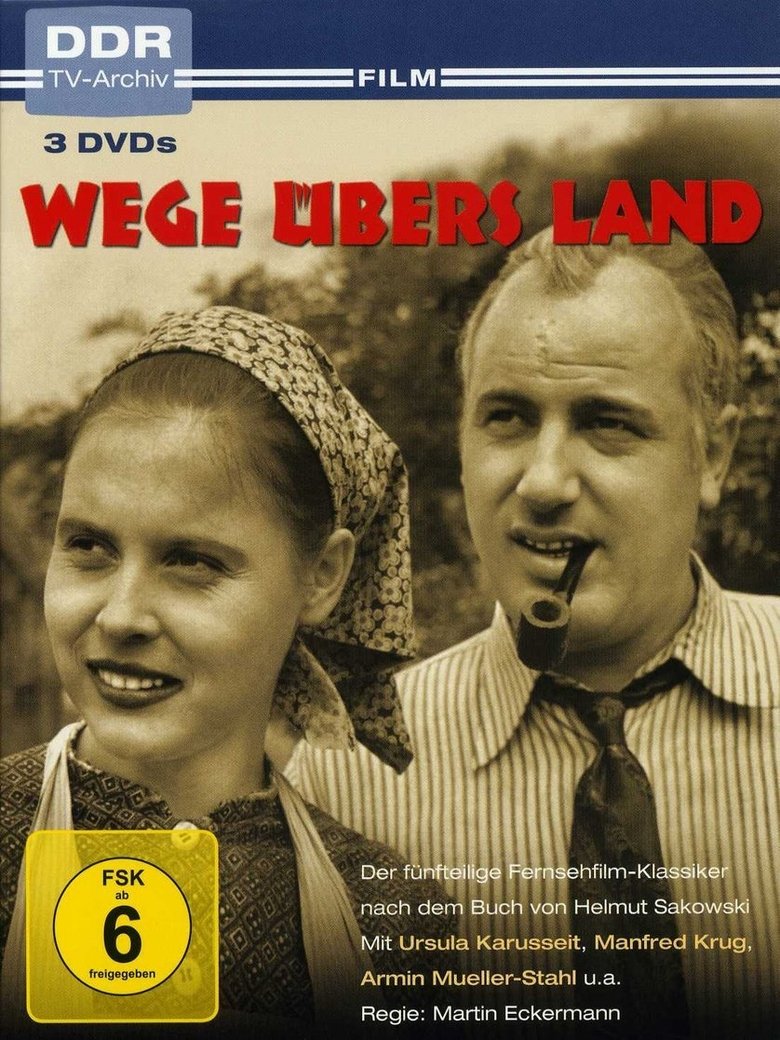
Ways across the Country
East German TV miniseries about the young maid Gertrud Habersaat, who marries, moves from Mecklenburg to Poland in the early 1940s, has to come back to Mecklenburg as a refugee during World War II and finally finds her place during the 1950s.
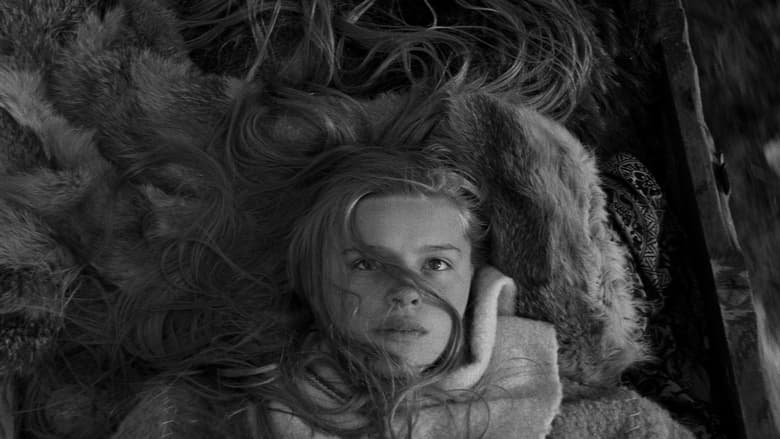
Marketa Lazarová
Mikolás and his brother Adam end up with a young German hostage of noble blood during a robbery. While their clan prepares for the wrath of the German king, Mikolás is sent to pressure his neighbor Lazar into a defense pact. Persuasion fails and he abducts Lazar's daughter Marketa on the eve of her initiation as a nun in an act of vengeance.
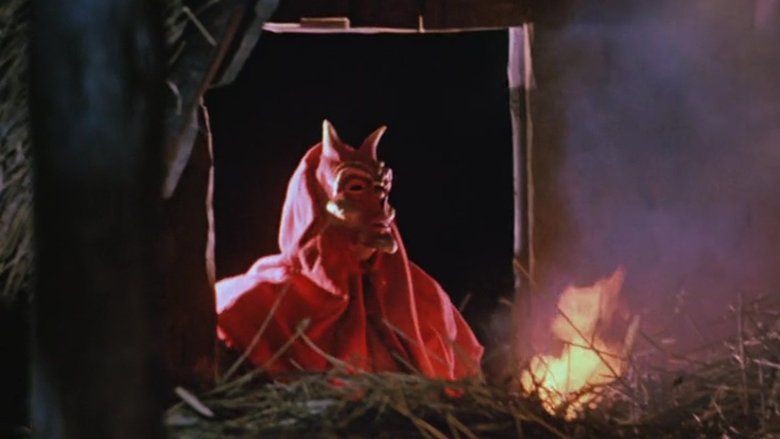
Der Teufel vom Mühlenberg
This film is set in a medieval mill town in the Harz mountains. The greedy and brutal millman and his accomplices, the castle steward and the mayor, set fire to a forest mill that the farmers used for processing their grain. Without their mill, the farmers must now rely on the millman's services. When the farmhand Anna uncovers the millman’s crimes, he swiftly detains her and a young miller, Jörg. The forest spirits have a different plan, however, and they free the young couple with the charge to rebuild the ruined forest mill and turn things around for the villagers.
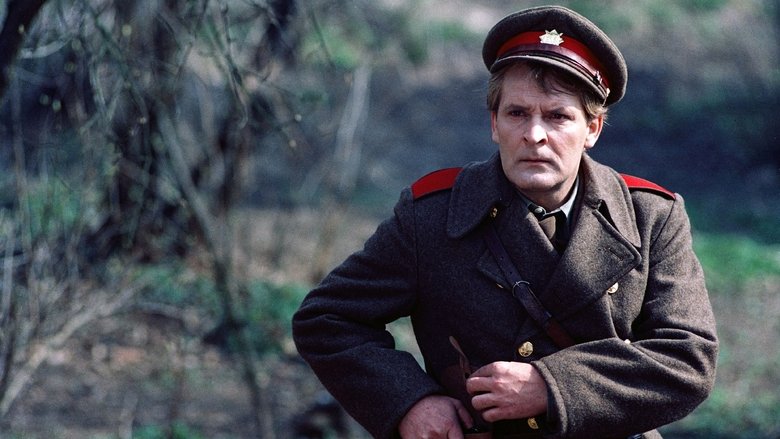
Thirty Cases of Major Zema
Thirty Cases of Major Zeman is a Czechoslovak action-drama television show intended as a political propaganda to support the official attitude of the communist party. The series were filmed in the 1970s. Each episode encompasses one year, and investigations are stylized to that year. Most are inspired by real cases. The series follows the life of police investigator Jan Zeman during his career from 1945 to 1975.
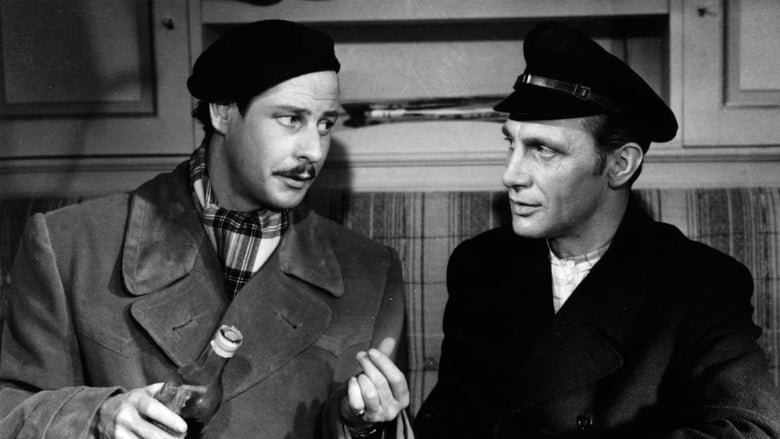
Die letzte Heuer
The ship stoker Heini Holler leaves Greece for health reasons and reports to the consulate of fascist Germany. The consul sends him back to Hamburg. He had previously reported him to the Gestapo there as politically suspicious. On his arrival, Holler is immediately arrested. His comrades kidnap the consul and demand an exchange for Heini, which is to take place in Marseille. The Gestapo agree to this as a pretense and secure the support of the French police to arrest the kidnappers. However, the solidarity of the sailors in Marseille is stronger and Heini is able to cure his lung disease in the Soviet Union.
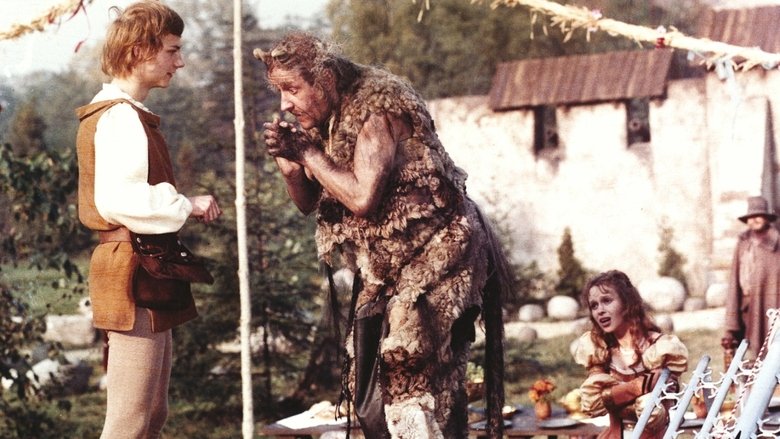
Who's Afraid of the Devil
Based on a fairy tale by the Brothers Grimm: Jakob is a poor farmer′s boy. Because of his timidity that even makes him run away from mice, he is often ridiculed by other people. Even the king is ill-disposed towards him. One day he sends Jakob to the devil to rob him of three golden hairs. This is supposed to be Jakob′s certain death. But naïve Jakob gets going and on his way even promises the oppressed subjects of the king to ask the devil for a way out of their misery.
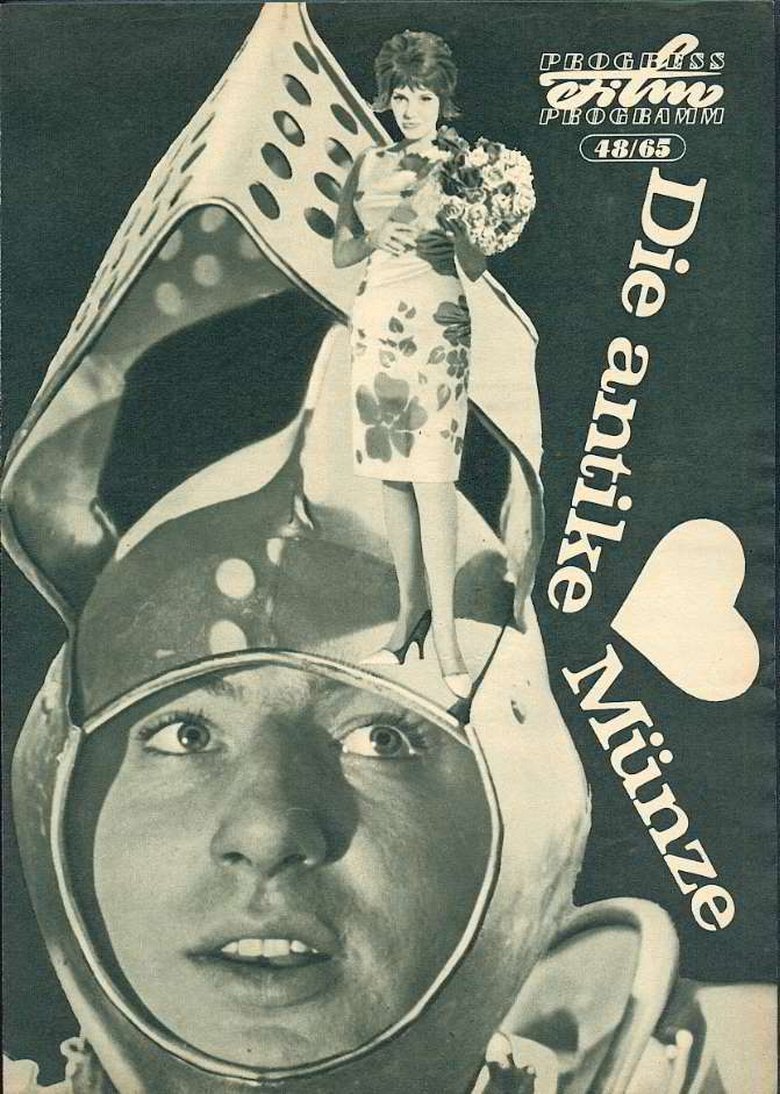
The Ancient Coin
History teacher and coin collector Karl Schneider wants to track down an ancient coin while on vacation in Bulgaria. When he meets a group of musicians, he finds out that their singer Jana Christova is wearing this coin around her neck. He falls in love with her, but the young love soon faces some unexpected troubles. His travel companion, the pop singer Theobald, accompanies the events with music.

Wer seine Frau lieb hat
The Berlin Volkseigene Betrieb (VEB) Komet is planning a company outing. Willi Redlich, member of the party committee, votes like the others: The relatives stay at home. But he doesn't dare tell his wife Susanne. So she does the work of renting the "Waldschlösschen" restaurant for him - without his knowledge. When Willi wants to book the seats, everything is fully booked and he switches to the "Sonnenburg" opposite. Meanwhile, word has gotten around among the women that they are excluded. They plan a counter-event. On the day of the excursion, both groups are sitting in their inns and the women make sure that they can still celebrate together.
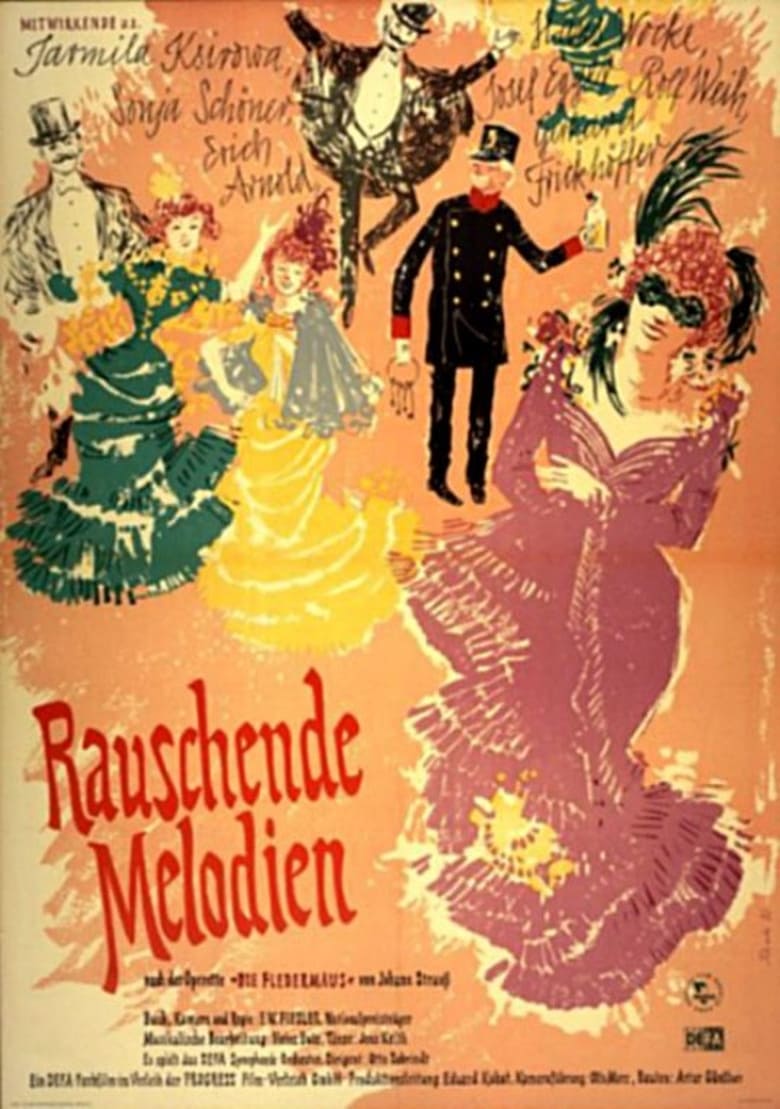
Rauschende Melodien
A close film adaptation of Johann Strauss' "Fledermaus". Notary Falke uses Prince Orlofsky's ball, at which the distinguished gentlemen of Viennese society enjoy themselves with the opera's ballet girls, to take revenge on Dr. Eisenstein, who once embarrassed him after a drinking bout. Falke also invites Eisenstein's wife Rosalinde. During the lavish party, Eisenstein courts his own wife, who is disguised as a Hungarian countess. In the morning, he hurries to prison to serve a short sentence. His indignation is great when a Dr. Eisenstein is already sitting there. He had been taken from his wife's arms the night before. He makes a scene for Rosalinde, but she convicts him of infidelity with the Hungarian countess.
Filmography
as Holzauge
as Jan Kleinert
as Pförtner
as Bärensprung
as Grandpa Klinger
as Fagin
as Gustav
as Herr Weber (Schwiegervater)
as Möller
as Hofkaplan
as Wegelin
as Old man on the stairs
as Leitkow
as Nachtwächter Bärensprung
as Cartman (voice)
as Trödler
as Älterer Strafgefangener
as Direktor
as Bodendiek
as Juryman : Herr Hecht
as Blaßblonder
as official
as Herbert Schöninger
as Wurzel
as Hat buyers
as host
as Schwerte
as Field
as Kuhn
as Bräuning
as Alcalde
as Waldmüller
as Kranich
as Kaufmann
as Borbasch
as Asmussen
as Heini Holler
as Mankmoos
as German Lieutenant
as German lieutenant
as Kurt Werner
as Danylo Chaplynskyi
as Otto, German soldier
as Mueller, German POW