
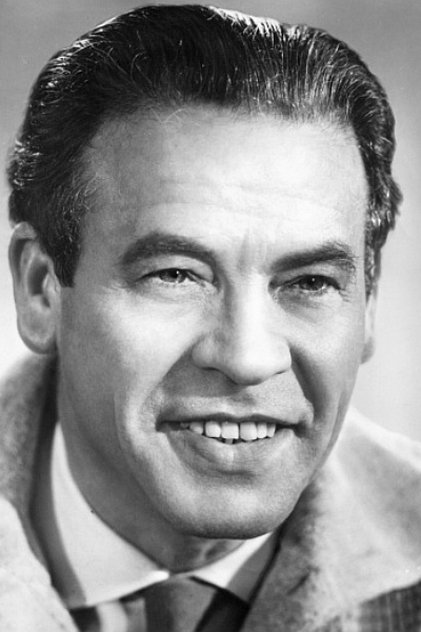
Harry Hindemith
Acting
Biography
Harry Hindemith (16 June 1906 – 21 January 1973) was a German actor. He appeared in more than eighty films from 1944 to 1973. Source: Article "Harry Hindemith" from Wikipedia in English, licensed under CC-BY-SA.
Born: June 16, 1906
Place of Birth: Bruxelles, Belgium
Known For
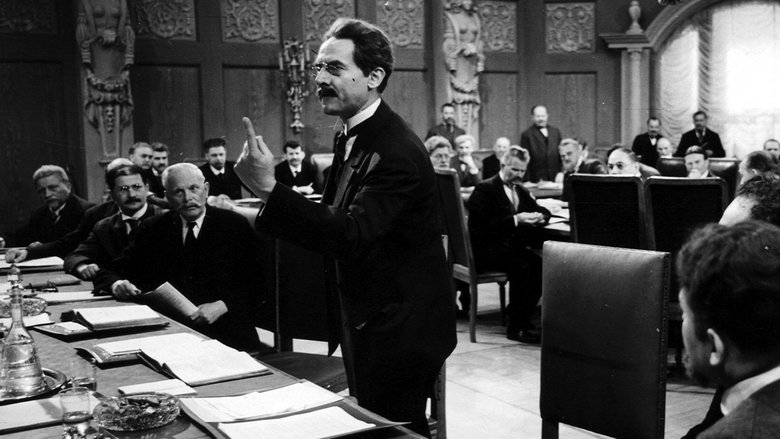
As Long as There’s Life in Me
This is part one of a two-part biopic about Karl Liebknecht. In 1914, Germany is arming itself for war. Karl Liebknecht, left-wing revolutionary Social Democrat, workers’ leader and a virulent antimilitarist, is one among 110 SPD members of Parliament who vote against approving war loans. From then on, he is considered un-German and a traitor to the fatherland, and his own party’s leadership turns against him. Despite threats, Liebknecht speaks up against the war and writes the manifesto “The Main Enemy Is at Home.” Even when he is arrested and charged with treason, he does not surrender.

Italienisches Capriccio
Biography of the comic poet Carlo Goldoni (1707-1793).
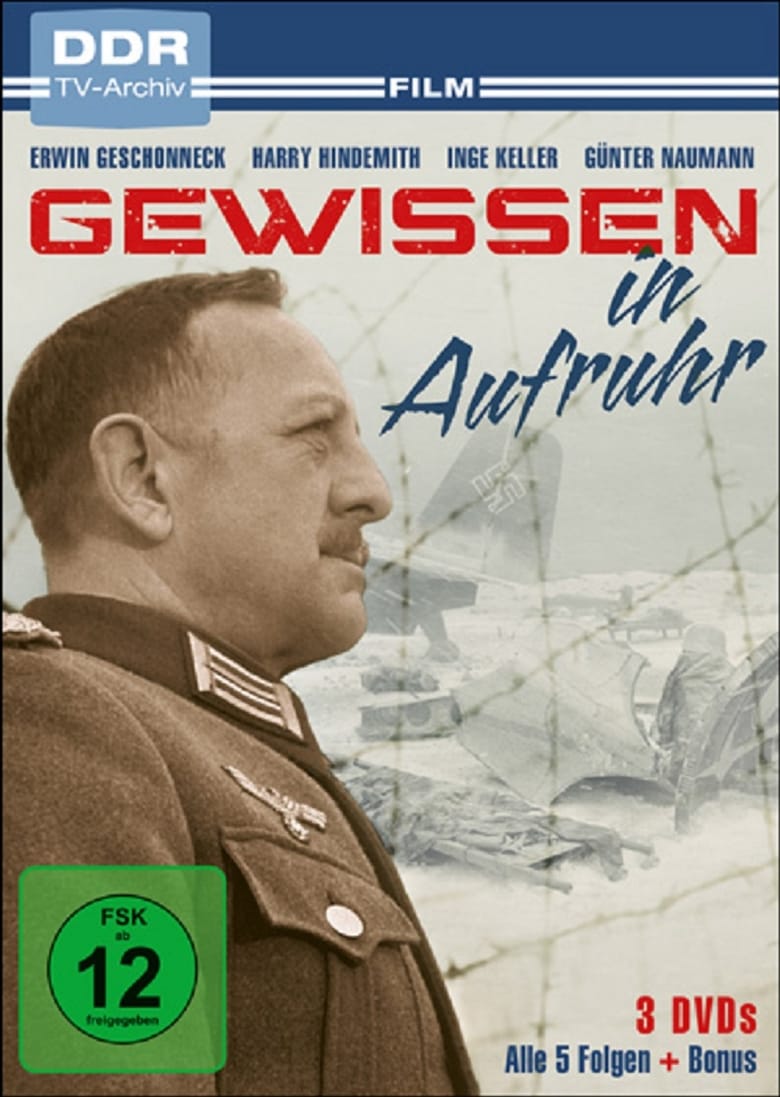
Gewissen in Aufruhr
As a German soldier in the 6th Army, Colonel Joachim Ebershagen is trapped in the Stalingrad cauldron. His experiences cause him to begin to doubt the meaning of the war. He is flown out as a wounded soldier on one of the last planes. Back home, he becomes commander of Greifswald. Towards the end of the war, he surrendered the city to the Soviet army without a fight on April 30, 1945. The death sentence pronounced by a court martial is not carried out.
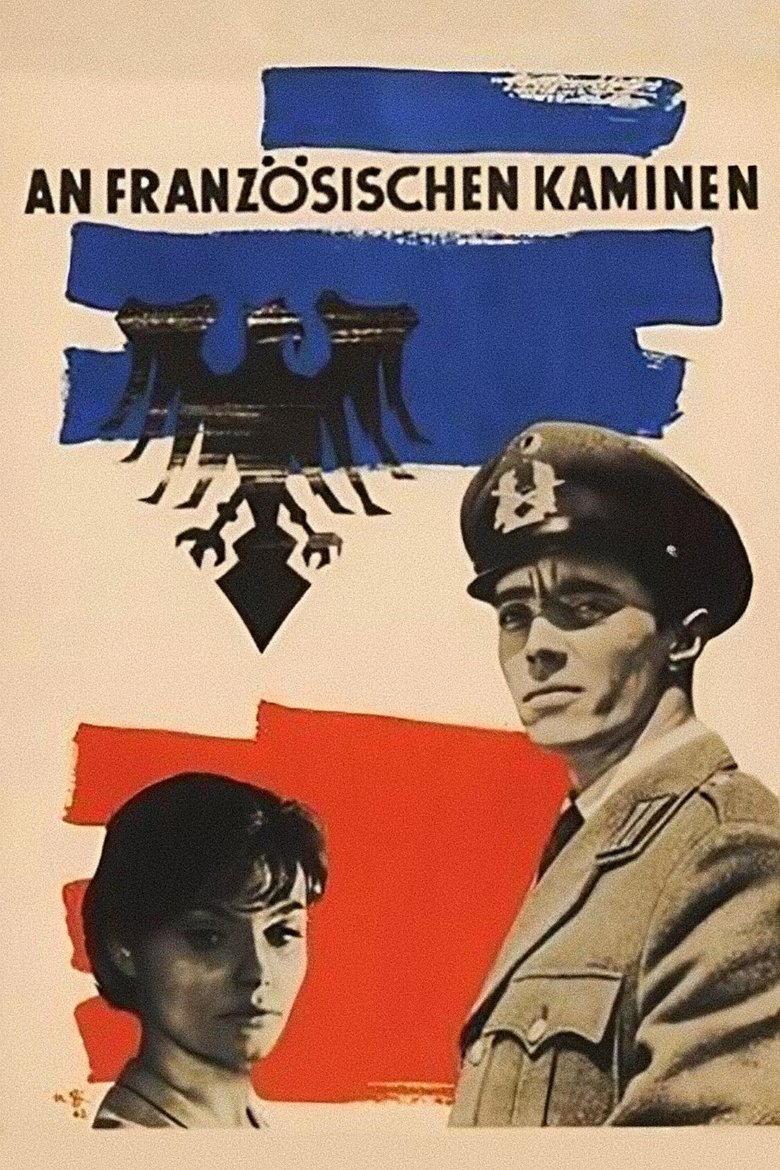
At a French Fireside
Bundeswehr soldier Klaus’ regiment is stationed in France, to take part in NATO maneuvers. The soldiers are ordered to be kind to the populace, since the West German High Command wishes the French to forget the atrocities that were committed during the Second World War. Klaus falls in love with Jeanne, the daughter of the local mayor. He discovers that his commanders intend to demolish the ruins of a local church, in which civilians were murdered by the German occupation forces at 1944. A local journalist who researches the event discovers that West German General Rucker ordered the massacre, but he is mysteriously murdered. Klaus defies his commanding officer Siebert, who instructs him to steal the documents indicting Rucker, and hands the evidence over to Jeanne.
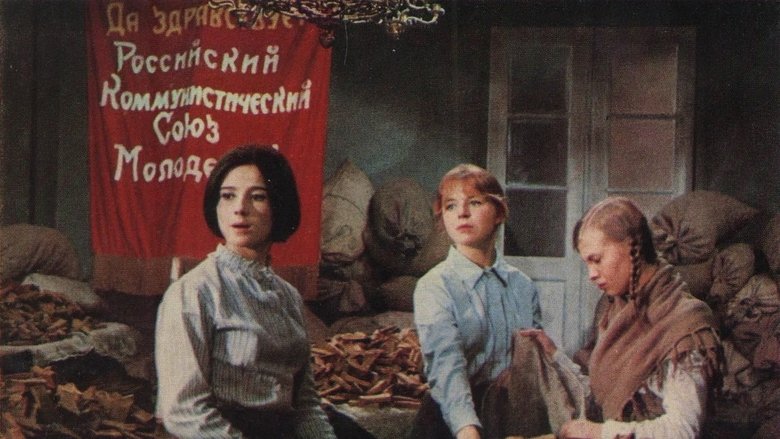
Black Rusks
The November Revolution of 1918 in Germany, famine and social upheaval evoke a response from the young Soviet government in Russia. To provide food assistance, trains with bread are being formed. One of them, on the personal instructions of V.I. Lenin is accompanied by the young revolutionary Tatyana . On the way, she meets a former German prisoner of war, Kurt . A romantic relationship arises between them. The train with bread, despite all the difficulties, was delivered. In a clash with a detachment of counter-revolutionary German troops, Tatyana was wounded. She returns to Moscow, and Kurt goes to Berlin to continue the revolutionary struggle.
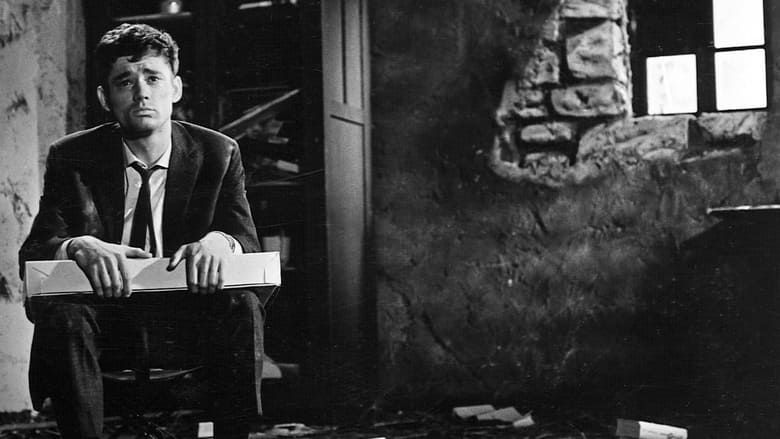
Just Don't Think I'll Cry
High-school senior Peter considers the adults around him to be hypocritical, self-congratulatory, and immersed in the past. He gets suspended for writing an essay that his teachers consider to be a challenge to the state. Just Don't Think I'll Cry became one of twelve films and film projects-almost an entire year's production-that were banned in 1965-1966 due to their alleged anti-socialist aspects. Although scenes and dialogs were altered and the end was reshot twice, officials condemned this title as "particularly harmful." In 1989, cinematographer Ost restored the original version, and this and most of the other banned films were finally screened in January 1990. Belatedly, they were acclaimed as masterpieces of critical realism.
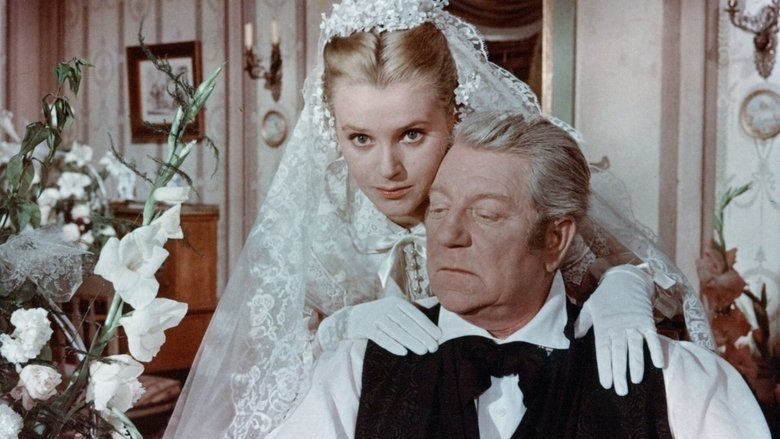
Les Misérables
In 19th century France, Jean Valjean, a man imprisoned for stealing bread, must flee a relentless policeman named Javert. The pursuit consumes both men's lives, and soon Valjean finds himself in the midst of the student revolutions in France.
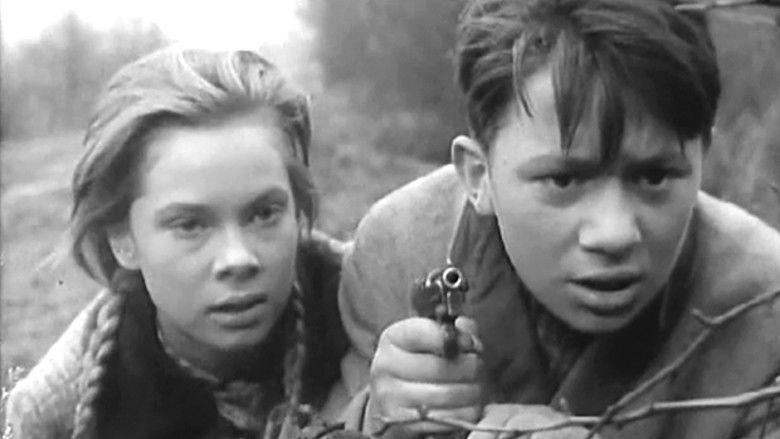
When Martin Was Fourteen
Martin′s and his girlfriend′s Kathrin′s childhood comes to an abrupt end in 1920, when their Mecklenburg village is drawn into the events surrounding the Kapp putsch. By accident, Martin discovers a charge of weapons that land owner von Bröder had put away for the reactionary forces, and gives them to the workers in the city. When the village starts to organize a strike against the putsch, soldiers arrive at the village to hold down the residents of the village.
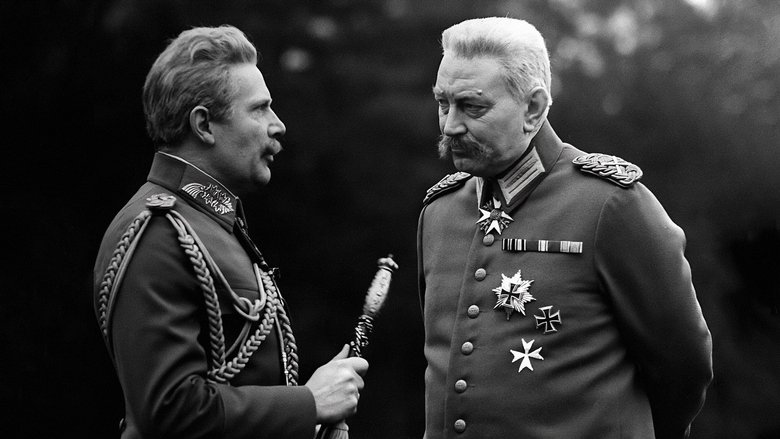
Despite It All!
October 1918: Karl Liebknecht is released from prison and Berlin workers celebrate his release. Although WWI is almost over, the German Kaiserreich in vain sends its last reserves to the slaughter. The working class is in a rebellious mood; the uprising of Kiel’s sailors against war and militarism sets off a call for revolution led by Liebknecht. On November 9, Liebknecht declares the Free Socialist Republic of Germany. But pro-Kaiser military and right wing Social Democrats oppose him.
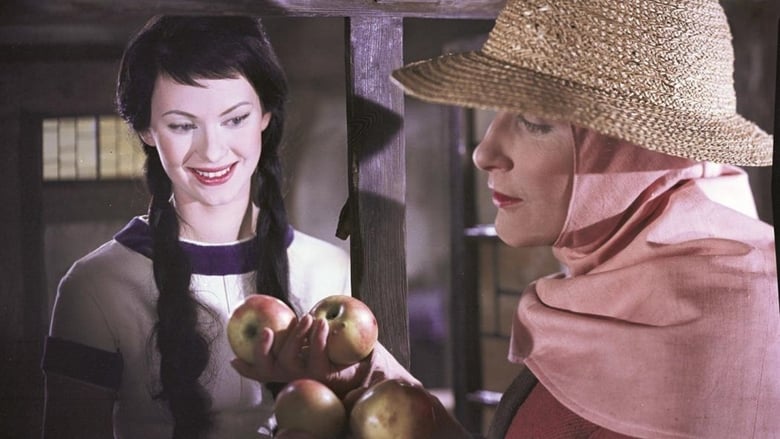
Snow White
Hated by her jealous and bloodthirsty stepmother, Snow White flees a murder attempt and seeks shelter in the woods with seven kindly dwarfs. Feeling she is safe from harm, Snow White welcomes the disguised queen into her home...with fatal consequences.
Filmography
as Neubert
as General von Hohenberg
as Scheffler
as Bachmann I.
as Hein Butt
as Jüll Nowitzki
as Bürgermeister Zonkel
as Dr. Woock
as Herr Naumann
as Meister
as Dr. Buresch
as Bourguignon
as Walther Rathenau
as Jäger
as Hans Stiller
as Teodoras Vater
as Wilhelm Schepp
as Hanke, Abteilungsleiter
as Oberstleutnant Bremer
as Simsal
as Böhnke
as Convict Cochepaille
as Erwin Beier
as Hansels Vater
as Kalle Buddenboom
as Taga
as Staatsanwalt
as Walter Rottstock, Metallarbeiter
as Steiger
as Emil
as Lahmann
as Burmeister
as Narrator (voice)
as Narrator
as Seidel
as Krantz
as Ernst Webers
as Schneegandt
as Paul Iller