
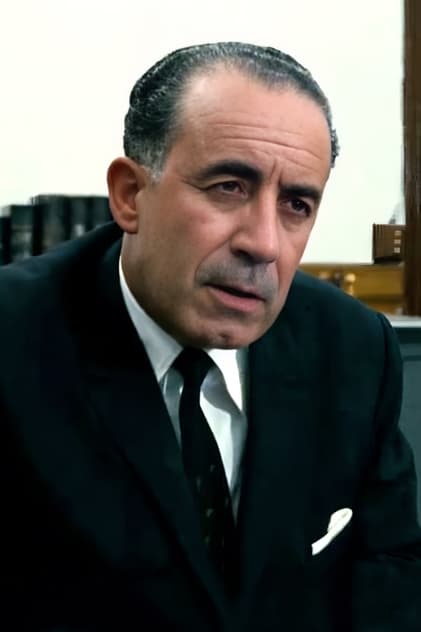
Hassan El-Hassani
Acting
Biography
No biography available for Hassan El-Hassani.
Born: October 24, 1916
Place of Birth: Ksar El Boukhari, Algérie
Known For

The Uprooted
In 1880, in colonized Algeria, it was decided that the Algerian peasants of the Ouarsenis mountains would see their lands dispossessed in favor of the French colonists. Two methods were used to achieve this, either by sheer force or by a ploy forcing the fellahs to pay fines too high to be paid. The uprooted must then leave for the cities, swelling the mass of proletarians in the slums ...
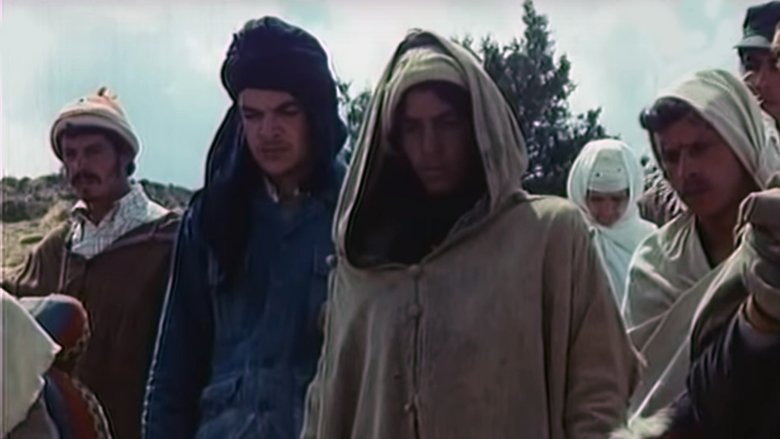
Harvest of Steel
Years after Algeria gained independence, war continues to claim lives in Soulima, a border village surrounded by mines, whose victims are too numerous to count. Despite all these deaths, the inhabitants remain rooted in their ancestral land. Among them stands out the noble figure of Zohra, who seems to be the soul of the village...
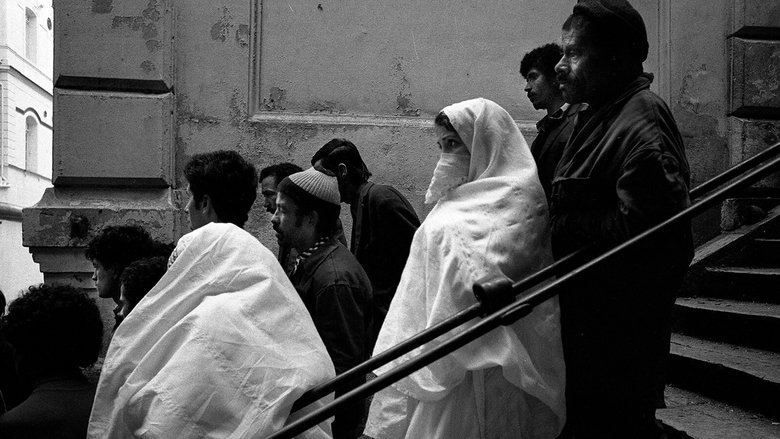
Hassan Terro au Maquis
While trying by all means to stay out of the bloody turmoil caused by the Battle of Algiers, Hassan, an honest and naive family man, is wrongfully accused of terrorism by the French colonial army in "Hassan Terro." After escaping in "The Escape of Hassan Terro," Hassan is forced to join the resistance in "Hassan Terro in the Maquis."
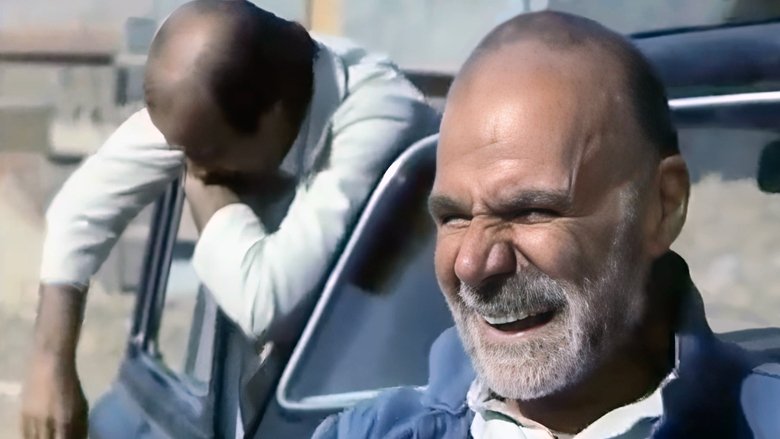
The Mill of M. Fabre
The story of the post-independence nationalization of the mill of Monsieur Fabre, an old man attached to the land of Algeria where he was born. In this small town in eastern Algeria, there was nothing else to nationalize and they were actively preparing for the arrival of high dignitaries who would elevate the mill to the rank of an industrial flour mill even though it was threatened with ruin. The comedy gets worse when the football player from the local team withdraws for love, the officials' visit is canceled and Mr. Fabre returns.
Gates of Silence
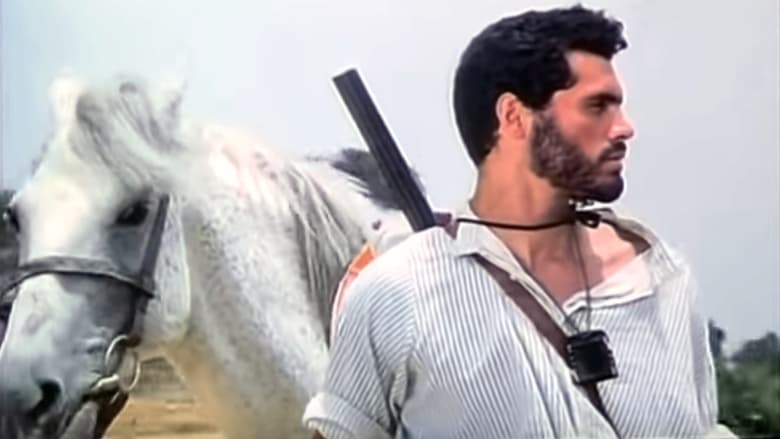
In 1955, what was known as the "Algerian War" gradually escalated into all-out war, and the French army inexorably transformed into a soldiery accustomed to colonial humiliation and massacres. Amar is a young deaf and mute man who wants to join the resistance, but he is rejected because of his disability, despite all the training he received from his father, who was an expert in hunting and horses. The raid on his village, which he watches helplessly, drives him to seek revenge, he who had until then been locked away in "The Gates of Silence."
So Young a Peace
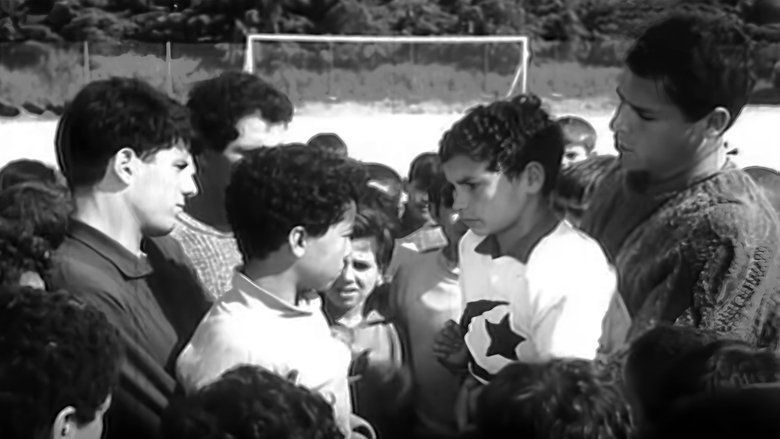
The first fictional feature film produced in Algeria after independence, this film addresses one of the most worrying problems: that of childhood. Children, freedom regained, do not yet know how to play “at peace”, they naturally play “at war”.

The Nomads
When their father dies, three nomadic sons choose different voices. The first part for the city, the second tries to live as its ancestors develop and the third integrates one of the new agricultural cooperations. "A pastoral society (1,500,000 inhabitants) on the threshold of decisive choices, destructured by the evolution of economic relations which lead to the concentration of herds in the hands of a few, to the support of rangelands and to the movement of impoverishment and proletarianization of the greatest number. The attitudes of the protagonists occur in relation to the economic and political involved in the process of agrarian revolution. The alternative lies only in the free adherence of small breeders to the forms of economic and social reorganization of the Agrarian Revolution and their insertion in the profound movements of social and political change that affect Algerian society." Sid Ali Mazif
We Will Return
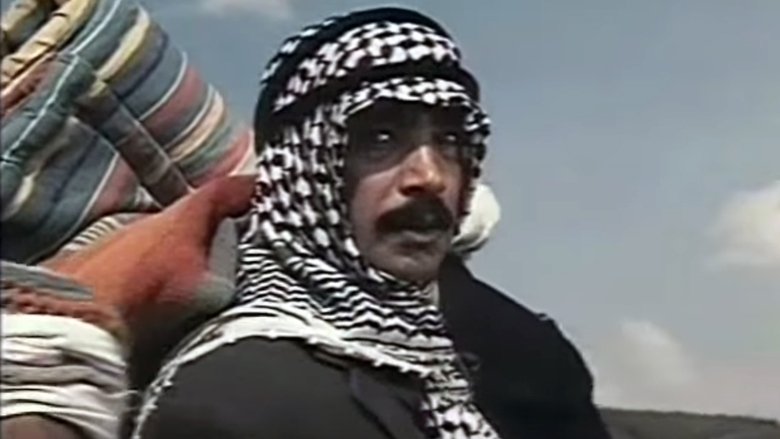
The story of a young Palestinian who left his refugee camp to become a resistance fighter in the Palestine Liberation Organization.
First Step
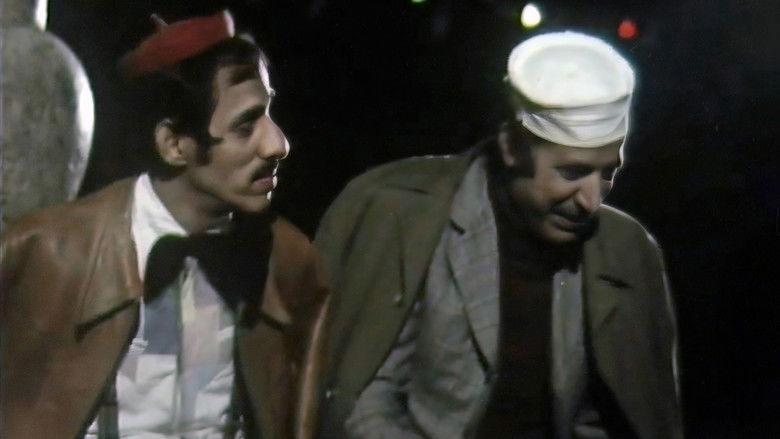
A modern couple seeks to find marital happiness in a context where Algerian society is taking the “first step” towards female emancipation. A woman becomes president of a popular municipal assembly. Will she find happiness ?
December
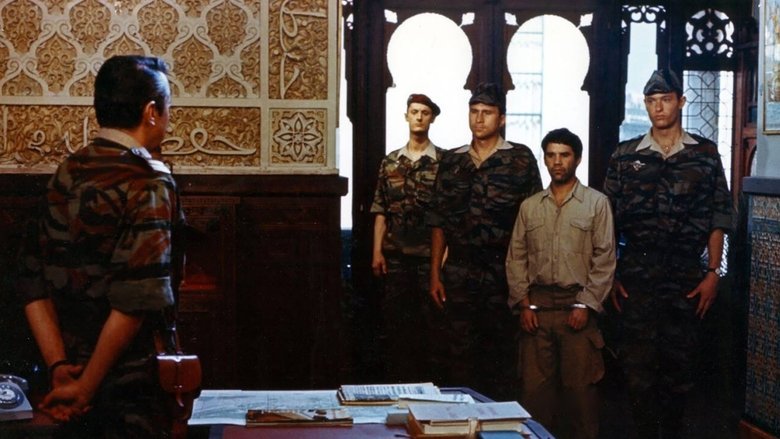
In Algiers, during the Algerian War of Independence, one of the leaders of the FLN was arrested by the French colonial army, which used the most violent methods to make the prisoners speak. The use of torture poses a conscience problem for a French officer. Playing shot-reverse-shot, between the tortured and his torturer, in a suffocating camera, Mohammed Lakhdar-Hamina approaches torture by drawing inspiration from the story of his father, who died of abuse.
Filmography
as Touhami
as le notaire
as General's Chauffeur
as Bahri