
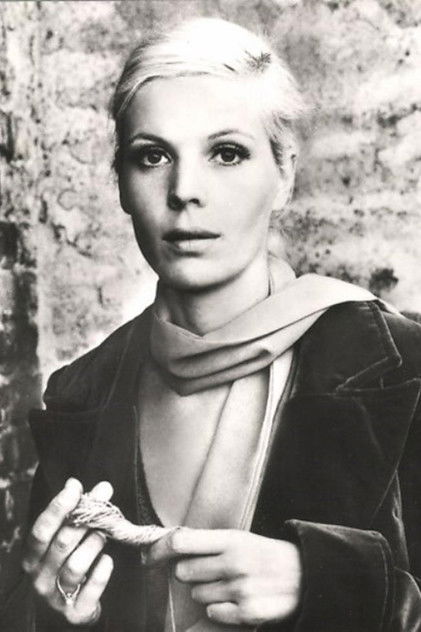
Heidemarie Wenzel
Acting
Biography
No biography available for Heidemarie Wenzel.
Born: July 7, 1945
Place of Birth: Berlin
Known For
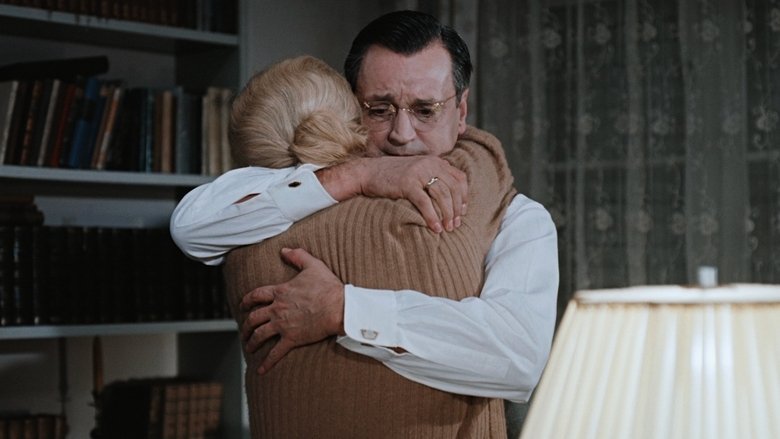
KLK Calling PTZ – The Red Orchestra
East German film about the history of Red Orchestra, a real life German pro-Soviet spy ring created after the rise of Hitler that turned into a resistance movement led by a leftist Nazi officer, Harro Schulze-Boysen, and Arvid Harnack.
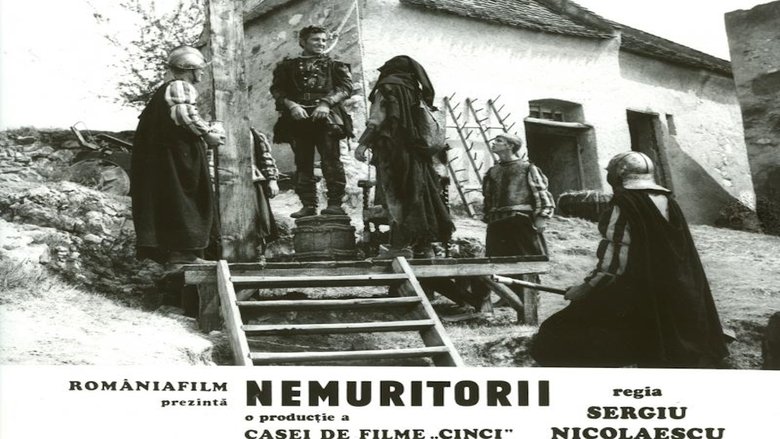
The Immortals
It's the story of a few men that wonder across Europe trying to come home and rebuild what Mihai Viteazul called "Romanian dream".
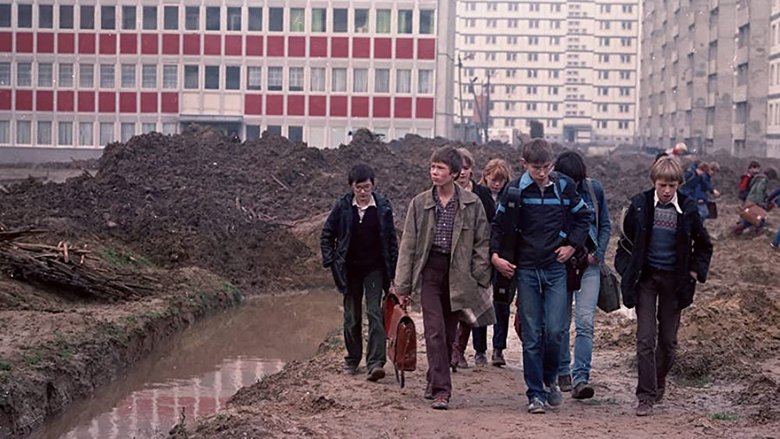
Island of Swans
Fourteen-year-old Stefan Kolbe, along with his mother and sister, moves from an idyllic small town to the developing area of Berlin-Marzahn, where his father works as a construction worker. Stefan must find his way in a completely new environment and surrounded by strange people. Stefan gets to know two girls, who attempt to seduce him, and gets himself into trouble with the landlord, who kisses up to societal authority figures. He becomes friends with the anxious Hubert, defends him against the constant humiliation of the older student Windjacke, and encourages him to stand up for himself. It ends tragically in a bitter fight between Stefan and Windjacke.
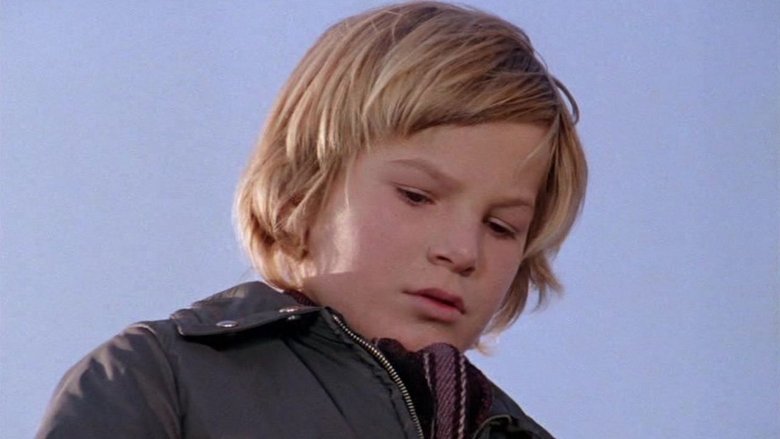
Icarus
Eight-year-old Matthias dreams that he will someday become a pilot and his divorced parents will get back together. He waits yearningly for his ninth birthday because his father has told him the story of Icarus, and promised to take him on a sightseeing flight. When Matthias' father doesn't come home, he is devastated. He runs throughout the city, talks to his friend about the relationships of adults, looks for his father at his desk, and gets himself into conflict with the police. As he sits alone on the roof of a house, he comes to the conclusion that Icarus didn't plummet to the earth because he didn't listen to his father, but rather because his father had forgotten him.
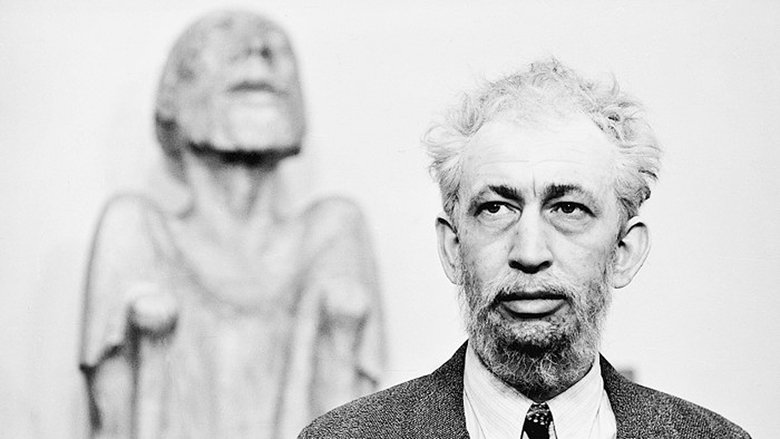
The Lost Angel
August 24, 1937: a day in the life of expressionist sculptor and author Ernst Barlach (Fred Düren). Barlach lives in the small town of Güstrow, keeping to himself and wanting to steer clear of politics. On this day he learns that the Nazis have dragged his famous 1927 sculpture The Hovering Angel out of the Güstrow Cathedral. Barlach begins to reflect on his life of “inner emigration” and on his work.
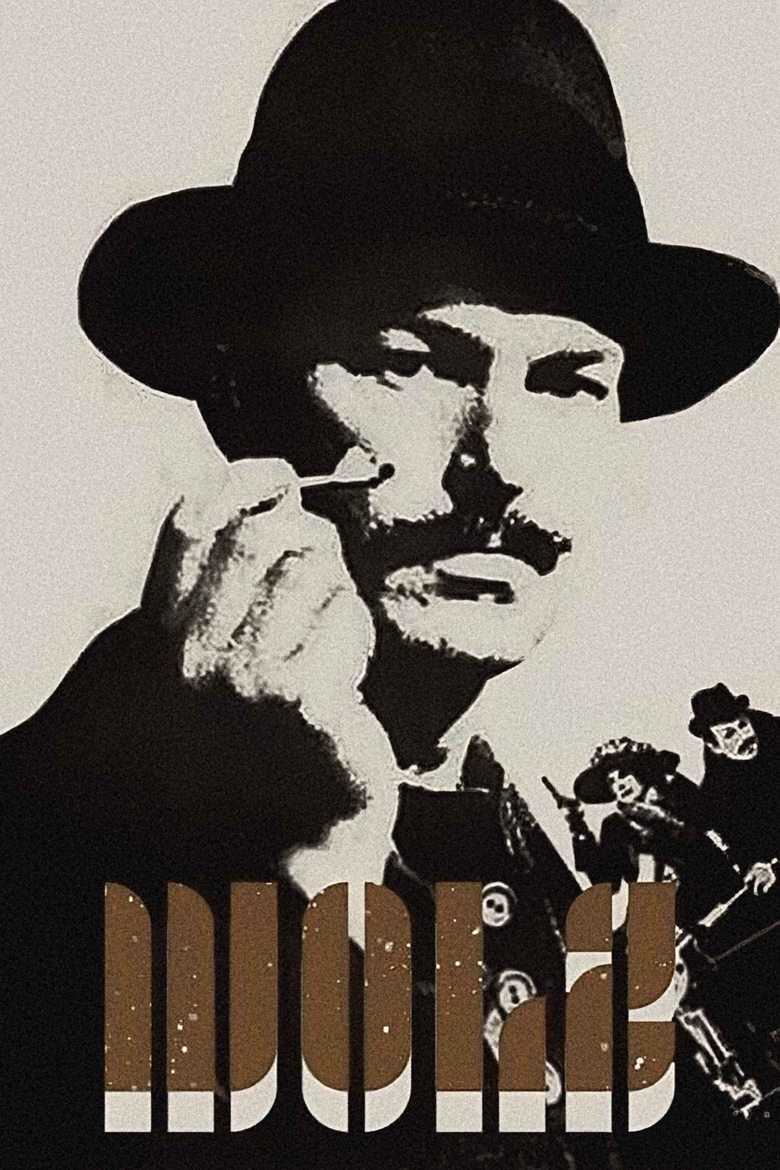
Wolz – Life and Transfiguration of a German Anarchist
Soldier Ignaz Wolz returns from WWI with an immeasurable hatred of capitalist war profiteers. He decides to start his own revolution, but tries to stay away from the organized class struggle. He steals from the rich men and divides the wealth among the poor. One day, Wolz is arrested and sentenced to life in prison; seven years later he is released due to mass protests. More than ever, it is hard for him to fit in. He severs ties with his former companions, who reject his ideas, and leaves Germany.
Polizeiruf 110
Polizeiruf 110 is a long-running German language detective television series. The first episode was broadcast 27 June 1971 in the German Democratic Republic, and after the dissolution of Fernsehen der DDR the series was picked up by ARD. It was originally created as a counterpart to the West German series Tatort, and quickly became a public favorite.
Polizeiruf 110
Polizeiruf 110 is a long-running German language detective television series. The first episode was broadcast 27 June 1971 in the German Democratic Republic, and after the dissolution of Fernsehen der DDR the series was picked up by ARD. It was originally created as a counterpart to the West German series Tatort, and quickly became a public favorite.
Polizeiruf 110
Polizeiruf 110 is a long-running German language detective television series. The first episode was broadcast 27 June 1971 in the German Democratic Republic, and after the dissolution of Fernsehen der DDR the series was picked up by ARD. It was originally created as a counterpart to the West German series Tatort, and quickly became a public favorite.
Polizeiruf 110
Polizeiruf 110 is a long-running German language detective television series. The first episode was broadcast 27 June 1971 in the German Democratic Republic, and after the dissolution of Fernsehen der DDR the series was picked up by ARD. It was originally created as a counterpart to the West German series Tatort, and quickly became a public favorite.
Filmography
as Frau Lützow
as Linda Hinrichs
as Huberts Mutter
as Maria Ronsdorf
as Prinzessin
as Hilda von Bülow
as Renate Mauerbusch
as Elisabeth
as Erika Sandke
as Maria-Christina
as Lore Pohl
as Die Schöne
as Susanne Krug
as Frau Körner
as Elke Schwarzbach
as Frau Vogel
as Marianne
as Traudel Zieske
as Braut
as Ina Schreier
as Karin Bähr
as Lore
as Paula Weber
as Beryl
as Fanny
as Dagmar Kurschke
as Bettina Becker