
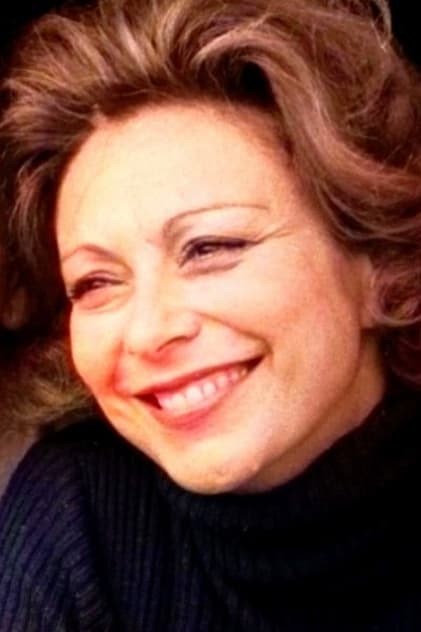
Helle Virkner
Acting
Biography
Helle Genie Lotinga was born in Aarhus to Jewish rentier Moritz Lotinga and Ellen Larsine (née Rasmussen). Her parents divorced when she was 5, at which point she moved with her mother from Old Rye to Copenhagen. Her paternal family escaped to Sweden doing the occupation of Denmark in 1943. Helle changed her last name from Lotinga to Virkner in 1944. Helle Virkner was married three times. First to actor William Rosenberg (1944–1949), then to actor Ebbe Rode (1949–1958), and her third marriage was to the then Foreign Minister of Denmark and later Prime Minister Jens Otto Krag (1914–1978), with whom she had one child, daughter Astrid Helene 'Søsser' Krag, a journalist and former model. Krag also had a soon from a previous relationship named Jens Christian Stephan Krag. Helle and Søsser lived together in sheltered housing in Charlottenlund in the last years of Helle's life.
Born: September 15, 1925
Place of Birth: Gammel Rye, Aarhus, Denmark
Known For
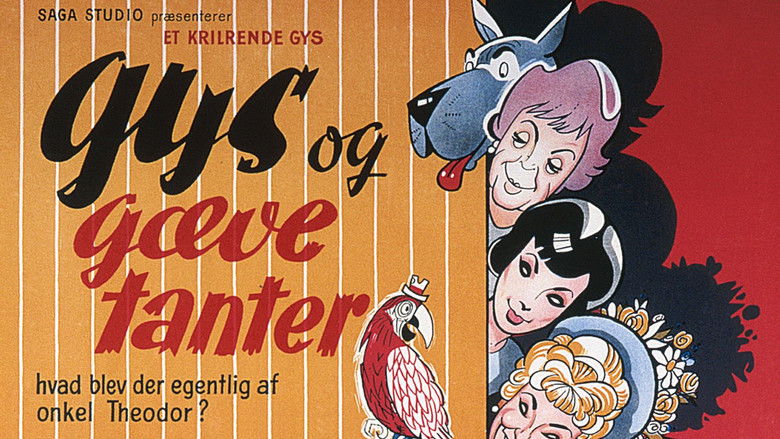
Old Maids
Bettina Eriksen, manager of her Uncle Teodor's nursing home, is being framed for murder. With the help of 2 older ladies, Bettina sets out to find out the murderer's identity and motive.
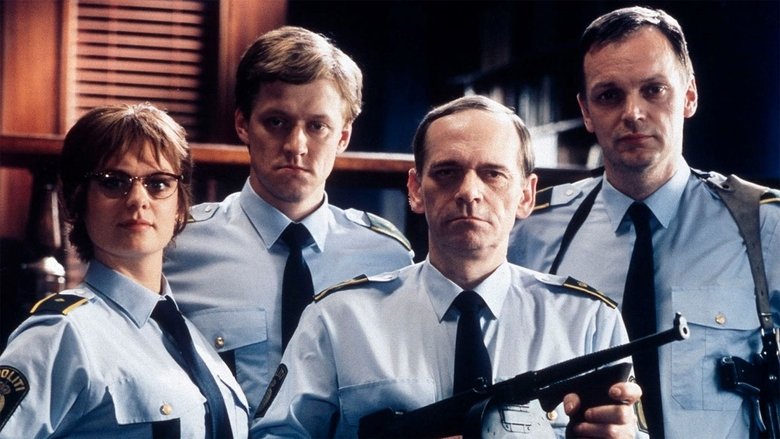
Station 7-9-13: Gufol mysteriet
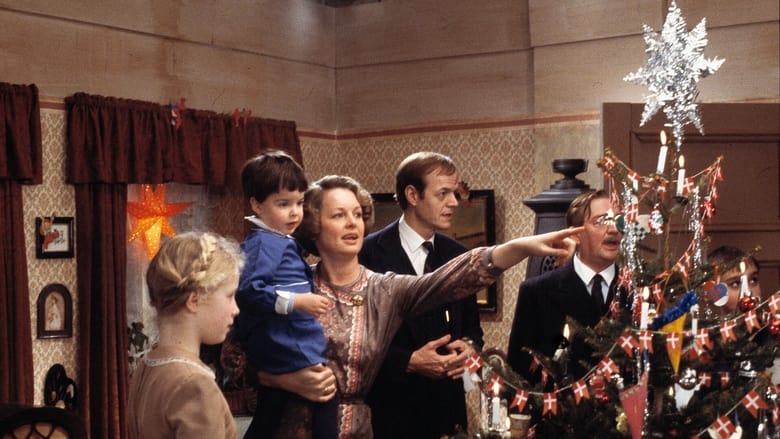
Matador
Matador is a Danish TV series produced and shown between 1978 and 1982. It is set in the fictional Danish town of Korsbæk between 1929 and 1947. It follows the lives of a range of characters from across the social spectrum, focusing specifically on the rivalry between the families of two businessmen: The banker Hans Christian Varnæs, an established local worthy, and social climber Mads Skjern, who arrives in town as the series opens. The name Matador was taken from the localised edition of the boardgame Monopoly, also the series' tentative English title. In addition, in contemporary Danish a "matador" is often used to describe a business tycoon, in the series referring to the character of Mads Skjern and his craftiness as a self-made entrepreneur. Directed by famed Danish film maker Erik Balling, Matador was the idea of author Lise Nørgaard who wrote the bulk of the episodes alongside Karen Smith, Jens Louis Petersen and Paul Hammerich. The series is one of the most well-known and popular examples of Danish television and represents the peak of longtime development of Danish TV drama by the public service channel Danmarks Radio. The series has become part of the modern self-understanding of Danes, partly because of its successful mix of melodrama and a distinct warm Danish humour in the depiction of characters, which were portrayed by a wide range of the most popular Danish actors at the time; but also not least because of its accurate portrayal of a turbulent Denmark from around the start of the Great Depression and through Nazi Germany's occupation of Denmark in World War II.
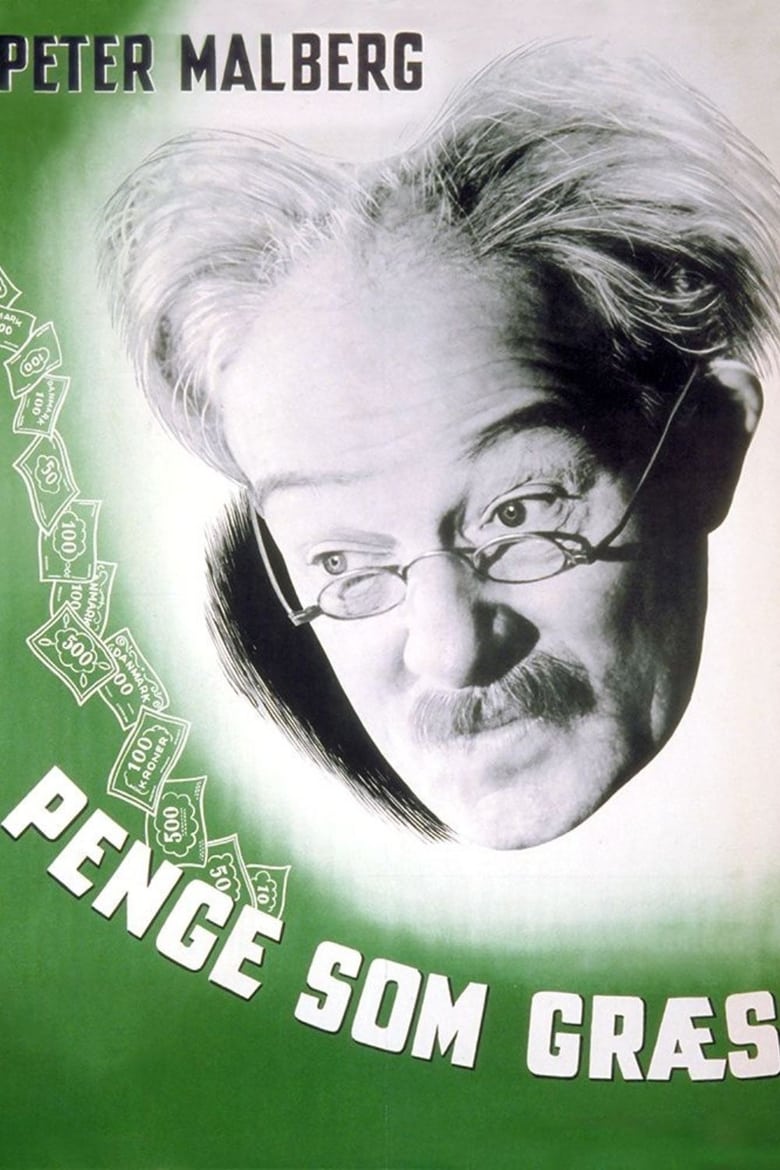
Penge som græs
The heavy prison door in Vridsløse opens, and freedom beckons once again to counterfeiter P. Krone-Strøm. He has served an eight-year sentence, but believes it was a miscarriage of justice. He was one of the many who could not find employment during the crisis years of the 1930s in Denmark. Now he is once again in contact with the world outside the prison walls, but conditions have changed completely during the years he has spent in isolation. Now it is not money that is lacking in society, but labor and goods.
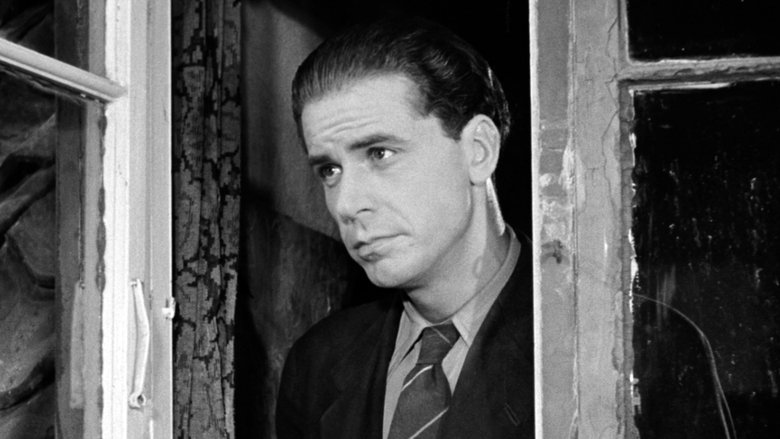
Spurve under taget
The action takes place in the bleak, overcrowded, and for many too small apartments in one of Copenhagen's bridge districts, where there are both good citizens, but also people who live a shadowy existence. Up in the attic, Mathilde lives alone with her little daughter Vibeke. She is the result of a coincidence, as is so often the case when a young girl from the provinces comes to the Capital. Mathilde comes from Vordingborg, she went to the city to look for work. At the boarding house where she stayed, she made a friend Ellen, a rather frivolous and indifferent young girl.

The House at Christianshavn
The series follows the residents of an apartment building on Copenhagen's Christianshavn, as they go about their daily lives and challenges. There is Olsen, a mover with an old fashion view of the world, Clausen who runs the local pet shop, Egon the career focused assistant, their wives who work hard to keep their spouses lives together, the young couple Tue and Rikke who recently moved in, the hard working caretaker Meyer, who never puts in to much effort, and of course Emma, the innkeeper of Rottehullet, where all the important decisions are made while running up the bar tab. The series was produced by Nordisk Film for Danmarks Radio TV station between the years 1970-77. The series' first director was Ebbe Langberg, then Erik Balling and Tom Hedegaard respectively. The series was conceived by an author team of well-known Danish authors such Leif Panduro, Benny Andersen, and Lise Nørgaard.
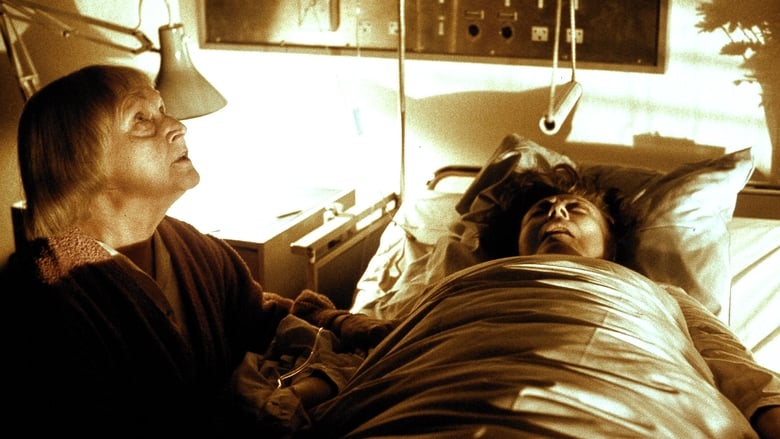
The Kingdom
At The Kingdom, Denmark's most technologically advanced hospital, a number of strange and otherworldly events begin occurring, much to the dismay of its doctors and patients. A ghostly ambulance appears and disappears, the voice of a little girl calls to a patient in an elevator shaft, and a doctor's fetus begins growing at an alarming rate.
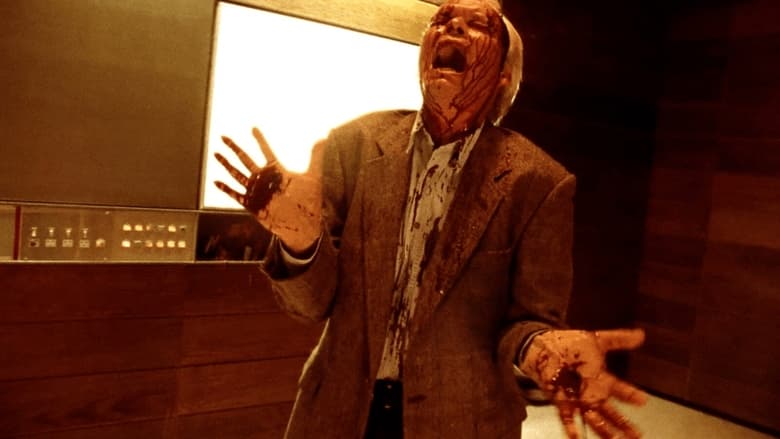
The Kingdom II
The mutant fetus is born. Dr. Helmer comes under heavy scrutiny for a botched operation that left a patient braindead, and begins to dabble in the dark arts in order to ward off those seeking an end to his career. Hypochondriac Mrs. Drusse finally does have something bad happen to her medically when an ambulance hits her.
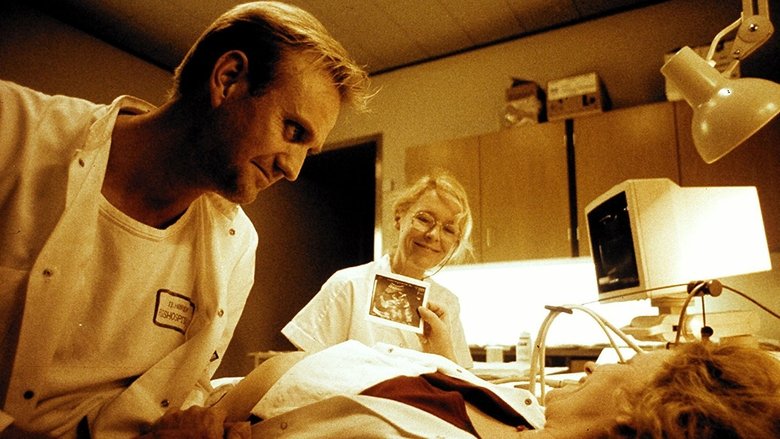
The Kingdom
The Kingdom is the most technologically advanced hospital in Denmark, a gleaming bastion of medical science. A rash of uncanny occurrences, however, begins to weaken the staff's faith in science – a phantom ambulance pulls in every night, but disappears; voices echo in the elevator shaft; and a pregnant doctor's fetus seems to be developing much faster than is natural.
Take What You Want
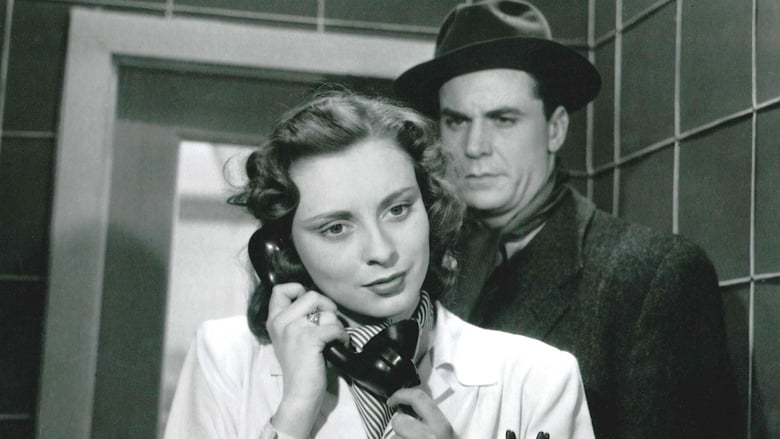
Consul Bergholtz is ill and will probably die soon. Family members gather at her bedside, each with the expectation of receiving a share of the impending inheritance. Among the heirs are her sons, the alcoholic editor Oscar and the homosexual lecturer Ejnar, as well as their pretty and recently divorced sister Esther. But when her grandson, the cunning and unscrupulous businessman Kurt, shows up, the intrigues are stoked. Kurt couldn't care less about good manners and cultural veneer; he simply takes what he wants.
Filmography
as Tante Beate
as Emma Mortensen
as Fru Andersen
as Fruen
as Emma Mogensen
as Emma Mogensen
as Elisabeth Friis
as Fru Andersen
as Marianne Durant
as Hallandsens sekretær
as Fru des Staranwalts
as Karen
as Elna, Verners kone
as Ellen Olsen
as Frk. Nyborg
as Fru. Olsen
as Ruth Stein
as Bettina Eriksen
as Lykke Jeppsen
as Frida von Rambow - grevinde
as Fru Henriksen
as Eva Lindberg
as Bodil Henriksen
as Minna Berg
as Fru Henriksen
as Emilie
as Fru Bodil Henriksen
as Lillemor
as Lillemor
as Susanne Høj
as Lillemor
as Elisabeth Halling
as Eva
as Vera
as Bitten, Josefs forlovede
as Tove / Lille Tut
as Eva Møller
as Vera Gimmer
as Helene Dragstrup
as Fru Lauritzen
as Marianne Friis
as Mona Miller - Mannequin
as Maria
as Anne-Marie
as Britta Wulff
as En halvvoksen Pige