
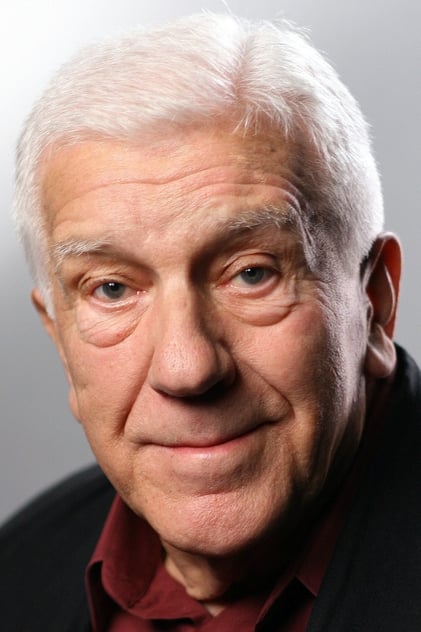
Henryk Łapiński
Acting
Biography
No biography available for Henryk Łapiński.
Born: January 2, 1933
Place of Birth: Warszawa, mazowieckie, Polska
Known For
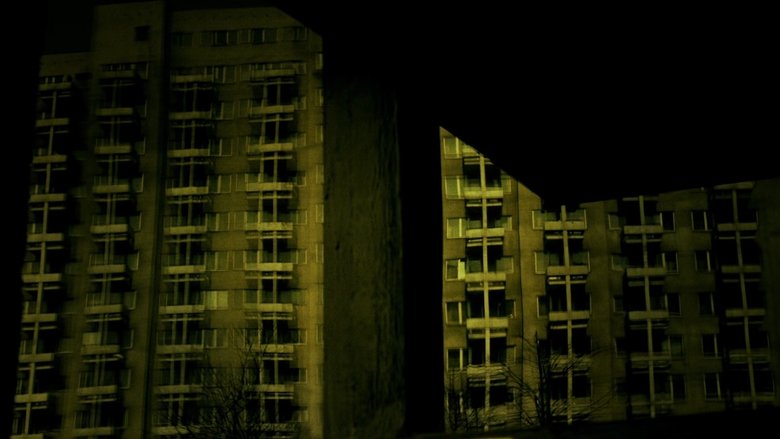
Dekalog
Dekalog (pronounced [dɛˈkalɔk]) is a 1989 Polish drama television miniseries directed by Krzysztof Kieślowski and co-written by Kieślowski with Krzysztof Piesiewicz, with music by Zbigniew Preisner. It consists of ten one-hour films, inspired by the decalogue of the Ten Commandments for thematic inspiration and an overarching structure, grapple deftly with complex moral and existential questions concerning life, death, love, hate, truth, and the passage of time. Each installment explores characters facing one or several moral or ethical dilemmas as they reside in an austere housing project in 1980s Poland, whose lives become subtly intertwined as they face emotional dilemmas that are at once deeply personal and universally human.
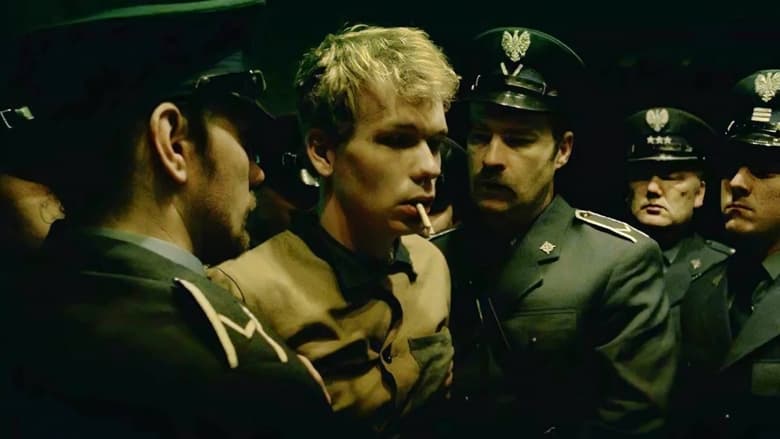
Decalogue V
Jacek, an angry drifter, murders a taxi driver, brutally and without motive. His case is assigned to Piotr, an idealistic young lawyer who is morally opposed to the death penalty, and their interactions take on an emotional honesty that throws into stark relief for Piotr the injustice of killing of any kind.
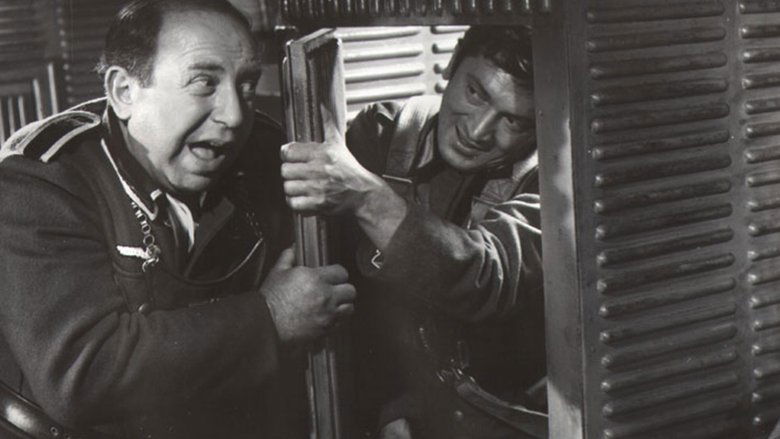
How I Unleashed World War II, Part I: The Escape
On the night of August 31, 1939, Dolas, from a platoon reinforcing a train station on the German border, falls asleep in a train car and unknowingly crosses into Germany. The moment he shoots a German, who he thinks is a saboteur, the German invasion of Poland begins, and Dolas is convinced it was his fault. He is taken to Stalag POW camp, the first destination in his odyssey around Europe.
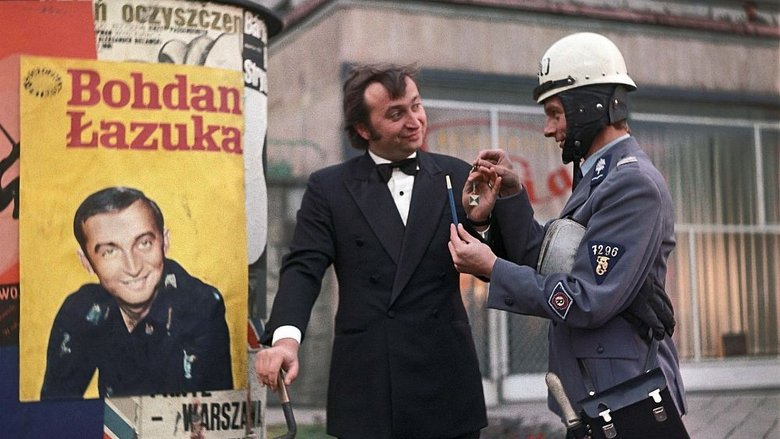
I Hate Mondays
An acute case of Mondayitis in Warsaw. Interwoven stories of a few inhabitants of Warsaw, including one very unlucky Italian on a governmental mission and a charitable Polish American.

It's Spring, Sergeant
In Trzebiatów, a small town, there is an unusual bustle. A crowd of residents has gathered in the market square to welcome their beloved MO sergeant, Władysław Lichniak. The sergeant has just returned from his written high school final exam. The residents, who adore him, make sure he has the right conditions to study. They have limited their alcohol consumption and maintain order in the town themselves. Unfortunately, a fight breaks out and disturbs the sergeant's peace.
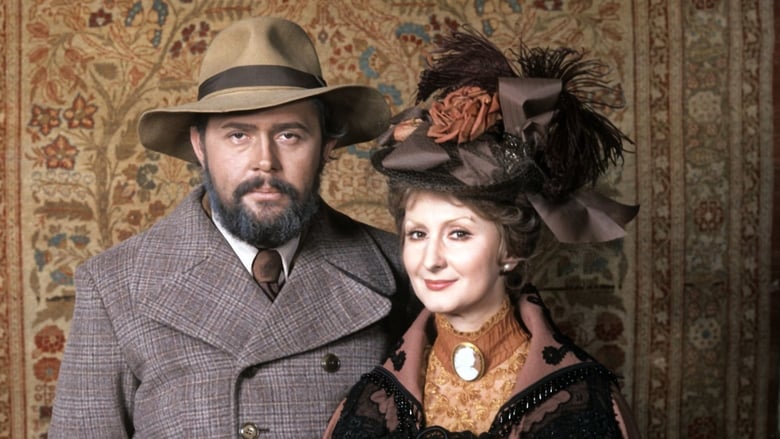
Nights and Days
A family saga of Barbara Ostrzeńska-Niechcic and Bogumił Niechcic against the backdrop of the January Uprising of 1863 and World War I. The film is a rather straightforward and faithful adaptation of a novel by Maria Dabrowska with the same title. The plot is woven around the changing fortunes of a noble (upper-class) Niechcic family in the pre-WWI Poland. There are two main crossing threads: a social history one and an existential one.
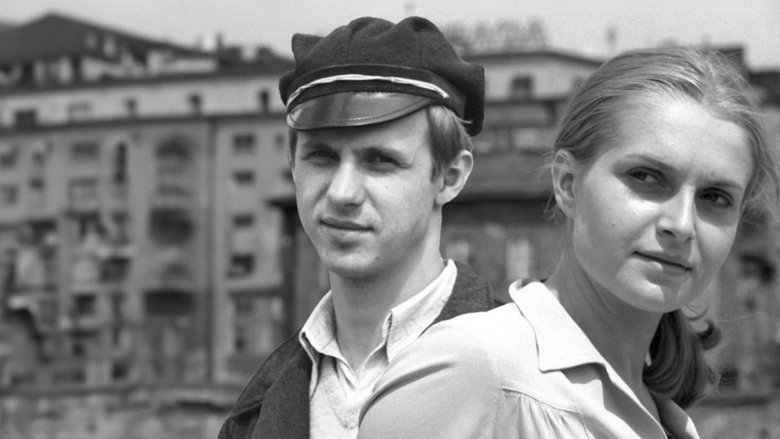
Dom
The story of the residents of a tenement house on Złota Street in Warsaw from 1945 to 1980.
Dom
The story of the residents of a tenement house on Złota Street in Warsaw from 1945 to 1980.
Dom
The story of the residents of a tenement house on Złota Street in Warsaw from 1945 to 1980.
Dom
The story of the residents of a tenement house on Złota Street in Warsaw from 1945 to 1980.
Filmography
as prorektor Politechniki
as Prorector
as Member of Advocate Commission (uncredited)
as Commission Member (uncredited)
as Professor Bykow
as Tradesman (voice) (uncredited)
as King Cynamon / Other Characters (voice)
as Hungarian diplomat #1 (voice) (uncredited)
as kierowca prezesa, syna staruszka
as ksiądz modlący się za ekshumowanych powstańców
as ksiądz odprawiający mszę
as ksiądz spowiadający Leszka Talara
as dubbing roli odgrywanej przez Ferdynanda Matysika
as "Głos" Journalist (uncredited)
as kowal
as Marcin Pawlusiak
as Urzędnik Rady Narodowej w Trzebiatowie
as (uncredited)
as Director's Assistant
as Wladysław Wachocki
as Journalist