

Hertha von Walther
Acting
Biography
No biography available for Hertha von Walther.
Born: June 12, 1903
Place of Birth: Hildesheim, Germany
Known For
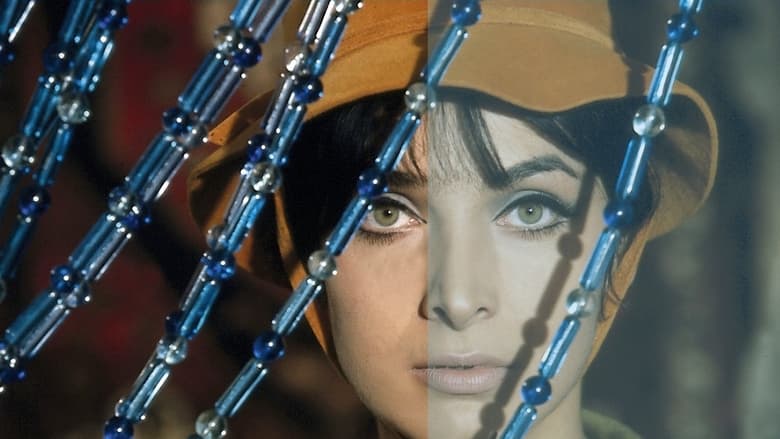
Das Kriminalmuseum
Das Kriminalmuseum was a German television series. It ran from 1963 to 1970 on ZDF and was one of its first programs. Each episode began with a tracking shot through an unspecified crime museum, stopping at one of the displays, whose story was then told. Each episode was between 60 and 75 minutes long and featured different actors as the criminal commissioner. The best known was Erik Ode, who in 1969 moved to Der Kommissar, appearing in 97 episodes. The theme music of the series was written by German composer Martin Böttcher, who also composed the complete scores for five episodes.
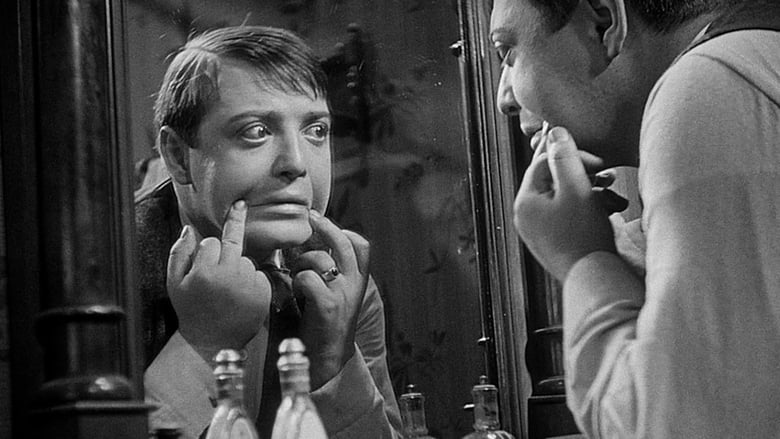
M
In this classic German thriller, Hans Beckert, a serial killer who preys on children, becomes the focus of a massive Berlin police manhunt. Beckert's heinous crimes are so repellant and disruptive to city life that he is even targeted by others in the seedy underworld network. With both cops and criminals in pursuit, the murderer soon realizes that people are on his trail, sending him into a tense, panicked attempt to escape justice.
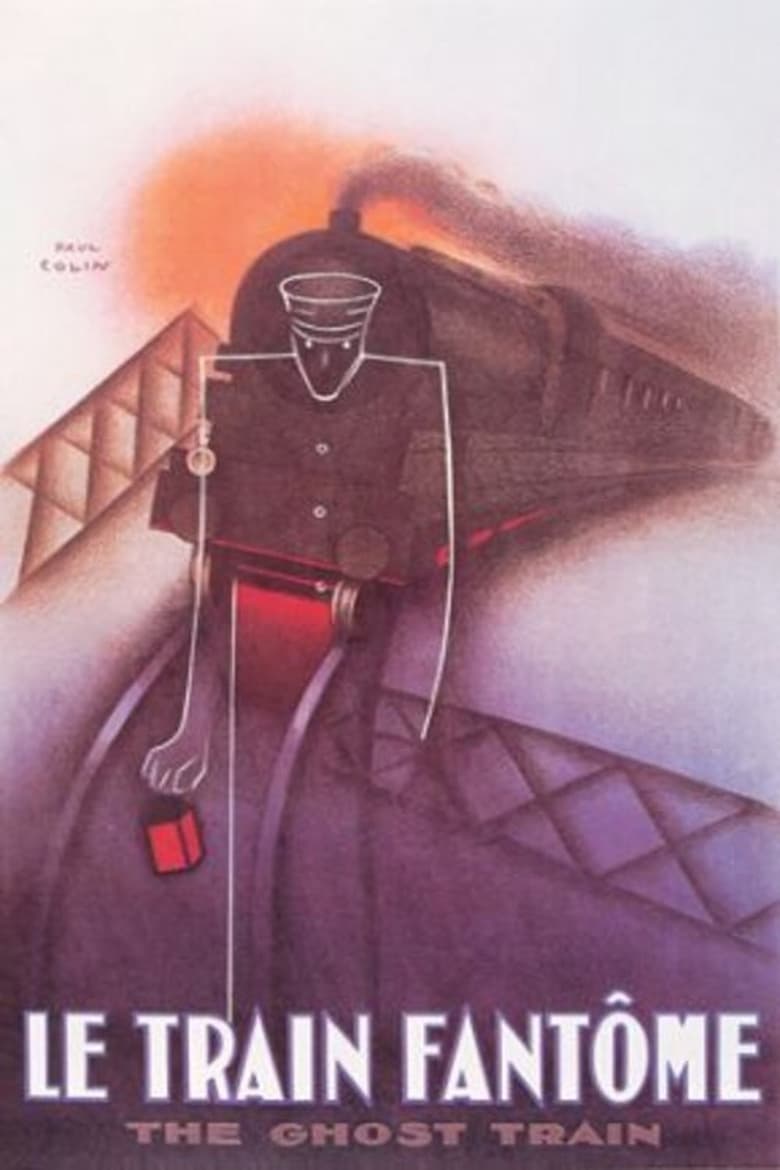
Ghost Train
Mismatched travellers are stranded overnight at a lonely rural railway station. They soon learn of local superstition about a phantom train which is said to travel these parts at dead of night, carrying ghosts from a long-ago train wreck in the area. The travelers eventually get to the bottom of the things that go bump in the night.

Eva and the Grasshopper
Mary and Eva are best friends, although they couldn't be more different. Armand, Mary's fiancee, falls in love with the seductive Eva, who is busy becoming a revue star. When Eva fails and loses her money, Armand tries to help her out.
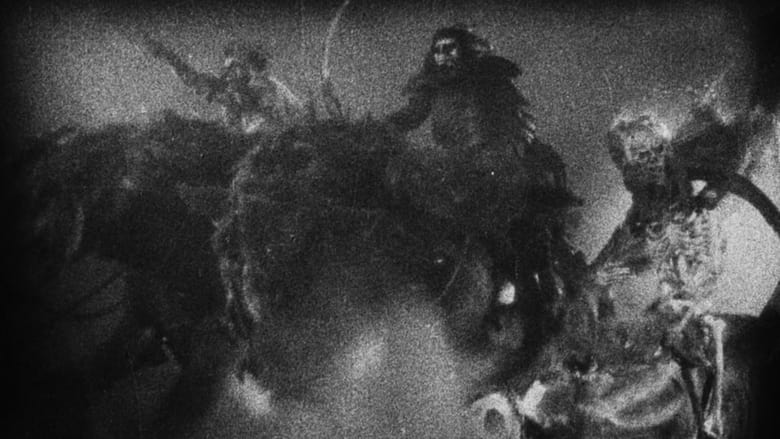
Faust
God and Satan wager on the soul of a learned and prayerful alchemist as part of their eternal war over Earth.
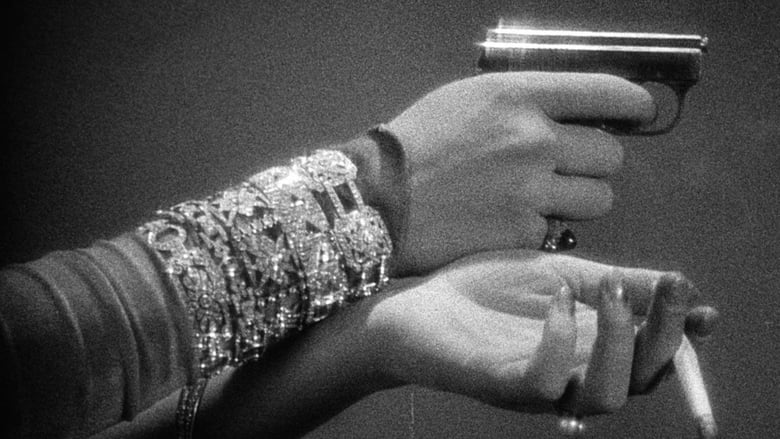
Spies
The mastermind behind a ubiquitous spy operation learns of a dangerous romance between a Russian lady in his employ and a dashing agent from the government's secret service.
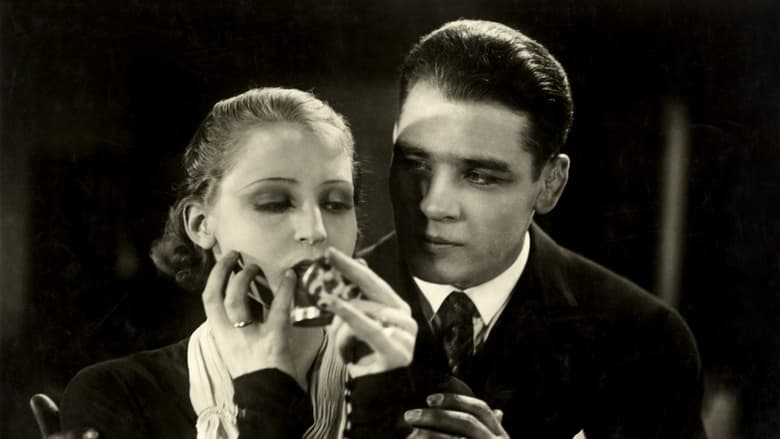
The Devious Path
Neglected by her husband, an ambitious lawyer, Irene seeks variety in Berlin's nightlife-- An evening of dancing, dolls, cocaine and immoral passion. Irene takes the "devious path" as she seeks to make her husband jealous.
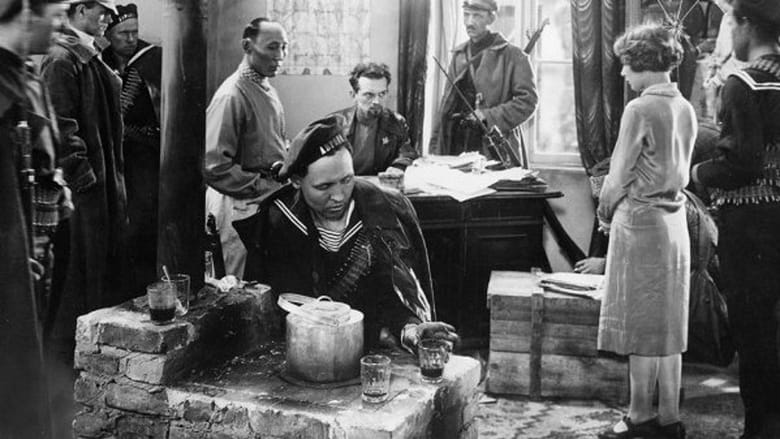
The Love of Jeanne Ney
In the Crimea, the Reds and the Whites aren't done fighting, and Jeanne discovers that the man she loves is a Bolshevik (when he kills her father). Penniless, she returns to Paris where she works for her uncle. Soon after, her lover Andreas is in France to organize the sailors in Toulon. So also is a thief, traitor, and libertine, Khalibiev, who wants to seduce Jeanne. His schemes, Jeanne and Andreas's naivete, and a lost diamond bring the lovers to the brink of tragedy.

Ways to Strength and Beauty
The perfect body as an object of cult worship. Based on the mass sports and body worship movement of the 1920s, the film propagates physical training and shows in stylized documentary scenes aspects of physical hygiene, gymnastics, sports and dancing as well as scenes in which supposed sportsmen of antiquity pose naked.

The Trunks of Mr. O.F.
In the very old-fashioned town of Ostend suddenly 13 suitcases are delivered to the Grand Hotel, with a note, that O.F. will be here soon and needs 6 rooms. This event, probably the biggest in 300 years, starts a small wave of modernisation, yet everybody is wondering who O.F. is.
Filmography
as Mrs. Kuhn
as Thomas' Mutter
as Sonja
as Jeans Frau
as Prostitute
as Marietta
as Flossie
as Atelierbesucherin
as Die Ausländerin
as Nina
as Liane
as Lady Leslane
as Nora Brant
as Margot
as Julia
as Mary
as Fellmans Assistentin
as (uncredited)
as Seine Tochter