
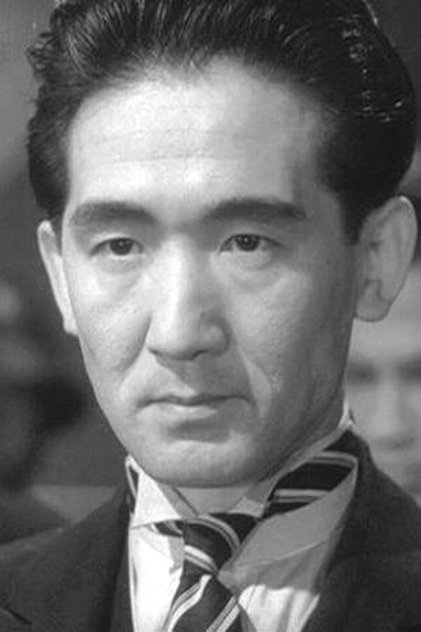
Hyo Kitazawa
Acting
Biography
No biography available for Hyo Kitazawa.
Born: May 18, 1911
Place of Birth: Tokyo, Japan
Known For

Lord for a Night
In 1887, two businessmen, Echigo-ya and Kitahara, compete for railroad construction authorization from the government. The minister states that a local noble must not object, and his missing younger brother is the only one who could sway him. Meanwhile, Omitsu, a hotel employee tired of Echigo-ya’s wife’s arrogance, teams up with Kitahara to stage a scheme where a vagrant young man pretends to be the noble’s lost brother, aiming to trick and embarrass the wealthy woman.
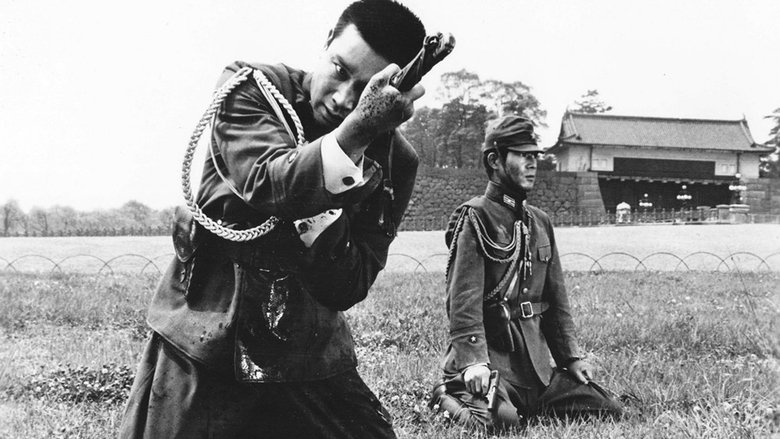
Japan's Longest Day
Following the detonation of the atomic bombs on Hiroshima and Nagasaki, the Japanese military and the government clash over the demand from the Allies for unconditional surrender. Minister of the Army Anami leads the military officers who propose to fight on, even to the death of every Japanese citizen. Emperor Hirohito, however, joins with his ministers in asking the unthinkable, the peaceful surrender of Japan. When the military plots a coup to overthrow the Emperor's civilian government, Anami must face the choice between his desires and loyalty to his Emperor.
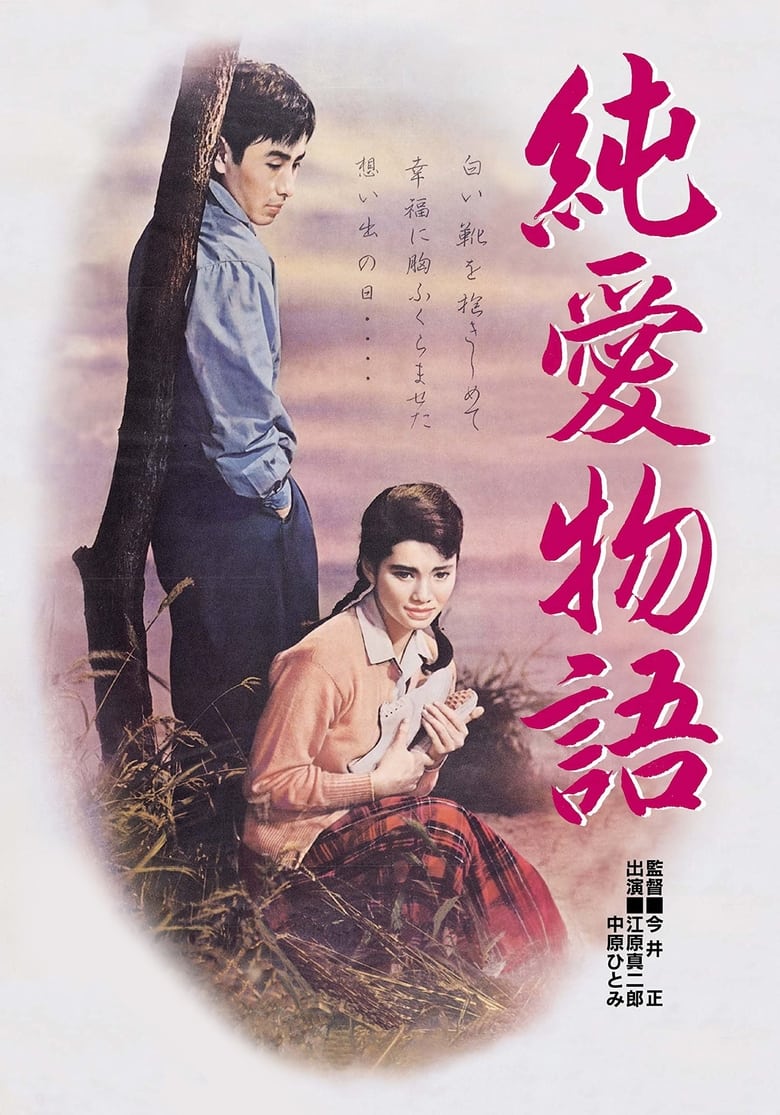
The Story of Pure Love
Junai Monogatari AKA Story of Pure Love is about two poor youths, Mitsuko and Kando, rebelling against society in various ways, who are desperately trying to be together despite tortuous circumstances. The film depicts their lives as thieves, menial laborers who can get little pay, society outcasts, and of course, lovers. Junai Monogatari depicts, mostly, their struggles within the Japanese reformatory system and Mitsuko's worsening sickness.
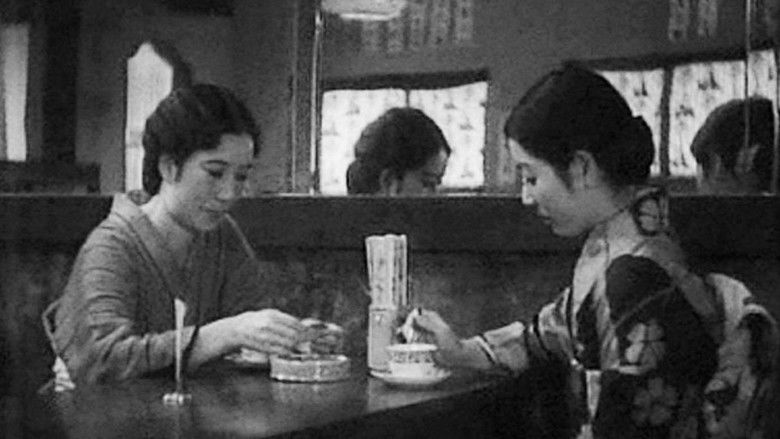
A Woman's Sorrows
Young Hiroko’s (Takako Irie) conservative principles place her at odds with most modern women, as she has already submitted to her mother’s choice of man for any marriage prospect. Married into an affluent family that practically treats her as a housemaid, locked away like a “doll” by her estimation, Hiroko’s own submission to traditional thinking brings contradictions to light.
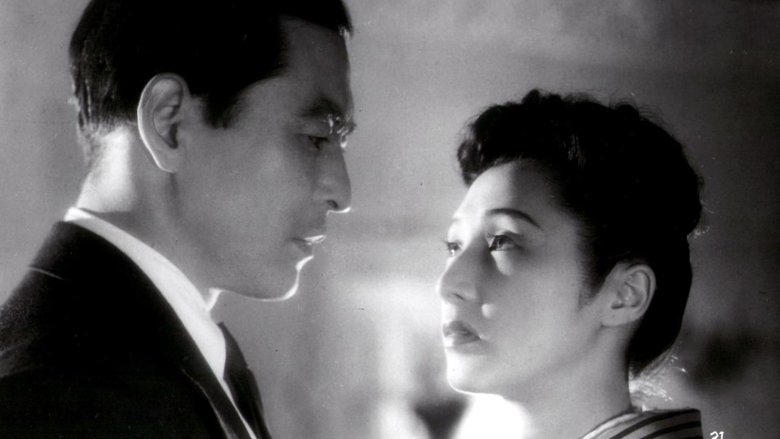
Once More
A romance with political overtones about the relationship of a sheltered bourgeois woman and a doctor who devotes himself to caring for the poor. Over a ten-year period - from 1936 through the war - they find each other and are separated again by the events of those tumultuous days.
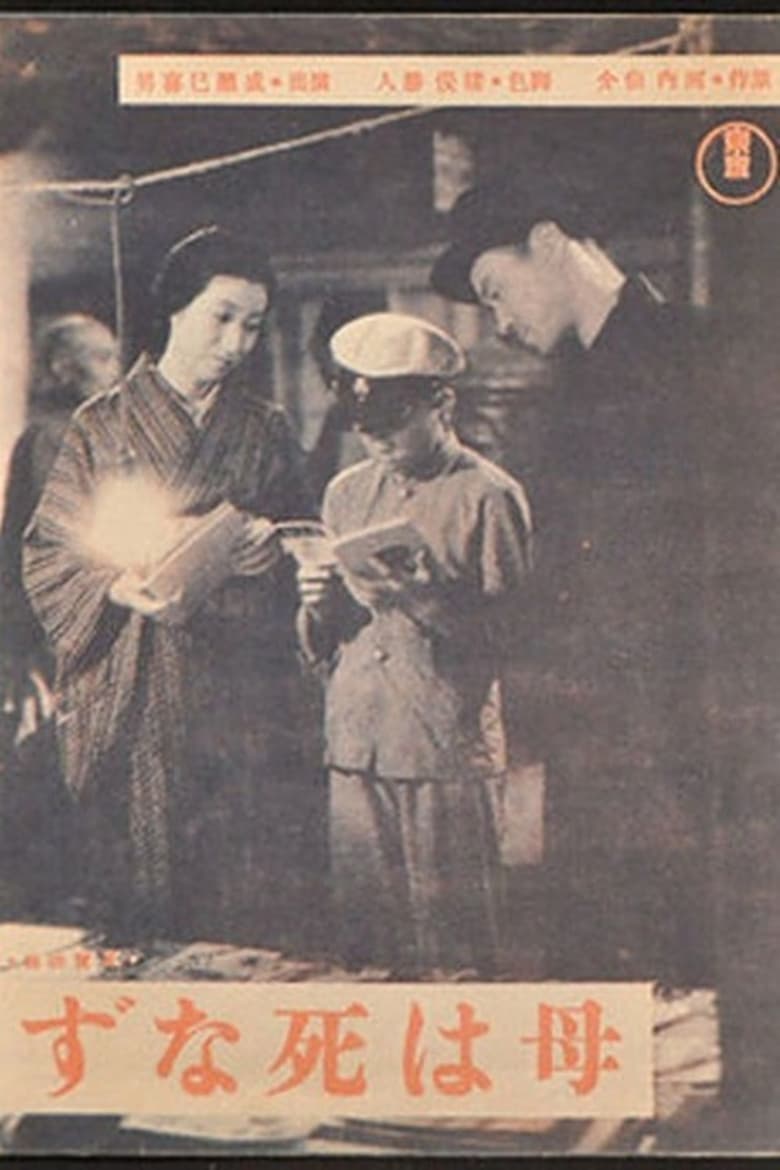
Mother Never Dies
The premature death of a young mother serves as inspiration for her husband and son.
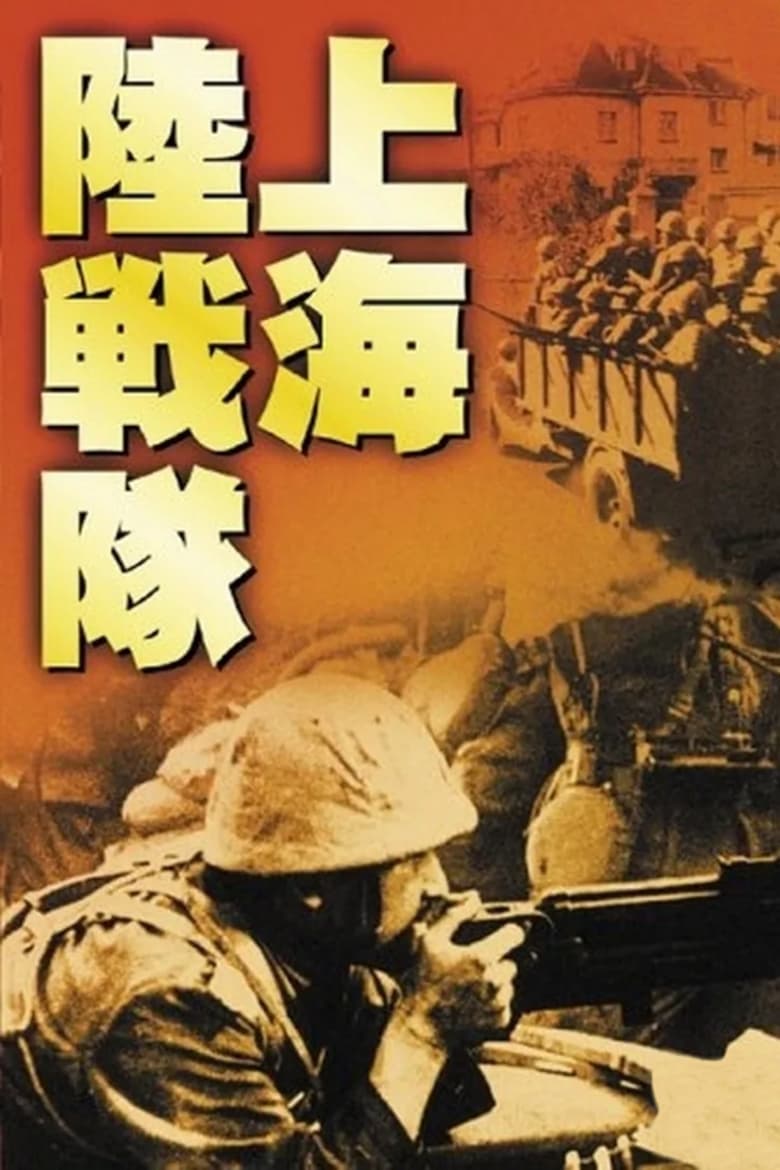
Shanghai Landing Party
This film attempts to reconstruct the tension of the Battle of Shanghai through an episode in an understated way, introducting its story in a documentary mode. In the film story, Japan's marine regiment protects Japanese residents and Chinese refugees-women and young children-from rampant street fighting, Shanhai Rikusentai unsparingly uses its first eight minutes for an official-mannered self-justification of the war. From the viewpoint of explaining Japan's military operation,the narration refers to the city s spatial division in sync with maps on screen.

The Angry Rambler
Fourth installment of Nikkatsu's "Drifter" series, with Kobayashi Akira.
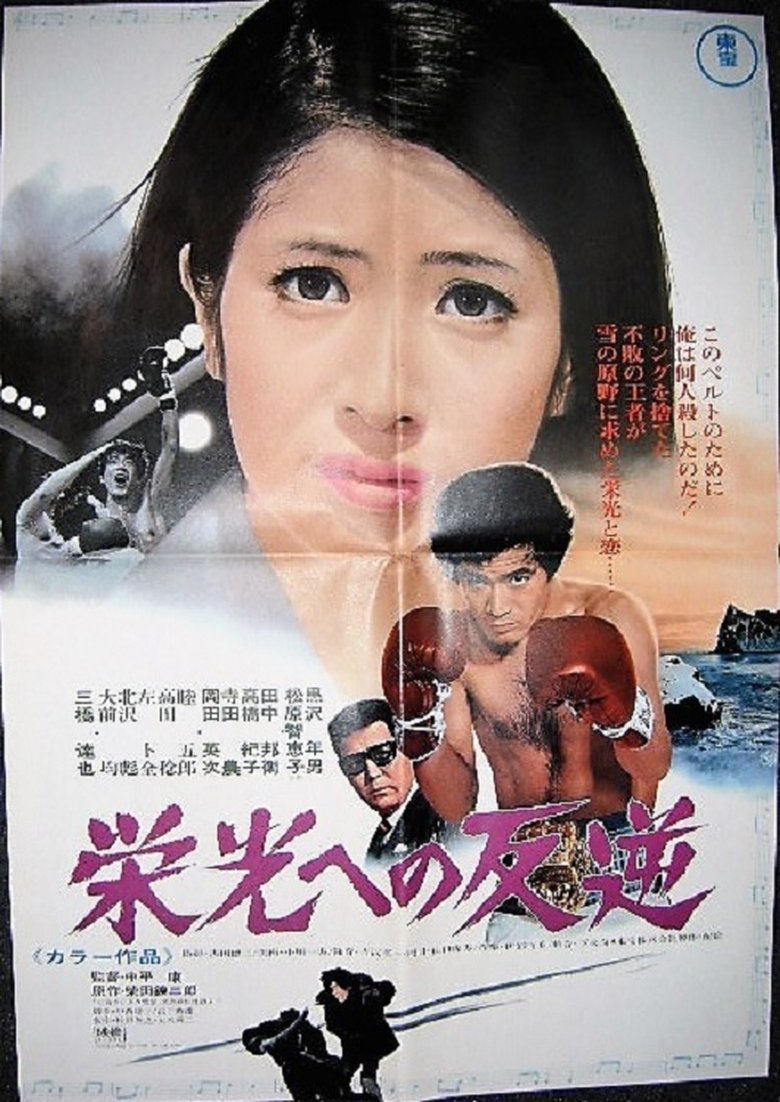
Rebel Against Glory
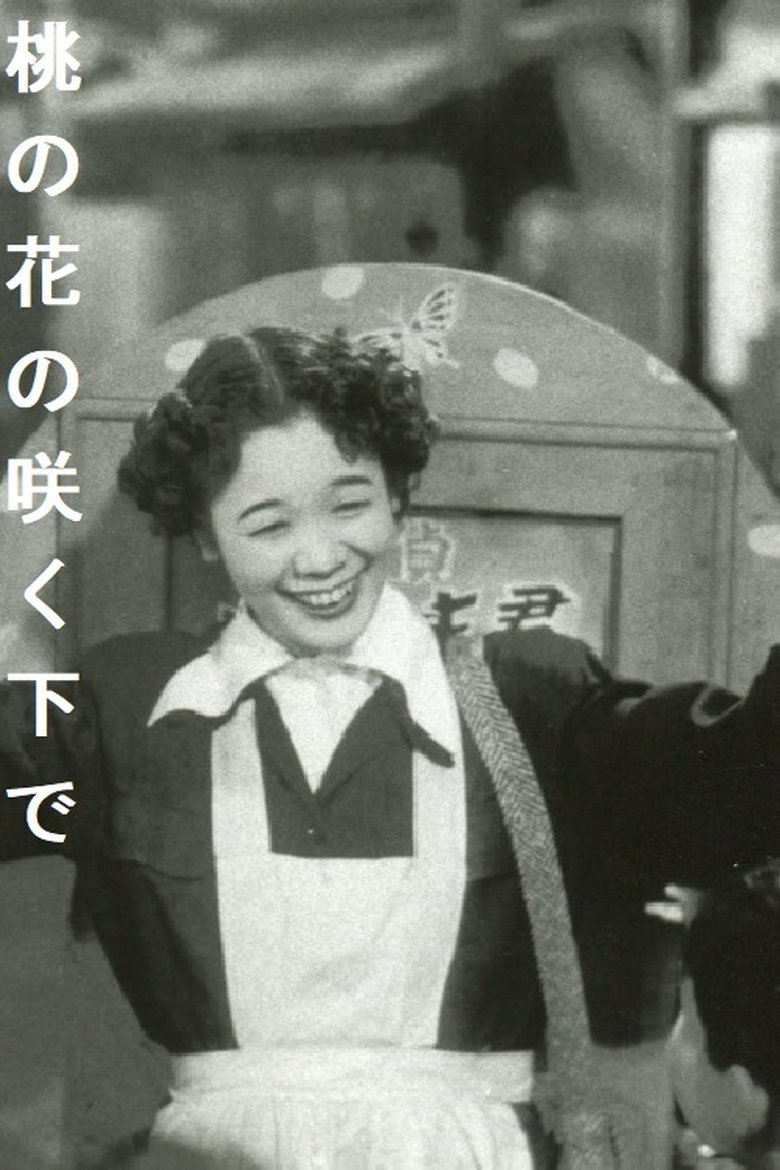
Under the Blossoming Peach
A picture-story-show operator, accompanies her son, Akira, who lives apart from her, to a hot-spring medical treatment and spend a moment of brief happiness together, but eventually the time comes to say goodbye. The portrayal of the children and the atmosphere of the hot spring resort shine through in this film about a mother by master filmmaker Hiroshi Shimizu.
Filmography
as 父・健一
as Old Kiga
as Minister of Finance Hosaku Hirose
as Shumei Okawa
as Matsubara
as Hospital doctor
as Matsubara
as 神崎与五郎
as Dr. Tanigawa
as Shirō Haruta
as Director (uncredited)
as Designer
as Teacher
as Kurama Sanu
as eldest son
as (Volume 2)