
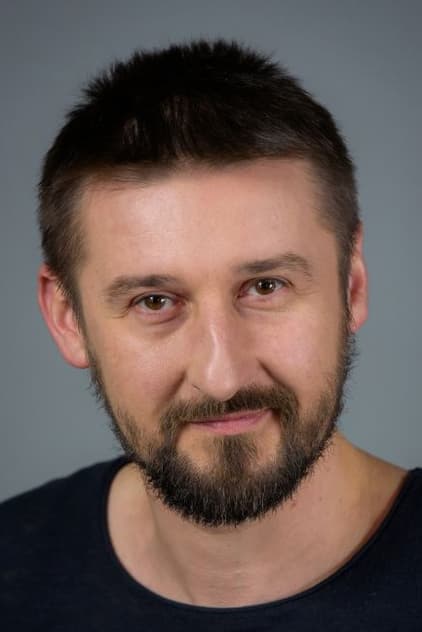
Ionuţ Caras
Acting
Biography
No biography available for Ionuţ Caras.
Known For
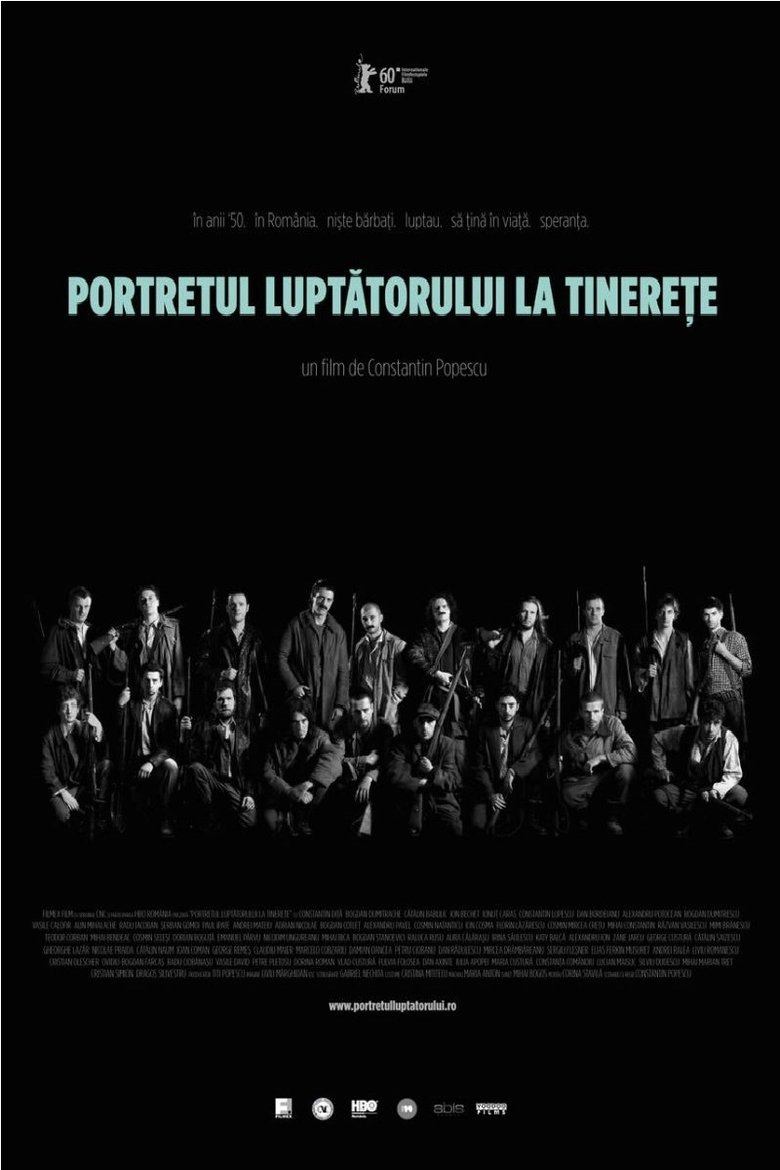
Portrait of the Fighter as a Young Man
When the Soviet Army marched into Romania in 1944, a part of the Romanian population went “into the mountains” – a diverse assortment of nationalists and fascists, liberals, apolitical farmers and members of the middle-class, who were affected by the Communists’ expropriations. Over a thousand armed resistance groups took refuge in the inaccessible forests of the Carpathian Mountains where they waited in vain for the support of the Western Allies. One of them was led by Ion Gavrilă-Ogoranu, who managed to remain undetected until 1976 when he was arrested. This film depicts the daily existence of this group. It tells the story of a struggle that became an end in itself, as the enemy was constantly in pursuit and arrest meant torture and often liquidation. Hungry and emotionally withdrawn, the group of young men got entangled in a partisan war that could not be won, lost in the landscape of the South Carpathians, accompanied by a vigilant secret police, the Securitate.

Libertate
Sibiu, December 1989. In the chaos and panic generated by the protests of the crowd against the authorities, a unit of the militia becomes the target of a violent assault that escalates into a bloody confrontation between soldiers, militiamen, security agents, and civilians. Trying to escape the siege, Captain Viorel of the militia is captured and accused of being a terrorist.

Ana, My Love
Toma and Ana meet as students in the literature faculty, and quickly fall in love. But, because of Ana's mental illness, their relationship slowly collapses.

Alazia
As a last resort, a girl diagnosed with cancer goes to an unconventional shaman.

Sentimental Education
Portrait of a Romanian bourgeois family.
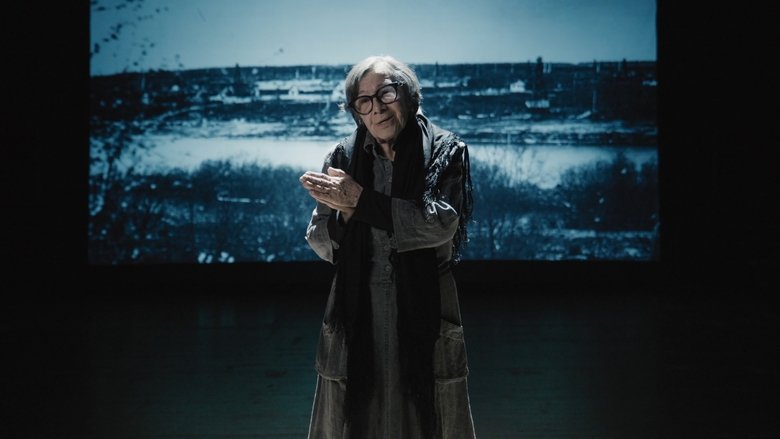
Spruce Forest
The Spruce Forest explores one of the darkest pages in Romanian history. Inspired by the drama of Fântâna Albă on April 1, 1941, the film reconstructs the fate of a Romanian community in Bessarabia, massacred in a desperate attempt to find refuge from the Soviet occupation. The testimony of a survivor of this genocide becomes the backdrop against which archival images and his wife's memories of Siberia are superimposed, in a dizzying game of mirrors that questions the notion of historical truth and reveals forgotten traumas with potentially devastating consequences in the present.