

Isabel Ribeiro
Acting
Biography
No biography available for Isabel Ribeiro.
Born: July 8, 1941
Place of Birth: São Paulo, São Paulo, Brazil
Known For
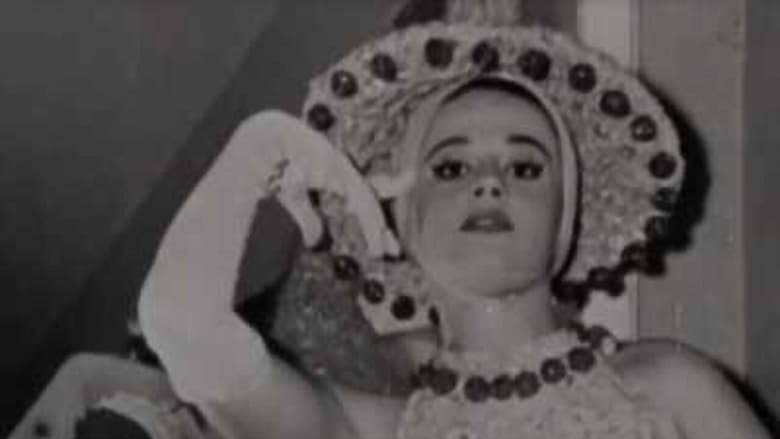
Mulheres de Cinema
Documentary on famous Brazilian actresses, female directors and the role of women in Brazilian film history.

Anarquistas, Graças a Deus
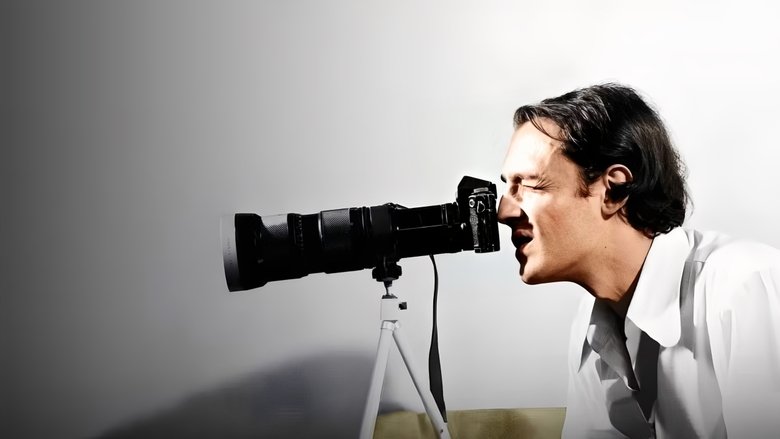
O Grito

Duas Vidas
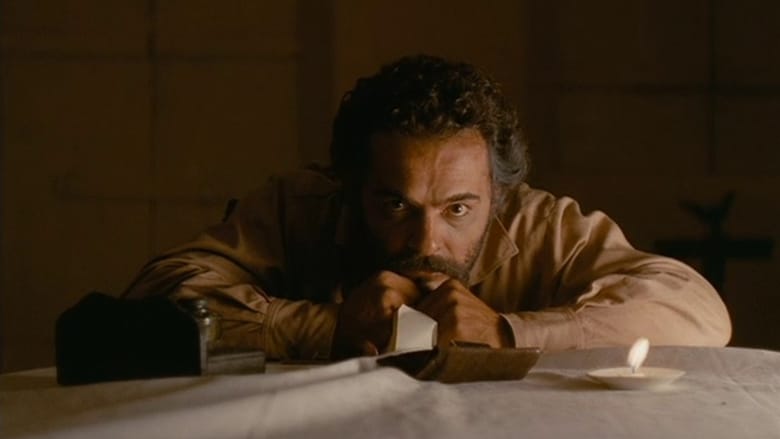
Saint Bernard
The story of Paulo Honório, a poor ploughman who becomes a rich farmer. Obsessed by his desire to get even richer, he doesn't pay much attention to his wife, Madalena, a teacher who reacts against his tyrannical ways.

How Are You, Well?
Two fanatical Flamengo fans get drunk after a defeat of time; a voyeurist peers at his neighbor's nakedness with binoculars; a suburbanite kills his wife over a chicken; an ambitious father makes money from his daughter who pretends to see the virgin Mary; a loving couple desperately seeks to satisfy their sexual desires; a priest tries to extort more alms from his parishioners; a married man, to survive, poses as a transvestite on a boat; a suburbanite prepares to sing on the Chacrinha show! Anything can happen in this film!

Helena
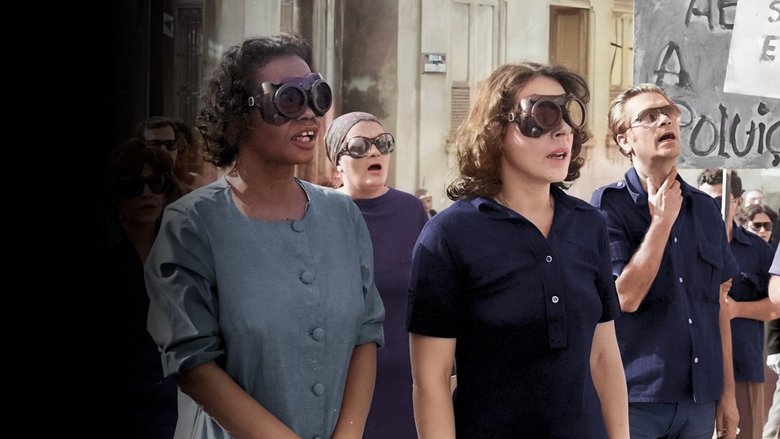
Sinal de Alerta

All the Women in the World
When womanizer Paulo meets a friend’s fiancée, she changes the way he looks at the opposite sex. He falls in love, and believes she is in fact all women in one. Because of that, he has to face an important decision: to go on with his old life, or embrace this special relationship and become a monogamous man.

The Fall
An accident at a construction site, resulting in one death, sets one worker off on a struggle for justice that exposes the mechanisms of exploitation and the class relations of a country that had undergone one decade of fast-paced ‘conservative modernisation’ at the hands of the military. As a sort of sequel to the classic The Guns (1964), following the fate of those characters as they move from enforcers of exploitation to exploited, it offers more than a snapshot of the period: the correspondent time lapses in fiction and reality capture the passage of a chunk of Brazilian history between the two films, and, therefore, also the transformations in cinematographic approaches to the social and political between the two moments. Equally daring in content and form, and in the originality of the adequacy of one to the other, it won the Silver Bear at Berlin.
Filmography
as Self
as Gisela
as Tomásia
as Irmã Encarnación
as Narrator (voice)
as Gilda
as Helena
as Flora Machado
as Laura
as Ana
as Ângela
as Consuelo
as Self
as Graça
as Sônia
as Laura
as Lúcia
as Florência
as Glorinha Rezende
as Alma d'Alvellos
as Narração
as Aunt
as Isabel
as Madalena
as Maridélia
as D. Evarista
as Rachel
as Marga
as Amiga
as Dunia