
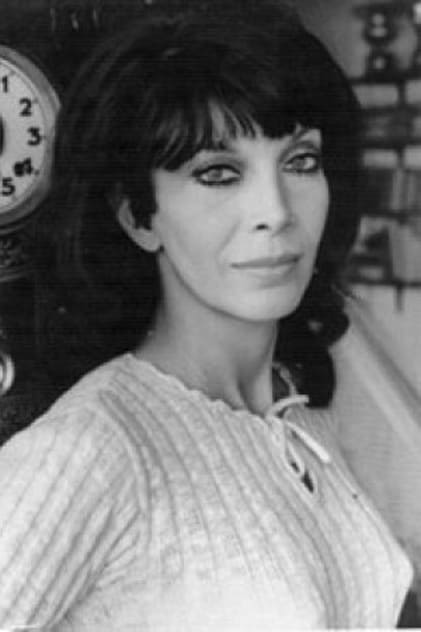
Isabella Cerqueira Campos
Acting
Biography
Isabella Cerqueira Campos artistic name of Maria Luiza Cerqueira Campos (Mundo Novo, July 27, 1938—Rio de Janeiro, February 2, 2011) was a Brazilian actress and assistant director, known for Cinco vezes Favela (1962), O Desafio (1966) and Capitu (1968).
Born: July 27, 1938
Place of Birth: Mundo Novo, Bahia, Brazil
Known For
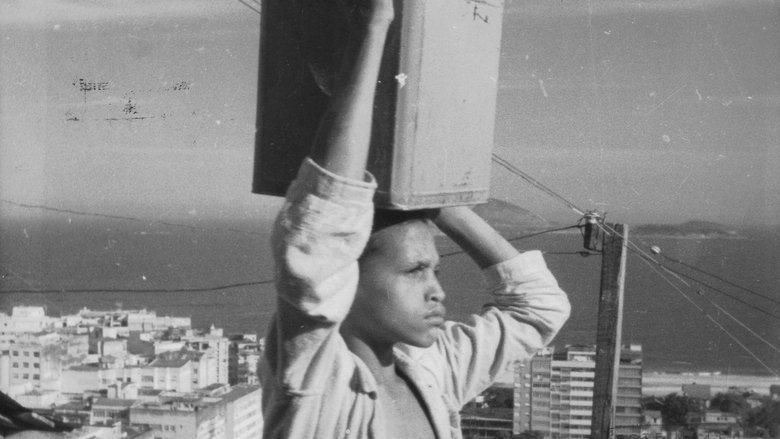
Five Times Favela
Five segments about the hardships faced by people living in slums on hills in Rio de Janeiro.
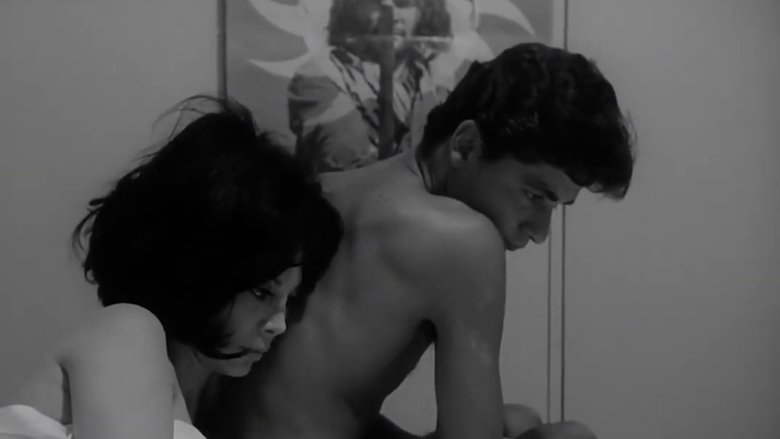
The Dare
Passively facing the repression imposed by military dictatorship in 1960s Brazil, a journalist enters a personal crisis, aggravated by his affair with an industrialist's wife, who doesn't want to leave her home because of her son.

Satan's Feats in the Village of Take-and-Bring
In the village of Leva-e-Traz, the discovery of a oil field is responsible for a mass evasion of the townspeople. Left are the old and incapable for the extraction job. When the local priest announces he, too, is leaving the town, Satan emerge thrilled with the chance of overtaking the place.
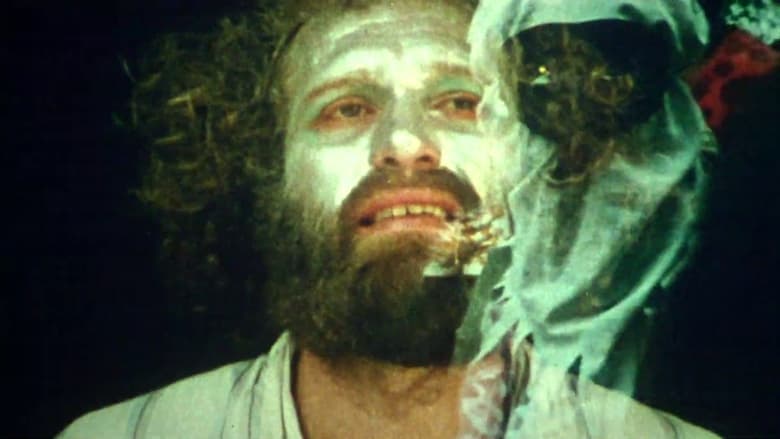
The Lyre of Delight
During the Carnival, in Niterói, the son of a Lira do Delírio nightclub dancer is kidnapped. With the help of a journalist friend, she dives into Rio de Janeiro's underworld and meet all kind of criminals. She also goes back in time, to a past carnival, where she thinks she might pin-point the culprit among a group of people.
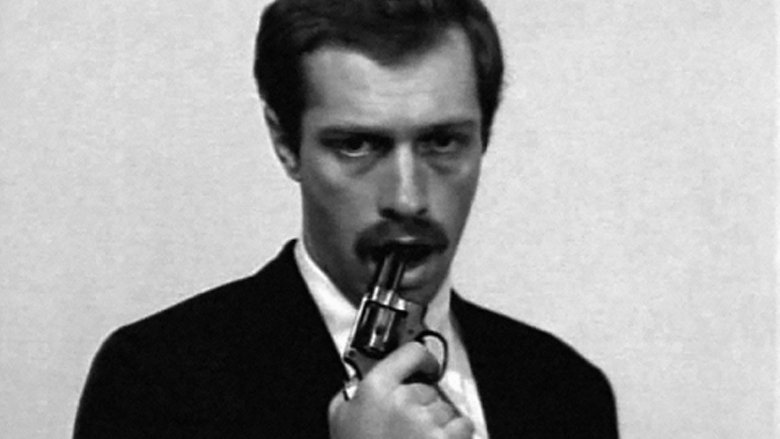
The Brave Warrior
Young congressman Miguel Horta represents a party that is directly opposed to the present government. He slyly switches parties in order to gain favor with those in power, seriously compromising his own ideals and ethics in the process.
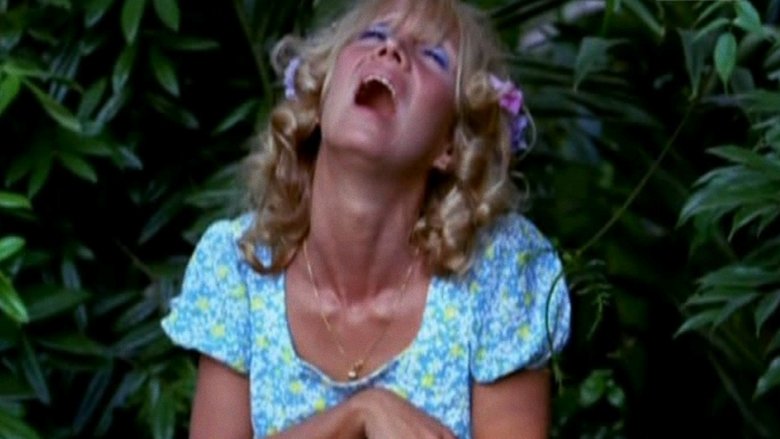
Baron Olavo, The Horrible
Bressane’s first color film, shot in the home of the artist Elyseu Visconti. Part of it is missing sound and final editing because the director was forced to leave Brazil. Horror and humor to deal with the subject of insanity: “In the end everyone leaves the house as though they were laboratory mice escaping, they invade the city and contaminate the world”. “If we talk about horror, this film deals with national horror, with Mojica Marins as an emblem. There might be a few touches of Corman and English horror, but it is another level of horror. What transformed the film was the location where we were shooting, the house of a 19th century painter, a receptacle of light. When I arrived and saw that house, that light, I said: ‘This is the film. This is the horror’. The meaning of the film, its appeal, derives from this laboratory of light” (J. Bressane). — Torino Film Festival
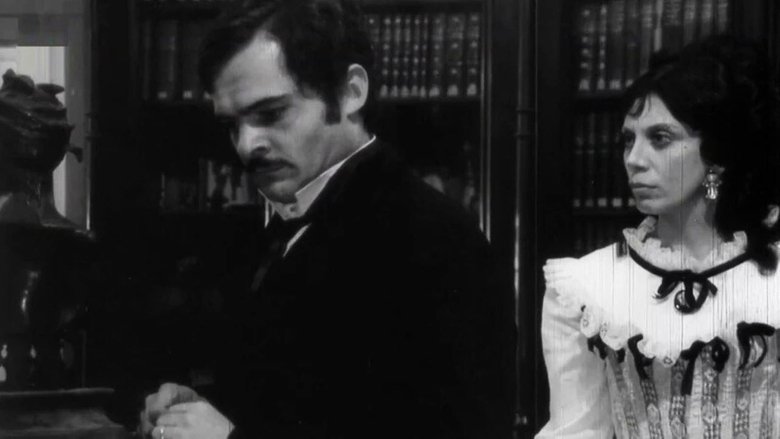
Capitu
Adaptation of Machado de Assis’s classic novel “Dom Casmurro”. Bentinho and Capitu are friends since childhood and end up marrying. But Bentinho destroys his life when he starts suspecting Capitu has an affair with his best friend and that his son is not really his.
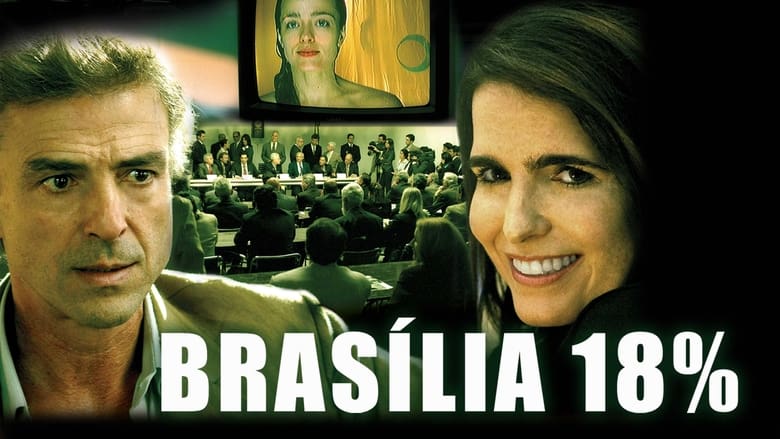
Brasília 18%
A star medical examiner is called to Brasília, the administrative capital of Brazil, to confirm the identity of a beautiful, young congressional aide's dead body. But his scientific rigor soon leads him to details of a multi-layered political scandal.

Lucia McCartney, Call Girl
In the 60's Lúcia McCartney is a call girl who is a fan of the Beatles. A diplomat tries to get her out of prostitution by falling in love with her.

Pedro Diabo Loves Rosa Meia Noite
Unhappy with what he'd got from life, Pedro Diabo becomes a dread outlaw, whom the police is looking for. In his life of crime, he has the love and support of a strange woman, Rosa Meia-Noite, chorus girl who likes to wear rich costumes in Carnival Balls.
Filmography
as Madame Dias
as Astarte
as Linda
as Capitu
as Tina
as Ada
as (segment "Um Favelado")