
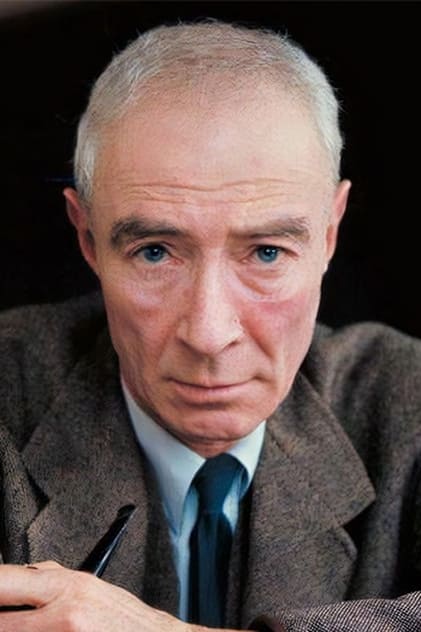
J. Robert Oppenheimer
Acting
Biography
J. Robert Oppenheimer was an American theoretical physicist. A professor of physics at the University of California, Berkeley, Oppenheimer was the wartime head of the Los Alamos Laboratory and is often credited as the "father of the atomic bomb" for his role in the Manhattan Project – the World War II undertaking that developed the first nuclear weapons. Oppenheimer was among those who observed the Trinity test in New Mexico, where the first atomic bomb was successfully detonated on July 16, 1945.
Born: April 22, 1904
Place of Birth: New York City, New York, USA
Known For
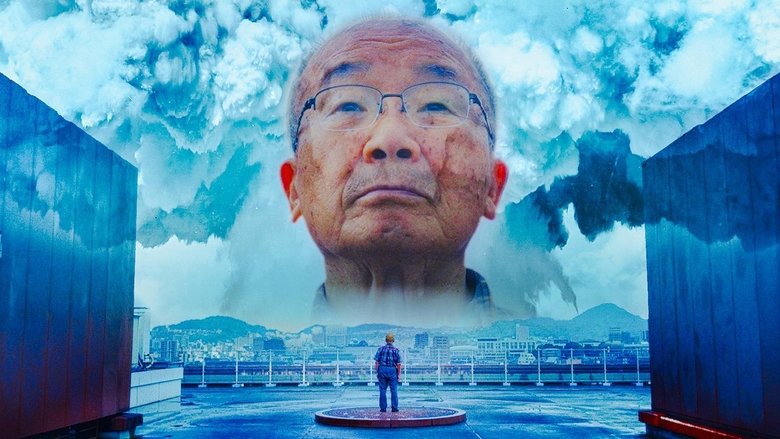
Atomic People
Combining personal accounts with archive footage, this film features the voices of some of the only people left on earth to have survived a nuclear bomb.

Cold War Secrets: Stealing the Atomic Bomb
On the 29th of August 1949, the USSR set off their first atomic bomb, just four years after the Americans. The speed with which they achieved this surprised the world. What nobody knew was that it was the result of espionage. At the centre of the operation was a very unusual female spy, Elizabeth Zaroubin, in a story worthy of the best spy novels ever written.
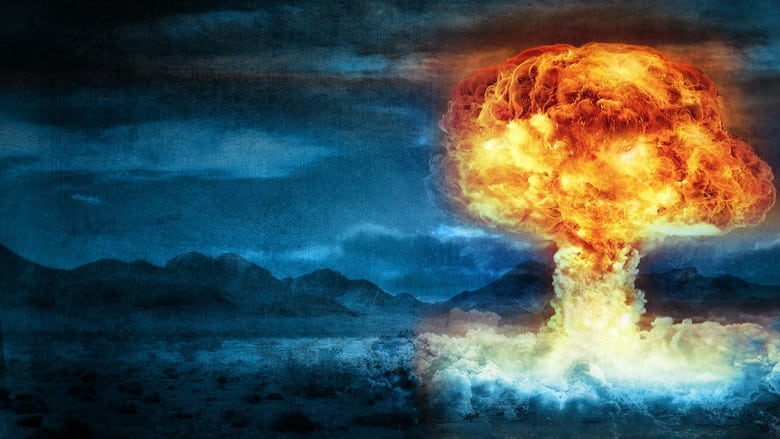
Oppenheimer: The Real Story
J. Robert Oppenheimer, a physics professor known for creating the atomic bomb during WWII. He witnessed the first atomic bomb detonation in New Mexico in 1945. This film examines Oppenheimer's life, from his early years to his involvement with nuclear physics and his later advocacy for nuclear weapons controls, with interviews and insights from those who knew him and impacted by his legacy.
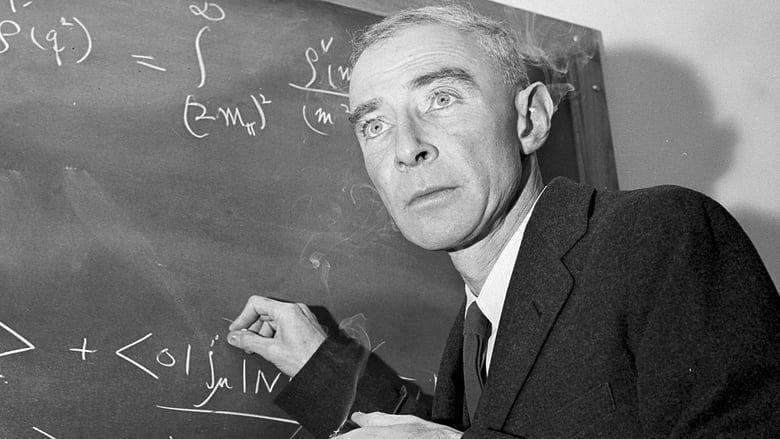
To End All War: Oppenheimer & the Atomic Bomb
Explore how one man's relentless drive and invention of the atomic bomb changed the nature of war forever, led to the deaths of hundreds of thousands of people and unleashed mass hysteria.
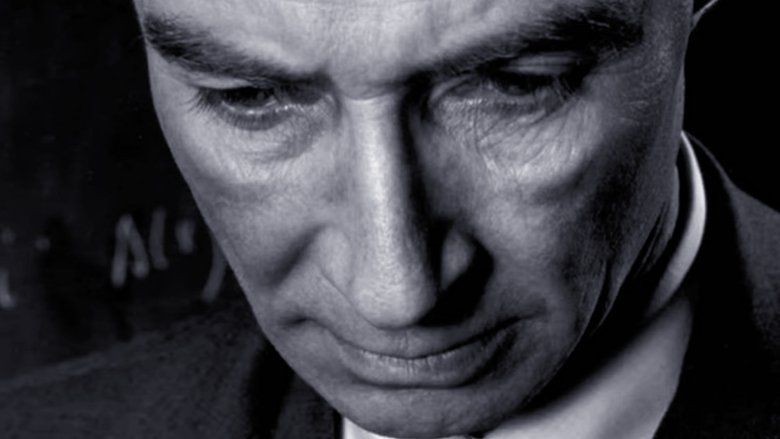
Oppenheimer After Trinity
This captivating documentary on J. Robert Oppenheimer, the architect of the atomic bomb, explores his journey before the historic test and reveals the burden he carried after. De-classified documents, rare film footage and exclusive interviews, including Oppenheimer's grandson, show an intimate exploration of the burden Oppenheimer carried and the profound global impact still being debated today.
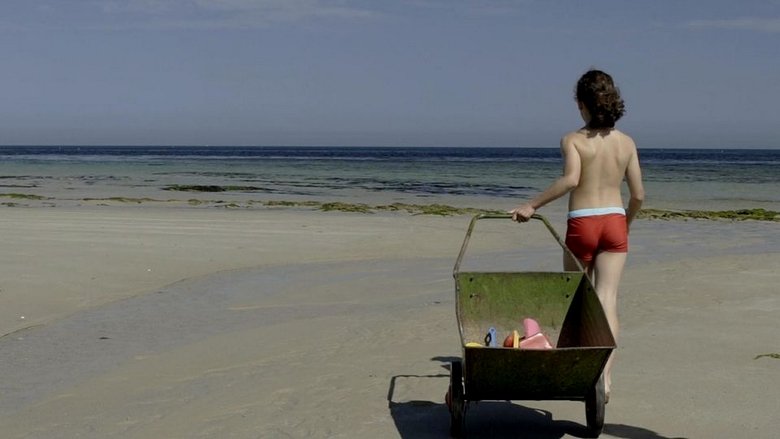
Breakpoint: A Counter History of Progress
An account of the last two centuries of the Anthropocene, the Age of Man. How human beings have progressed so much in such a short time through war and the selfish interests of a few, belligerent politicians and captains of industry, damaging the welfare of the majority of mankind, impoverishing the weakest, greedily devouring the limited resources of the Earth.

The Day After Trinity
This essential, Academy Award–nominated documentary offers an urgent warning from history about the dangers of nuclear warfare via the story of J. Robert Oppenheimer, the enigmatic physicist and all-around Renaissance man who led the Manhattan Project to develop the atomic bomb that America unleashed on Japan in the final days of World War II. Through extensive interviews and archival footage, THE DAY AFTER TRINITY traces Oppenheimer’s evolution, from architect of one of the most consequential endeavors of the twentieth century to an outspoken opponent of nuclear proliferation who came to deeply regret his role in ushering in the perils of the atomic age.
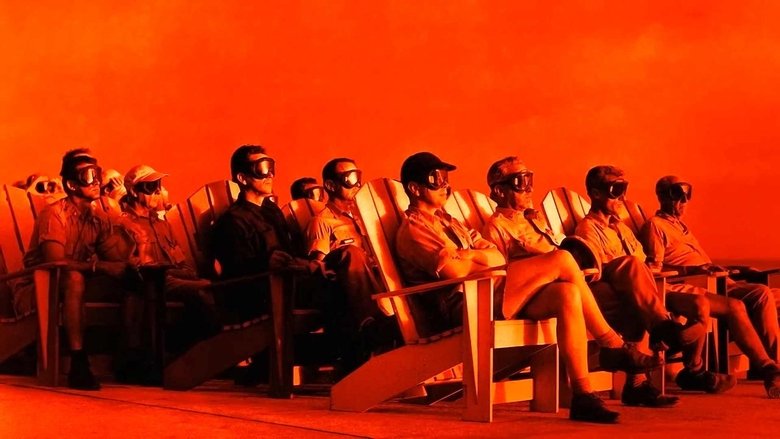
Trinity and Beyond: The Atomic Bomb Movie
"Trinity and Beyond" is an unsettling yet visually fascinating documentary presenting the history of nuclear weapons development and testing between 1945-1963. Narrated by William Shatner and featuring an original score performed by the Moscow Symphony Orchestra, this award-winning documentary reveals previously unreleased and classified government footage from several countries.
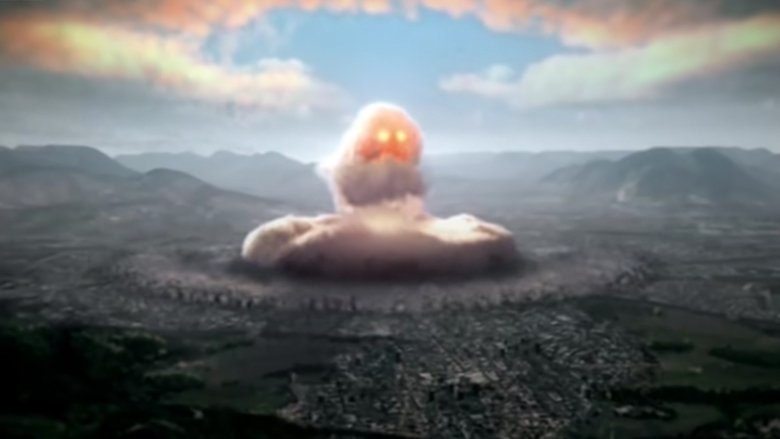
Hiroshima
The documentary recounts the world's first nuclear attack and examines the alarming repercussions. Covering a three-week period from the Trinity test to the atomic bombing of Hiroshima, the program chronicles America's political gamble and the planning for the momentous event. Archival film, dramatizations, and special effects feature what occurred aboard the Enola Gay (the aircraft that dropped the bomb) and inside the exploding bomb.

The Decision to Drop the Bomb
J. Robert Oppenheimer and other key figures involved in the decision to drop the first atomic bomb discuss their motivations in this NBC News documentary. Originally produced and televised in 1965, two decades after the bombings of Hiroshima and Nagasaki, it was re-released in 2023 with an epilogue by Michael Beschloss, NBC News Presidential Historian.
Filmography
as Self (archive footage)
as Self (archive footage)
as Self (archive footage)
as Self (archive footage)
as Self (archive footage)
as Self (archive footage) (uncredited)
as Self (archive footage)
as Self (archive footage)
as Self (archive footage)
as Self (archive footage)
as Self (archive sound)
as Self (archive footage)
as Self (archive footage)
as Self (archive footage)
as Self (archive footage)
as Self (archive footage)
as Self (archive footage)
as Self (voice) (archive footage)
as Self (archive footage)