
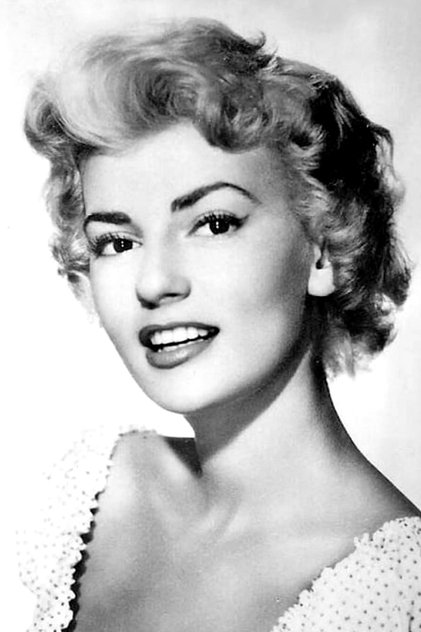
Jacqueline Pierreux
Acting
Biography
Jacqueline Pierreux (15 January 1923 – 10 March 2005) was a French film and television actress. From the early 1970s onwards she also enjoyed success as a producer. She was the wife of screenwriter Pierre Léaud and the mother of prolific film actor Jean-Pierre Léaud who starred in Francois Truffaut's The 400 Blows and Day For Night. Description above from the Wikipedia article Jacqueline Pierreux, licensed under CC-BY-SA, full list of contributors on Wikipedia.
Born: January 15, 1923
Place of Birth: Rouen, Seine-Maritime, France
Known For
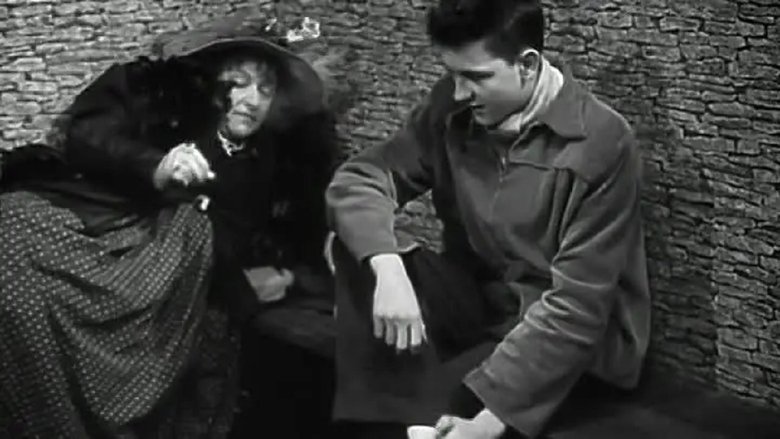
The Roundup is for Tonight
Three sketches that all start in the police station, where Léa, La Pintade and the brigadier himself tell their little stories. The story of Danielle, who bamboozled the impresario Mortimer so well that he made her his wife; the story of the sad little Simon, deprived of a father and unable to stand the mockery of his friends; and the story of the daughter of an ex-convict who - by golly - steals a statue on the day of her First Communion.
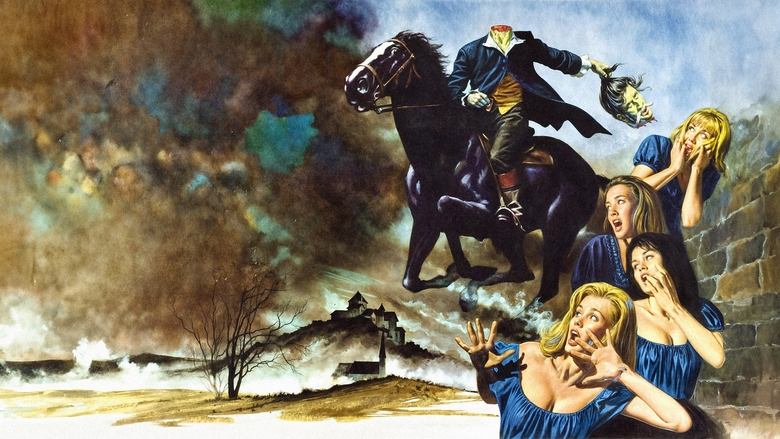
Black Sabbath
Three tales of supernatural horror include a woman plagued by threatening phone calls, a family targeted by vampiric monsters, and a deceased medium who wreaks havoc upon the living.

Feather in the Wind
Carlos, veterinary, poet, musician in his spare time and a fun-minded Don Juan,pretends to be his friend Fernando who has inherited a pharmacy in Madrid. There he meets an old girl friend that attracts him.
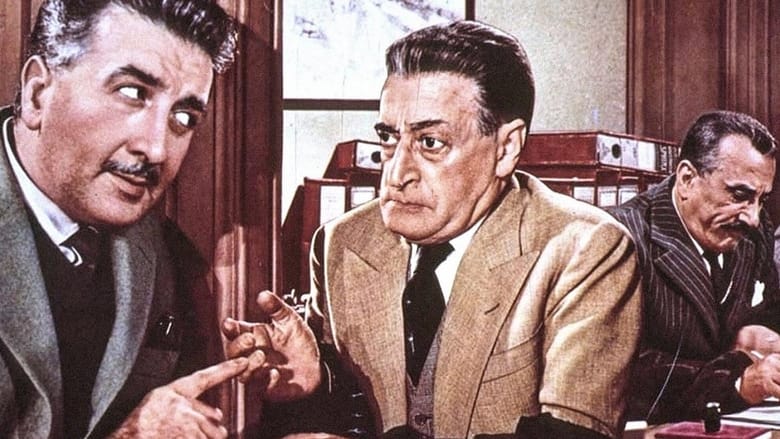
He Who Hesitates Is Lost
After their boss' death, two clerks eagerly await the arrival of the next one, each one of them hoping to become the apple of his eye. They compete in every possible way to impress him, which causes lots of trouble and many misunderstandings.
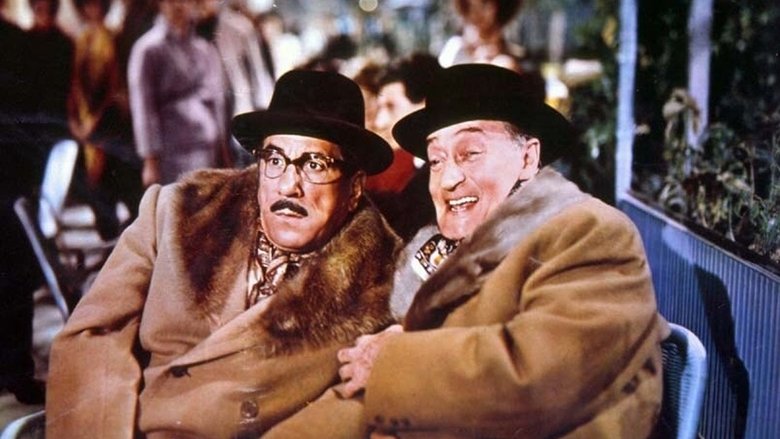
Totò, Peppino and... the Sweet Life
Antonio goes to Rome to represent his fellow peasants, to request a highway that will be built in their region. But the guy is mastered by 'la dolce vita' and wastes the money entrusted to him for his mission. When Peppino is sent to to find out what happened, he lets himself be trapped by the gentle grip of 'la dolce vita'
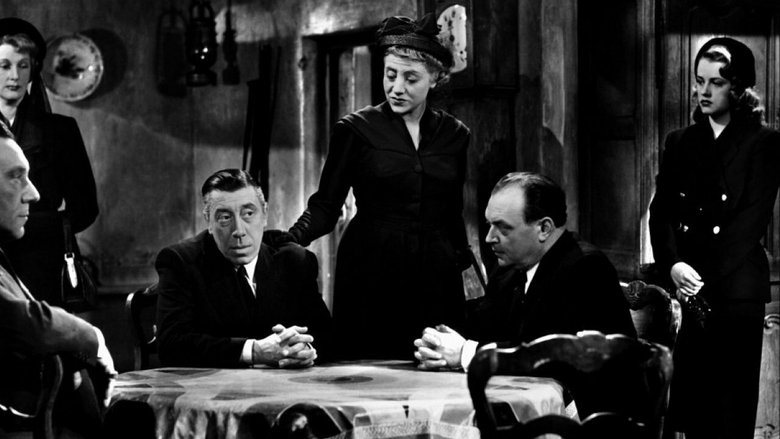
Three Sinners
A man assists his gravely ill wife to die and wants to face justice for this, but his brothers try everything to keep the family's name clean.
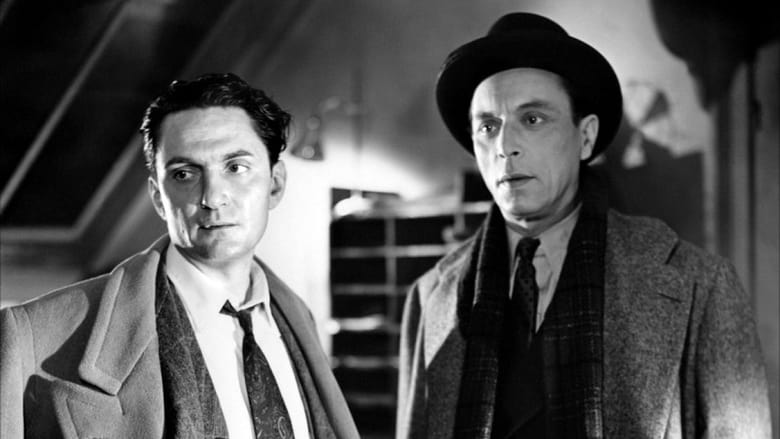
Between Eleven and Midnight
Between eleven o’clock and midnight one evening, a notorious trafficker Jérôme Vidauban is shot whilst walking in a tunnel in Paris. The case is assigned to Inspector Carrel, who is Vidauban’s perfect double. Using his resemblance to the arch criminal, Carrel manages to infiltrate in Vidauban’s circle of acquaintances and contacts. He becomes embroiled in a bizarre web of intrigue and discovers no shortage of possible murder suspects, all of whom appear to be surprised to see him still alive.

The Turkey
Paris at the Belle Epoque. Monsieur de Pontagnac, a perfect honest man, loves pretty women too much and that plays him many tricks. What need does he have to follow the pretty Lucienne Vatelin, home, to find himself in the presence of the husband, the notary Vatelin, who is part of his circle? From there, many characters will meet, avoid each other, find each other. Adultery, domestic scenes and reconciliation will be their lot.
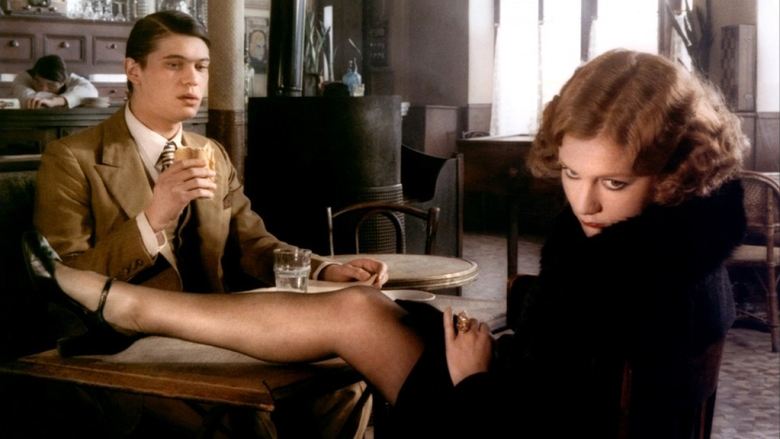
Violette Nozière
Paris, 1933. The daughter of a respectable lower middle class couple, Violette Nozière, leads a disreputable double life. Far from being the innocent 18-year-old her parents mistake her for, she spends her nights with dissolute young men in the less salubrious areas of the city.
We Are All Murderers
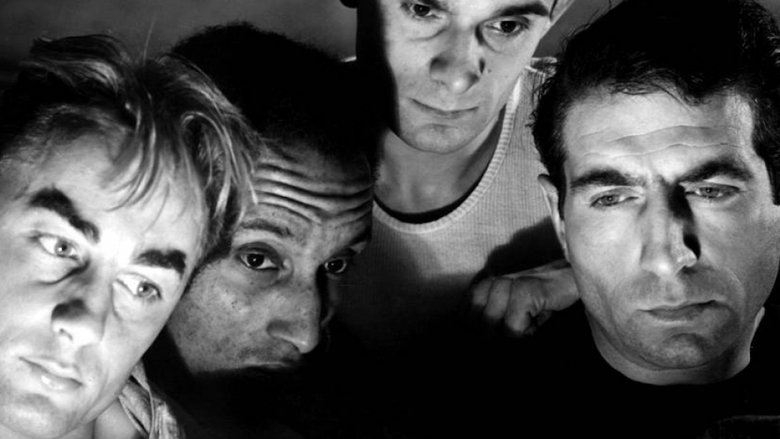
Originally titled Nous Sommes Tout des Assassins, We Are All Murderers was directed by Andre Cayette, a former lawyer who detested France's execution system. Charles Spaak's screenplay makes no attempt to launder the four principal characters (Marcel Mouloudji, Raymond Pellegrin, Antoinine Balpetre, Julien Verdeir): never mind the motivations, these are all hardened murderers. Still, the film condemns the sadistic ritual through which these four men are brought to the guillotine. In France, the policy is to never tell the condemned man when the execution will occur--and then to show up without warning and drag the victim kicking and screaming to his doom, without any opportunity to make peace with himself or his Maker. By the end of this harrowing film, the audience feels as dehumanized as the four "protagonists." We Are All Murderers was roundly roasted by the French law enforcement establishment, but it won a special jury prize at the 1952 Cannes Film Festival.
Filmography
as Housewife
as Lara
as Helen Chester (segment "A Drop Of Water")
as Tourist
as Katty
as Jacqueline
as Teresa, moglie di Colabona
as Jackie
as Miss Mirra
as Sonia Flo
as La extranjera
as Pearl
as Sara Millán
as Actriz extranjera
as (uncredited)
as Elsa
as Mado
as Jacqueline
as Danielle Vernaux
as Lili
as Dora
as Simone
as Cri-Cri, courtesan
as Alicia Damours
as Yvonne Le Guen (version française)
as Consuelo
as Mado
as Armandine
as Lidia
as Jeannette
as Lucienne
as Nora
as Irène (uncredited)
as Nicole
as Marceline (uncredited)
as Lily
as Fernande Le Guen
as Suzy
as Solange
as Simone
as Simone
as The extra
as Pearl Black
as (uncredited)