
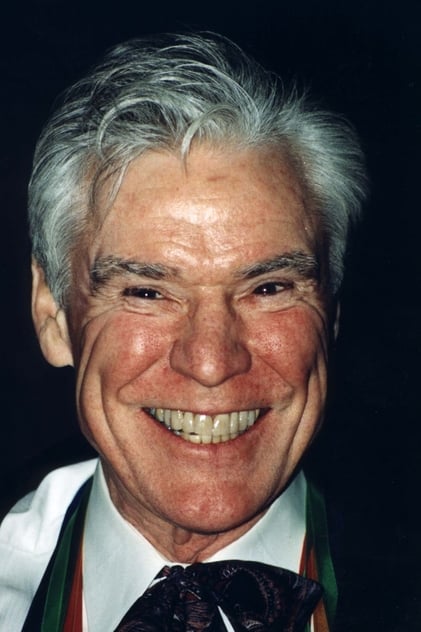
Jacques d'Amboise
Acting
Biography
No biography available for Jacques d'Amboise.
Born: July 28, 1934
Place of Birth: Dedham, Massachusetts, USA
Known For
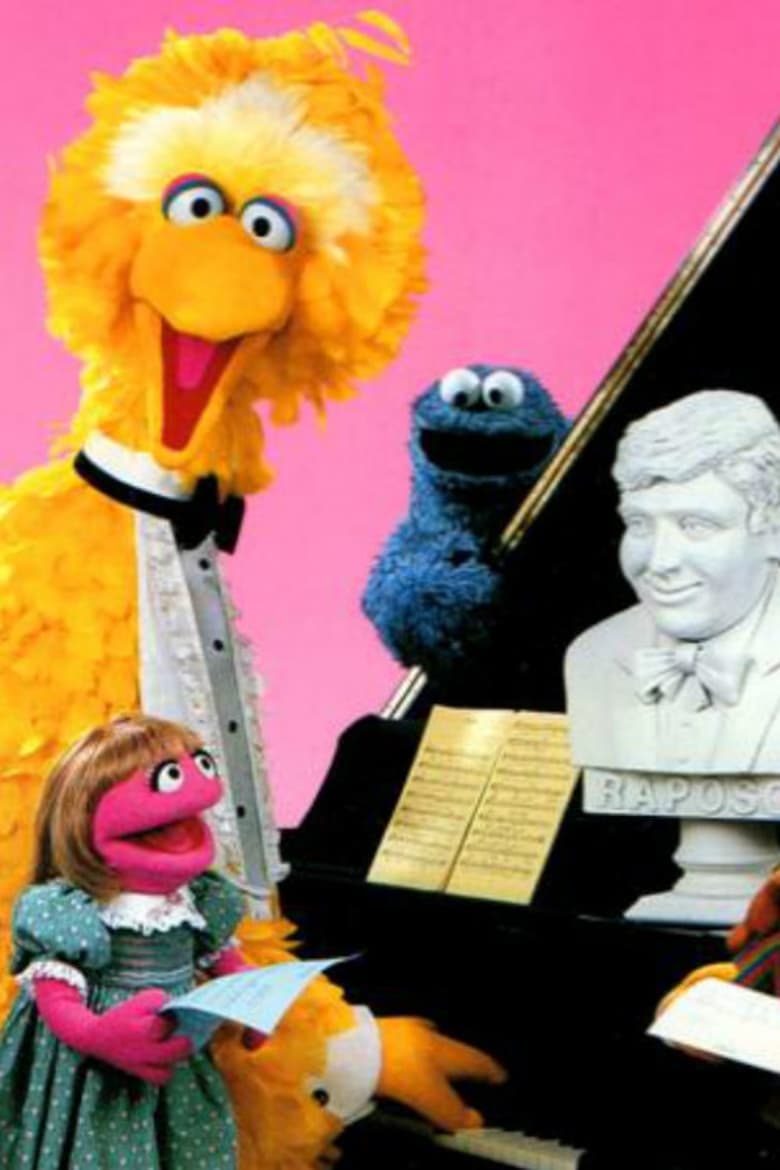
Sing! Sesame Street Remembers Joe Raposo and His Music
A television special broadcast on PBS in honor of composer, songwriter, pianist, television writer and lyricist Joe Raposo after he passed away.
The Kennedy Center Honors
The Kennedy Center Honors is an annual honor given to those in the performing arts for their lifetime of contributions to American culture.
The Bell Telephone Hour
“The Bell Telephone Hour” was a musical variety show that aired on “NBC” TV from 12 January 1959 to 14 June 1968 that showcased the best in Broadway, Classical, Concert, Jazz and Popular music each week. The series had its’ own house band appropriately named the “Bell Telephone Orchestra”. The show also had its’ own theme song being the “Bell Waltz” composed by “Donald Voorhees” who was also the show's Orchestra conductor. Some of the greatest violinists of the 1960’s performed on this show that aired in the old “Black & White” format. Some of these great violinists included “Erica Mornin”, “Isaac Stern", "Michael Rabin", "Ruggiero Ricci", "Yehudi Menuhin" and "Zino Francesacatti". From time to time some of the great singers and bandleaders of the 1960’s would perform on the show as well. Some of these were “Bing Crosby”, “Gordon MacRae”, “John Gary”, “Leslie Uggams”, “Mary Martin”, “Nelson Eddy”, “Patti Page” and “Roy Rogers”. The TV show followed on the heels of its’ predecessor with the same name on “NBC” radio that aired from 29 April 1940 to 1958 on Monday nights at 8 PM. The name of the show was derived from its’ Major sponsor “Bell Telephone Laboratories”. The TV version began airing on Friday nights at 8:30 PM once a month. It later was given it’s same time slot now airing every other week alternating with another show on the other weeks such as News shows and specials. The show time slot changed quite often over the years. In September 1960 it aired at 9 PM and in September 1961 it moved to 9:30 PM. In October 1963 it moved to Tuesday nights at 10 PM, September 1965 it moved to Sunday night at 6:30 PM and in September 1967 it made its' final move back to Friday night at 10 PM.
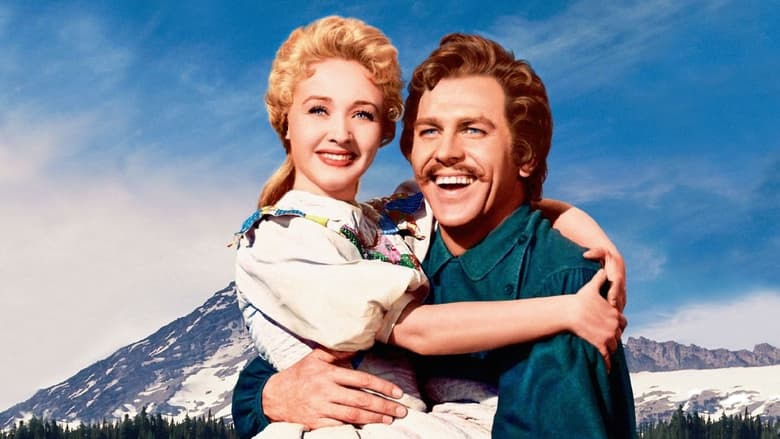
Seven Brides for Seven Brothers
In 1850 Oregon, when a backwoodsman brings a wife home to his farm, his six brothers decide that they want to get married too.
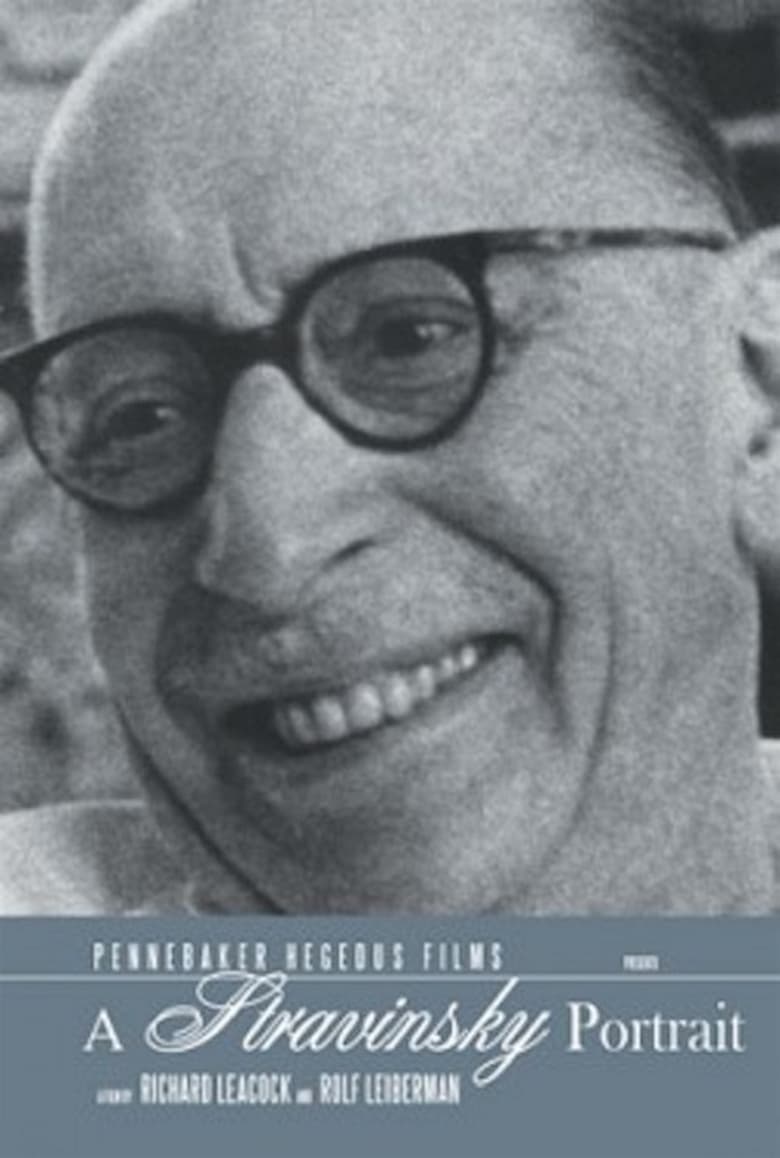
A Stravinsky Portrait
This documentary follows composer and conductor Igor Stavinsky at his home in California, in London, and in Hamburg where he conducts an orchestra rehearsal. Includes conversations with a variety of friends and musical collaborators. Includes footage of Stravinsky and Balanchine discussing the Variations (in memoriam Aldous Huxley) and rehearsing their ballet Apollo with Suzanne Farrell.
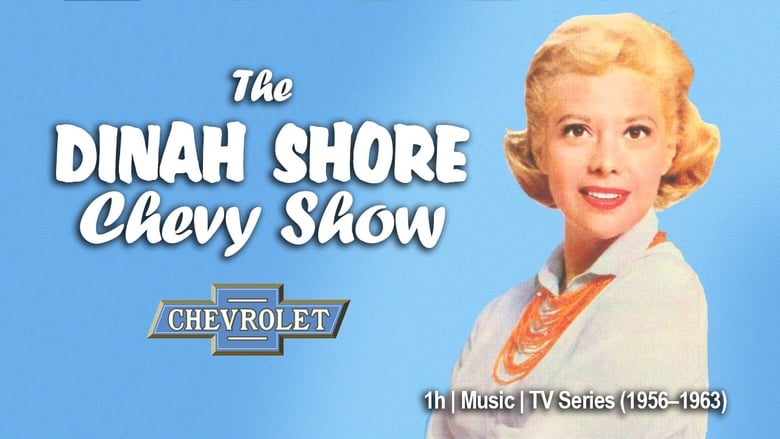
The Dinah Shore Chevy Show
The Dinah Shore Chevy Show is an American variety series hosted by Dinah Shore, and broadcast on NBC from October 1956 to June 1963. The series was sponsored by the Chevrolet Motor Division of General Motors and its theme song, sung by Shore, was "See the U.S.A. in Your Chevrolet", which continued to be used in Chevrolet advertising for several more years after the cancellation of the show.

He Makes Me Feel Like Dancin'
Why do over 1,000 New York City schoolchildren audition for a modern dance program that requires them to sacrifice free time and involvement in sports and music? For a chance to study with the charismatic Jacques d'Amboise at the National Dance Institute. His philosophy--that creativity exists within everyone and that trying one's best ensures success--forms the foundation of a unique dance program. This documentary chronicles one school-year-long program including initial auditions, rehearsals, and the creation of an exclusive "SWAT" team, and culminates in an amazing, year-end performance at New York's Felt Forum. D'Amboise's enthusiasm is infectious--children, parents, teachers, professional dancers and musicians, and even local law enforcement officers find themselves involved in his productions. This Academy Award-winning documentary details the inspiring story of how one talented dancer's vision flourished into a coveted New York City dance program.
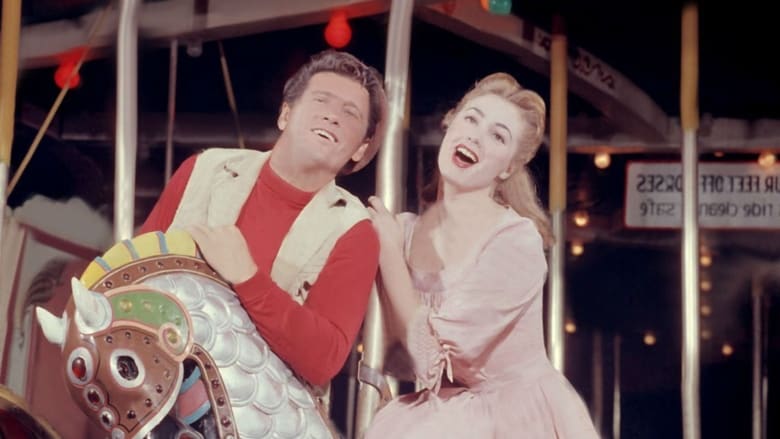
Carousel
Billy Bigelow has been dead for 15 years. Now outside the pearly gates, he long ago waived his right to go back to Earth for a day. He has heard that there is a problem with his family: namely with his wife Julie Bigelow, née Jordan, and his child he hasn't met. He would now like to head back to Earth to assist in rectifying the problem; but before he may go, he has to get permission from the gatekeeper by telling him his story. Adapted from the Rodgers and Hammerstein hit Broadway musical.
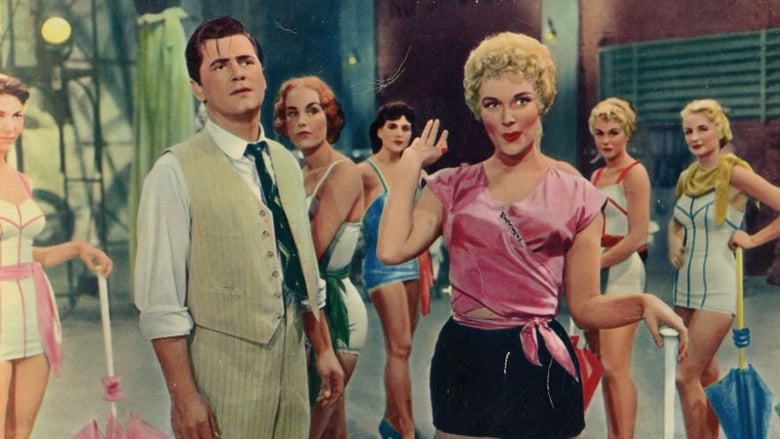
The Best Things in Life Are Free
Ray Henderson joins Buddy De Sylva and Lew Brown to form a successful 1920s musical show writing team. They soon have several hits on Broadway but De Sylva's personal ambition leads to friction as the other two increasingly feel left out of things.
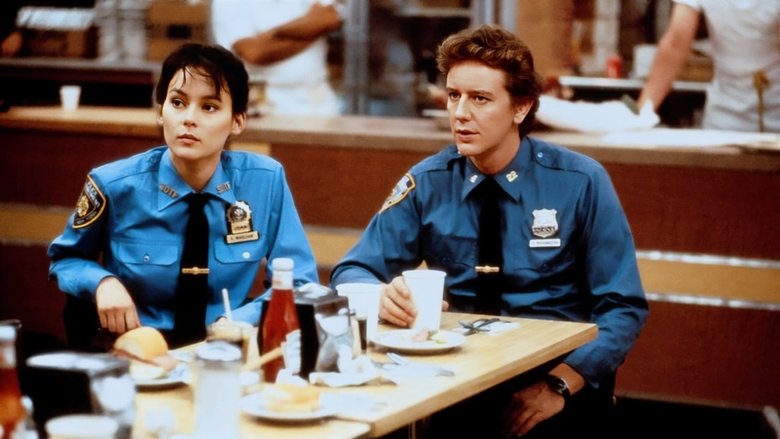
Off Beat
Joe Gower's job is skating through library shelves, fetching books. A police officer/friend of his is chosen to participate in a charity dance performance. Gower agrees to take his place in the show by posing as a police officer. He falls for a female officer in the show and gets into various scrapes with fellow cops and also crooks. And he dances.
Filmography
as Elegy Cavalier (Serenade)
as Self
as August
as Himself
as Self
as Self
as Court Danseur
as Self
as Self
as Specialty Dancer
as Tarantella Dancer
as Louise's 'Starlight Carnival' Dancing Partner
as Brother Ephraim Pontipee