
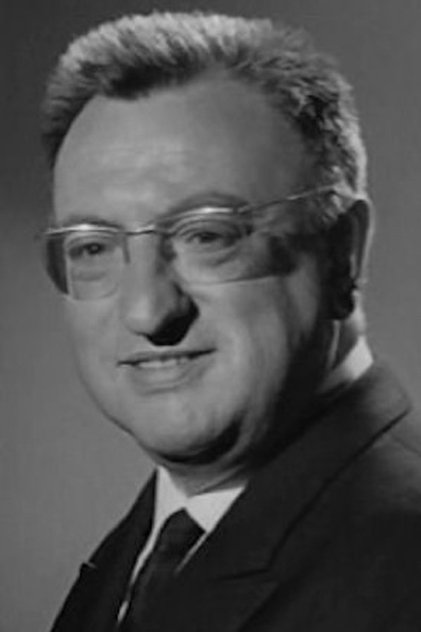
Jacques Monod
Acting
Biography
Jacques Monod (21 August 1918 – 25 December 1985) was a French actor. He appeared in more than one hundred films from 1947 to 1985. Source: Article "Jacques Monod (actor)" from Wikipedia in english, licensed under CC-BY-SA 3.0.
Born: August 21, 1918
Place of Birth: Casablanca, Morocco
Known For
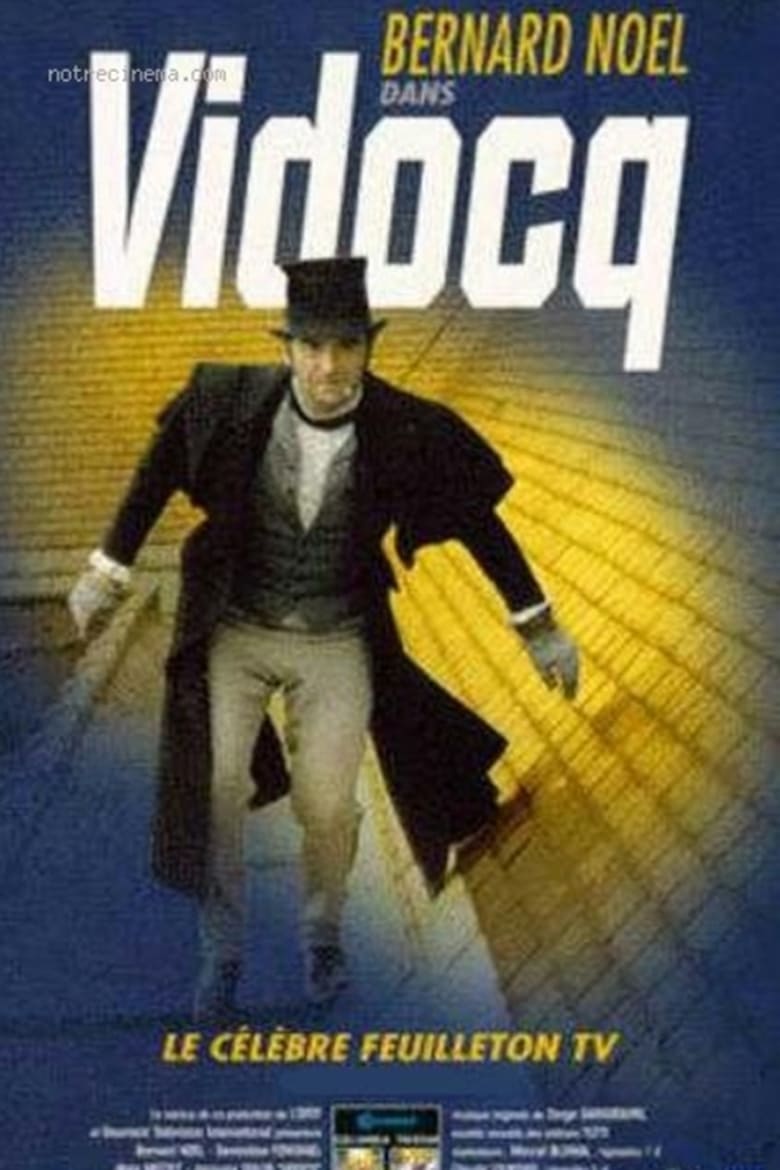
Vidocq
François Vidocq has been sentenced to eight years' hard labor for a crime he didn't commit. Escaped with the help of his faithful friends Desfossés and Fil de fer, the convict is pursued by his lifelong enemy: the policeman Flambart. Between scams and disguises, Vidocq initially leads an undercover life in 19th-century Paris. Eventually, the two men team up to fight criminals... And Vidocq succumbs to Annette's charms.
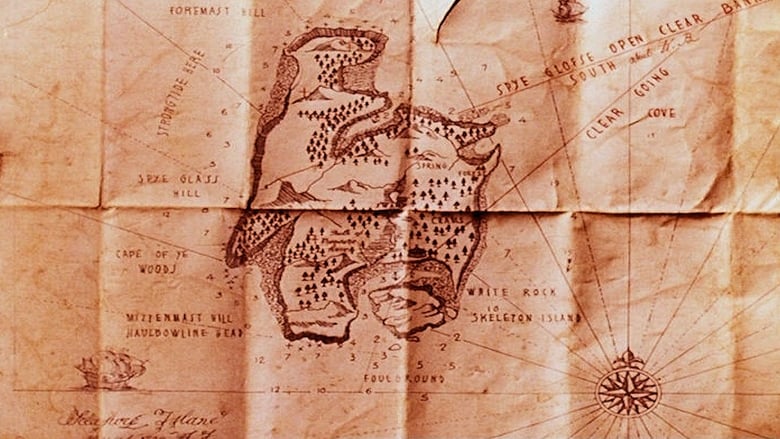
Die Schatzinsel
"Die Schatzinsel" (Treasure Island) - 1966: An Overview This film is a live-action, East-German/Czechoslovak adaptation of Robert Louis Stevenson's classic adventure novel. However, it's crucial to know that it is not a direct, faithful adaptation of the book. Instead, it is a highly liberal and stylised re-imagining that blends the pirate adventure with the popular genre of the time: the Euro-Western. Plot Summary (The Basic Premise) The core premise remains the same: a young man, Jim Hawkins, comes into possession of a treasure map and embarks on a voyage to a remote island. However, the 1966 version takes significant liberties: Setting: While the novel is set in the 18th century, this film has a distinct 19th-century "Wild West" feel, with characters using revolvers and wearing costumes that feel more like cowboys than classic 1700s pirates.
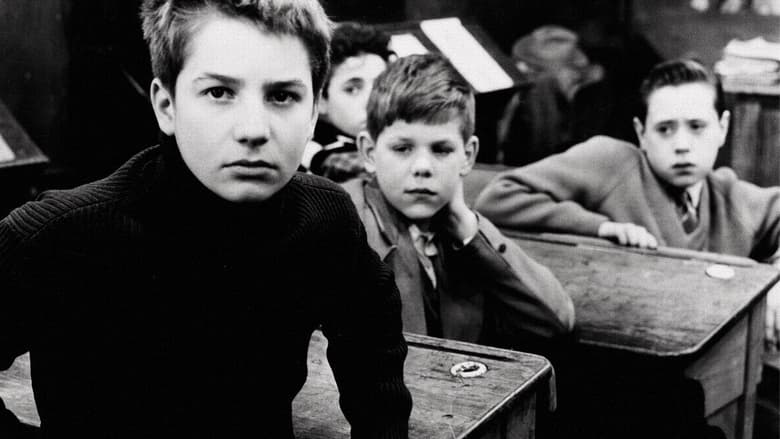
The 400 Blows
For young Parisian boy Antoine Doinel, life is one difficult situation after another. Surrounded by inconsiderate adults, including his neglectful parents, Antoine spends his days with his best friend, Rene, trying to plan for a better life. When one of their schemes goes awry, Antoine ends up in trouble with the law, leading to even more conflicts with unsympathetic authority figures.
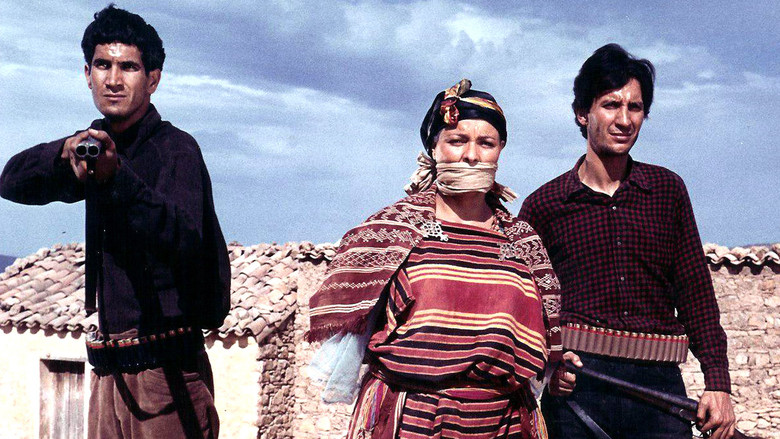
The Outlaws
In prison in colonial Algeria, shortly after the end of the Second World War, three indigenous cellmates make out. Once free, they attack the authority represented by the triad of the boss, the gendarme and the administrator. “Living the colonial condition,” confided Tewfik Farès, “is something! It’s not sociologically or historically speaking. It’s life. And I think that’s all there in it. [...] For a hundred and thirty years, we wait. We hold back. We push back. We hope. At the same time, on different occasions, there are skirmishes, unrest.
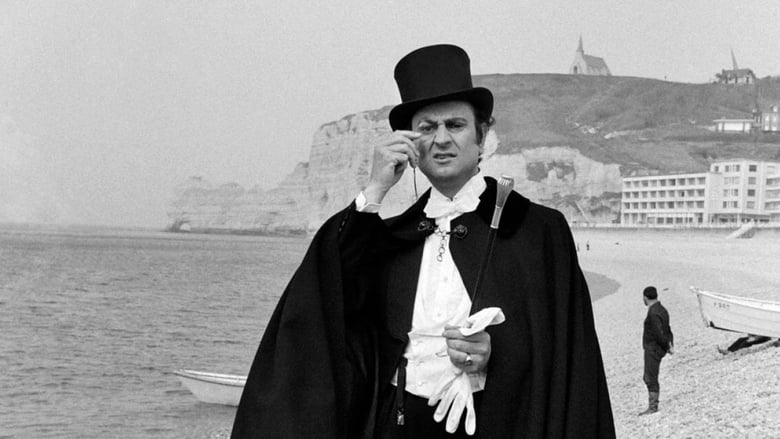
Arsène Lupin
Arsène Lupin is a French TV show which was co-produced with German, Canadian, Belgian, Dutch, Swiss, Italian and Austrian TV stations. It was only loosely based on Maurice Leblancs novels. Georges Descrières' portrayal of Arsène Lupin showed more similarity to Graf Yoster than to Maurice Leblanc's original. He behaved in the first place as a perfect gentleman who never got angry. He was always relaxed, because whatever could possibly had bothered him in daily life was taken care of by his butler. It wasn't questioned how he had come to his financial independence although the series sometimes discreetly implied that he was a professional criminal. Besides rescuing damsels in distress Lupin took on criminals, competing with their wit and intelligence. Either he stole paintings from rich people who had to be considered white-collar criminals or he acted as a detective who derailed criminal schemes. However, when he was attacked, he could defend himself effortlessly by using elegant jujutsu methods. Among the guest stars were German actors such as Günter Strack and Sky du Mont. Jean-Paul Salomé said in his commentary on the DVD version of his film Arsène Lupin he had like this series as a child. German TV, one the investors, would broadcast the show eventually between 18:00-20:00 o'clock because it was only allowed to show commercials within that very timeslot. For them to get a financial return on investment the show had to be appropriate for families and also for children who would watch it alone. Subsequently it was nearby to ask to defuse and flatten some of Leblanc's plots in order to avoid possible complaints that could force the station to broadcast the show beyond the "Vorabendprogramm".
Arsène Lupin
Arsène Lupin is a French TV show which was co-produced with German, Canadian, Belgian, Dutch, Swiss, Italian and Austrian TV stations. It was only loosely based on Maurice Leblancs novels. Georges Descrières' portrayal of Arsène Lupin showed more similarity to Graf Yoster than to Maurice Leblanc's original. He behaved in the first place as a perfect gentleman who never got angry. He was always relaxed, because whatever could possibly had bothered him in daily life was taken care of by his butler. It wasn't questioned how he had come to his financial independence although the series sometimes discreetly implied that he was a professional criminal. Besides rescuing damsels in distress Lupin took on criminals, competing with their wit and intelligence. Either he stole paintings from rich people who had to be considered white-collar criminals or he acted as a detective who derailed criminal schemes. However, when he was attacked, he could defend himself effortlessly by using elegant jujutsu methods. Among the guest stars were German actors such as Günter Strack and Sky du Mont. Jean-Paul Salomé said in his commentary on the DVD version of his film Arsène Lupin he had like this series as a child. German TV, one the investors, would broadcast the show eventually between 18:00-20:00 o'clock because it was only allowed to show commercials within that very timeslot. For them to get a financial return on investment the show had to be appropriate for families and also for children who would watch it alone. Subsequently it was nearby to ask to defuse and flatten some of Leblanc's plots in order to avoid possible complaints that could force the station to broadcast the show beyond the "Vorabendprogramm".
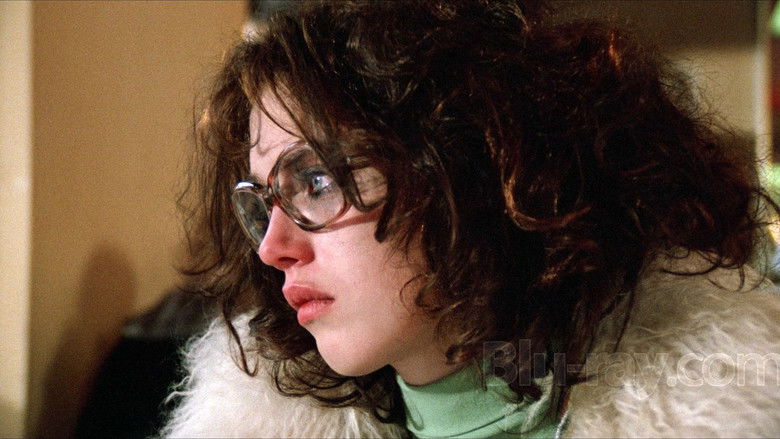
The Tenant
A quiet and inconspicuous man rents an apartment in Paris where he finds himself drawn into a rabbit hole of dangerous paranoia.
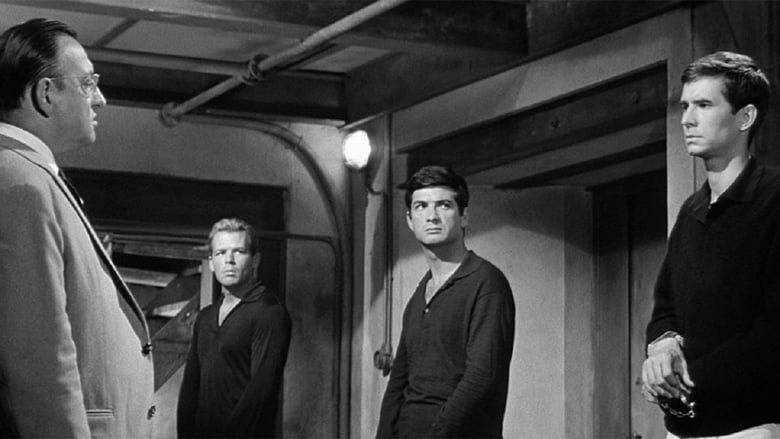
The Sword and the Balance
Three young men are suspected of kidnapping and murdering a little boy. Most likely, two of them are really involved, but one is not. All of their pasts are questionable, riddled with violence and controversy. Neither the police nor the court can decide how to solve that puzzle.
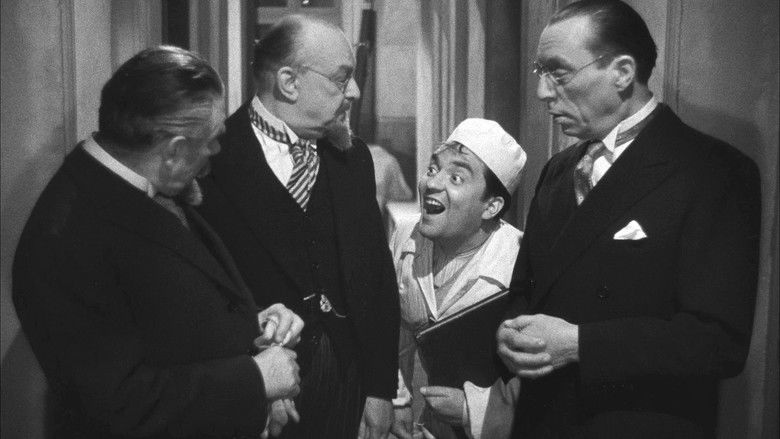
Dr. Knock
Saint-Maurice, an ordinary peaceful village, lived healthily so much so that the local doctor's practice was scant. But that was before Dr. Parpalaid retired and was replaced by a charlatan by the name of Knock. A real genius this one, for he soon managed to persuade everyone that they were ill. And not only didn't they resent him but they even loved their physician, who made a fortune and brought prosperity to the village by turning it into a big hospital.
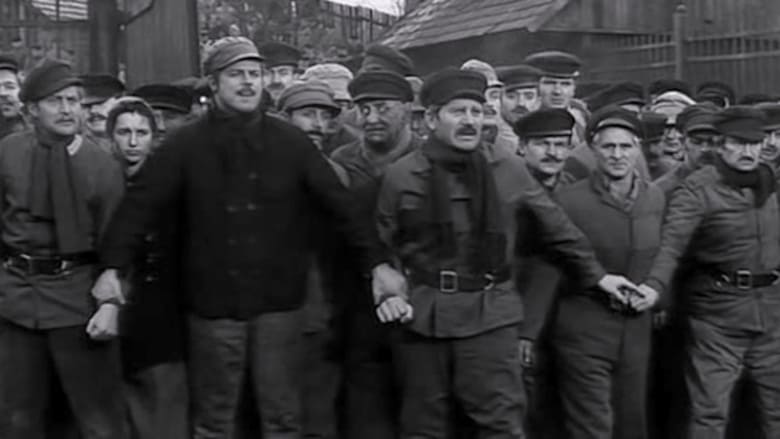
Germinal
Dismissed from the railroads in 1863 for his union activities, Etienne Lantier found a job at the Voreux coal mine. But work was hard, wages were low and safety left much to be desired. Lantier tried to organize the miners into a union. When mine manager Hennebeau refused to negotiate, the workers launched a general strike, which ended with the intervention of the troops.
Filmography
as l'inspecteur de police
as Le gouverneur
as Achard-James
as le Garde des Sceaux
as Le vétérinaire (voix)
as Mouchalon
as Cafe Owner
as Tax inspector
as Panadon
as The Mayor
as Self
as Vidal
as Docteur du Poirier
as Prosecutor
as French Commissioner
as Le député
as Jacques Garaud
as Julien Lassenave
as Mr. de Lancey
as le préfet de police
as Le préfet de Police
as Cardinal La Balue
as M. Malaquet
as Emilien Carmeaux
as M. Marchal, un financier d'Albert
as L'administrateur
as Prison Guard
as A Man in the Street (segment "Mademoiselle Mimi") (uncredited)
as le directeur de la prison
as Kapitän Alexander Smollet
as Gorel
as Mario
as Monsieur Sernet
as le président des assises
as Mayor
as Nicolo de Vicenza, a Knight Templar
as Joseph Lucas
as Commandant Ravesne
as Crevel
as Divisional commissioner
as L'agent d'assurances
as Dog's owner
as 'Le vieux'
as Lucien Leonetti
as Surgeon - the chauffeur
as Monseigneur Alleman
as Doctor Epautre
as Stenberg
as Deneulin
as Prosecutor Magnin
as Commissioner
as Le commissaire
as Monsieur Klaus
as Maître Duros
as Raoul Gerlier, l'ancien policier radié
as Helmut
as Investigating judge
as Me Hérault
as Monsieur Jasmin
as Monsieur Jasmin (segment "L'envie")
as Maître Lamazure
as Charles, lawyer
as Preissing
as President
as Judge
as le directeur de Paris-France
as President of the court
as The Police Commissioner
as Verdier's lawyer
as Anatole Rousseau, ministre des finances
as Doctor
as Gendarme (uncredited)
as M. Albos, le premier trombone (uncredited)
as (uncredited)