
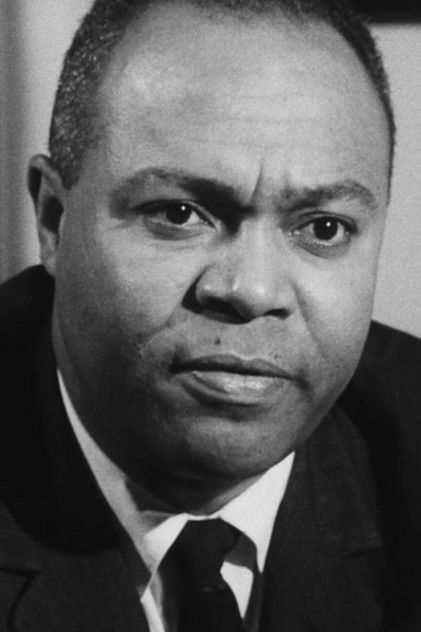
James Farmer
Acting
Biography
James Leonard Farmer Jr. was an American civil rights activist and leader in the Civil Rights Movement.
Born: January 12, 1920
Place of Birth: Marshall, Texas, USA
Known For
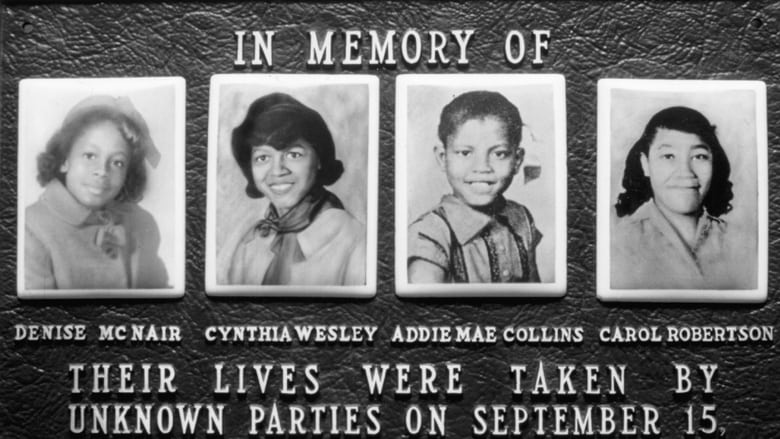
4 Little Girls
On September 15, 1963, a bomb destroyed a black church in Birmingham, Alabama, killing four young girls who were there for Sunday school. It was a crime that shocked the nation--and a defining moment in the history of the civil-rights movement. Spike Lee re-examines the full story of the bombing, including a revealing interview with former Alabama Governor George Wallace.
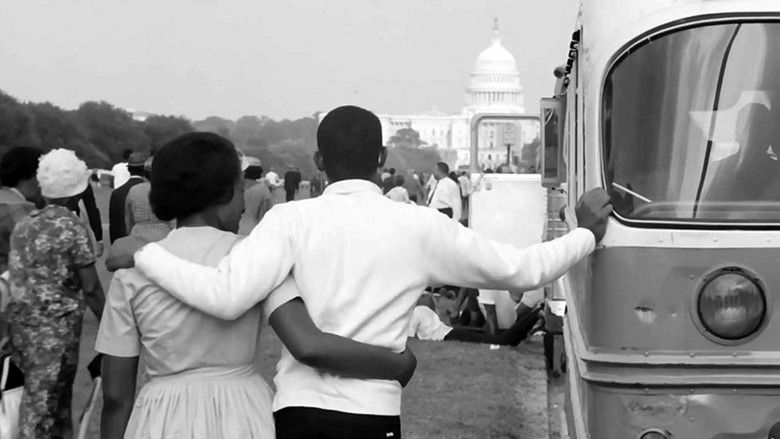
The March
The March, also known as The March to Washington, is a 1964 documentary film by James Blue about the 1963 civil rights March on Washington. It was made for the Motion Picture Service unit of the United States Information Agency for use outside the United States – the 1948 Smith-Mundt Act prevented USIA films from being shown domestically without a special act of Congress. In 1990 Congress authorized these films to be shown in the U.S. twelve years after their initial release. In 2008, the film was selected for preservation in the United States National Film Registry by the Library of Congress as being "culturally, historically, or aesthetically significant". (Wikipedia)

Malcolm X
James Earl Jones narrates this fascinating and moving documentary about the life of the assassinated black leader through various sources.
American Experience
TV's most-watched history series brings to life the compelling stories from our past that inform our understanding of the world today.
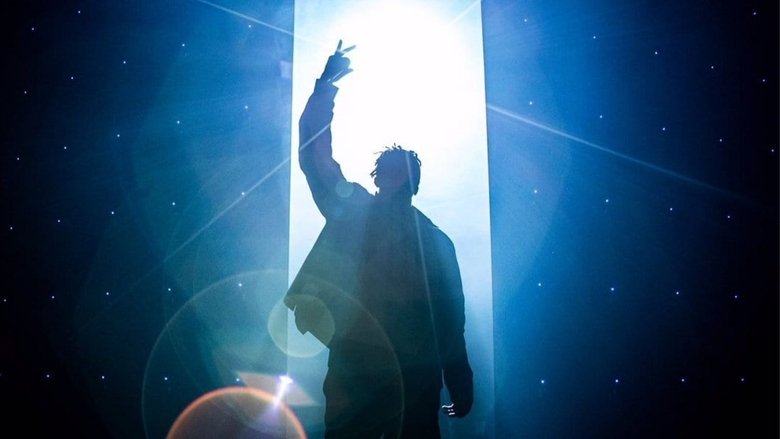
The KSI Show
A once-in-a-lifetime experience featuring first-ever performances of tracks from All Over the Place, a retelling of the story of KSI, past, present and future with special guests and key characters throughout his journey and more. Let KSI take you on an adventure through his world. Get ready for thrills, laughs and lots of surprises alongside huge production value, highly stylised artistic direction, flawless tunes, costume changes, a boxing match and choreography by industry leaders Black Skull Creative.
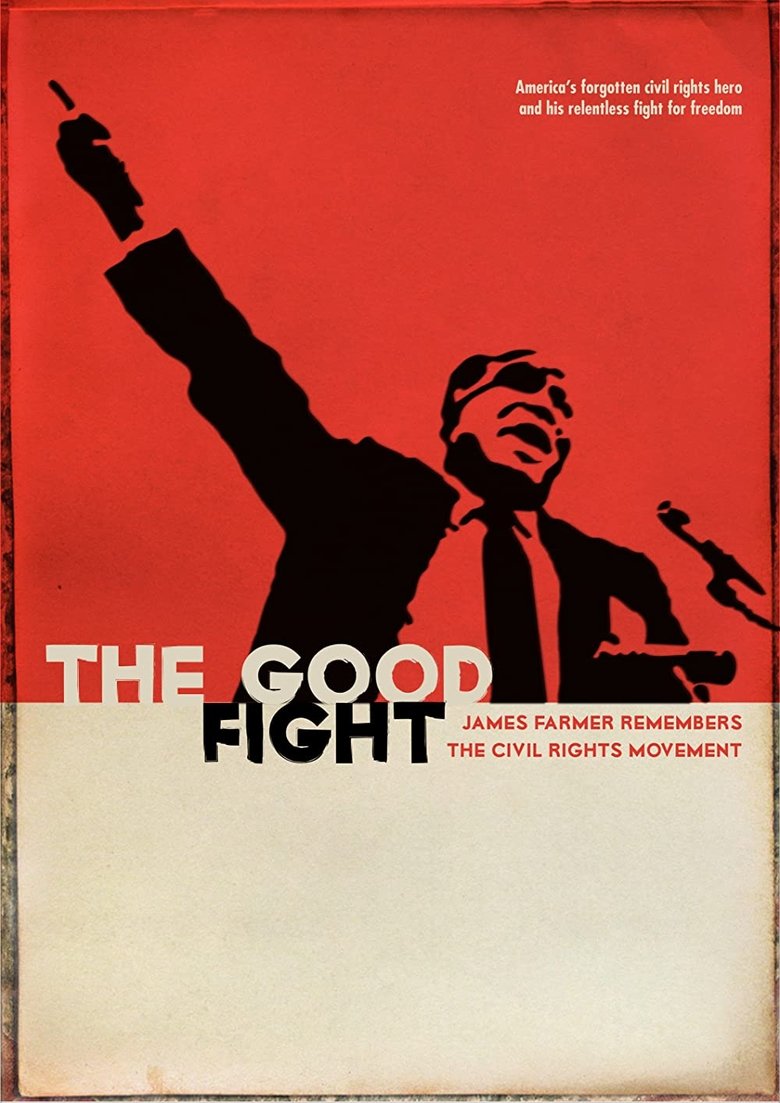
The Good Fight: James Farmer Remembers the Civil Rights Movement
When he rolled into the Jim Crow South on a Greyhound bus - a black man sitting in the whites-only front seat - James Farmer was scared. "Courage is not being unafraid, but doing what needs to be done in spite of fear," said the founder of the Freedom Rides and pioneer of the earliest sit-ins. A relentless leader, a dynamic speaker, and a forceful organizer, Farmer was one of the first civil rights activists to use nonviolent direct action to fight for dignity and justice. Yet at what cost? His own family suffered from his frequent absences, prison stays, and threats made on his life. And, he was continually disappointed in his lack of recognition, especially after witnessing the momentous legacy of Martin Luther King, a man ten years his junior. The Good Fight chronicles Farmer's life, in his own words, from his earliest days as a "Great Debater" at Wiley College to his legacy teaching a new generation of students about the movement that shaped a country. —Laura Neitzel
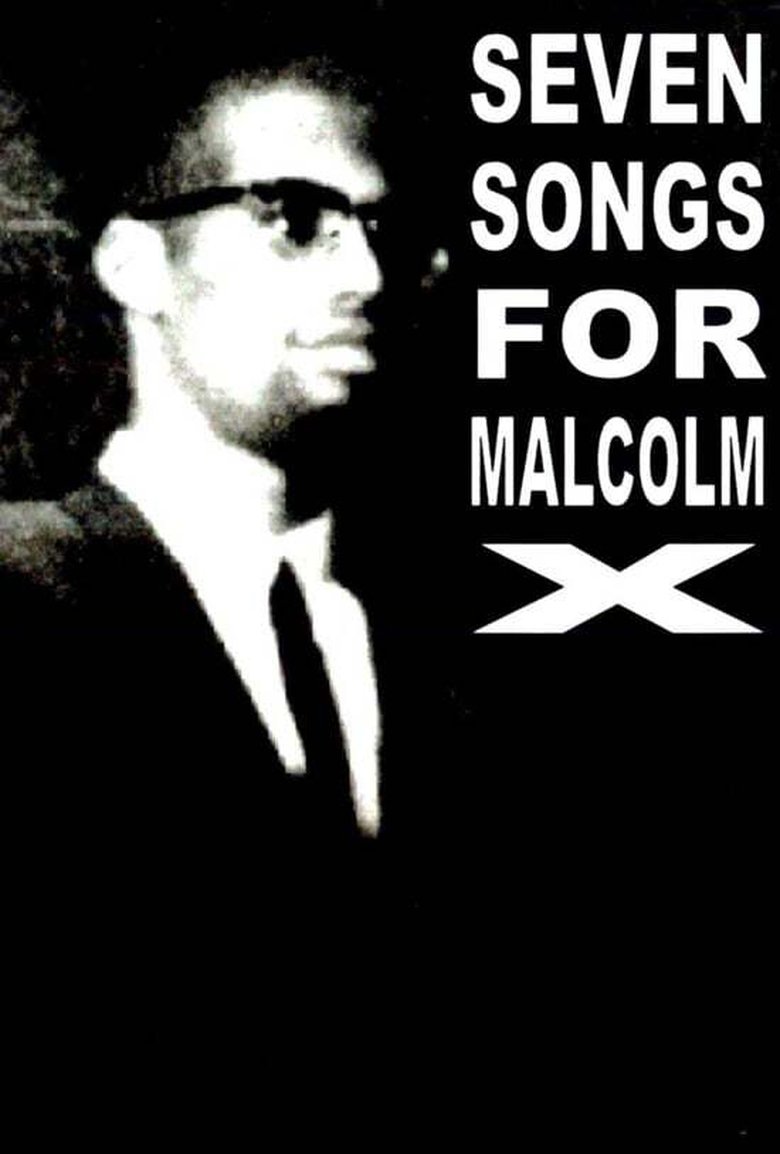
Seven Songs for Malcolm X
The Black Audio Film Collective’s seventh film envisioned the death and life of the African American revolutionary as a seven part study in iconography as narrated by novelist Toni Cade Bambara and actor Giancarlo Espesito. The stylized tableaux vivants that memorialise Malcolm’s life referenced the early 20th century funeral photography of James Van der Zee’s The Harlem Book of the Dead and the elemental static cinematography of Sergei Paradjanov’s The Colour of Pomegranates.
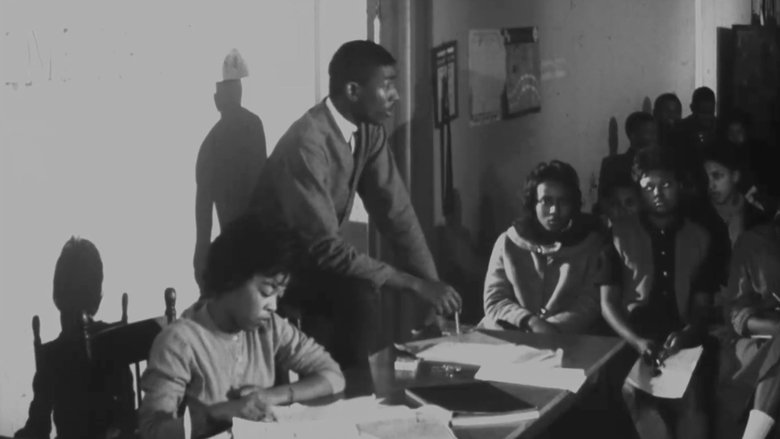
The American Negro
"This unfinished civil rights-era film details how segregation affects the daily lives of African Americans, and includes portions of interviews with James Farmer, Roy Wilkins, Whitney Young, and Ralph Metcalfe. Farmer, Wilkins, and Young were considered to be among the “Big Four” leaders in the U.S. civil rights movement, along with Martin Luther King, Jr. The film also describes the strides and challenges faced by African Americans in the areas of voting, housing, and education. The film was written by Louis Lomax, produced by Willard Van Dyke, directed by Graeme Ferguson, and narrated by Charles Gordone" (US National Archives).
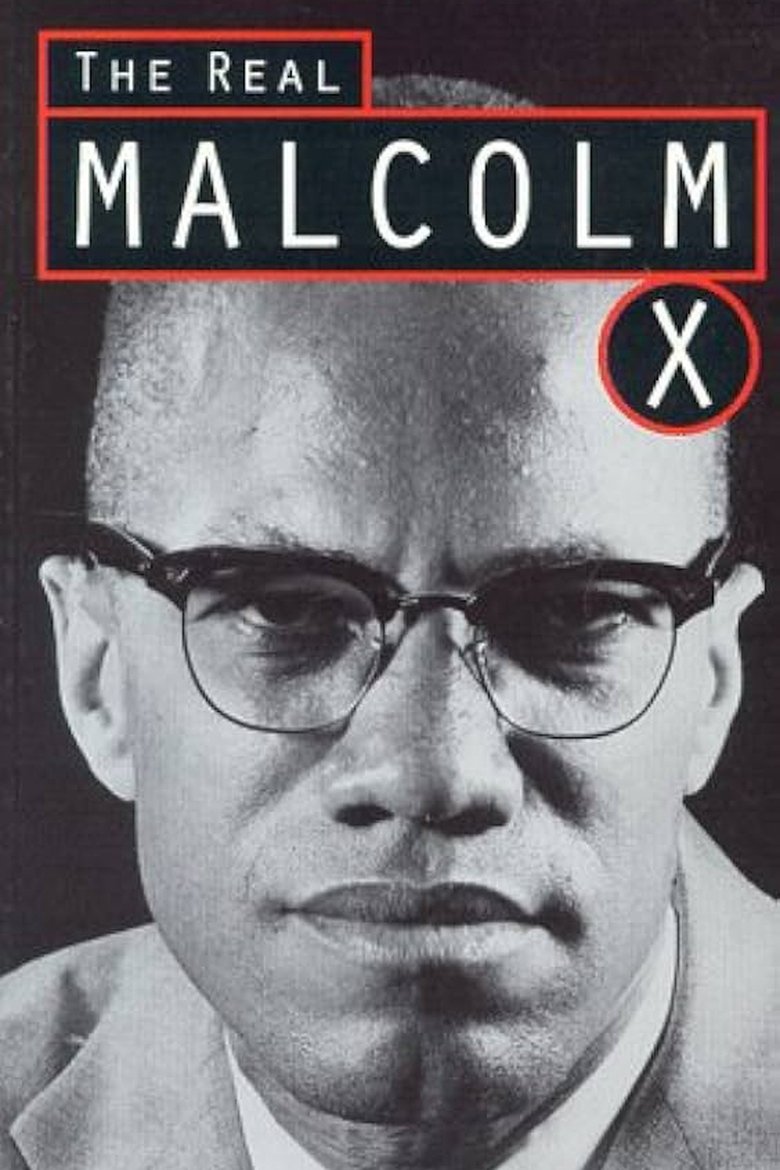
The Real Malcolm X
CBS News looks at Malcolm X, focusing on his public life from 1959 to his assassination in 1965, suggesting that his death was a great loss to the nation. The film intercuts archival footage of Malcolm and interviews with family, friends, colleagues, scholars, and writers. CBS documents Malcolm's move from being Elijah Muhammad's deputy in the Nation of Islam to his embrace of Islam: his new links with the civil rights movement posed a real threat to the powers that be. CBS details his death after secret FBI acts to increase the rift between Muhammad and Malcolm. Maya Angelou, Dick Gregory, and Andrew Young offer trenchant comments. "He was our manhood," eulogized Ossie Davis.
Filmography
as Self
as Self - with Freedom Riders (archive footage) (uncredited)
as Self
as Self - Remarks After Death of Malcolm X (archive footage)
as Self
as Himself