
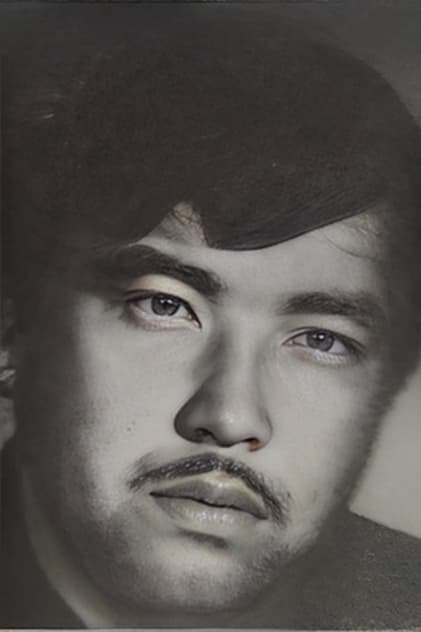
Jamol Hoshimov
Acting
Biography
No biography available for Jamol Hoshimov.
Born: December 30, 1948
Place of Birth: Uzbek SSR, USSR
Known For
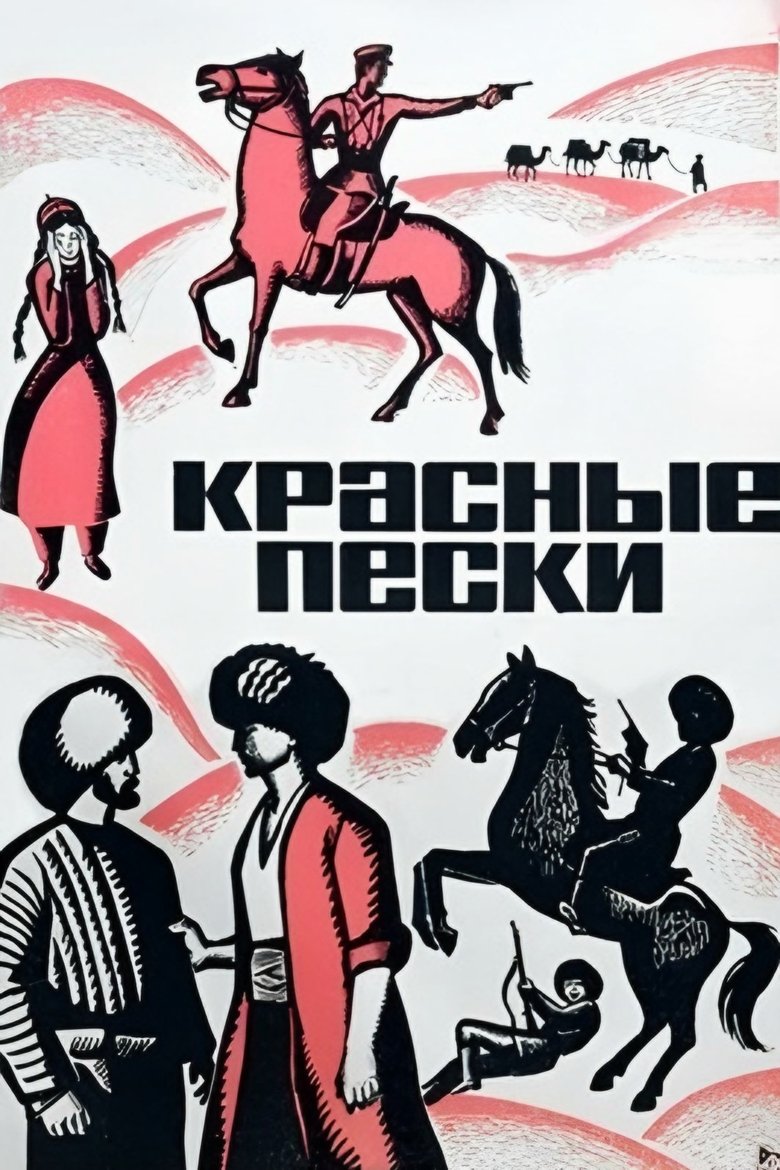
Red Sands
The red commander Mirsharapov was sent to fight the Basmachi gang in Khiva. After the fighting, Junaidkhan's gangs are defeated.
Code of Silence. On the Dark Side of the Moon
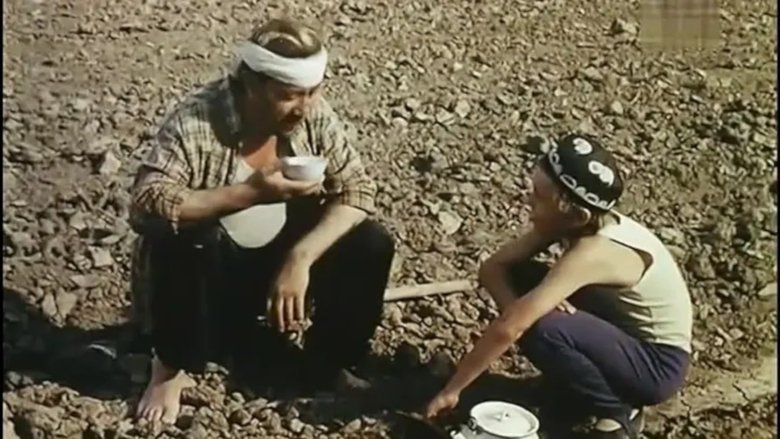
Abdulladzhan, or Dedicated to Steven Spielberg
Considering that Musakov’s Abdulladzhan (1991) was dedicated to Steven Spielberg, we might suggest that these four boys embody nothing more complicated than a conflict of youthful innocence with some ominous threat—the basic workings of E.T. (1982) or War of the Worlds (2005), say. That threat, however, is best understood not through vague nationalism or warmed-over socialism, but through the other reference-point of Abdulladzhan—Tarkovskii’s Stalker (1980). Musakov leaves his boys in a simplified radiance so bright and so overexposed that it no longer looks like the skies of sunny Tashkent, but a disturbing, borderless luminosity to match the flat tonal range of Stalker’s “Zone.” Our Uzbek boys are nowhere in particular; this is a broader domain than anything international.
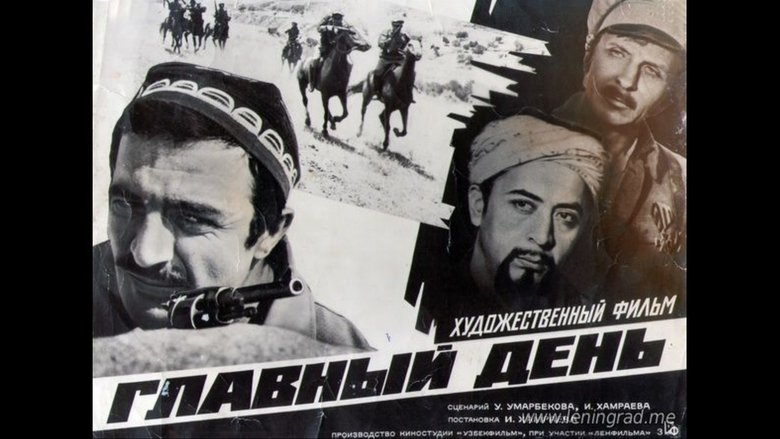
Main Day
A film about the friendship between the workers of the Uzbek collective farm 'Leningrad' and the city of Lenin. This friendship has grown stronger and developed over more than four decades. The film takes us back to the distant and difficult 1920s, when the farmers of Fergana sent a wagon of fruits to the workers of the Putilov factory. In return, the workers gifted the collective farm two tractors and sent their representatives to help set up the new machinery.
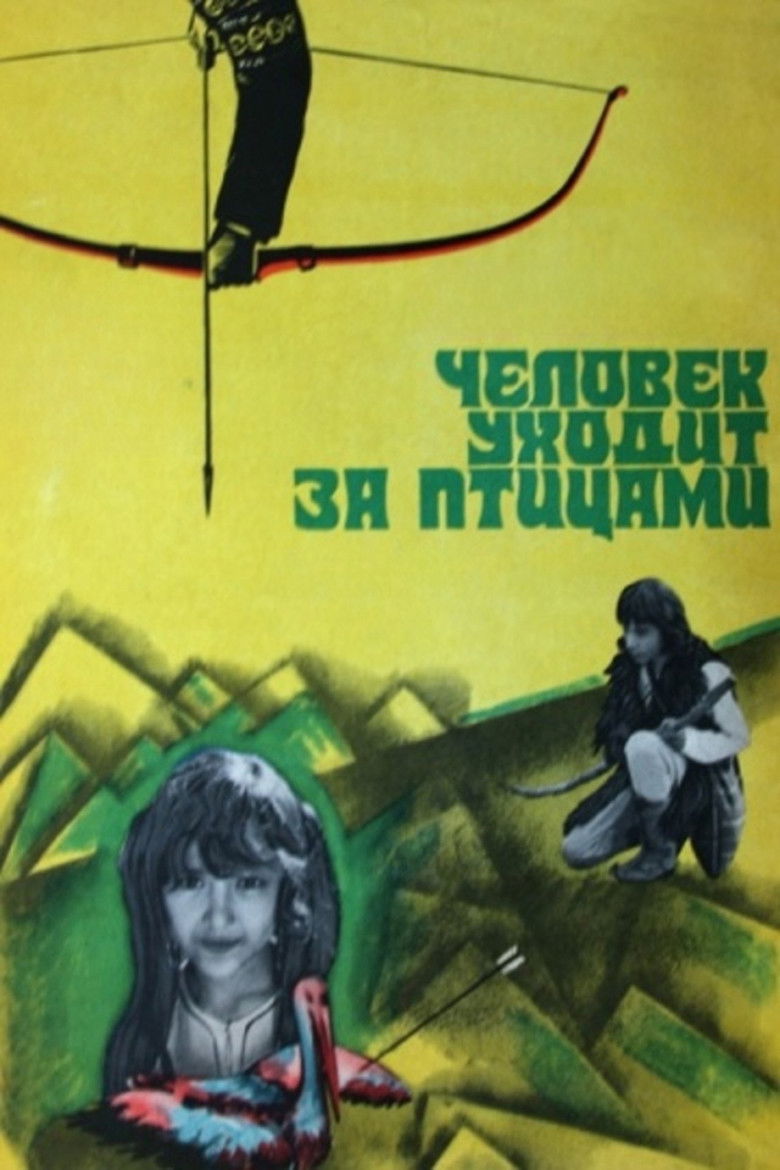
Man Follows Birds
Man Follows Birds is a coming-of-age story of a young Uzbek poet surrounded by violence. Farouk is fascinated by trees and Khamraev films him with a lot of melancholy and tenderness. Cast apart because he’s poor and his father’s drunk, Farouk is not happy in his village. When his father dies, he decides to go in the mountains with his best friends. Looking for nature at its purest, the two teenage boys have to deal with the cruelty of violent barbarians. Their trip will also make them meet a lost orphan girl and a wise beggar.
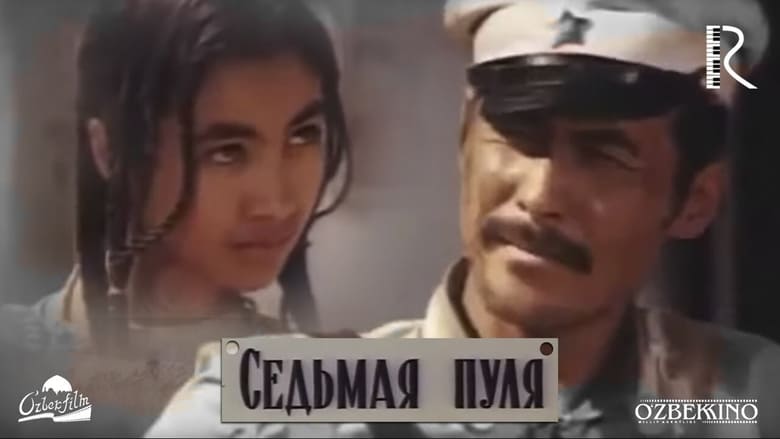
The Seventh Bullet
Despite the restoration of Soviet power in the area, Basmachis continue to arrive from across the border, bringing death and destruction to peaceful villages. One of the bands of rebels is led by Khairulla who is pitted against the militsiya (local militia) leader Maxumov. At first it seems hopeless for Maxumov as the rebels capture most of his men, winning them over to his side. He has only one strategy left; to give himself up, and try to explain to the people that Khairulla has deceived them, turning the soldiers back to revolution. Later in pursuit of his enemy, he chases Khairulla across a river. He has only one bullet left -- the seventh, and he must not miss his target!

The Bodyguard
The setting is Central Asia during the Russian civil war. In the post-revolutionary twenties, when the power in European Russia was (officially) "fully in the hands of the workers and peasants", but the fight against the Basmachi rebels was in full swing. When a Red Army detachment captures Sultan Mazar, the brains behind the Bazmachi contingent, a decision is made to escort urgently the prisoner to the Bukhara province. The difficult mission is entrusted to a grizzled mountain trapper and conscientious revolutionary called Mirzo. His expertise is essential to traverse the precarious paths and steep mountain ridges along the way, impossible terrain for the inexperienced. A group consisting of Mirzo, his brother Kova, the Sultan, his daughter Zaranghis and slave Saifulla set off on this journey. They are forced to fight on the mountain ridges as well as negotiate the natural dangers and harsh elements.

Look Out, Snakes!
Not far from the village is the old fortress of Kara-Tair, the abode of silence, secrets and.. lots of snakes. No one disturbs her peace except zmeyelov Mirzaev. But it is in the fortress that the thread of the crime stretches.
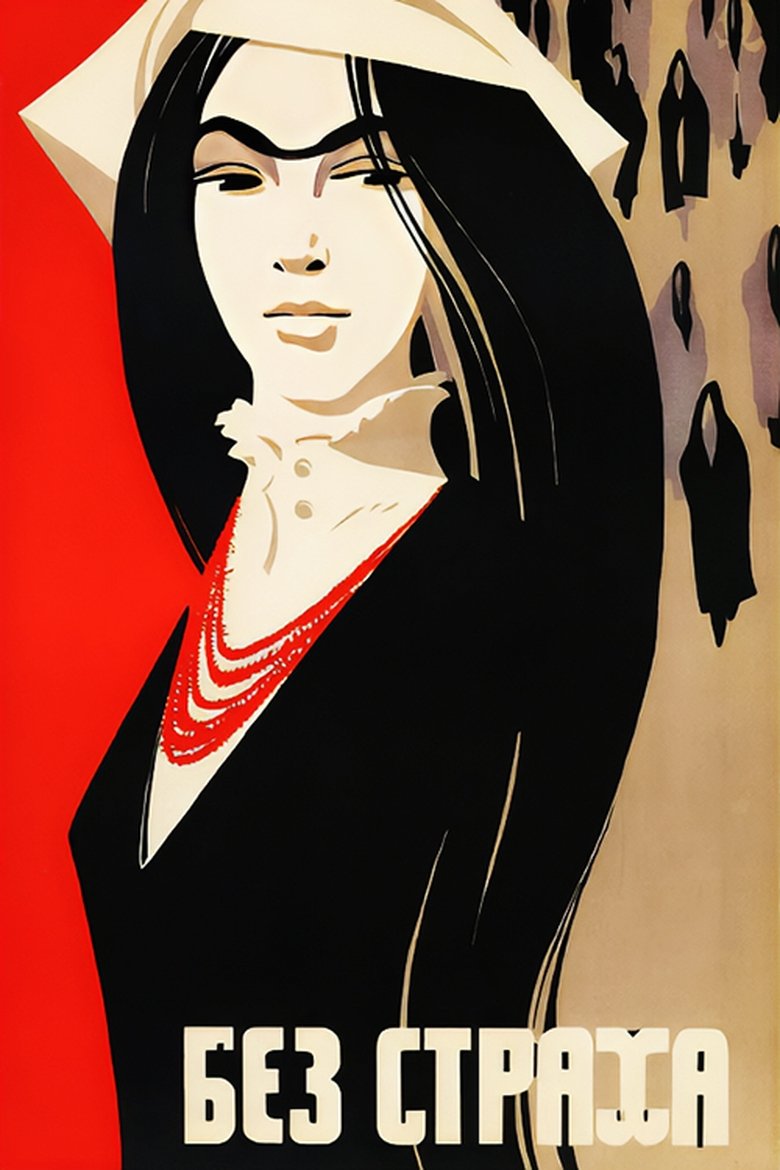
Without Fear
A Bolshevik army officer and Uzbek who has been nursed back to health by a young Uzbek woman to whom he is now married, gains responsibility for the local village in 1929. He is urged by comrades in Tashkent to have the local women drop their chadors and veils but he is also told that he should not force this on anyone. His wife declines to take off her veil, so a 14 year old girl steps forward to set the example, over the objections of the local Muslim clergy and most of the village men. After the girl is killed, and the commissar is shot, his wife takes him to the hills to nurse him back to health once again. She begs her husband to leave the village. Instead when he decides to return, she is pressured by her father to continue to wear the veil.
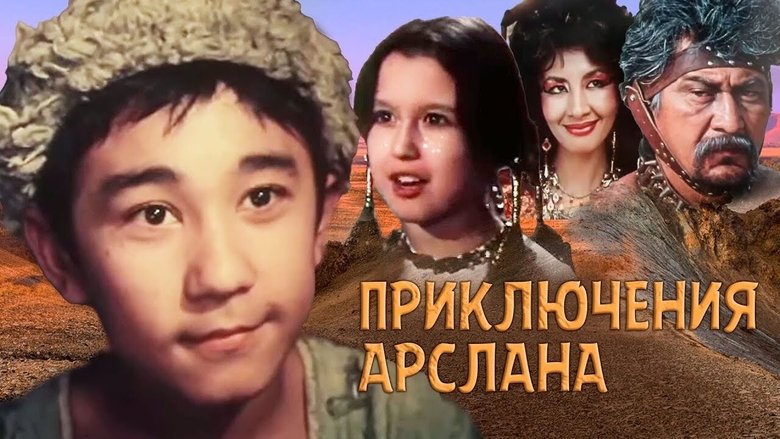
The Adventures of Arslan
Filmography
as Episodic role
as Tursunboy
as Genie