
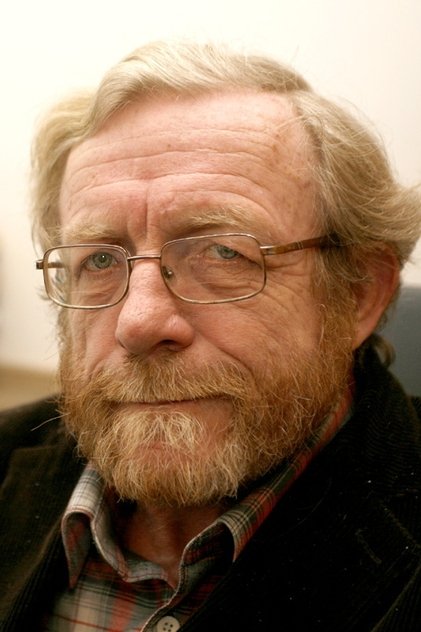
Jan Rejžek
Acting
Biography
No biography available for Jan Rejžek.
Born: June 21, 1954
Known For
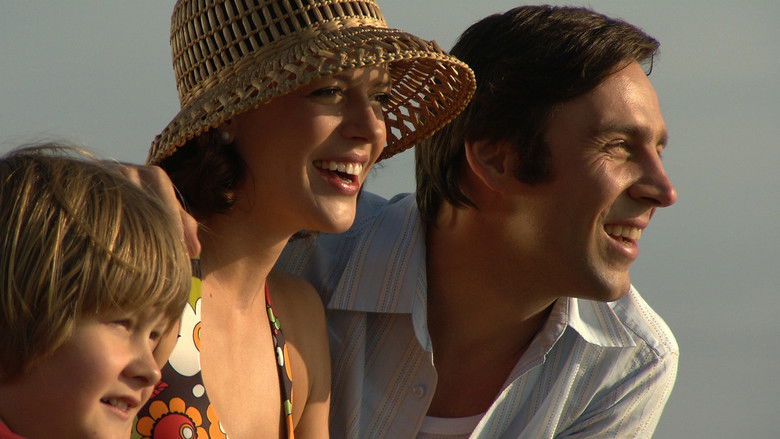
Vyprávěj
Set in Czechoslovakia, the drama follows the lives of its characters against the backdrop of real historical events that shape their personal stories. To evoke period atmosphere, the series intersperses authentic clips from vintage Czechoslovak film newsreels, using their original commentaries or newly recorded historical voice-overs by Vladimír Fišer. A narrator, initially voiced by Vojtěch Kotek and later by Matěj Hádek, provides continuity and reflection, guiding viewers through changing times. Under the guidance of screenwriter Rudolf Merkner, each episode’s script weaves family and individual dramas into key moments of Czech and Slovak history: political shifts, cultural trends, and social transformations from the 1960s onward.
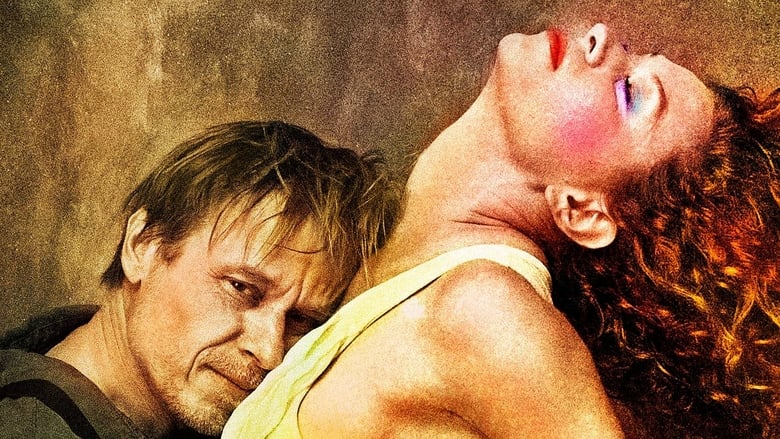
Photographer
The story is freely inspired by the life and work of Jan Saudek, who is probably the most well-known Czech photographer internationally and has indisputably been involved in the development of international photography. He has exhibited and sold his work in the largest galleries and art houses, he has earned international recognition and awards, he enjoys great popularity and interest - he is a true phenomenon.
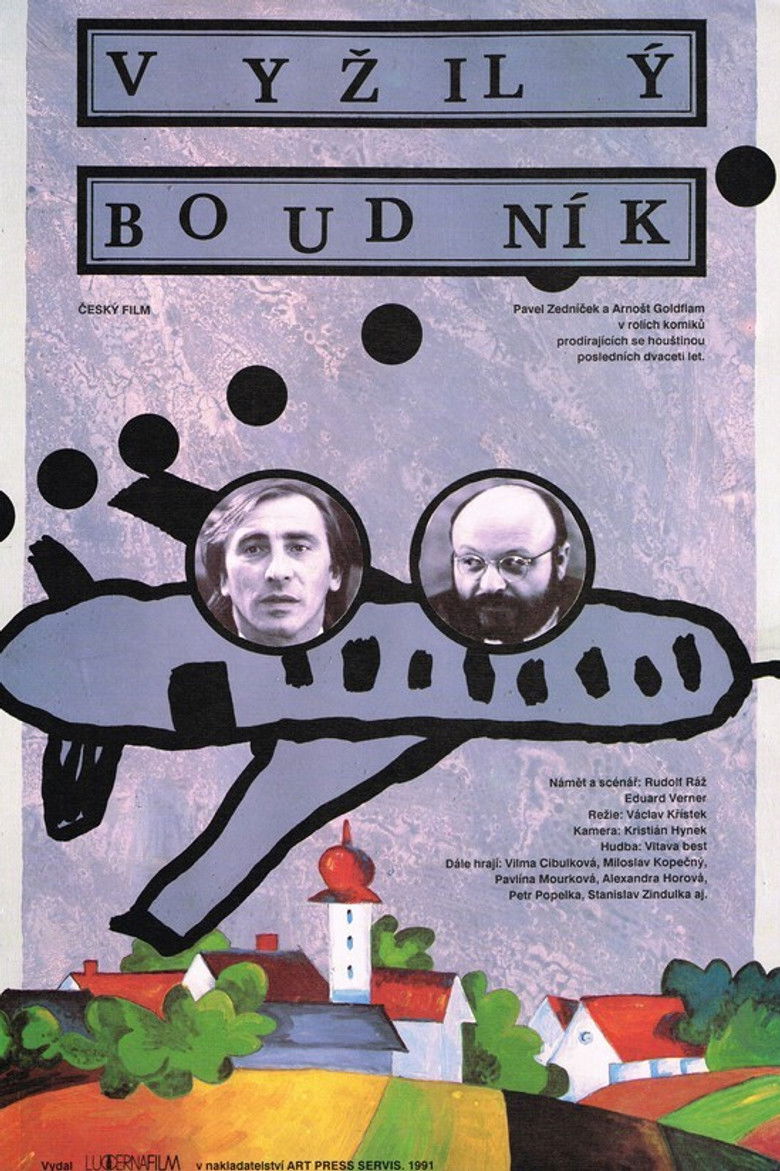
Vyžilý Boudník
Two inseparable friends, Vyžilý and Boudník, a village self-made talent and a not-so-successful professional theatre actor, want to make a living as entertainers. But they are running up against both the ceiling of their abilities and the disfavour of the approval authorities. The normalization era of the 70s and 80s does not favour anything distinctive and both heroes repeatedly experience setbacks. Although the story of a lost generation was planned at the end of the former regime, it was not released until 1990.
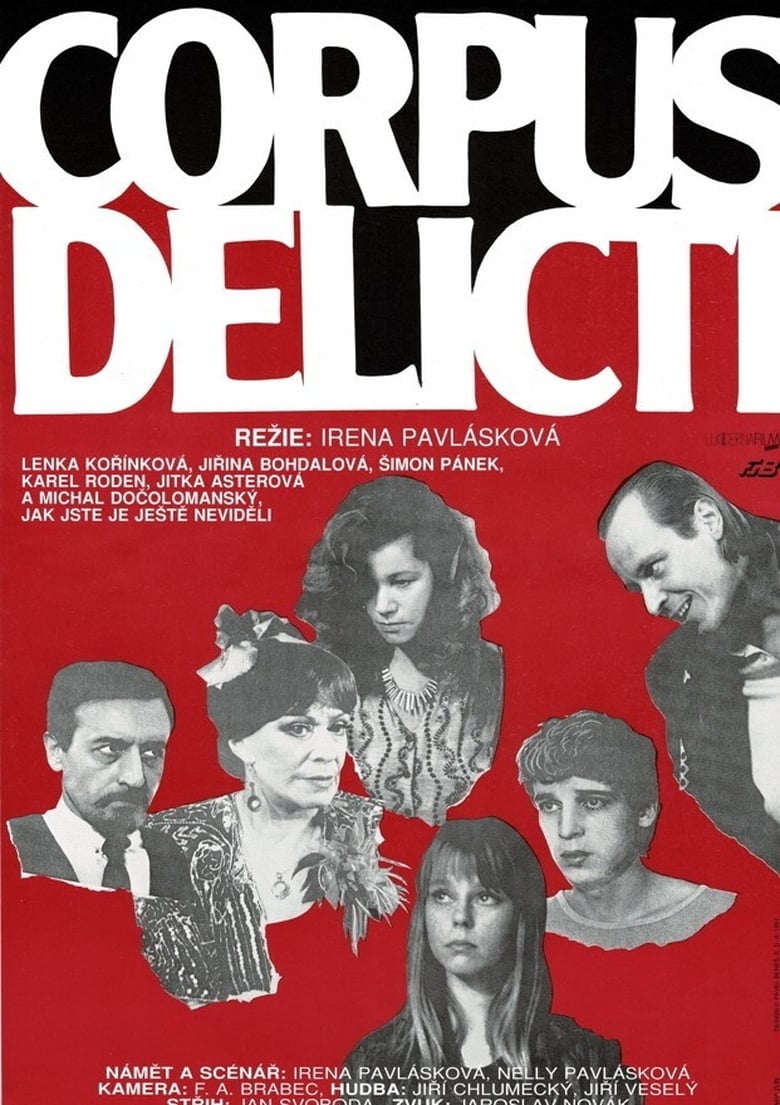
Corpus delicti
The subject of this film, which takes an analytical look at the life of all of us with an analytical eye, is the evil microbe that has slowly infiltrated the organism of the Czech nation. Through the intertwining fates of three couples, it evokes domestic life before November 1989, burdened by a suffocating atmosphere of unfreedom, and after November, when relatively nothing has changed because people have not changed. The bleak conclusion suggests that the plague epidemic is still ongoing.