

Jean-Claude Biette
Directing
Biography
Jean-Claude Biette (6 November 1942 – 10 June 2003) was a French filmmaker.
Born: November 6, 1942
Place of Birth: Paris, France
Known For

The Mother and the Whore
Aimless young Alexandre juggles his relationships with his girlfriend, Marie, and a casual lover named Veronika. Marie becomes increasingly jealous of Alexandre's fling with Veronika and as the trio continues their unsustainable affair, the emotional stakes get higher, leading to conflict and unhappiness.

A Tale of Winter
Felicie and Charles have a whirlwind holiday romance. Due to a mix-up on addresses they lose contact, and five years later at Christmas-time Felicie is living with her mother in a cold Paris with a daughter as a reminder of that long-ago summer. For male companionship she oscillates between hairdresser Maxence and the intellectual Loic, but seems unable to commit to either as the memory of Charles and what might have been hangs over everything.

Son nom de Venise dans Calcutta désert
The full soundtrack to Marguerite Duras' 1975 film India Song, about a French ambassador's wife in 1930s India, is here repurposed with all new cinematography. As we hear all the dialogue of a bygone movie, we travel visually through images of absence and decay, bereft of life. It's the ghost of a film, and a further commentary on colonialism.
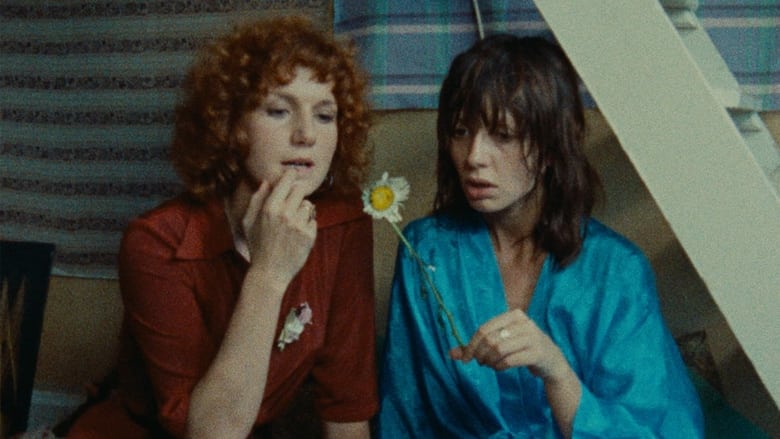
Céline and Julie Go Boating
Julie, a daydreaming librarian, meets Céline, an enigmatic magician, and together they become the heroines of a time-warping adventure involving a haunted house, psychotropic candy, and a murder-mystery melodrama.
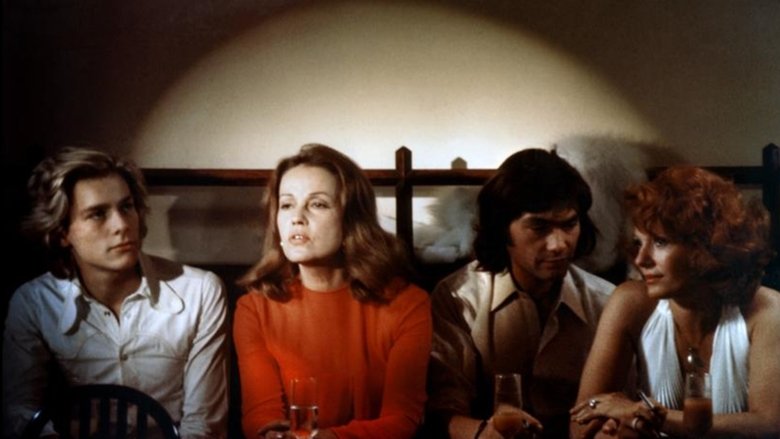
The Garden That Tilts
Karl, a young killer is to kill Kate, an adventurous lady living in a mansion by a lake. He approaches her but fails to kill her. Instead, he falls in love and becomes her lover ...
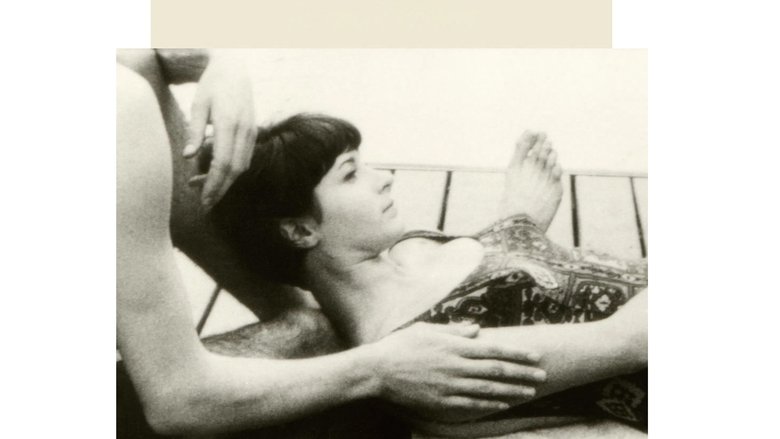
Suzanne’s Career
In the second of Rohmer's moral tales, he examines the relationship between two friends and a girl who at first appears easily exploited. It is a complex tale of feelings and misconceptions, acted out within the head of the main character, as part of Rohmer's attempt to more easily simulate the mindscape quality of literature within a film.
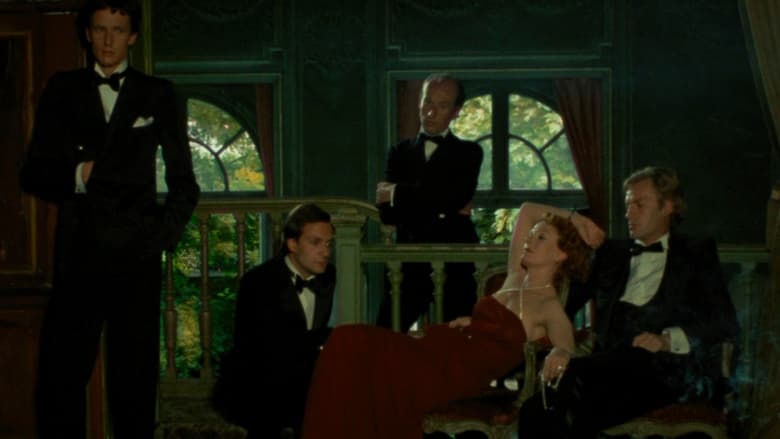
India Song
Anne-Marie Stretter, the wife of a French diplomat in 1930s India, takes many lovers to relieve the boredom in her life.

The Adolescent
Pierre Léon ingeniously condenses and updates Dostoevsky’s novel about a 19-year-old intellectual reconnecting with his estranged family in his impressive debut feature.
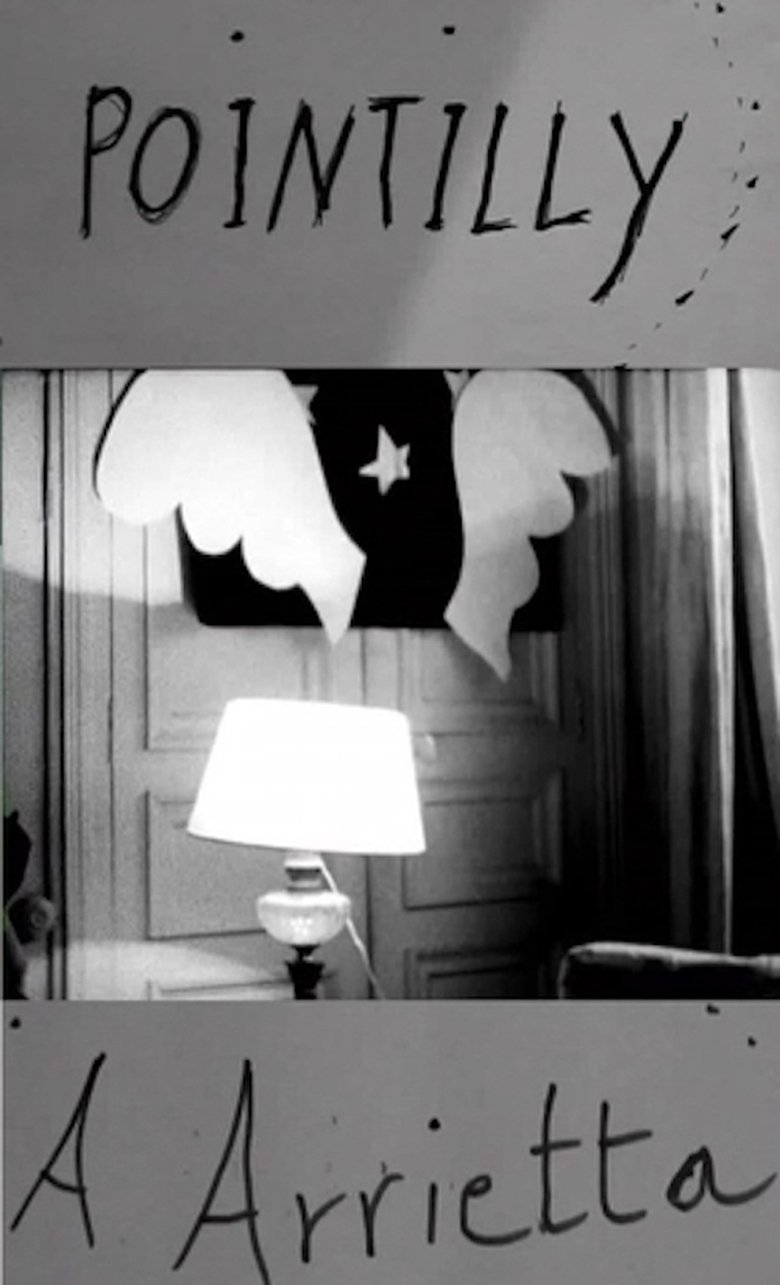
Le Château de Pointilly
A young woman escapes her father's house and goes to live in the city. There, she realises her father may still be controlling her life through the people she meets.
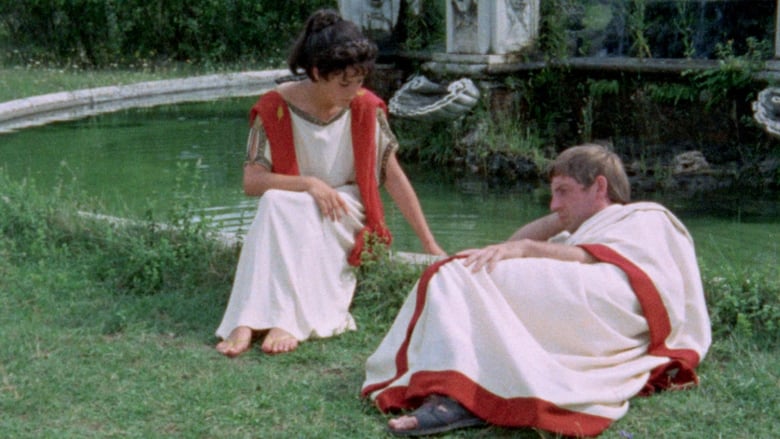
Othon
Straub-Huillet’s first color film, adapts a lesser-known Corneille tragedy from 1664, which in turn was based on an episode of imperial court intrigue chronicled in Tacitus’s Histories. The costuming is classical, and the toga-clad, nonprofessional cast performs the drama’s original French text amid the ruins of Rome’s Palatine Hill while the noise of contemporary urban life hums in the background. Their lines are executed with a terrific flatness and frequently through heavy accents; the language in Othon becomes not merely an expression but a thing itself, an element whose plainness here alerts us to qualities of the work that might otherwise be subordinated.
Filmography
as Vania
as Nicolas
as Nicolas
as Ivan Petrovitch Verkhovenski (oncle Vania)
as Quentin
as Voix de la Réception (voice)
as Spectateur au cabaret (uncredited)
as Café Les Deux Magots' Customer (uncredited)
as Martianus
as Jean-Louis (uncredited)