
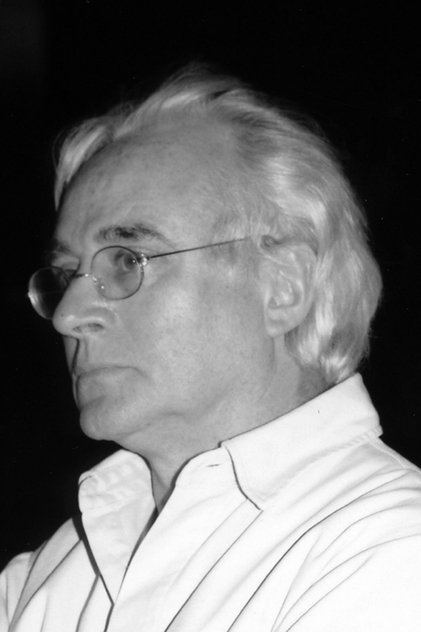
Jean-Claude Rousseau
Directing
Biography
Jean-Claude Rousseau is one of the most unconventional lone fighters in French cinema. His predominantly short films deal with no less than cinema per se: space, time and movement. As abstract as each of these concepts might seem taken alone, Rousseau assigns their ultimate designation as an integral whole: A person (or no-one, for that matter) moves (or does not move) within a room (or looks into another room) for a certain amount of time.
Born: January 1, 1946
Place of Birth: Paris
Known For
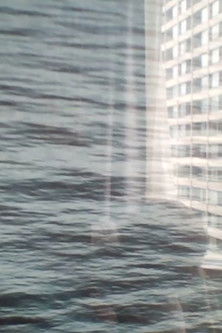
Remembering Wavelengths
Jean-Claude Rousseau homage to Michael Snow’s film Wavelength.
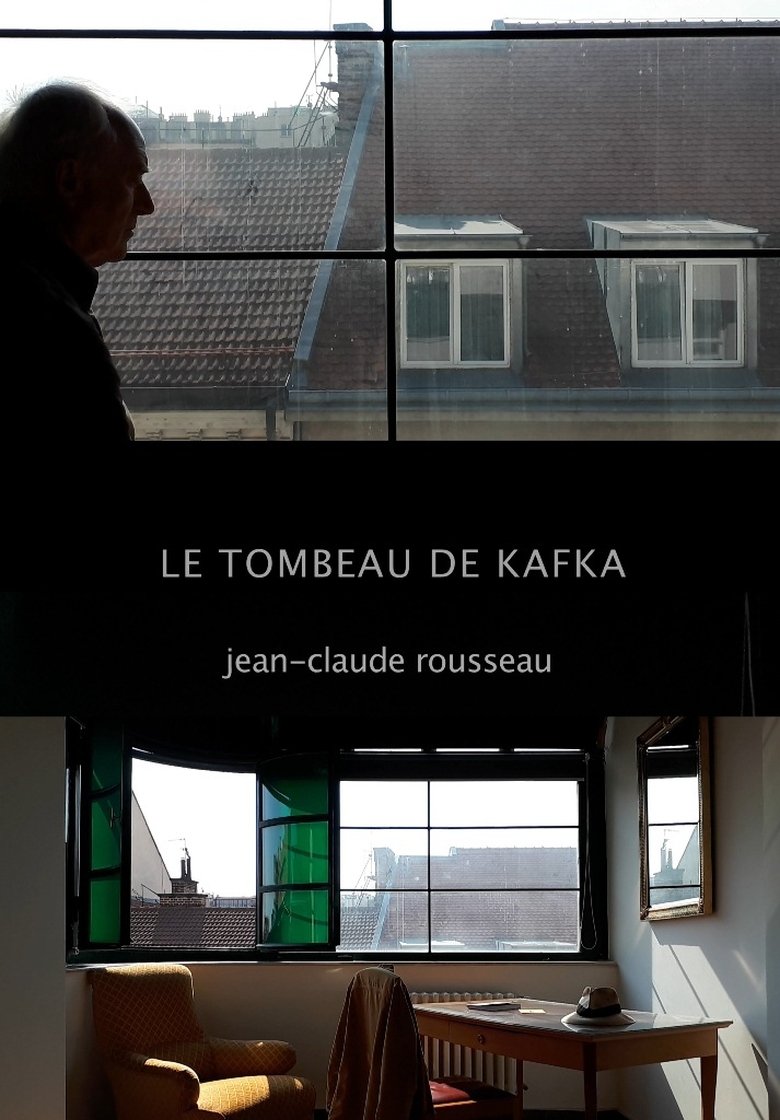
The Tomb of Kafka
“You do not need to leave your room. Remain sitting at your table and listen. Do not even listen, simply wait. Do not even wait, be quiet still and solitary. The world will freely offer itself to you to be unmasked, it has no choice, it will roll in ecstasy at your feet” Franz Kafka

Jeune femme à sa fenêtre lisant une lettre
Jean-Claude Rousseau's Jeune femme à sa fenêtre lisant une lettre is not only his first medium-length film, but a chance to discover this filmmaker whom Jean-Marie Straub has called, along with Frans Van de Staak and Peter Nestler, the greatest working in Europe. With this newly restored print there is also a possibility to discover the relationship between Rousseau's art of filming and Jan Vermeer's famous painting. As Prosper Hillairet wrote in 1988, four years after Rousseau had finished Jeune femme ... (for the first time as we know today): «Without adopting the usual systematic spirit and form of cinéma structurel, Rousseau presents us with simple images and leaves it at that. Keeps the image in hand. A minimalist and ascetic expression of cinema: a shot that lasts.»
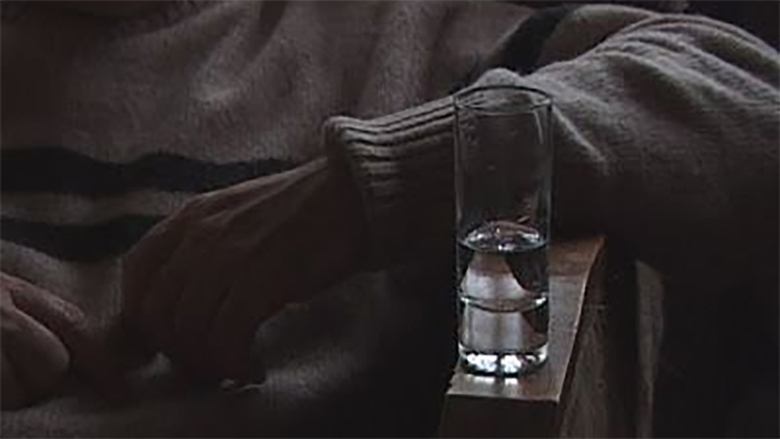
De son Appartement
The continuing demand for high standards is what sets Rouseau's work apart. What makes this film distinctive is the way Rousseau explicitly returns to the source of his creative inspiration. So here he is at home reciting «Bérénice» to himself, whilst going about his household chores. It verges on the comical: There are repeated shots of him obstinately trying to turn off a dripping tap, or the jubilant close up of bare feet carried away in performing a dance step or two. Combining art with life in such a way, that nothing is compartmentalised, nothing lost - that is the goal.
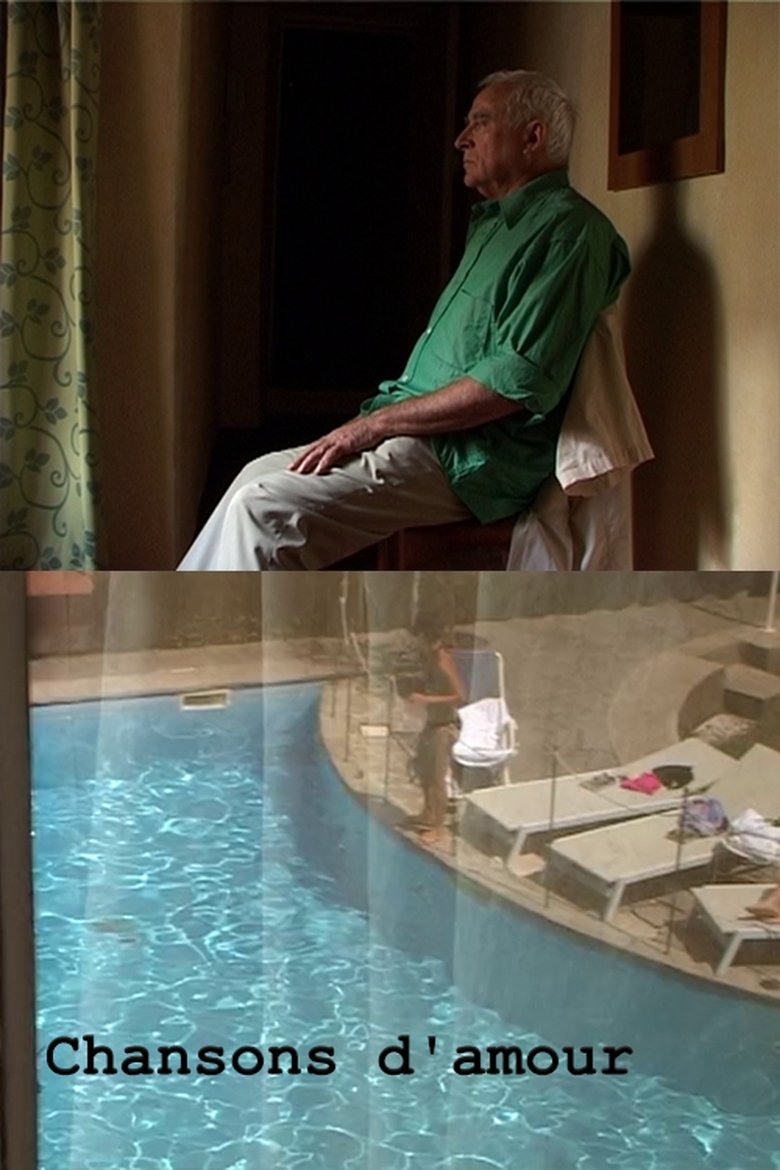
Chansons d'amour
A man spends his time sitting by a window that overlooks a pool.
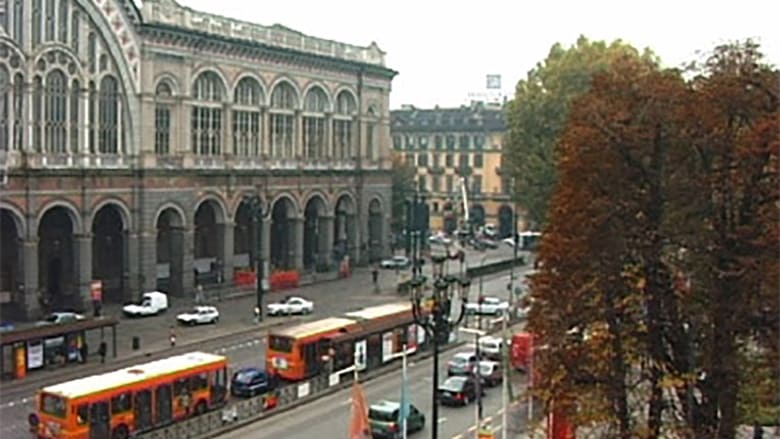
Lettre à Roberto
Rooms must be vacated before noon on the day of departure. An extra night will be charged for all late departures." Jean-Claude Rousseau has used this banal, well-known notice as a synopsis for his film. Taken out of context, thereby rendering it mysterious, it is an ideal introduction to this letter, which consists of two shots – the front and behind of a window in a hotel in Turin – and an insert. Here, Rousseau continues to explore "basic film techniques" but in this case, he abandons super eight to film in DV, a new technique and a new quest for harmony between visuals and sounds. Jean-Pierre Rehm.
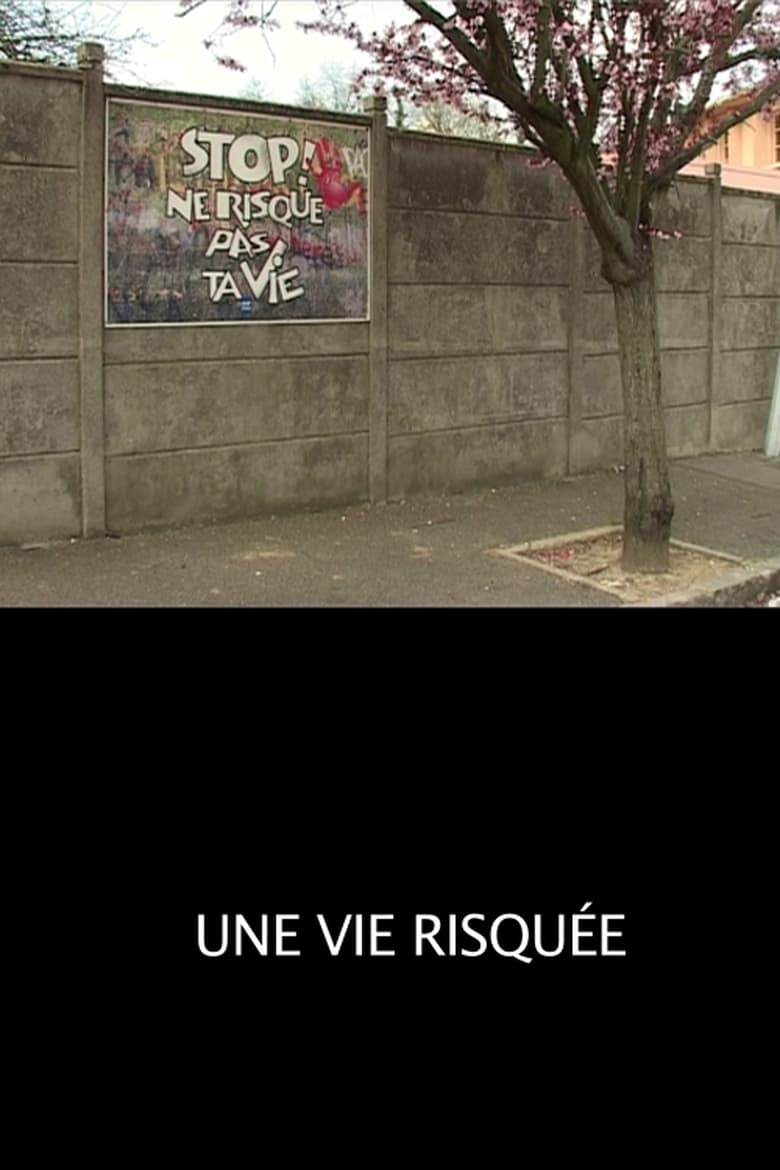
Une Vie Risquée
Short film commissioned by the Cinemathèque Suisse to celebrate Jean-Marie Straub’s 85th birthday.
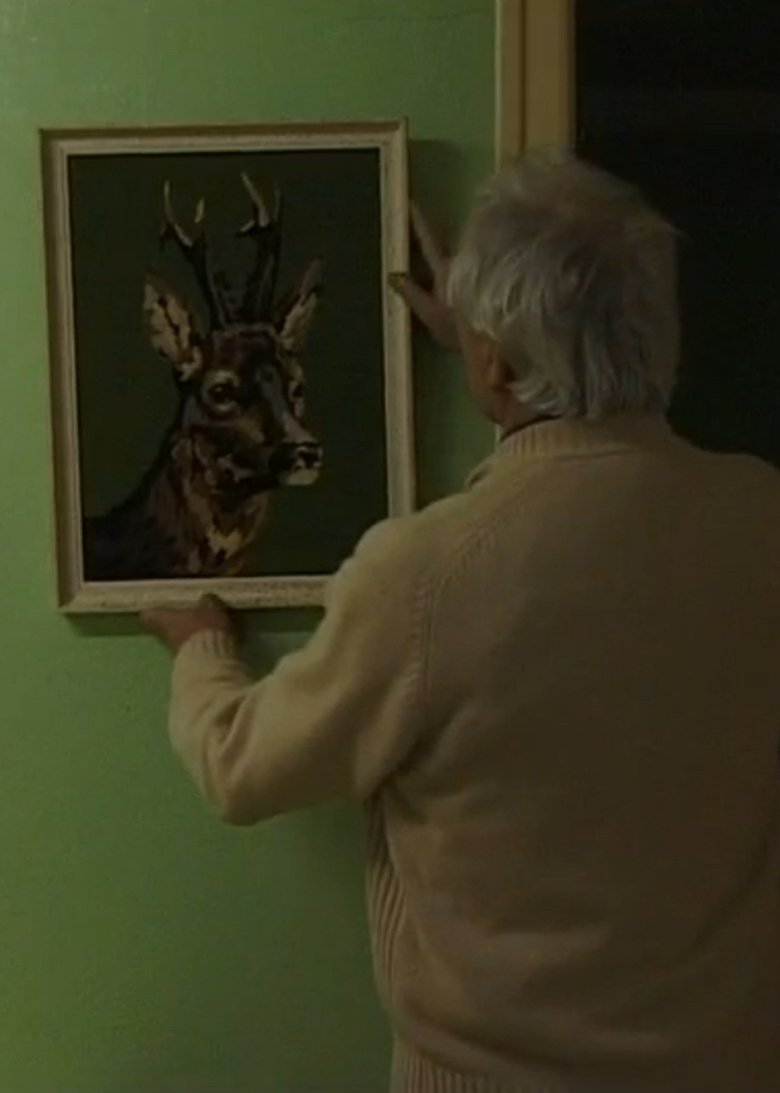
L'Appel de la forêt
L'Appel de la forêt follows the call of nature, but, as it is always the case with Jean-Claude Rousseau, in the form of an image. At first glance we see a green wall and a door-frame next to it. After a second glance the disturbing aspect of the scene crystallizes: A small, differently colored rectangle draws attention to the fact that a picture has been removed from the left-hand side of the wall, while such a picture can still be seen at the right-hand side of the wall. Then a man (Rousseau himself) enters the scene and puts the painting back into its original spot: It shows a roebuck. What follows is a carousel ride of unusual and amusing images.
Filmography
as Himself
as Himself
as Himself
as Himself