
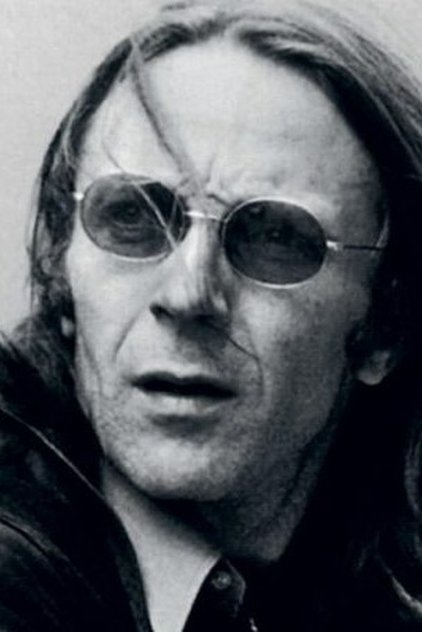
Jean Eustache
Directing
Biography
Jean Eustache was born on November 30, 1938 in Pessac, Gironde, France. He was a director and editor, known for The Mother and the Whore (1973), Mes Petites Amoureuses (1974) and Les photos d'Alix (1980). He died on November 3, 1981 in Paris, France.
Born: November 30, 1938
Place of Birth: Pessac, Gironde, France
Known For
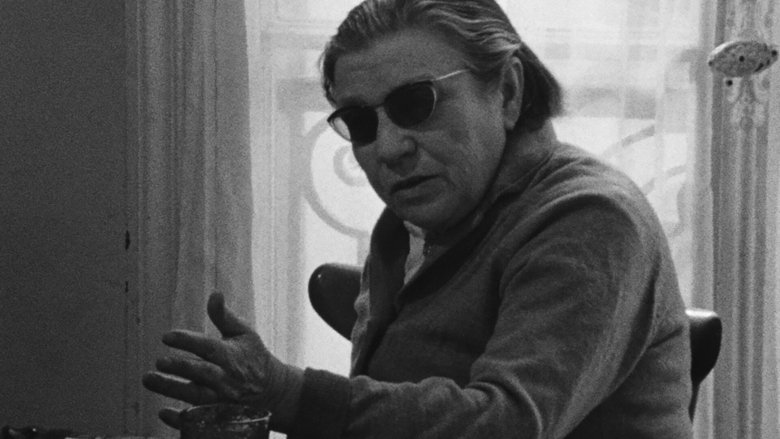
Numéro zéro
A family portrait in which the director profiles his grandmother, Odette Robert. Eustache includes in the film the conditions of its production — he is seated at the table with her, pours her some whiskey, speaks with the camera operator, manipulates the clapboard at the head and tail of the reels, and even takes a phone call. Robert, who was seventy-one, speaks rapidly and tells the story of her life, starting from her early childhood in villages in the Bordeaux region of France. A shorter version of the film ("Odette Robert") was edited in 1980 to be broadcast on television on TF1. The complete film only gained exposure in 2002, when it was salvaged by Boris Eustache, Thierry Lounas, João Bénard da Costa, Jean-Marie Straub, and Pedro Costa.
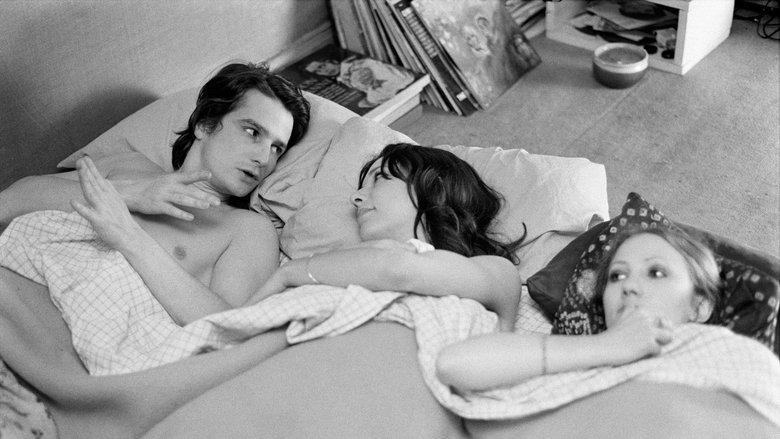
The Mother and the Whore
Aimless young Alexandre juggles his relationships with his girlfriend, Marie, and a casual lover named Veronika. Marie becomes increasingly jealous of Alexandre's fling with Veronika and as the trio continues their unsustainable affair, the emotional stakes get higher, leading to conflict and unhappiness.
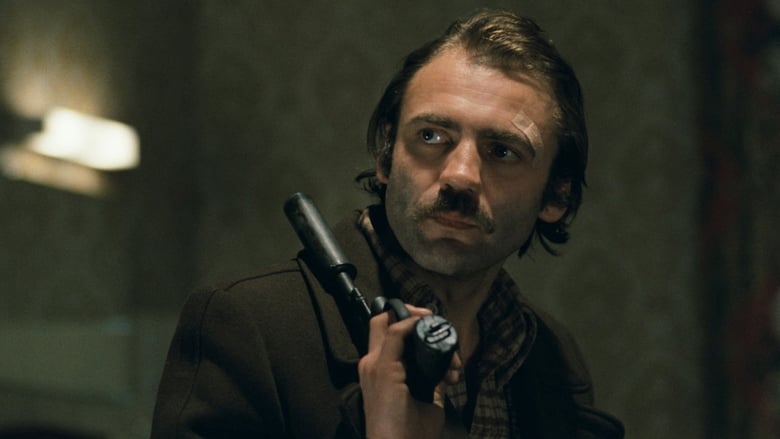
The American Friend
Tom Ripley, an American who deals in forged art, is slighted at an auction in Hamburg by picture framer Jonathan Zimmerman. When Ripley is asked by gangster Raoul Minot to kill a rival, he suggests Zimmerman, and the two, exploiting Zimmerman's terminal illness, coerce him into being a hitman.
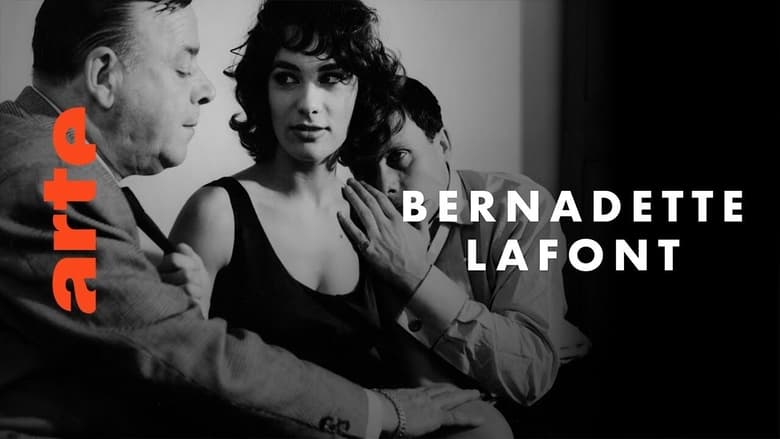
Bernadette Lafont: And God Created the Free Woman
A journey in the company of Bernadette Lafont, French Cinema’s most atypical actress. Tracing her career from pin-up girl, to New Wave model of sexual freedom, to drug-dealing granny in the film Paulette, by way of La Fiancée du Pirate and Les Stances à Sophie, this film pays tribute to her extraordinary life and artistic odyssey. Her grand-daughters, Anna, Juliette and Solène, revisit the dreams of Bernadette, in the family home in the Cevennes region where they, like her, grew up. Her close friends, Bulle Ogier and Jean-Pierre Kalfon, reminisce on their artistic and human complicity. Throughout the film, Bernadette Lafont in person, with her inimitable character actress voice, re-evokes a life in cinema marked with insolence, courage and freedom.
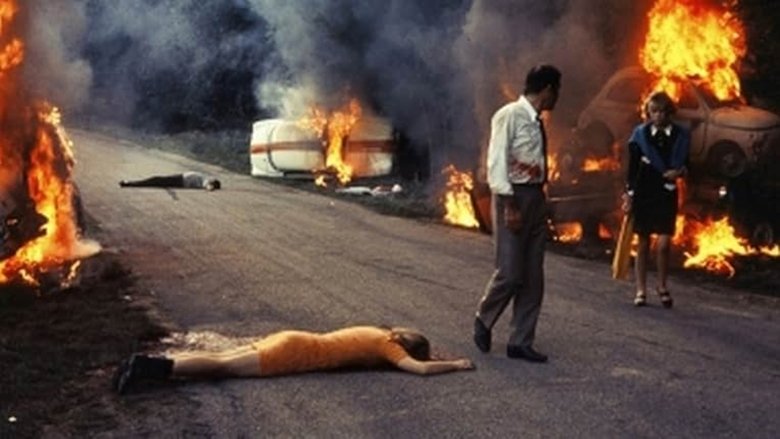
Weekend
A supposedly idyllic weekend trip to the countryside turns into a never-ending nightmare of traffic jams, revolution, cannibalism and murder as French bourgeois society starts to collapse under the weight of its own consumer preoccupations.
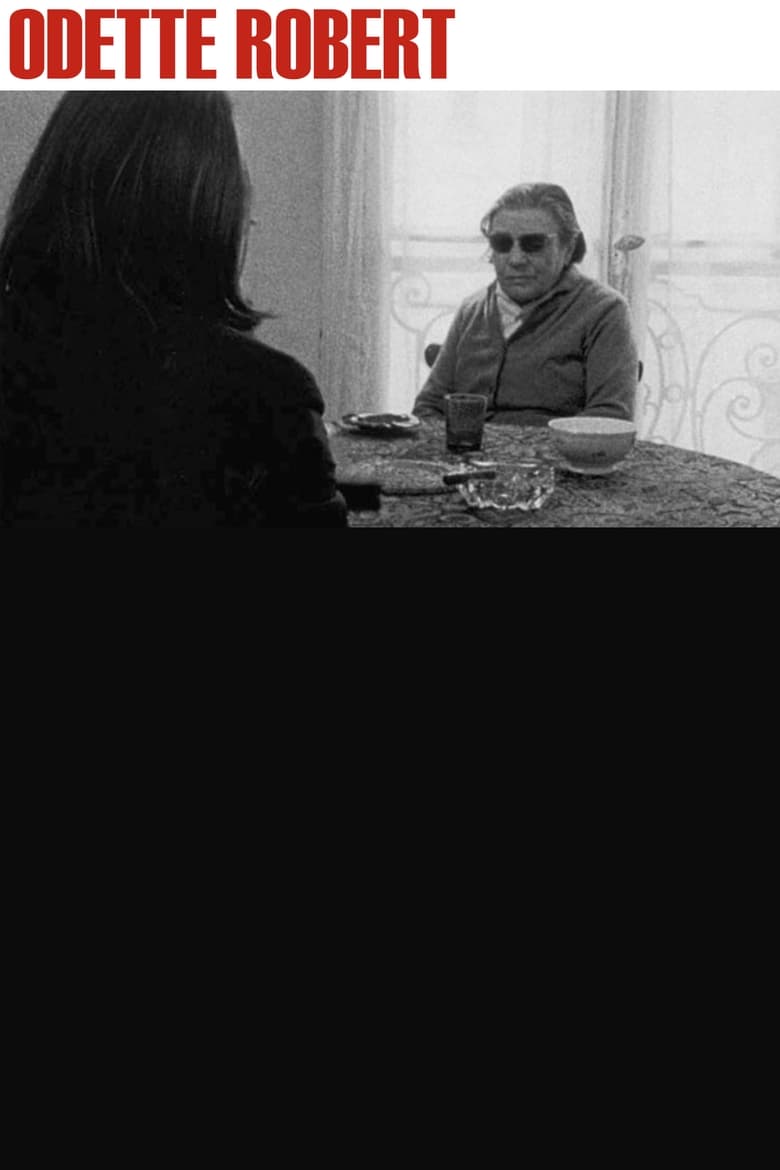
Odette Robert
Eustache’s grandmother Odette Robert was a key figure in his life, serving as a substitute mother during much of his childhood (My Little Loves was dedicated to her). In 1971, he recorded an interview with her that went largely unseen until 2003—Eustache never screened the complete film publicly, although a radically truncated version was presented on television. In a string of long, stationary takes, the camera watches over Eustache’s shoulder while he pours countless glasses of whiskey and Odette tells the stories of her life. A number of her themes resonate with those of Eustache’s films: cruelty, male philandering, the Rosière festival of Pessac. Number Zero is a return to origins—of cinema and of the self—and an experiment in narration, both restrained and deeply personal.
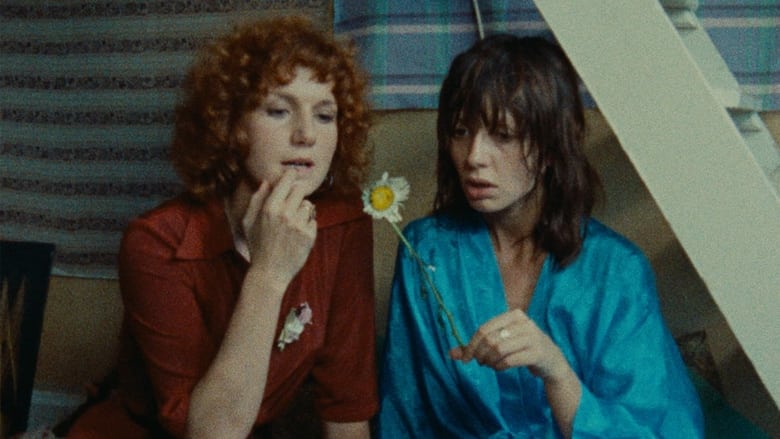
Céline and Julie Go Boating
Julie, a daydreaming librarian, meets Céline, an enigmatic magician, and together they become the heroines of a time-warping adventure involving a haunted house, psychotropic candy, and a murder-mystery melodrama.
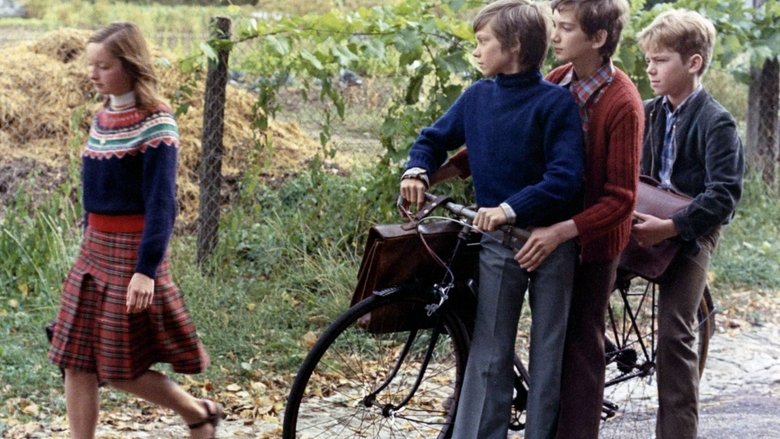
My Little Loves
Daniel lives with his grandmother and, after a year of high school, goes to live with his mother in the south of France; a harsher environment which rapidly changes his perception of friends, work, and women.

A Dirty Story
A group of friends listen as one man tells them a story about a time when, in a small cafe, he discovered a peephole into the ladies' bathroom and became addicted to looking through it at female genitals. They ask him questions and come to conclusions about sex. This is a filmed, scripted version. Then, the actual person who this happened to relates the same story; this time, however, it is an unscripted documentary, in which the same things occur as in the scripted one.
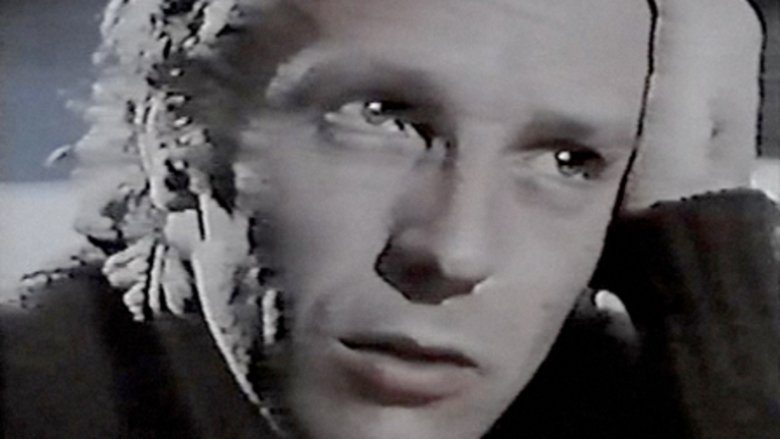
The Ministries of Art
Philippe Garrel’s documentary on France’s second wave of masterful filmmakers. Featuring Jean Eustache, Chantal Akerman, André Téchiné, Leos Carax, Jacques Doillon and Benoit Jacquot.
Filmography
as Archive footage (voice)
as Self (archival footage)
as Self (archive footage)
as A listener (uncredited)
as Friendly Man
as Man on bench (uncredited)
as Spectateur au cabaret/lecteur a la bibliohèque (uncredited)
as Man in Sunglasses in Store (uncredited)
as Self
as Self
as L'Auto-Stoppeur (uncredited)