
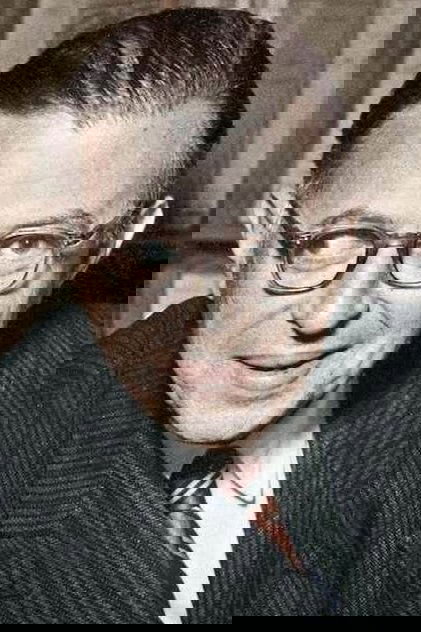
Jean-Paul Sartre
Writing
Biography
Jean-Paul Charles Aymard Sartre (21 June 1905 – 15 April 1980) was a French philosopher, playwright, novelist, screenwriter, political activist, biographer, and literary critic. From Wikipedia, the free encyclopedia
Born: June 21, 1905
Place of Birth: Paris, France
Known For

Paris '50 - Existence imagined
An essay film about Jean-Paul Sartre and the French Existentialists, featuring Roland Barthes' last interview.
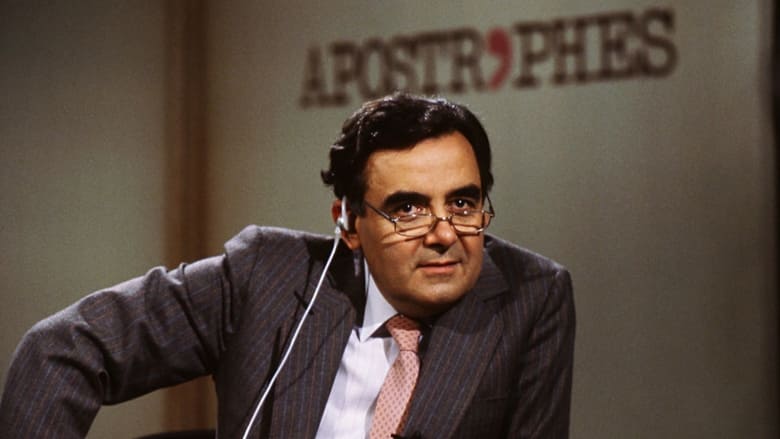
Apostrophes
Apostrophes was a live, weekly, literary, prime-time, talk show on French television created and hosted by Bernard Pivot. It ran for fifteen years (724 episodes) from January 10, 1975, to June 22, 1990, and was one of the most watched shows on French television (around 6 million regular viewers). It was broadcast on Friday nights on the channel France 2 (which was called "Antenne 2" from 1975 to 1992). The hourlong show was devoted to books, authors and literature. The format varied between one-on-one interviews with a single author and open discussions between four or five authors.
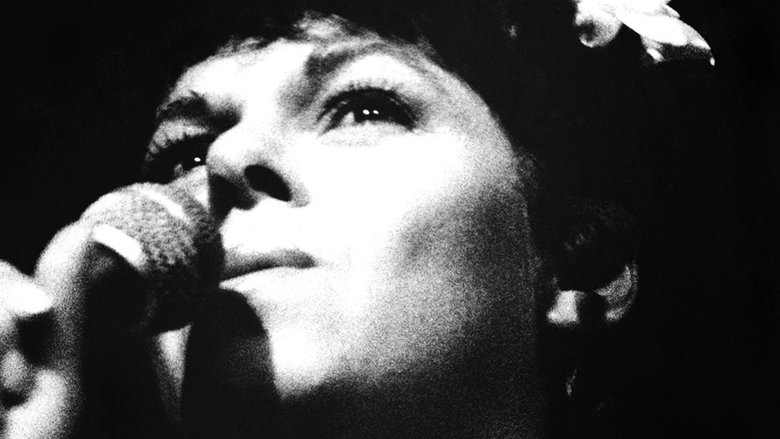
Miúcha, The Voice of Bossa Nova
Despite her position at the epicentre of the Brazilian bossa nova scene, singer Heloísa Maria Buarque de Hollanda, known as Miúcha, has been largely underappreciated. This documentary, which dives into her career and personal life through a rich collection of archives, aims to change that.
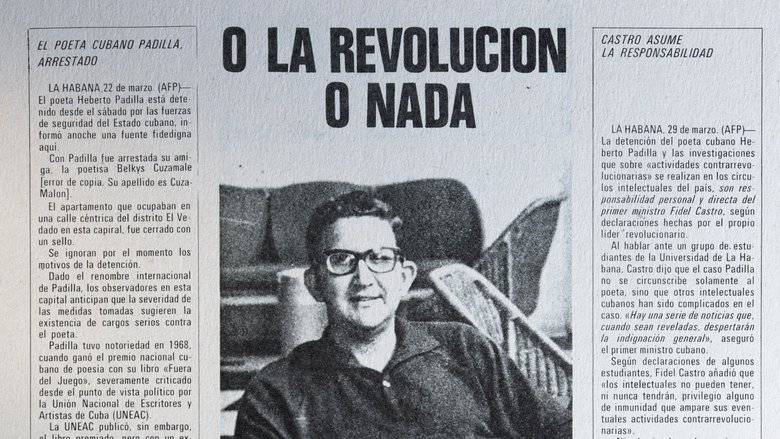
The Padilla Affair
Havana, spring 1971: The poet Heberto Padilla has just been set free and appears before the Cuban Writers' Union where he pronounces a statement of "heartfelt self-criticism", declares himself to be a counterrevolutionary agent and throws accusations of complicity at many of his colleagues present at the event, among them, his wife. A month previously, his arrest under the accusation of endangering the security of the Cuban state had mobilised prominent intellectuals all over the world, who wrote a letter to Fidel Castro calling for the release of the poet, whose only sin had been to dissent through his poetic work. The writer's mea culpa, the recording of which is shown for the first time to the public, marks the narrative line of a story including the testimonies of Gabriel García Márquez, Julio Cortázar, Mario Vargas Llosa, Jean-Paul Sartre, Jorge Edwards and Fidel Castro.
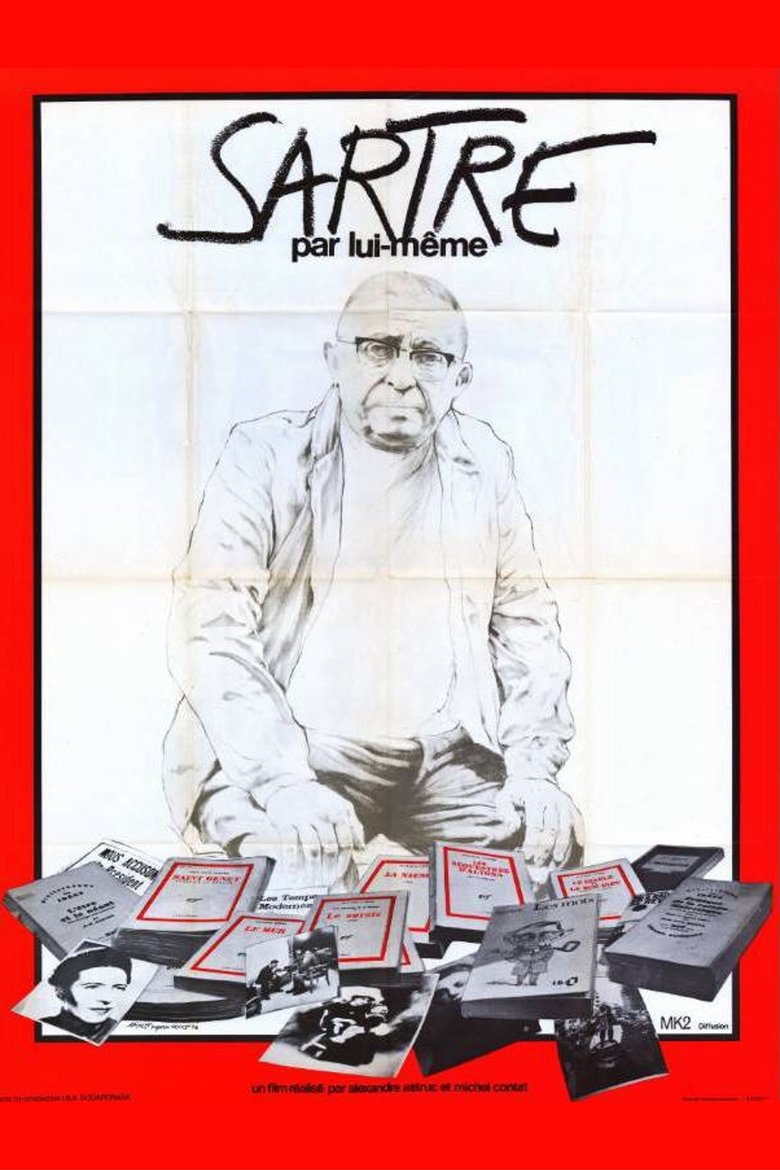
Sartre by Himself
Michel Contat is Emeritus Director of Research at the CNRS, ITEM/CNRS/ENS and a specialist of Jean-Paul Sartre whose novels and theater he has edited in the Pléiade edition and about whom he has written several books. With Alexander Astruc, he made the film Sartre par lui-même (1976) and, with Antoine Burnier, co-wrote the script of Claude Garretta’s TV film Sartre, L’Age des passions (2006). As a journalist, Contat contributed literary columns for Le Monde since 1978, and as an amateur musician, he was the jazz columnist for the magazine Télérama. His most recent books are Pour Sartre (2006) and André Gorz; vers la société libérée (2009).
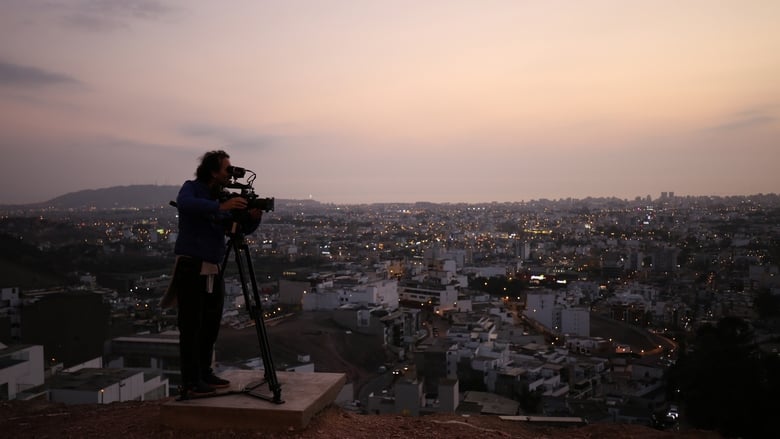
Mario y los perros
An account of the childhood and youth of the Peruvian writer Mario Vargas Llosa, Nobel Prize for Literature in 2010, and how the hard experiences he lived during these formative years led him to write and publish his first major work when he was only 26 years old.
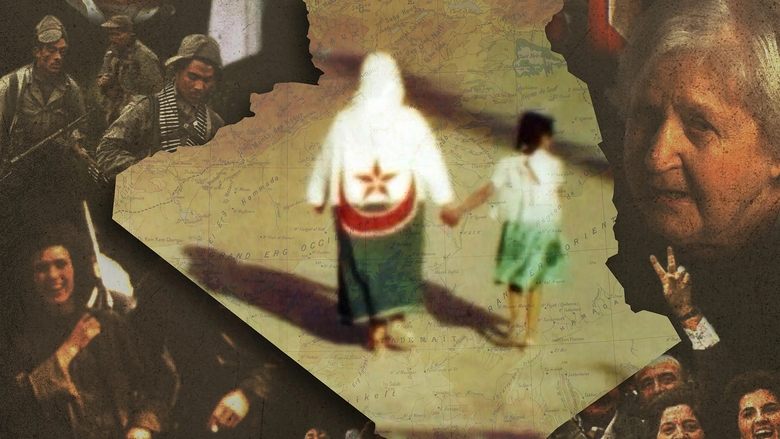
At War for Algeria
North Africa, 1954. The Algerian war of independence begins, a traumatic and extremely violent catastrophe that for eight long years will shake and finally overthrow the foundations of the colonial regime established by France in 1830.

The Century of Icons
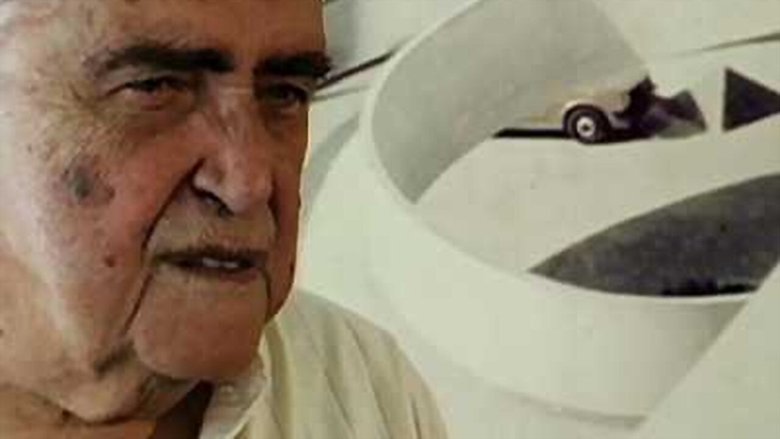
Oscar Niemeyer: Life is a Breath of Air
A documentary made to coincide with Niemeyer's 100th birthday. The renowned architect talks about his long life, his inspirations, and his aspirations towards a just Brazil, and the ways he tried to help that along in his spectacular and beautiful buildings.
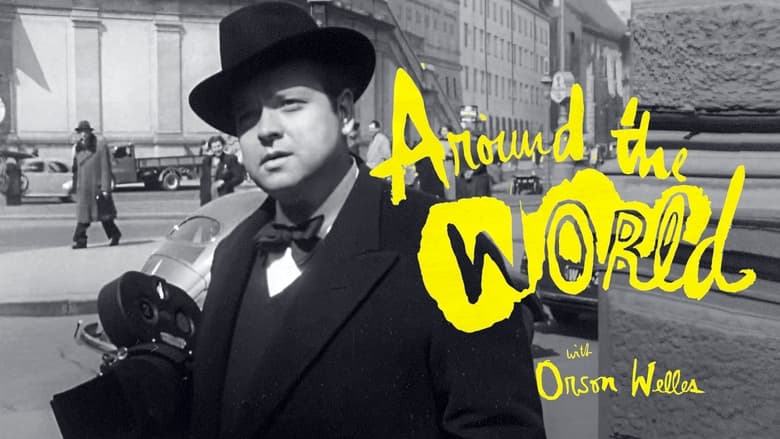
Around the World with Orson Welles
A six-part British television travel series written, directed, and presented by Orson Welles for ITV in 1955. Filmed entirely in Europe, the series follows Welles through Vienna, the Basque Country, Madrid, Paris’s Saint-Germain-des-Prés, and London’s Chelsea Pensioners, blending travelogue, cultural portraiture, and personal essay. Moving between documentary observation and reflective commentary, the episodes combine interviews, local history, and Welles’s distinctive narration into a series that functions as both travel film and cinematic essay.
Filmography
as Self (archive footage)
as Self (archive footage)
as Self - Philosopher (archive footage)
as Self - Writer (archivo footage)
as Self (archive footage)
as Self (archive footage)
as Self (archive footage)
as Self (archive footage)
as Himself
as Self
as Self (archive footage)
as Self — Author
as Self (scenes deleted)
as Self
as Self
as Self (archive footage)
as Sartre
as Jean-Paul Sartre