
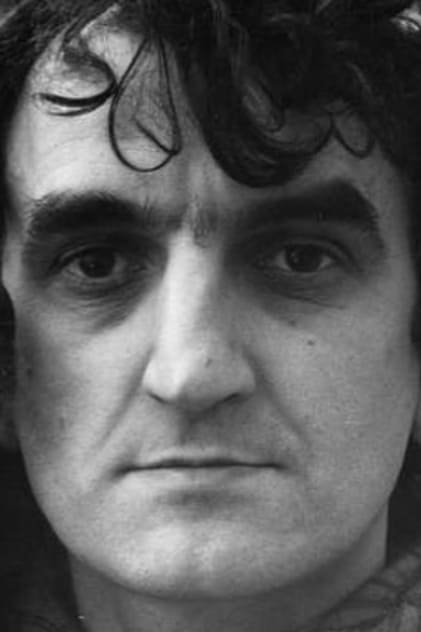
Jean-Pierre Beauviala
Acting
Biography
Jean-Pierre Beauviala is a French electronic-engineer, filmmaker, photographer, cinematographer, producer and actor.
Born: July 22, 1937
Place of Birth: Arles, France
Known For
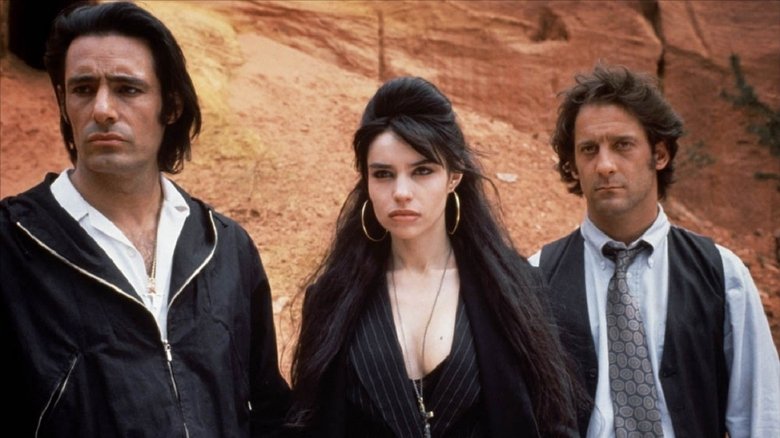
The Beautiful Story
A film with emphasis on visuals and music, the plot concerns characters who meet in present time, mainly the male gypsy Jesus, and the female thief and con-artist Odona, who share parallel experiences from lives 2000 years in the past. These stories are juxtaposed.

Favourites of the Moon
A porcelain table service and a painting from the 19th century pass from hand to hand and deteriorate over time, sealing the fate of different characters who cross paths in Paris.
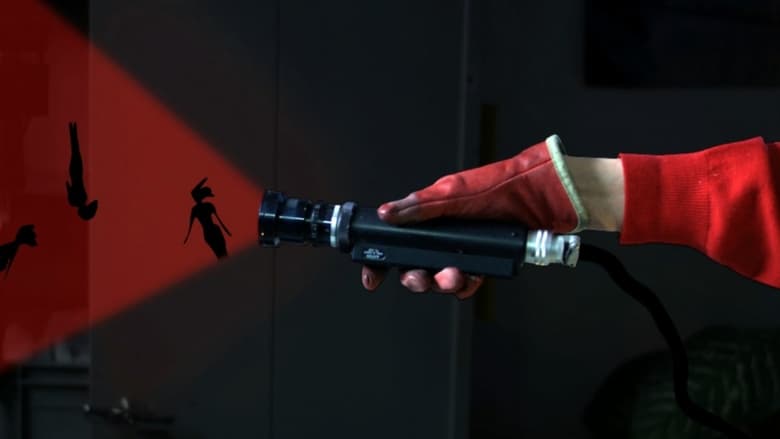
La rouge et la noire
Carrying on Luc Moullets unfinished screenplay about the theft of la pénélope, a camera created by Aaton and capable of recording equally well in 35 mm and digitally, LA ROUGE ET LA NOIRE is a film in kaleidoscope form. The portrait of Aatons founder, Jean-Pierre Beauviala creator, inter alia, of the time-code and the light cameras used by the New Wave (in particular the bush camera specially designed for Jean Rouch) is centered around the basic plot introduced by two women thieves who talk as voice-overs, and whose identities will only be revealed at the end.

Incognito
An almost blind writer moves to a hidden property in an Alpine village with a female friend, Renata. The two play sado-masochistic games including long recitals of elaborate texts. A neighbor, Serge, gets interested in the mysterious couple.
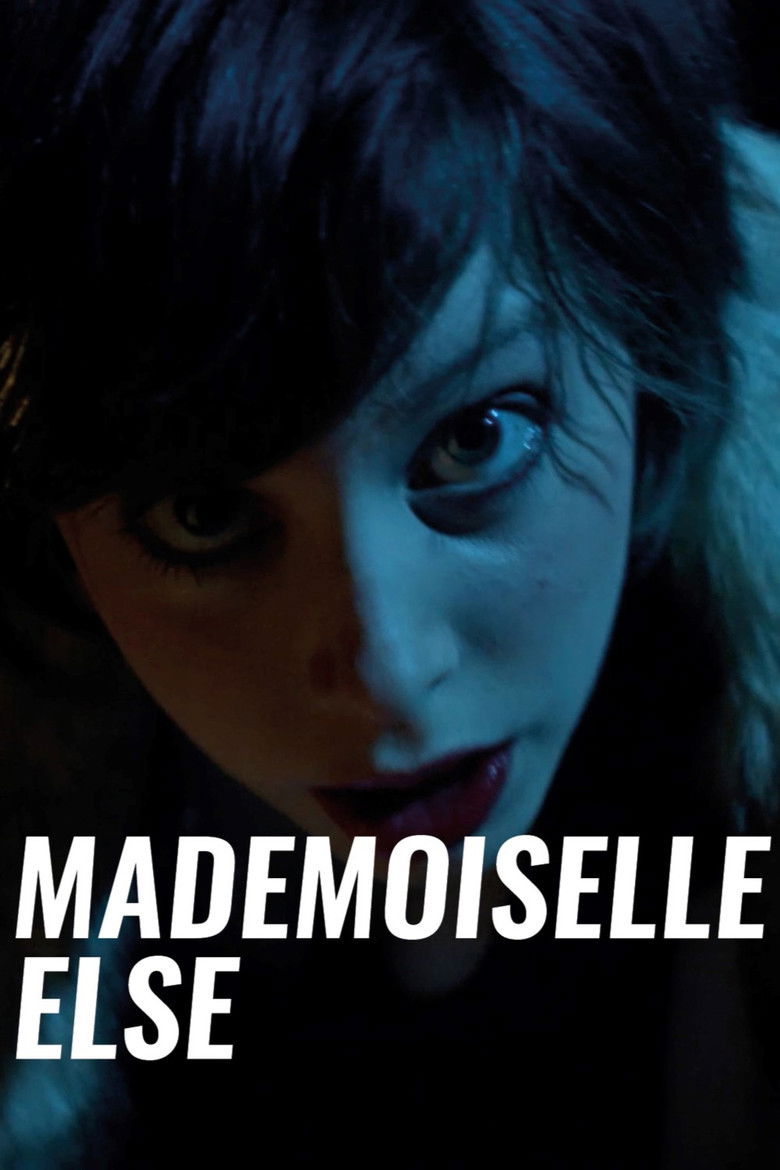
Mademoiselle Else
"Mademoiselle Else" is an adaptation in video of Fräulein Else, a novel by Arthur Schnitzler. It is the account in the first person of the last days of a young girl from a good family who, on holiday in the Alps, has to ask Dorsday, an old art agent and bon-vivant for money to help her father, a Viennese lawyer ridden with debts. Dorsday asks in exchange to be allowed to admire her nude. Scenes shot in the Alps break up the story to allow Else to literally distance herself from the rest of the film shot in the studio, a dark room that becomes the recipient of the various mental projections of the young girl. These two different environments enable us to understand the comings and goings in the Else who weighs herself up and Else who weighs up the situation. As it is indeed at Else's level, around sexual benchmarks, that Schnitzler develops his critique of liberalism.
Filmography
as Self
as Mr. Von Dorsday
as Hans
as Colas