

Jean-Pierre Elkabbach
Acting
Biography
Elkabbach was born to an Algerian Jewish family in Oran in 1937, then the prefecture of the département d'Oran in French Algeria. He began his journalistic career in 1960 as a radio correspondent in Algiers, but having taken part in the strikes of May 1968 he was sidelined and sent to Toulouse. Elkabbach would later spend time in Bonn, Germany before venturing into television news in 1970. From 1993 to 1996 he served as president of France 2 and France 3, from 1999-2009 he was president of the television station Public Sénat, and was at the helm of Europe 1 from 2005-2008. Elkabbach presents Bibliothèque Médicis on Public Sénat, during which he interviews an eclectic mix of international literati, political leaders, intellectuals and historians. He is the father of successful actress Emmanuelle Bach.
Born: September 29, 1937
Place of Birth: Oran, French Algeria
Known For
Télévision (histoires secrètes)
The behind-the-scenes story of French television… This documentary unveils the lesser-known history of two audiovisual decades that have shaped today's television. To explain from the break up of the French broadcasting service ORTF, in 1974, to the creation of Arte, via the birth of Canal+, the life and death of La Cinq and the privatization of TF1 — the succession of political, economic and cultural decisions that have shaped what is known as the “PAF” (French Audiovisual Landscape).
The Unexpected Getaway
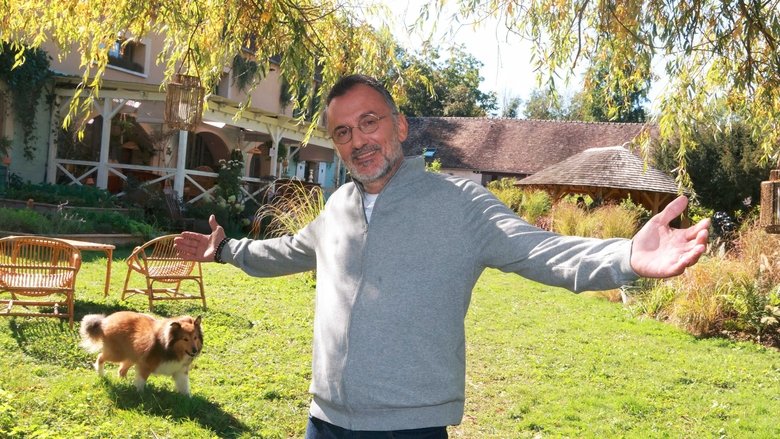
In each episode, 3 celebrities who have never met go on a 24-hour break in the countryside. A moment out of time to meet and talk about love, friendship, life with its obstacles and surprises.
Apostrophes
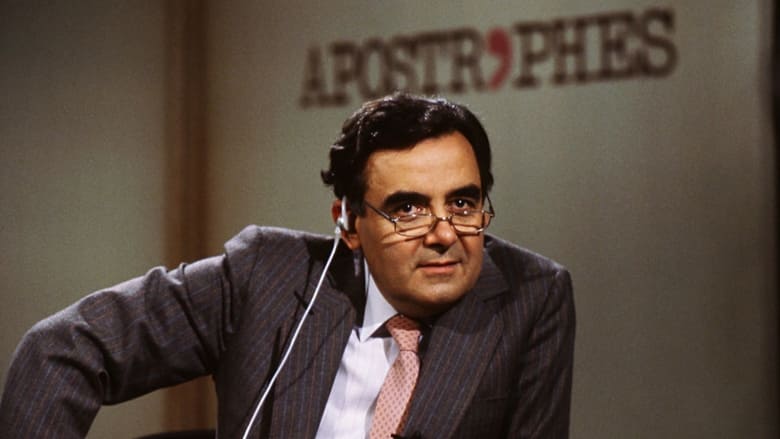
Apostrophes was a live, weekly, literary, prime-time, talk show on French television created and hosted by Bernard Pivot. It ran for fifteen years (724 episodes) from January 10, 1975, to June 22, 1990, and was one of the most watched shows on French television (around 6 million regular viewers). It was broadcast on Friday nights on the channel France 2 (which was called "Antenne 2" from 1975 to 1992). The hourlong show was devoted to books, authors and literature. The format varied between one-on-one interviews with a single author and open discussions between four or five authors.
Mitterrand et la télé
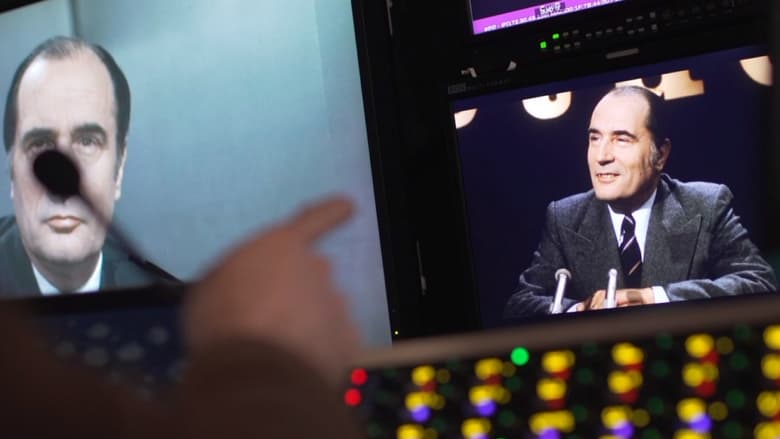
May 10th, 1981. François Mitterrand is elected President of the Republic. The “soviet tanks” supposedly coming upon the Champs-Élysées dressed in red, feared by some, did not march. Serge Moati takes a personal look at this episode, focusing on the relationship the president had with television, that he witnessed and played a role in.
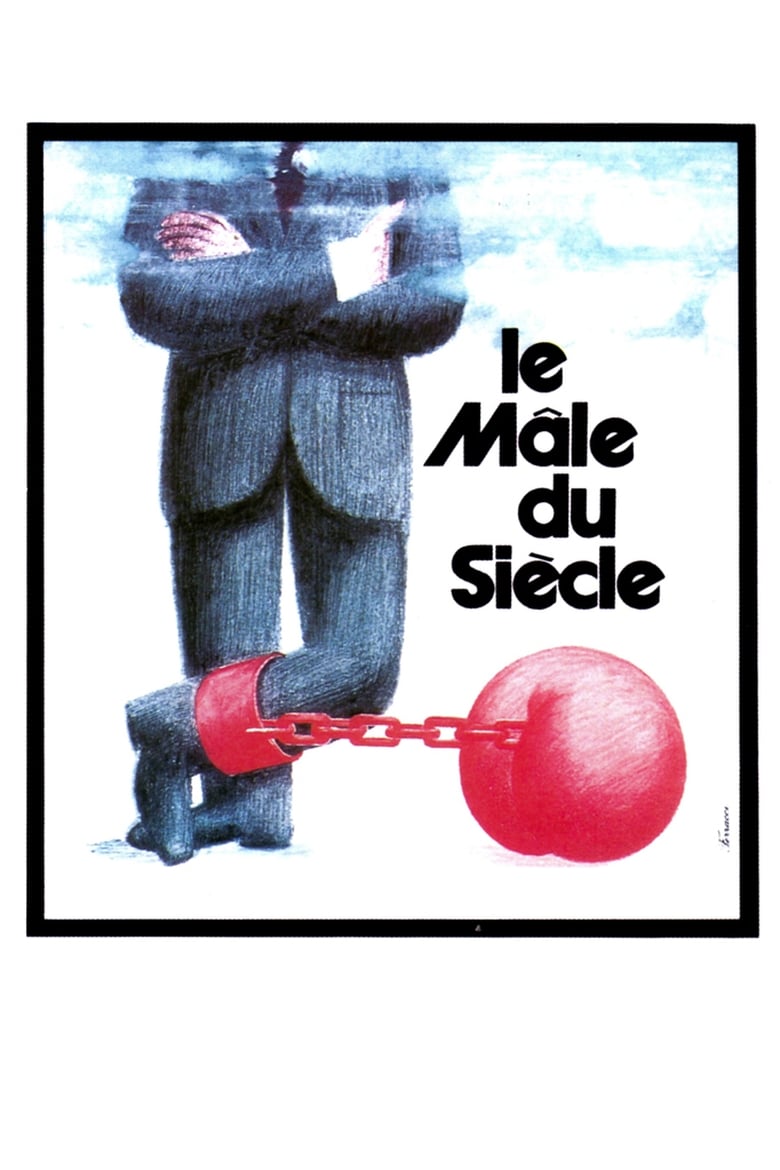
Male of the Century
The wife of an extremely jealous merchant is held hostage by a bank robber.

Jean-Luc Delarue, 10 ans déjà : de succès en excès
Dark suit, white shirt, earpiece and wooden plate ..., his style remains anchored in the collective memory. Favorite host́ of the French during the 2000s, ideal son-in-law successful producer, his rank of star and flayed́ alive have caused him to burn his wings and lose his feet. This documentary evening recounts the breathless life journey and the twists and turns of Jean-Luc Delarue's career. Telling Jean-Luc Delarue is to tell several lives, the ambivalence of the character publicly strong, powerful and ambitious, but ultra-sensitive and tortured in the intimacy.
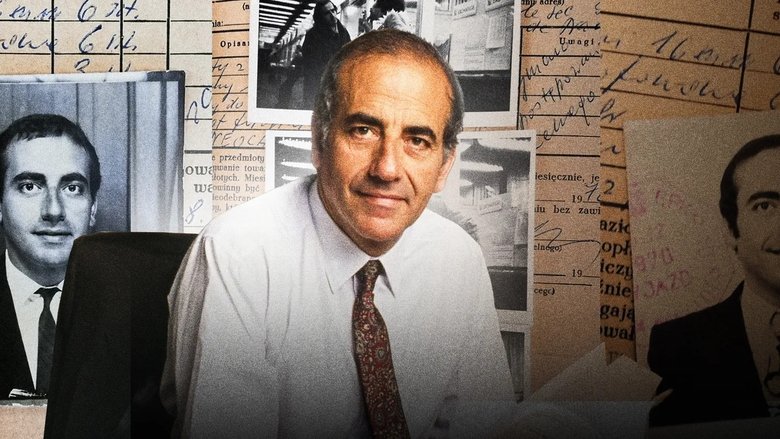
Jean-Pierre Elkabbach, autoportrait de mon père
A witness to the history of the Fifth Republic for more than half a century, Jean-Pierre Elkabbach left his mark on the profession of radio and television journalism. This film tells the story of the man and his career through the voice of his daughter, Emmanuelle Bach, and previously unpublished private interviews recorded shortly before his death in 2023. It offers a portrait of this hyperactive, versatile, demanding, and inventive journalist, and reveals the private man: funny, sensitive, warm, and secretive. Emmanuelle Bach recounts with tenderness and humor her father, absorbed by his consuming passion for journalism, and with whom she struggled to find her place.
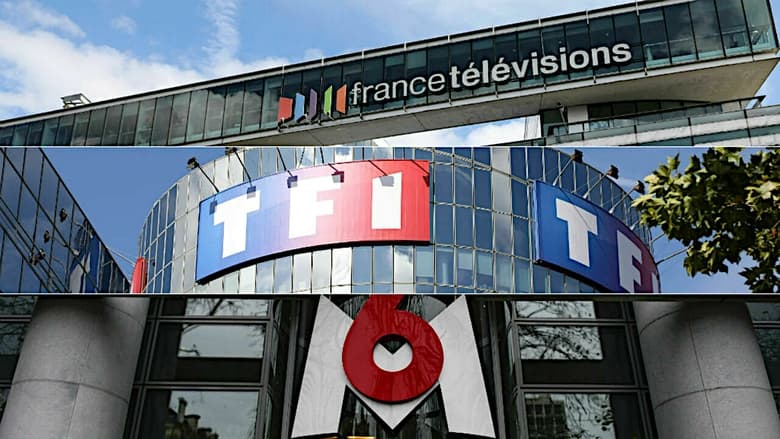
La Guerre des télés
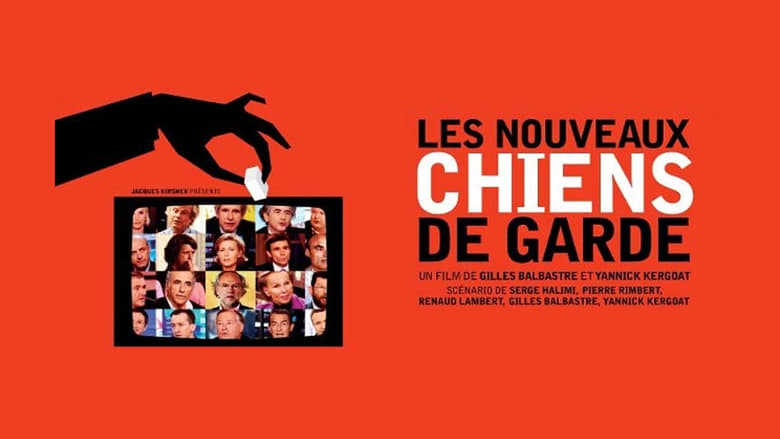
The New Watchdogs
In 1932, the writer Paul Nizan published "The New Watchdogs" to denounce the philosophers and writers of his time who, sheltering behind intellectual neutrality, imposed themselves as true watchdogs of the established order. Today the watchdogs are journalists, editors, and media experts who've openly become market evangelists and guardians of the social order. In a sardonic manner, "The New Watchdogs" denounces this press that, claiming to be independent, objective and pluralist, makes out it is a democratic force of opposition. With forcefulness and precision, the film puts its finger on the increasing danger of information produced by the major industrial groups of the Paris Stock Exchange and perverted into merchandise.
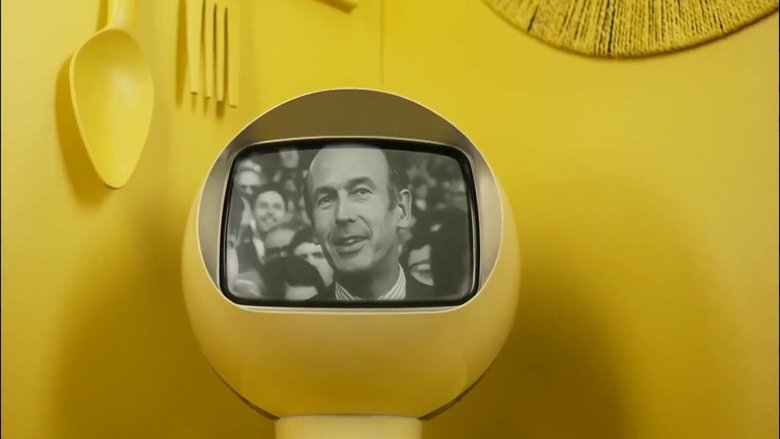
La TV des 70's : Quand Giscard était président
In May 1974, Valéry Giscard d'Estaing became President of the Republic and wanted to bring about a new era of modernity. One of his first decisions was to break up the ORTF with the creation of three new television channels: TF1, Antenne 2 and FR3. Three new public channels but autonomous and competing. It is a race for the audience which is engaged then, and from now on the channels will make the war! This competition will give birth to a real golden age for television programs, with variety shows in the forefront. The stars of the song are going to invade the living rooms of the French for their biggest pleasure. This unedited documentary tells the story of the metamorphosis of this television of the early 1970s, between freedom of tone, scandals, political intrigues and programs that have become mythical.
Filmography
as Self (Footage Archives)
as Self
as Self (archive footage)
as Self (archive footage)
as Self (archive footage)
as Self (archive footage)
as Self (archive footage)
as Self
as Self
as Self
as Self
as Lui-même
as Self
as TV presenter
as Self